Understanding the Coldest Ocean in the World: The Arctic Ocean
The Arctic Ocean is the coldest ocean in the world. Located primarily within the Arctic Circle, it experiences extreme sub-zero temperatures throughout the year. Its unique geography, characterized by extensive perennial sea ice covera...
The Arctic Ocean is the coldest ocean in the world. Located primarily within the Arctic Circle, it experiences extreme sub-zero temperatures throughout the year. Its unique geography, characterized by extensive perennial sea ice coverage and low solar radiation intake, maintains an environment where water temperatures consistently hover near the freezing point of seawater, approximately -1.8 degrees Celsius (28.8 degrees Fahrenheit).
Contents
Geographical Context and Characteristics
The Arctic Ocean is the smallest and shallowest of the world's five major oceans. It is situated around the North Pole and is bordered by the landmasses of Eurasia, North America, and Greenland. Because of its high-latitude location, it receives significantly less direct sunlight than equatorial regions. This lack of solar energy, combined with the presence of massive ice shelves and floating sea ice, creates a persistent thermal deficit that prevents the water from warming significantly, even during the summer months.
The ocean is almost entirely enclosed by land, which limits the exchange of warmer waters from the Atlantic and Pacific oceans. While the Atlantic Current provides some thermal regulation, it is insufficient to overcome the heat loss to the cold, polar atmosphere. Consequently, the Arctic Ocean remains locked in a cycle of ice formation and melting that defines its cold-water status.
Thermal Dynamics: Why It Stays Frozen
The temperature of the Arctic Ocean is dictated by the physical properties of saltwater and the influence of the polar climate. Freshwater freezes at 0 degrees Celsius (32 degrees Fahrenheit), but the salt content in ocean water lowers the freezing point to roughly -1.8 degrees Celsius (28.8 degrees Fahrenheit).
In many parts of the Arctic, the water exists in a state of supercooling, where the liquid remains below its standard freezing point without turning into ice, provided there are no nucleation sites. However, the consistent presence of existing ice floes facilitates continuous freezing.
Key Factors Contributing to Cold Temperatures
- High Albedo Effect: The extensive ice cover reflects a large portion of incoming solar radiation back into the atmosphere. This prevents the absorption of heat energy that would otherwise raise water temperatures.
- Limited Sunlight: During the polar night, the region receives no sunlight for months at a time, allowing heat stored in the surface waters to dissipate rapidly into the atmosphere.
- Restricted Circulation: The surrounding continents physically obstruct the inflow of warmer, temperate currents, keeping the basin isolated from global warming trends that impact lower-latitude oceans.
Comparing Global Ocean Temperatures
While the Arctic is objectively the coldest, other oceans exhibit varying temperature profiles based on depth, latitude, and current systems. It is helpful to understand how the Arctic compares to the global average to appreciate the extreme conditions of the polar regions.
| Ocean | Average Temperature (Surface) | Primary Thermal Driver |
|---|---|---|
| Arctic | -1.8°C to 0°C | Polar latitude, limited solar gain |
| Southern | -1°C to 10°C | Circumpolar currents, wind patterns |
| Atlantic | 17°C (approximate) | Large-scale meridional circulation |
| Indian | 22°C (approximate) | Equatorial solar concentration |
| Pacific | 19°C (approximate) | Largest surface area, trade winds |
The Role of the Southern Ocean
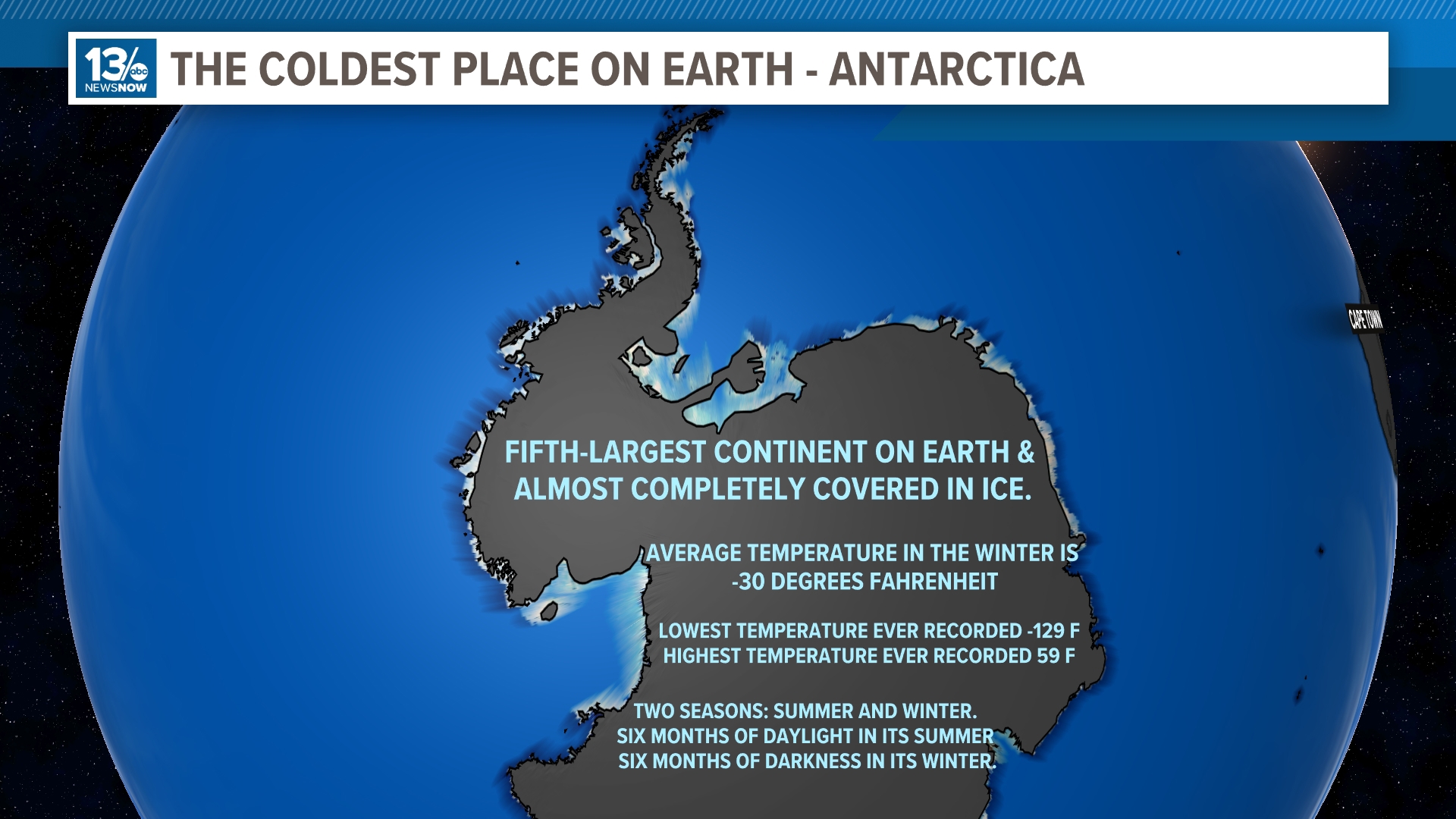
Often, a point of confusion arises regarding the Southern Ocean, which surrounds Antarctica. While the Southern Ocean is also characterized by extreme cold, it generally remains slightly warmer than the Arctic Ocean due to the Antarctic Circumpolar Current (ACC). This current acts as a massive thermal mixer, drawing water from other oceans and moderating the temperature slightly. The Arctic Ocean, being more land-locked, lacks this large-scale thermal homogenization, resulting in a more stable, colder, and ice-covered environment.
Scientific Monitoring and Data Collection
In 2026, researchers rely on a network of sensors, satellite imagery, and autonomous underwater vehicles (AUVs) to monitor the thermal state of the Arctic. Agencies such as the National Snow and Ice Data Center (NSIDC) provide critical insights into the thickness of ice and the temperature of the underlying water column.
The depth of the Arctic Ocean also plays a role in temperature stratification. The surface layer is typically cold and relatively fresh due to river runoff and melting ice, while deeper layers may be slightly warmer due to the inflow of the Atlantic layer, which sits beneath the colder surface water. This vertical layering is a crucial aspect of oceanographic study, as it dictates the movement of nutrients and the viability of marine habitats.
Impact on Marine Ecosystems
The extreme cold of the Arctic Ocean dictates the biological life that can survive within it. Species such as polar bears, seals, and various species of Arctic cod have evolved physiological adaptations to thrive in near-freezing temperatures. The timing of the spring "melt" is a critical event for the entire food web, as it triggers the bloom of phytoplankton, which serves as the foundation for the entire Arctic ecosystem.
Common Challenges for Research
- Instrument Icing: Maintaining sensors in a region that spends most of the year at sub-zero temperatures requires specialized, freeze-resistant materials.
- Remote Logistics: The lack of permanent infrastructure makes long-term, high-frequency data collection significantly more expensive and logistically demanding than in temperate regions.
- Data Gaps: During the darkest months of the year, satellite visibility is reduced, and in-situ operations are hampered by the extreme weather conditions.
Frequently Asked Questions
Is the Arctic Ocean the same temperature all year round? No, it fluctuates slightly. Surface temperatures can rise slightly above freezing in the summer months as ice melts and the sun provides direct radiation. However, the water remains near the freezing point throughout the year compared to the rest of the world's oceans.
Can humans swim in the Arctic Ocean? Swimming in the Arctic Ocean is extremely dangerous and requires specialized equipment, such as a thick dry suit, due to the risk of rapid onset hypothermia. Even for experienced professionals, exposure times are limited to minutes to prevent life-threatening medical emergencies.
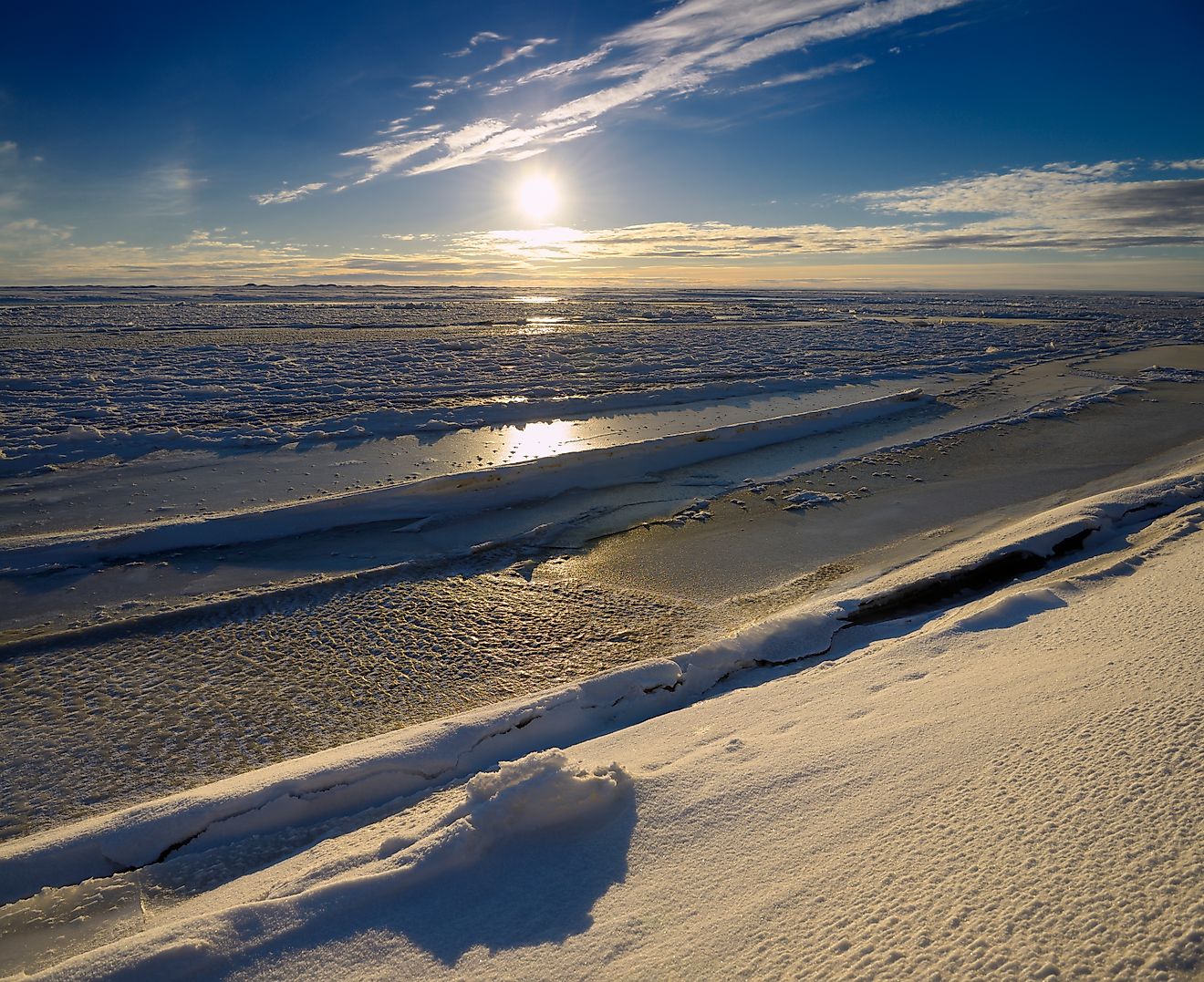
Does the Arctic Ocean freeze completely? It does not freeze into a solid block of ice, but rather a complex mosaic of sea ice, leads (open water channels), and polynyas (large areas of open water surrounded by ice). The thickness of this ice varies significantly by season and location.
How deep is the coldest ocean? The Arctic Ocean has an average depth of approximately 1,200 meters (about 3,900 feet), though the deepest point, the Litke Deep, reaches approximately 5,450 meters (17,880 feet).
Are there fish that live in water at -1.8°C? Yes, several species of fish, such as the Antarctic icefish (found in similar conditions in the Southern Ocean) and the Arctic cod, produce "antifreeze" proteins that prevent their blood and body fluids from freezing, allowing them to remain active in the coldest waters on Earth.
Next Steps for Exploration
If you are interested in the ongoing status of the Arctic environment, the most reliable next step is to consult the annual reports provided by the National Snow and Ice Data Center. These resources offer up-to-date visualization of sea ice extent and thermal variations. For those researching the technical aspects of polar oceanography, peer-reviewed journals such as Journal of Geophysical Research: Oceans provide the most accurate, vetted findings on current Arctic conditions. Always verify that sources are dated within the current year for the most relevant environmental data.
Image Gallery