How to Feed a Gecko Safely: A Comprehensive Nutritional Guide for 2026
Safely feeding a gecko involves identifying its species-specific diet—whether insectivorous or omnivorous—ensuring all feeder insects are gut-loaded and dusted with calcium and Vitamin D3, and avoiding wild-caught prey. Proper hydratio...
Safely feeding a gecko involves identifying its species-specific diet—whether insectivorous or omnivorous—ensuring all feeder insects are gut-loaded and dusted with calcium and Vitamin D3, and avoiding wild-caught prey. Proper hydration and choosing appropriately sized food, no wider than the space between the gecko's eyes, are critical to preventing choking and impaction.
Contents
Feeding a gecko is more complex than simply dropping a few insects into a terrarium. As of 2026, herpetological research has refined our understanding of reptile metabolism, highlighting how critical the "safety" aspect of feeding is to long-term health. A safe feeding regimen prevents metabolic bone disease (MBD), intestinal impaction, and accidental injuries. Whether you are caring for a Leopard Gecko, a Crested Gecko, or a Tokay, the principles of safety remain rooted in three pillars: biological appropriateness, nutritional preparation, and environmental management.
Identifying Your Gecko’s Specific Dietary Requirements
Before preparing a meal, you must categorize your gecko's biological needs. Geckos are not a monolithic group; their evolutionary history has dictated vastly different digestive capabilities. In 2026, veterinarians categorize most pet geckos into two primary groups based on their wild foraging habits.
Obligate Insectivores
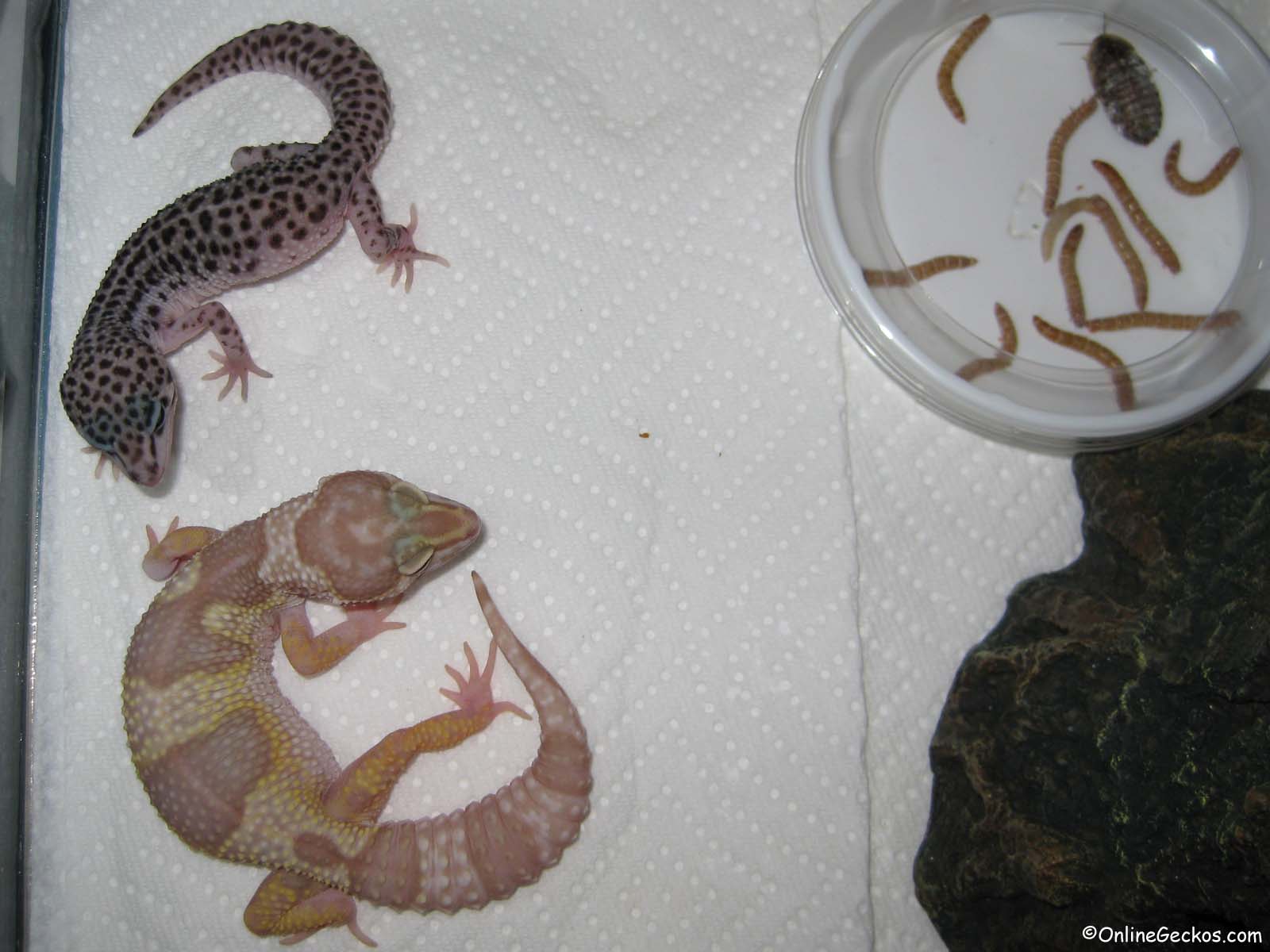
Species like the Leopard Gecko (Eublepharis macularius) and the African Fat-Tailed Gecko are strict insectivores. Their digestive tracts are designed to process animal proteins and chitin. Feeding these species fruit or commercial pastes intended for other geckos can lead to severe gastrointestinal distress or malnutrition. For these geckos, safety means ensuring a variety of high-quality live insects.
Omnivores and Frugivores
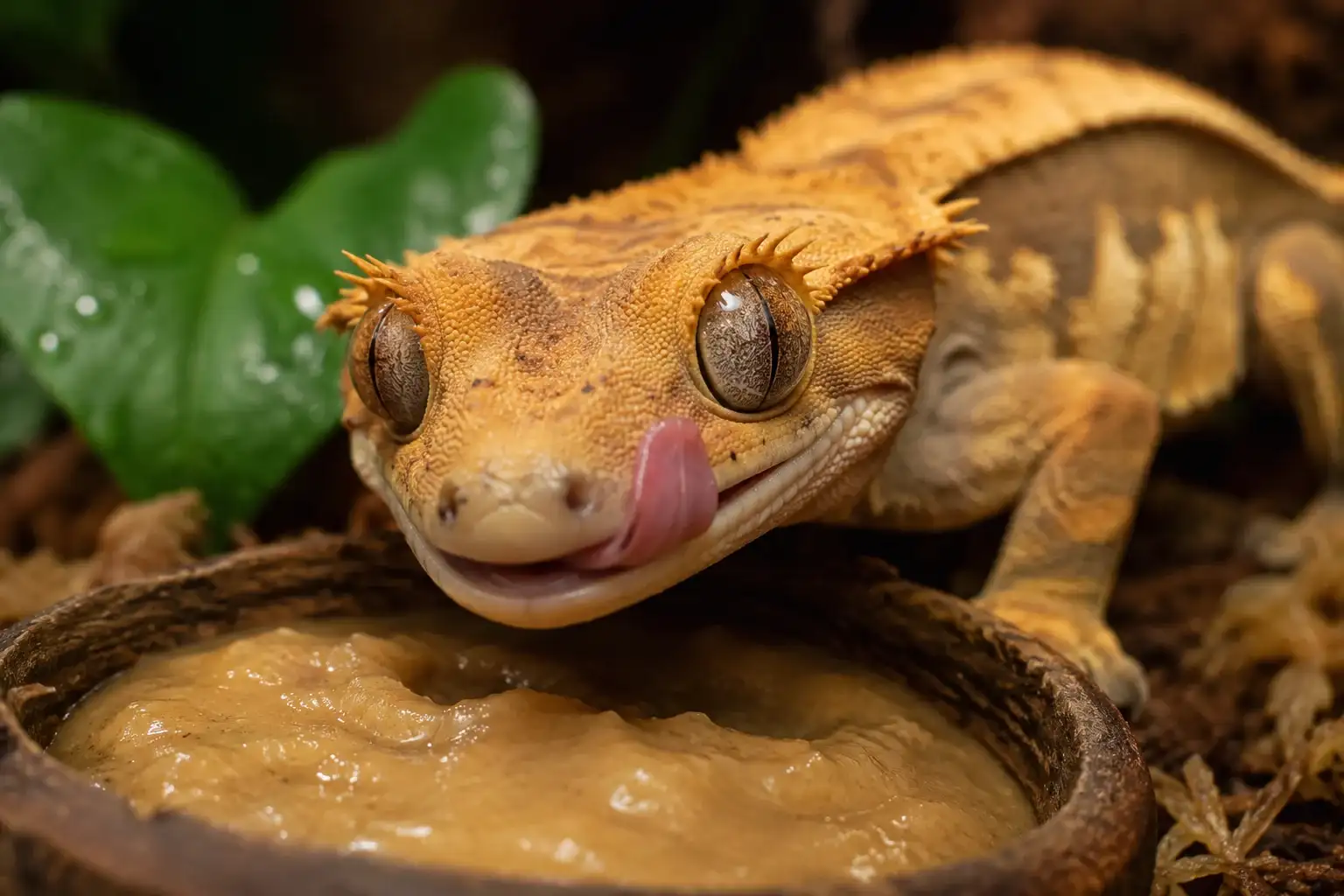
Species from the New Caledonia region, such as Crested Geckos and Gargoyle Geckos, are omnivores that lean heavily toward frugivory. In the wild, they consume rotting fruit, nectar, and occasional insects. While they still require protein, their primary safety concern involves the correct balance of sugars and vitamins found in high-quality commercial meal replacements.
The Safety Protocol for Feeder Insects
If your gecko eats insects, the quality of the "feeder" is just as important as the gecko's environment. Simply buying a tub of crickets is not enough; those crickets must be prepared to be a safe delivery vehicle for nutrients.
The Dangers of Wild-Caught Insects
It is never safe to feed your gecko insects caught in your backyard or home. Wild insects carry a high risk of pesticide exposure, which can be fatal to small reptiles even in trace amounts. Furthermore, wild prey often harbor internal parasites like pinworms or coccidia. By 2026 standards, using only captive-bred insects from reputable suppliers is the baseline for safe husbandry.
Gut Loading: The 24-Hour Rule
Feeder insects from pet stores are often nutritionally "empty" because they have not been fed high-quality meals themselves. Gut loading is the process of feeding the insects nutrient-dense foods (like squash, greens, or professional gut-load formulas) for 24 to 48 hours before they are offered to the gecko. This ensures that when the gecko consumes the insect, it also receives the vitamins processed by the prey.
The "Size Rule" for Choking Prevention
One of the most common causes of accidental death in young geckos is choking or impaction caused by oversized prey. A universal safety rule is to never offer an insect that is longer than the width of the space between the gecko's eyes. Insects larger than this can become lodged in the throat or cause a blockage in the digestive tract, leading to a painful and often fatal condition called impaction.
Calcium, Vitamin D3, and Metabolic Bone Disease
Safety in feeding is inextricably linked to the Calcium-to-Phosphorus ratio. Most feeder insects are naturally high in phosphorus and low in calcium. If a gecko consumes too much phosphorus without enough calcium, its body will begin to leach calcium from its own bones to maintain blood levels. This leads to Metabolic Bone Disease (MBD), characterized by rubbery limbs, tremors, and spinal deformities.
Dusting with Supplements
To feed safely, you must "dust" your insects with a high-quality calcium powder. This is typically done using the "shake and bake" method: placing insects in a small container with powder and shaking gently until they are coated.
- With D3: If you do not use overhead UVB lighting, your gecko requires Calcium with Vitamin D3 to synthesize the mineral.
- Without D3: If you provide a verified 2.4% to 7% UVB output (depending on species), you should primarily use plain calcium to avoid D3 toxicity, as the gecko will produce its own.
Safe Feeding for Crested and Fruit-Eating Geckos
For species that consume fruit, safety is primarily about the stability and quality of commercial diets. In 2026, brands like Pangea and Repashy remain the gold standard.
Avoiding Homemade Fruit Purees
While it might seem "natural" to mash up a banana or mango, this is often unsafe as a primary diet. Homemade mashes lack the essential protein, calcium, and trace minerals required for gecko health. They are often too high in phosphorus and sugar, which can lead to obesity and MBD. Stick to commercially prepared powders mixed with water, which are formulated to be nutritionally complete.
Preventing Mold and Spoilage
Omnivorous diets are typically served as a slurry or paste. Because these are high in sugar and moisture, they are breeding grounds for bacteria and mold in the warm, humid environment of a gecko enclosure. A safe feeding practice is to remove any uneaten commercial diet after 24 hours.
| Feeder Type | Protein Level | Fat Level | Ease of Handling | Specific Safety Risk |
|---|---|---|---|---|
| Dubia Roaches | High | Low | Excellent | Cannot climb glass; very low risk of biting gecko. |
| Crickets | Medium | Low | Moderate | Can bite and stress the gecko if left in the tank overnight. |
| Mealworms | Medium | High | Easy | High chitin content; can cause impaction if heat is too low. |
| Black Soldier Fly Larvae | Medium | Low | Easy | Naturally high in calcium; very safe "staple" prey. |
| Hornworms | Low | Low | Moderate | High moisture; can cause diarrhea if fed too frequently. |
Environmental Factors for Safe Digestion
You cannot feed a gecko safely if the environment does not support digestion. Geckos are ectotherms, meaning they rely on external heat to trigger the enzymes necessary to break down food.
The Importance of a "Basking Spot"
Even nocturnal geckos benefit from a heat gradient. If a gecko eats a large meal and the enclosure is too cold, the food may sit in the stomach and begin to rot before it can be digested. This leads to regurgitation or systemic infection. Ensure your gecko has access to the species-recommended "hot zone" (usually 88-92°F for Leopard Geckos) for at least several hours after feeding.
Substrate Safety
Feeding directly on loose substrates like sand, walnut shells, or small gravel is highly dangerous. Geckos often miss their prey and swallow mouthfuls of the substrate. Over time, this builds up in the intestines (impaction). To feed safely, use:
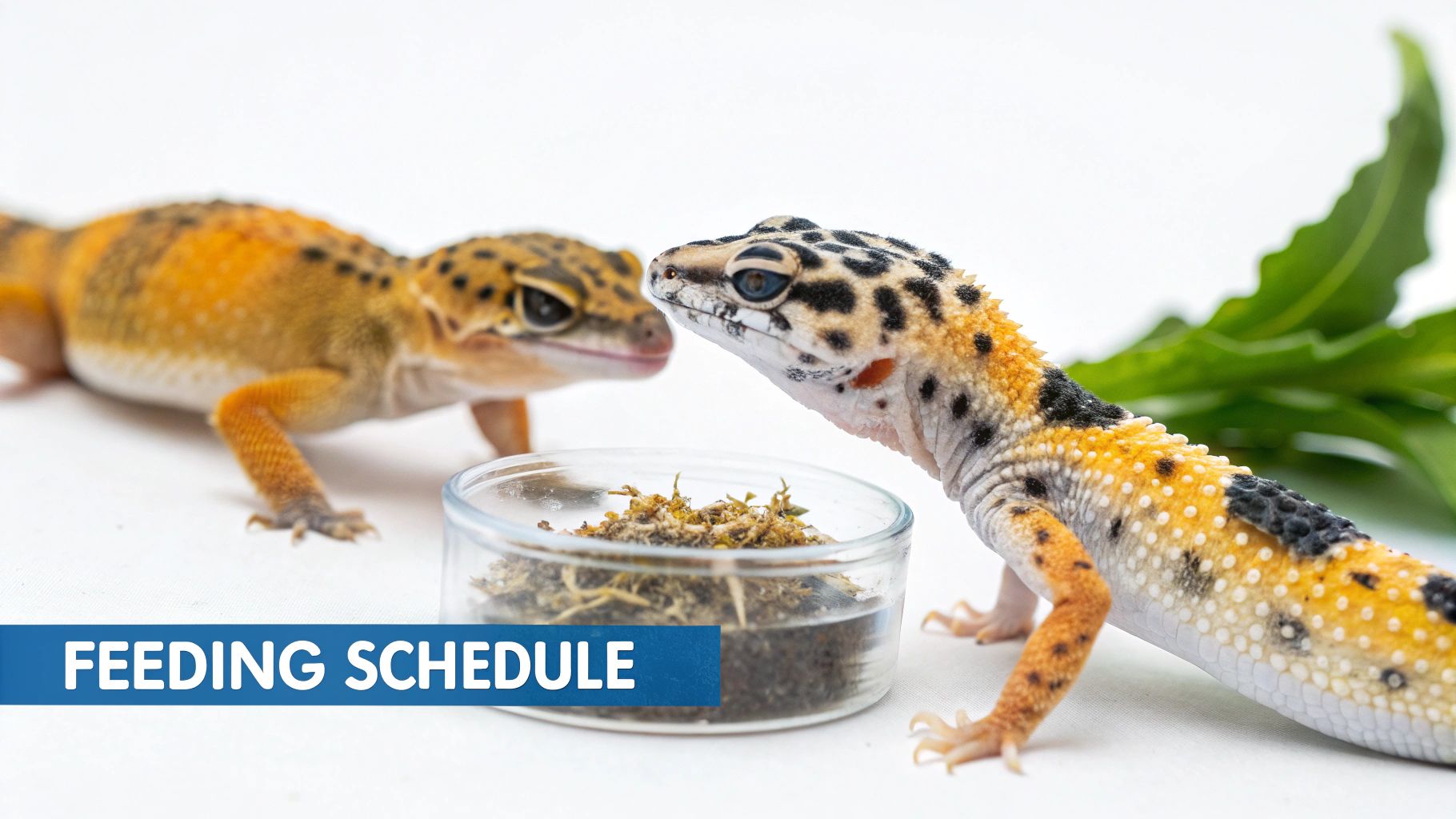
- A feeding bowl: Especially for worms or roaches.
- Tong feeding: Using blunt-tipped feeding tongs to hand-deliver insects.
- Solid substrate: Such as slate tile, paper towels, or specialized reptile mats that cannot be ingested.
Hydration: The Often Overlooked Safety Factor
A dehydrated gecko cannot digest food properly. Water is essential for moving waste through the intestines.
- Water Quality: Use a water conditioner to remove chlorine and heavy metals from tap water, or use spring water.
- Misting: Many arboreal geckos (like Crested Geckos) do not recognize standing water in a bowl. They prefer to drink droplets off leaves. To feed and hydrate them safely, mist the enclosure daily.
Common Feeding Mistakes to Avoid
- Overfeeding Adults: While juveniles need daily feedings to grow, adults can easily become obese. Obesity in geckos leads to hepatic lipidosis (fatty liver disease). Most adult geckos only need to be fed 2-3 times per week.
- Leaving Crickets in the Enclosure: Crickets are opportunistic omnivores. If left in a tank overnight, they will often nibble on the gecko’s skin or eyes, leading to painful sores and infections.
- Feeding "Pinky" Mice: While some large geckos can physically swallow a newborn mouse, the high fat and bone content are difficult to process and often lead to long-term health issues. In 2026, most experts advise against this in favor of high-quality insects.
FAQs
Can I feed my gecko fruit from the grocery store?
Only as a very occasional treat (once a month). Grocery store fruit is bred for high sugar content and lacks the calcium-to-phosphorus ratio required by geckos. For omnivorous species, it is much safer to rely on nutritionally complete commercial powders.
How do I know if my gecko is impacted?
Signs of impaction include a lack of bowel movements, a bloated or firm abdomen, lethargy, and a loss of appetite. If you suspect impaction, consult a reptile-certified veterinarian immediately. In 2026, many vets use localized ultrasound to quickly identify blockages.
My gecko won't eat from tongs. Is it safe to let insects loose?
It is safe only if you are using a non-ingestible substrate (like tile) and you monitor the feeding. Ensure all uneaten insects are removed after 15-30 minutes to prevent them from hiding in the enclosure or biting your gecko.
Do I need to provide vitamins every time I feed?
No. While calcium should be used at almost every feeding, a general multivitamin should usually only be applied once a week or every other week, depending on the age of the gecko and the quality of your gut loading. Over-supplementation of certain vitamins (like Vitamin A) can be toxic.
Is it safe to feed "vacuum-sealed" or canned insects?
Yes, provided they are from a reputable reptile supply brand. These are often a good alternative if you cannot maintain live colonies, but they lack the enrichment of "the hunt." Always ensure they are sized correctly and dusted with calcium.
Practical Recommendation
To ensure the safest feeding experience for your gecko in 2026, establish a routine that includes rotating your feeder insects to provide a wide amino acid profile. Start by sourcing captive-bred Dubia roaches or Black Soldier Fly Larvae, gut-load them with fresh vegetables for 24 hours, and use a "no-escape" feeding dish to prevent substrate ingestion. Always maintain a consistent temperature gradient in the enclosure to facilitate proper digestion, and schedule a yearly fecal exam with an exotic animal veterinarian to ensure your feeding practices aren't being undermined by internal parasites.
Image Gallery