Why Law Practice Management Software for Personal Injury Works
Law practice management software for personal injury works by centralizing the chaotic, high-volume data points inherent in tort litigation into a unified, automated workflow. Unlike general platforms, these systems prioritize medical...
Law practice management software for personal injury works by centralizing the chaotic, high-volume data points inherent in tort litigation into a unified, automated workflow. Unlike general platforms, these systems prioritize medical record retrieval, lien tracking, and contingency-based financial modeling, allowing firms to scale case volume without sacrificing the meticulous detail required for high-value settlements.
Contents
The Structural Alignment of PI Software and Tort Litigation
Personal injury law is unique in its administrative burden. A single motor vehicle accident case involves hundreds of pages of medical records, multiple insurance carriers, subrogation claims, and strict statutes of limitations. General law practice management software (LPMS) often fails because it treats every case as a billable-hour project. In contrast, personal injury-specific software is built on the reality of contingency fee structures and high-intensity document management.
The primary reason these systems "work" is their ability to mirror the lifecycle of a personal injury case. From the initial intake to the final disbursement of funds, the software provides a roadmap that prevents human error. By 2026, the integration of automated data extraction and predictive analytics has further solidified these tools as essential infrastructure for any competitive personal injury firm.
Streamlining Case Intake and Lead Conversion
The first forty-eight hours of a personal injury claim are often the most critical. Potential clients are frequently under significant physical and emotional stress, and their decision to retain counsel is often driven by responsiveness. Personal injury software works here by automating the "top of the funnel."
Automated Intake Workflows
When a lead enters the system—whether via a website form, a call center, or a chatbot—the software immediately triggers a series of actions. This includes sending an automated SMS or email to the prospective client and scheduling a task for an intake specialist. Because these systems often include built-in e-signature integrations (such as DocuSign or Adobe Sign), the firm can send a retainer agreement within minutes of the initial consultation.
Conflict Checking and Case Evaluation
Before a firm can accept a case, they must ensure there are no conflicts of interest. Specialized PI software automates this check against existing databases of defendants, insurance adjusters, and witnesses. Furthermore, many 2026-era platforms include intake scoring modules. These modules use historical firm data to evaluate the potential value of a new lead based on the type of injury, the insurance carrier involved, and the jurisdiction, helping firms prioritize high-impact cases.
The Mastery of Medical Record Management
In personal injury law, the medical record is the primary piece of evidence. Managing these records manually is a logistical nightmare involving faxing requests, following up with providers, and organizing thousands of pages of PDF files.
Personal injury software works because it turns this manual process into a digital assembly line. Many systems now integrate directly with Electronic Health Record (EHR) portals and third-party retrieval services.
- Automated Request Tracking: Once a provider is added to a case, the software generates a HIPAA-compliant medical authorization and sends it to the provider. The system then tracks the age of the request, automatically sending reminders to the provider’s billing department if the records are not received within a set timeframe.
- Chronological Organizing: As records arrive, advanced PI platforms use Optical Character Recognition (OCR) and machine learning to categorize documents by date, provider, and document type (e.g., operative reports vs. billing statements).
- Medical Summarization: By 2026, many platforms offer automated summarization tools that highlight key findings, such as permanent impairments or pre-existing conditions, saving paralegals hours of manual review.
Managing Complex Liens and Subrogation
Perhaps the most difficult financial aspect of a personal injury case is the management of liens. Whether it is a statutory lien from Medicare, an ERISA-governed health plan, or a provider’s medical lien, these must be tracked and negotiated before a case can be closed.
Generic software treats these as simple expenses. However, PI-specific software treats them as dynamic liabilities. The software allows the legal team to track the "total bill" versus the "negotiated amount." This distinction is vital for the "Made Whole" doctrine and other legal principles that dictate how much a client actually nets from a settlement.
The software works here by maintaining a real-time "Settlement Calculator." As medical bills are updated and liens are negotiated down, the calculator automatically updates the projected client net recovery. This transparency is crucial for managing client expectations and ensuring the firm remains compliant with ethical obligations regarding the handling of trust funds.
Rules-Based Calendaring and Milestone Tracking
In personal injury litigation, missing a deadline—such as a statute of limitations or a court-ordered discovery cutoff—can lead to a total loss of the claim and a legal malpractice suit.
Personal injury software works by implementing rules-based calendaring. These systems are often integrated with court rules for specific jurisdictions. When a user inputs a trial date or a filing date, the software automatically populates all associated deadlines (e.g., expert disclosures, witness lists, and pre-trial motions) based on the local rules of civil procedure.
Beyond court deadlines, the software manages "treatment milestones." If a client has not seen a doctor in three weeks, the system can flag the case for a "check-in" task. This prevents "gaps in treatment," which insurance adjusters frequently use as a justification to lower settlement offers.
Advanced Settlement and Financial Logic
The culmination of a PI case is the settlement. The financial logistics of a settlement involve moving money between insurance carriers, the firm’s IOLTA (Interest on Lawyers' Trust Account), medical providers, and the client.
| Feature | General LPMS | PI-Specific LPMS (2026) |
|---|---|---|
| Billing Model | Hourly/Flat Fee Focused | Contingency & Settlement Focused |
| Expense Tracking | Basic ledger | Advanced Case Costs with Interest |
| Medical Records | File storage only | Automated Retrieval & OCR Sorting |
| Lien Management | Manual entry | Automated subrogation tracking |
| Settlement Calculation | Spreadsheet-based | Real-time "Net to Client" modeling |
| Document Automation | Generic templates | Injury-specific (Demand Packages) |
Personal injury software works because it automates the creation of the Settlement Statement (sometimes called a HUD or disbursement sheet). This document accounts for every penny: the gross settlement, the attorney's fee percentage, reimbursed case costs, and every individual medical lien. Automating this ensures that the math is flawless and provides a professional, transparent breakdown for the client to sign.
Security and Compliance in 2026
Personal injury firms handle some of the most sensitive data imaginable, including Social Security numbers and detailed medical histories. Software designed for this niche works because it is built with HIPAA compliance as a foundational requirement, rather than an afterthought.
In 2026, this security extends to data residency and encryption standards. These platforms often provide client portals where sensitive documents can be shared securely, eliminating the need for unencrypted email attachments. This not only protects the firm from data breaches but also enhances the client's trust in the professional handling of their private information.
Enhancing Firm Scalability and Performance Analytics
Finally, these systems work by providing firm owners with "data-driven" insights. A managing partner can look at a dashboard and instantly see:
- The average settlement value per case type.
- The performance of different marketing channels.
- The "age" of cases in the pre-litigation phase vs. the litigation phase.
- The total "work in progress" value of the firm's entire portfolio.
Without this software, a firm is limited by the manual bandwidth of its staff. With it, a firm can manage 500 cases with the same precision that a manual firm manages 50.
Frequently Asked Questions
Can general practice management software be "hacked" to work for personal injury?
While many firms attempt to use general software by creating custom fields, it rarely works long-term. General software lacks the specific logic required for lien negotiation, medical record retrieval tracking, and settlement disbursement sheets. The time and cost required to customize a general system often exceed the cost of a dedicated PI platform.
How does the software help with "Demand Packages"?
Personal injury software works by pulling data from the case file—medical totals, lost wage documentation, and incident reports—directly into a template for a demand letter. This ensures that every penny of the "specials" (economic damages) is accounted for and supported by an exhibit, making it much harder for insurance adjusters to ignore the firm's valuation.
Does PI software integrate with medical providers?
Yes, by 2026, most leading PI software platforms offer integrations with medical record retrieval services and EHR portals. This allows for digital requests and electronic delivery of records, significantly reducing the "wait time" for medical evidence.
Is cloud-based PI software safe for medical data?
Modern cloud-based LPMS platforms are typically more secure than on-premise servers. They utilize enterprise-grade encryption and are subject to rigorous audits to maintain HIPAA and SOC 2 compliance.
How does the software handle "case costs"?
Personal injury firms often front the costs for expert witnesses, filing fees, and record retrieval. The software tracks these expenses as "reimbursable costs" tied to the specific case. When the case settles, these costs are automatically subtracted from the gross settlement before the client's share is calculated, ensuring the firm is accurately reimbursed.
Practical Recommendation
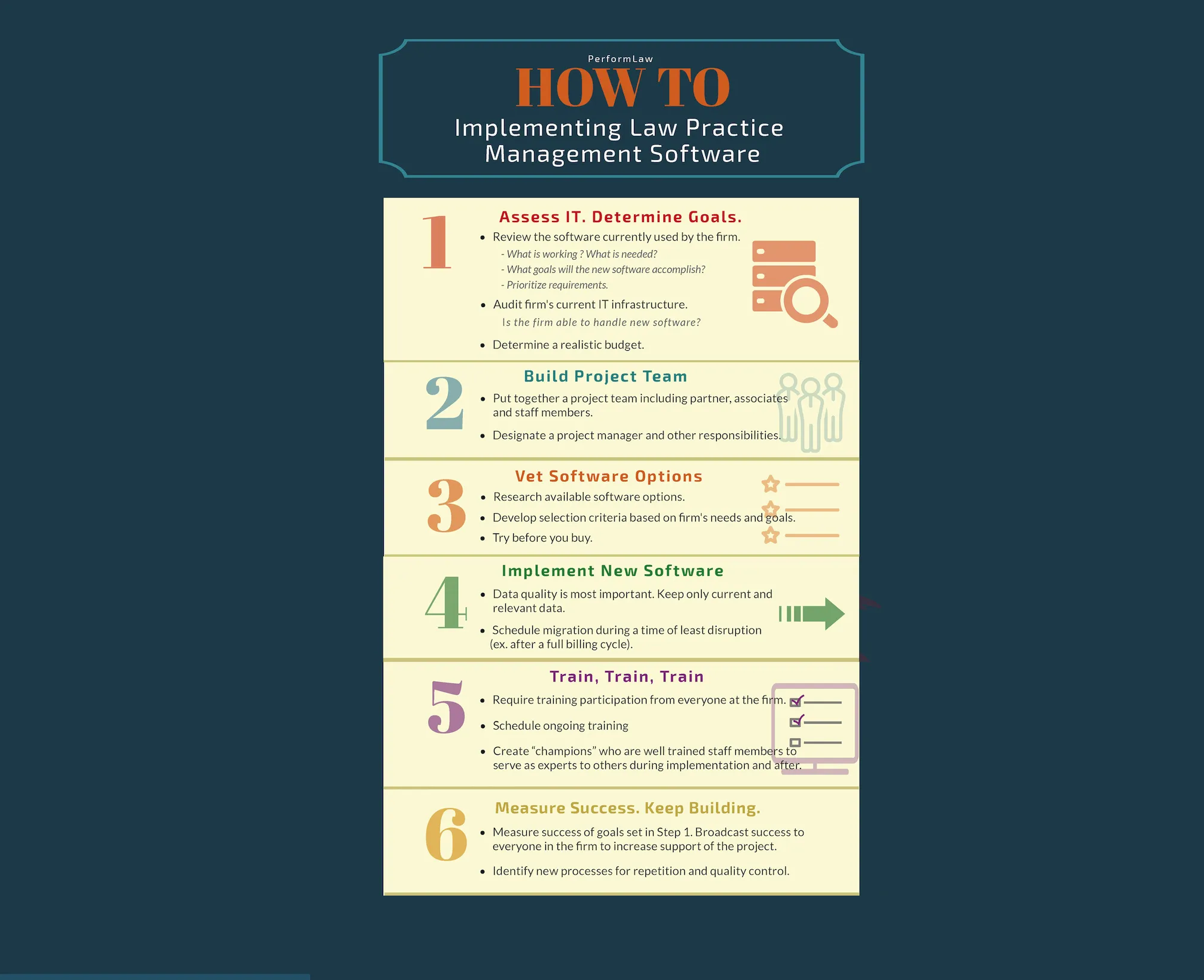
For firms looking to transition or upgrade, the first step is to conduct a comprehensive data audit. Before implementing personal injury software, ensure your existing case data is clean and categorized. Choose a platform that offers a dedicated migration team and provides native integrations for the tools you already use, such as Outlook, Gmail, or specialized accounting software. Transitioning to a PI-specific system is not just a software change; it is a commitment to a more disciplined, automated, and scalable way of practicing law.
Image Gallery