How to Obtain Yale New Haven Hospital Medical Records
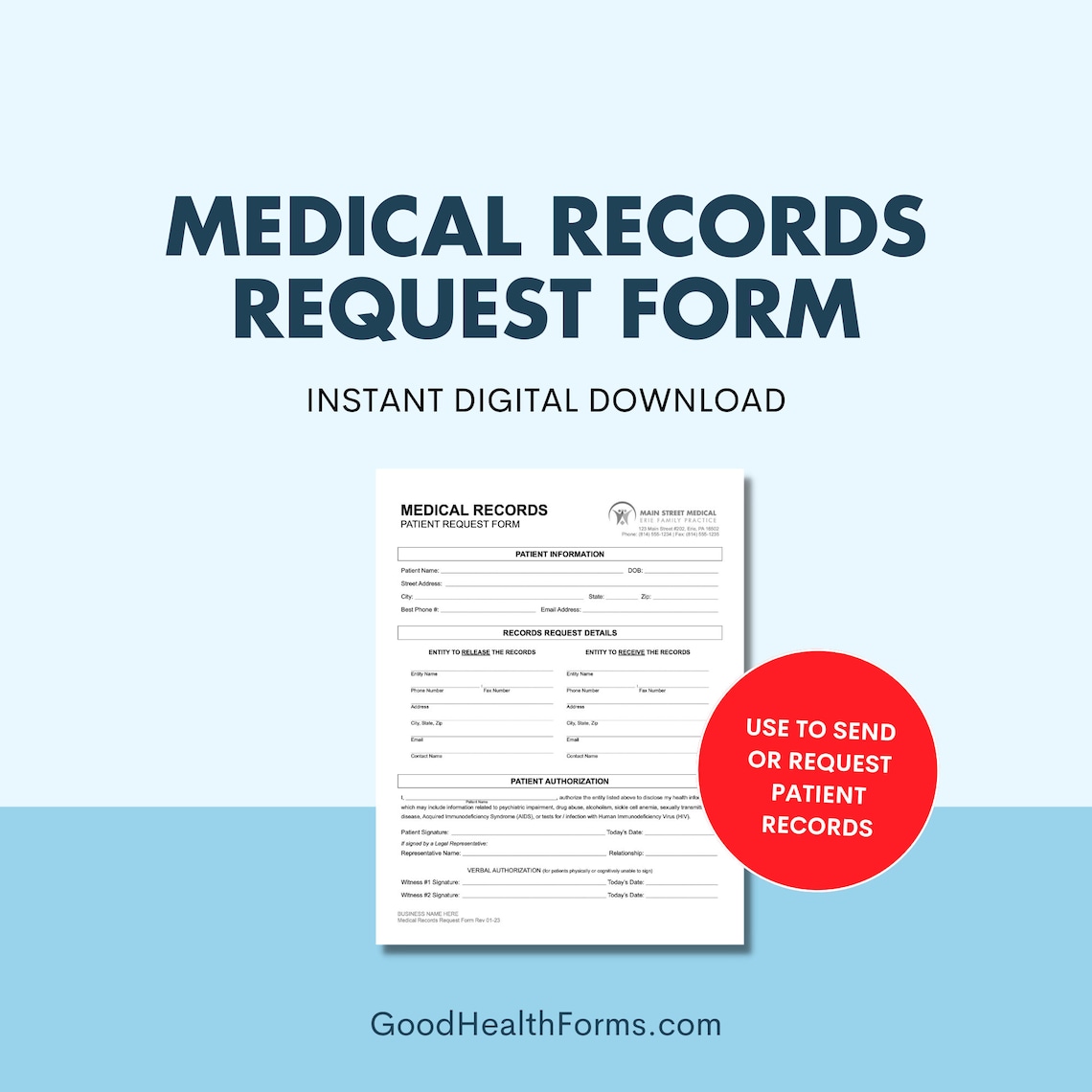
To obtain medical records from Yale New Haven Health (YNHH), patients or their authorized representatives must complete an official authorization form, which can be submitted via the MyChart patient portal, through secure email, by fax...
To obtain medical records from Yale New Haven Health (YNHH), patients or their authorized representatives must complete an official authorization form, which can be submitted via the MyChart patient portal, through secure email, by fax, or via mail. Requests are processed by the Health Information Management (HIM) department, which verifies the identity of the requester to ensure compliance with the Health Insurance Portability and Accountability Act (HIPAA).
Contents
Understanding the Yale New Haven Health Medical Record System
Yale New Haven Health operates a centralized system for the management of patient health information across its various delivery networks, including Yale New Haven Hospital, Bridgeport Hospital, Greenwich Hospital, and Lawrence + Memorial Hospital. Because these institutions are interconnected under a single Health Information Management infrastructure, the process for requesting records is generally consistent, though the specific delivery methods may vary depending on whether you are seeking electronic records or physical copies.
Medical records are comprehensive legal documents that include physician notes, diagnostic test results, pathology reports, discharge summaries, and imaging studies. Under federal law, as established by the HIPAA Privacy Rule, patients maintain the right to access their own health information. Understanding how to navigate this process is essential for coordinating care with secondary providers, filing insurance claims, or maintaining personal health archives.
Prerequisites for Requesting Records
Before initiating a request, you must ensure you have the necessary documentation to verify your identity. If you are the patient, you must provide a copy of a government-issued photo identification, such as a driver’s license or passport.
If you are requesting records on behalf of someone else, the requirements are more stringent. You will need to provide legal documentation proving your authority to act as a personal representative. This documentation typically includes:
- A Durable Power of Attorney for Healthcare: This document must be current and explicitly grant the individual authority to access medical records.
- Court-Ordered Guardianship: A certified copy of the court order is required.
- Executor of Estate: If the patient is deceased, a copy of the death certificate and proof of executorship (or administration of the estate) must be submitted.
- Parental Rights: Parents may access the records of minor children, though state laws regarding the medical records of minors (particularly concerning reproductive health or mental health services) may impose specific limitations on what information can be disclosed.
Primary Methods for Obtaining Records
Yale New Haven Health provides several channels for record retrieval. The method you choose should depend on the urgency of your request and the format in which you require the data.
1. MyChart Patient Portal (Recommended)
The fastest and most efficient way to access recent records is through the MyChart portal. This digital interface allows you to view lab results, immunization histories, visit notes, and medication lists immediately. Because this system is self-service, it does not require a formal record request submission for most standard information. If you do not have a MyChart account, you can register using the activation code provided on your billing statement or by requesting one at your next clinical appointment.
2. Formal Request via Authorization Form
For detailed medical records, imaging (such as X-rays, MRIs, or CT scans), or records spanning several years, you must submit an "Authorization for Access/Release of Information" form. This form is available on the official Yale New Haven Health website.
- Submission: Completed forms should be signed, dated, and accompanied by a copy of the patient’s ID.
- Delivery: These forms can be submitted via secure upload through the patient portal, faxed to the specific department managing your records, or mailed to the Health Information Management office.
3. Imaging and Radiology Records
Radiology images, such as DICOM files for scans, often require a different processing route than standard clinical notes. If you need the actual images, it is recommended to specify this on the request form, as these files are frequently provided via a secure digital link or on a physical disc (CD/DVD) rather than through paper mail.
Comparative Methods for Requesting Medical Information
| Method | Speed | Best For | Requirement |
|---|---|---|---|
| MyChart Portal | Instant | Recent labs, notes, and meds | Active account |
| Electronic/Fax Request | Moderate | Comprehensive history/records | Signed authorization form |
| Mail-in Request | Slow | Physical file copies/archived data | Signed form + ID copy |
| In-Person Visit | Varies | Urgent bedside needs | ID verification at the facility |
Operational Timelines and Fees
While HIPAA mandates that covered entities provide access to records within a reasonable timeframe—typically 30 days—Yale New Haven Health makes every effort to process requests as promptly as possible. It is important to note that if you are requesting records to be sent directly to a new physician or specialist for the purpose of ongoing care, the health system may expedite the request process.
Regarding costs, hospitals are generally permitted to charge a reasonable, cost-based fee for the retrieval, copying, and delivery of medical records, especially if the request is for personal use rather than for continuity of care. Fees typically cover the cost of paper, postage, and administrative labor. You should consult the HIM department upon submission if you have concerns regarding potential fees.
Common Troubleshooting and FAQs
Even with a clear process, users sometimes encounter roadblocks. Below are answers to common questions regarding the retrieval process.
Can I request my records over the phone? Generally, no. For security and HIPAA compliance, written authorization is required to ensure that sensitive health information is not released to unauthorized individuals. Phone inquiries are useful for confirming receipt of a request or checking the status, but they cannot replace the formal authorization form.
Why are some parts of my record missing? Certain highly sensitive records, such as psychotherapy notes or records protected by state-specific substance abuse treatment privacy laws, may be restricted. Additionally, records generated by external physicians who are not part of the Yale New Haven Health system will not be found in their database. You must contact those specific offices directly.
How do I check the status of my request? You may contact the Health Information Management department at the specific hospital facility where you received care. Always keep a copy of your submitted authorization form and the date of submission for your records.
What if I need the records urgently? If you have an upcoming appointment with a specialist, ask that physician's office to initiate a "provider-to-provider" request. These requests are often prioritized over personal requests because they are directly related to immediate patient care.
Is there a way to request records for a deceased relative? Yes, but as noted in the prerequisites, you must provide legal documentation. The hospital’s legal department will review the paperwork to ensure that the release complies with state laws regarding the privacy of deceased individuals.
Next Steps and Recommendations
If you are currently registered with MyChart, log in and download your electronic health summary. This is the most efficient starting point. If you require specialized records (such as pathology slides or old X-rays), visit the Yale New Haven Health Medical Records page to download the "Authorization for Access/Release of Information" form.
Before mailing or faxing, double-check that your form is signed, the date of birth and medical record number (if known) are correct, and that a clear copy of your identification is attached. If you are having difficulty navigating the process, the patient advocacy or patient relations department at the hospital can often provide additional guidance on the correct contact points for your specific clinical history.
Image Gallery