Least Painful Wax: Choosing the Right Method for Hair Removal
Achieving smooth skin through waxing does not have to be an excruciating experience, as selecting the right method, formula, and preparation technique dramatically reduces discomfort. By understanding the chemical composition, applicat...
Achieving smooth skin through waxing does not have to be an excruciating experience, as selecting the right method, formula, and preparation technique dramatically reduces discomfort. By understanding the chemical composition, application temperature, and adhesion properties of different waxes—such as hard wax versus soft wax—you can minimize skin trauma and manage your pain threshold effectively.
Contents
Understanding Hair Removal Wax Categories
Before evaluating which option hurts the least, you must understand the two primary categories of hair removal waxes used in professional salons and home kits: hard wax and soft wax. Each type interacts with the skin and hair follicles differently, directly influencing the level of discomfort you will feel during extraction.
Hard Wax Mechanics and Composition
Hard wax, often called strip-less wax, is applied warm in a thick layer and allowed to cool and harden on the skin. As it cools, the wax shrinks slightly, gripping only the hair shafts while remaining flexible. Because it does not adhere to live skin cells, pulling it off causes significantly less trauma to the epidermis. This makes hard wax the gold standard for sensitive areas like the bikini line, Brazilian, underarms, and facial waxing.
Soft Wax Mechanics and Strip Removal
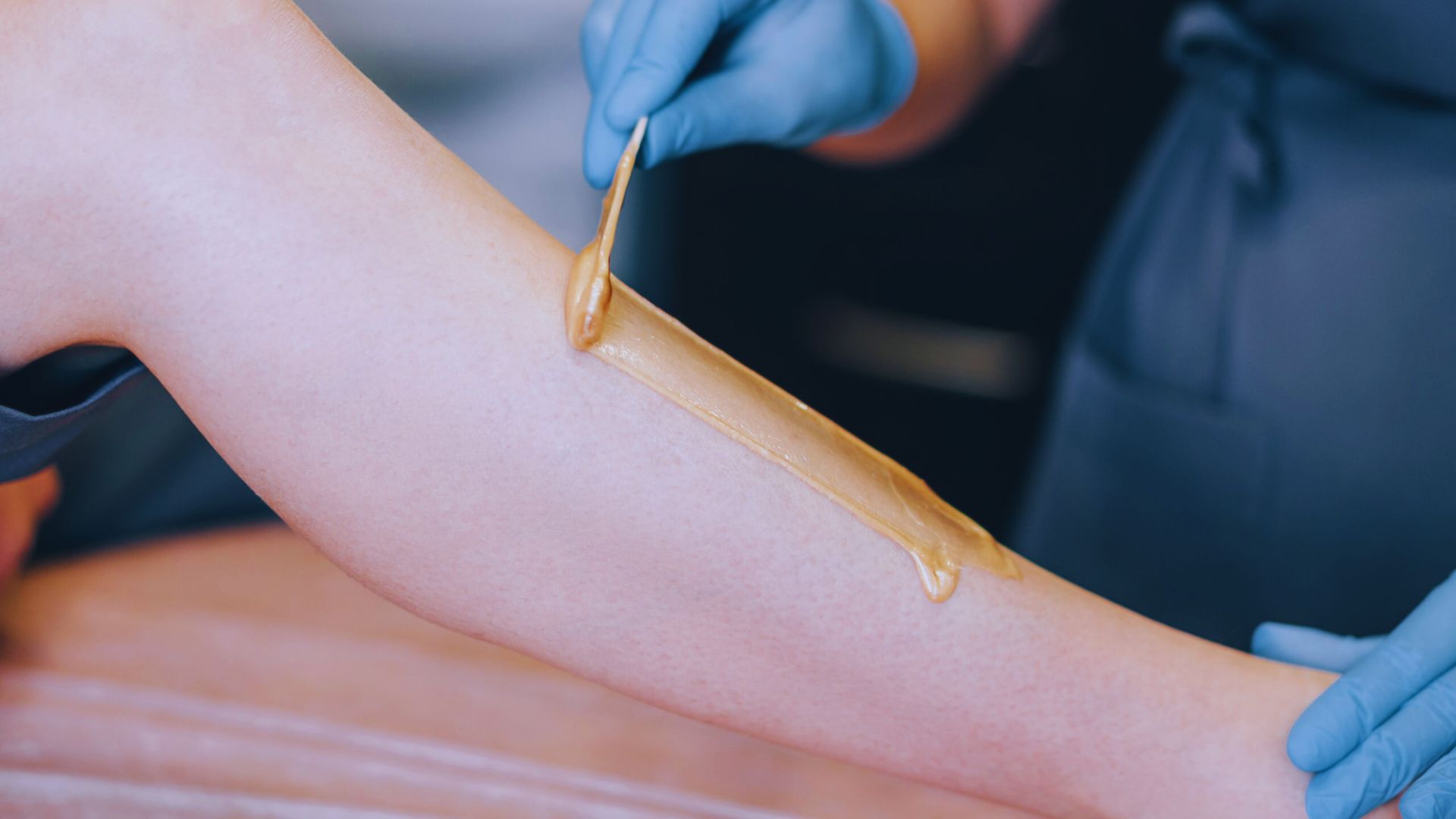
Soft wax is applied in a thin layer and requires fabric or paper strips to be pressed onto the surface and pulled off rapidly against the direction of hair growth. While soft wax is exceptional at grabbing fine, short hairs over large surface areas like legs, back, and arms, it adheres strongly to the stratum corneum (the outermost layer of skin). This exfoliation of live skin cells alongside the hair follicles contributes to the sharper stinging sensation commonly associated with traditional waxing.
Comparing Wax Types for Comfort and Application
To choose the least painful method for your specific needs, it helps to examine how different formulations stack up across key performance indicators. The table below outlines the primary differences between common waxing methodologies.
| Wax Type | Primary Application Area | Skin Adhesion Level | Pain Factor | Best Suited For |
|---|---|---|---|---|
| Hard Wax | Sensitive areas (Bikini, Face, Underarms) | Low (grips hair, not skin) | Low to Moderate | Coarse hair, sensitive skin |
| Soft Wax | Large areas (Legs, Arms, Back) | High (grips hair and skin) | Moderate to High | Fine hair, large surface areas |
| Sugaring Paste | All body areas | Low (water-soluble, respects hair direction) | Low | Sensitive skin, eco-conscious users |
| Fruit/Enzyme Wax | Sensitive and normal skin | Low to Moderate | Low to Moderate | Reduced inflammation goals |
The Alternative: Sugaring Paste as a Low-Pain Option
For individuals with extreme skin sensitivity, sugaring paste serves as a prominent alternative to traditional resin-based waxes. Made entirely from natural ingredients like sugar, lemon juice, and water, sugaring paste operates on a fundamentally different physical principle than soft wax.
Sugaring paste is molded against the natural direction of hair growth and flicked off in the direction of growth. This technique extracts the hair from the root without breaking the hair shaft or pulling against the growth direction, which drastically reduces hair breakage, ingrown hairs, and surface skin tearing. Because the paste only binds to dead skin cells and hair—never live skin—the overall pain experience is notably lower than standard soft wax treatments.
Matching Wax Methods to Body Zones
Pain perception varies drastically depending on the anatomical region being treated. Nerve density, skin thickness, and hair follicle depth dictate which method will yield the least painful result.
Facial and Underarm Care
Facial skin and underarms feature thin, highly reactive skin coupled with dense nerve endings. Hard wax is universally recommended here. Because hard wax encapsulates the hair without tugging the surrounding skin, it prevents unnecessary bruising, tearing, and post-procedural redness. Avoid soft wax on the face entirely unless performed by an experienced professional using specialized gentle formulations.
Brazilian and Bikini Treatments
The pubic region contains thick, coarse terminal hairs anchored deeply in sensitive tissue. Hard wax or professional sugaring are the only recommended choices for minimizing pain in this zone. Soft wax applied to a Brazilian area can cause severe epidermal stripping, extreme discomfort, and a higher risk of lifting or bruising.
Large Surface Areas (Legs and Arms)
Legs and arms feature thicker skin layers with lower nerve density compared to the face or bikini line. Here, soft wax remains a viable and efficient option. Because large surface areas require speed, soft wax applied with strips covers ground quickly. However, if your skin is prone to eczema, severe dryness, or irritation, opting for a sugaring treatment or a hypoallergenic soft wax infused with soothing agents like chamomile or azulene can mitigate discomfort.
Pre-Waxing Preparation to Minimize Discomfort
Your preparation routine plays a direct role in how much pain you will experience during a waxing session. Proper steps condition the skin and hair to make extraction smoother.
- Exfoliate Gently: Use a chemical exfoliant (like lactic or salicylic acid) or a gentle body scrub 48 hours before your appointment to remove dead skin cells and free trapped hairs. Do not exfoliate on the day of the wax.
- Check Hair Length: Ensure your hair is roughly one-quarter of an inch long (about the size of a grain of rice). Hair that is too long increases the pulling sensation, while hair that is too short cannot be gripped properly, forcing multiple passes over the same spot.
- Hydrate Systemically: Drink plenty of water in the days leading up to your session. Well-hydrated skin and hair follicles allow hairs to release from the root with less resistance.
- Avoid Stimulants: Skip caffeine and alcohol on the day of your treatment. Both substances can heighten nerve sensitivity and constrict blood vessels, making hair extraction feel sharper.
- Consider Topical Numbing Creams: For ultra-sensitive individuals, applying an over-the-counter 5% lidocaine cream 30 to 45 minutes before the procedure can deaden surface nerve endings. Wipe the area completely clean before the wax is applied.
Post-Waxing Care and Troubleshooting
Minimizing pain does not stop once the wax is removed. Proper aftercare prevents inflammation, folliculitis, and prolonged soreness.
Apply a cool compress immediately following the treatment to calm acute nerve endings and reduce localized swelling. Follow up with an alcohol-free, fragrance-free soothing lotion containing aloe vera or tea tree oil to sanitize the open follicles. Avoid tight synthetic clothing for at least 24 hours; instead, wear loose cotton garments to prevent friction against freshly waxed skin. If you experience persistent bumps or ingrown hairs days later, introduce a chemical exfoliant to encourage proper hair emergence without manual picking.
Frequently Asked Questions
Does hard wax hurt less than soft wax?
Yes, hard wax generally hurts less than soft wax, particularly on sensitive areas. Hard wax shrinks as it cools, gripping only the hair shafts without adhering to live skin cells. Soft wax clings to both hair and the outer layer of skin, creating a tearing sensation upon strip removal that increases discomfort.
How can I make my first Brazilian wax less painful?
To minimize pain during a Brazilian wax, choose a salon that uses premium hard wax or organic sugaring paste rather than soft wax. Schedule your appointment when you are well-rested, avoid caffeine, take an over-the-counter pain reliever roughly 45 minutes prior if approved by your doctor, and ensure your hair meets the ideal one-quarter inch length requirement.
Is sugaring less painful than traditional waxing?
Sugaring is often perceived as less painful than traditional soft waxing because the paste is applied at room temperature or lukewarm, eliminating burn risks. Furthermore, sugaring paste is removed in the natural direction of hair growth, which minimizes follicle trauma and reduces the stinging sensation associated with against-the-grain pulling.
Why does waxing hurt more at certain times of the month?
Hormonal fluctuations significantly impact pain tolerance. For individuals with menstrual cycles, skin sensitivity peaks right before and during menstruation due to fluctuating estrogen and progesterone levels. Scheduling your waxing appointment during the week following your period typically results in a less painful experience.
Can I use numbing cream before getting waxed?
Yes, you can use over-the-counter topical numbing creams containing lidocaine to dull pain receptors in sensitive regions. Apply the cream according to package instructions 30 to 45 minutes before your session, and ensure your esthetician wipes the area entirely clean and dry before applying any wax.
Conclusion and Next Action
Choosing the least painful wax comes down to matching your skin sensitivity and body zone with the right formulation: use hard wax or sugaring paste for sensitive areas like the face, underarms, and bikini line, and reserve soft wax for larger, less sensitive areas like legs. To secure the most comfortable experience possible, book a consultation with a licensed esthetician who specializes in sensitive-skin formulations, verify their wax ingredients, and prep your skin with proper hydration and gentle exfoliation 48 hours prior to your visit.
Image Gallery