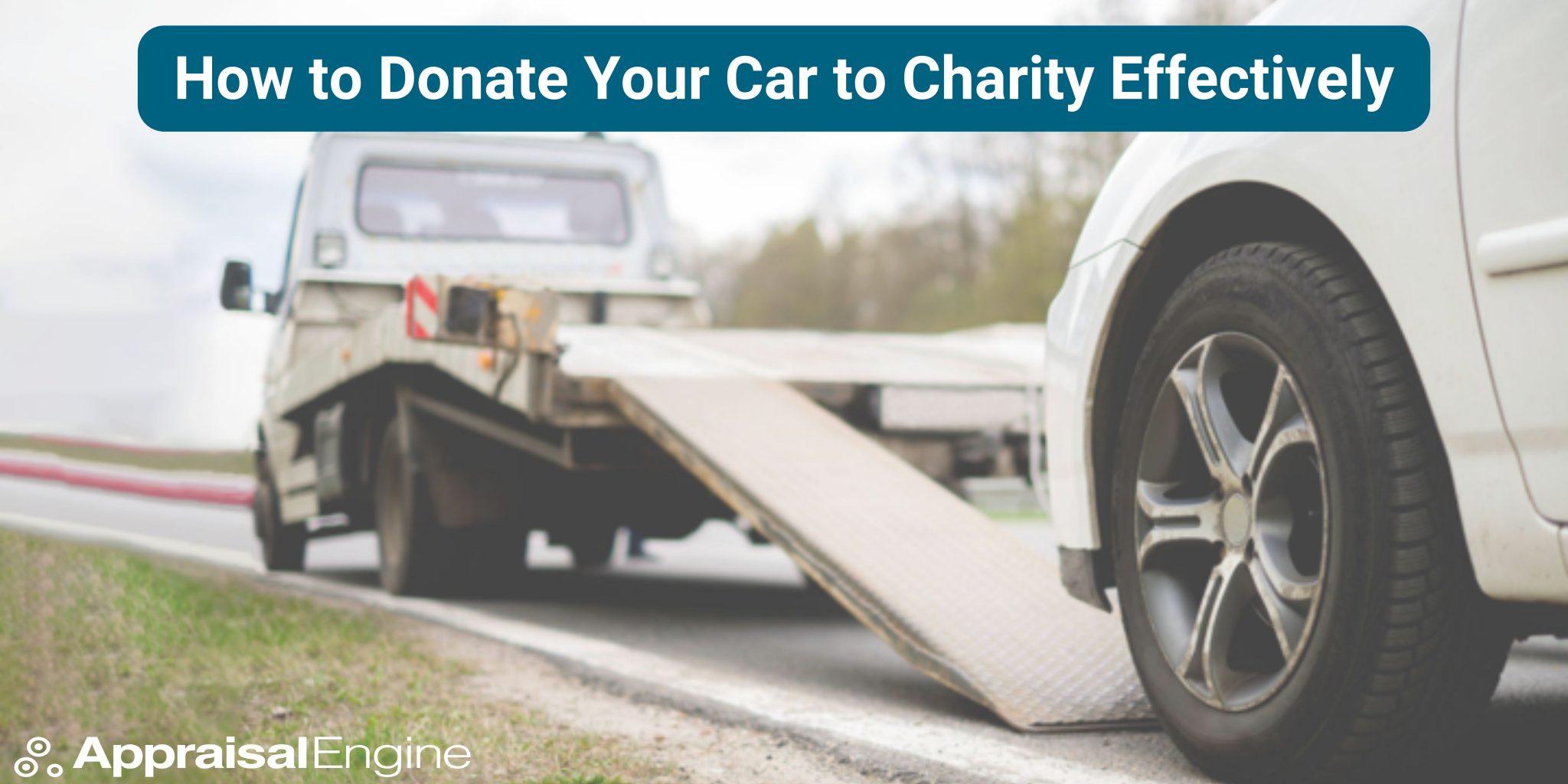
How Charitable Car Donations Work: A Complete Guide to Giving Your Vehicle
Donating a car to charity involves transferring ownership of a vehicle to a tax-exempt organization, which typically sells the vehicle at auction and uses the proceeds to fund its programs. In return, the donor may be eligible to claim...
Donating a car to charity involves transferring ownership of a vehicle to a tax-exempt organization, which typically sells the vehicle at auction and uses the proceeds to fund its programs. In return, the donor may be eligible to claim an itemized tax deduction based on the vehicle's actual sale price or fair market value.
Contents
Deciding to part ways with an older, unwanted, or rarely driven vehicle can feel overwhelming, especially when trying to balance sentimental attachment with the desire to do something meaningful. Rather than dealing with the headaches of private-party sales, low dealership trade-in offers, or mounting repair bills, many vehicle owners turn to philanthropy. However, the mechanics of transferring a title, understanding IRS regulations, and ensuring the vehicle actually benefits a legitimate cause can seem complex. Understanding how charitable car donations work ensures that your gift provides maximum impact while protecting you from unexpected tax or legal complications.
Understanding the Car Donation Lifecycle
The lifecycle of a charitable car donation follows a structured path from your driveway to a nonprofit's funding stream. Knowing what happens behind the scenes helps demystify the process and allows you to choose an organization that handles vehicles efficiently.
When you initiate a donation, the process rarely involves the charity keeping and driving the vehicle. Instead, most nonprofit organizations partner with third-party vendors known as vehicle donation processing centers or charitable auction houses. These entities manage the logistics of picking up the vehicle, preparing it for sale, executing the auction, and handling the necessary administrative paperwork.
Once the vehicle is processed and sold, the net proceeds—minus towing, storage, and administrative fees—are transferred to the charity. This operational model explains why choosing an organization with low overhead and efficient processing is crucial. If a third-party vendor consumes a high percentage of the sale price, very little of your donation actually reaches the charitable mission you intend to support.
Step-by-Step Car Donation Process
Executing a car donation requires careful attention to legal and administrative details. Following a structured sequence protects your liability and ensures compliance with tax laws.
- Research and Select a Charity: Verify that the organization holds valid 501(c)(3) tax-exempt status with the IRS. Use tools like the IRS Tax Exempt Organization Search (TEOS) or charity evaluators like Charity Navigator to check their financial transparency and programmatic efficiency.
- Gather Vehicle Documentation: Locate the official vehicle title. Most reputable charities require a clear title free of liens. You will also need to record the exact mileage at the time of pickup.
- Initiate the Donation: Contact the charity or its processing partner online or by phone. You will be asked to provide the vehicle's make, model, year, VIN, and general mechanical condition.
- Schedule Pickup: A licensed towing company will contact you to arrange a convenient time to pick up the vehicle, usually within 24 to 72 hours. Ensure you remove all personal items, license plates (if required by your state's motor vehicle department), and toll tags.
- Complete the Transfer: Sign the title in the designated spot as the seller or transferor, and fill out a release of liability or notice of transfer form for your state’s DMV. Hand the signed title and keys to the towing driver.
- Receive Your Receipt: Within 30 days of the sale, the charity must provide you with a written acknowledgment or IRS Form 1098-C if the vehicle sells for more than $500, detailing the gross proceeds of the sale.
IRS Regulations and Tax Deduction Rules
Tax deductions are a primary motivator for many donors, but Internal Revenue Service (IRS) guidelines are strict and depend heavily on how the charity utilizes or sells the vehicle. Navigating these rules incorrectly can result in disallowed deductions or an IRS audit.
For most standard donations where the charity sells the vehicle at auction, your deduction is strictly limited to the gross proceeds from the sale. If your car sells for $800 at auction, your maximum tax deduction is $800, regardless of what you believe the car was worth on the open market.
| Sale Price Range | Tax Deduction Limit | Required IRS Documentation |
|---|---|---|
| Under $500 | Fair market value up to $500 (or actual sale price) | Standard written receipt from the charity |
| $501 – $5,000 | The actual gross proceeds from the auction | Written acknowledgment (IRS Form 1098-C) |
| Over $5,000 | Appraised fair market value | Form 8283 signed by a qualified appraiser and the charity |
There are specific exceptions to the gross proceeds rule. If the charity intends to make significant intervening use of the vehicle—such as using a donated truck for disaster relief operations—or if they sell the vehicle to a needy individual at a significantly below-market price to further their charitable purpose, you may be able to deduct the full fair market value. However, these exceptions are relatively rare and require meticulous documentation. To claim any vehicle donation deduction, you must itemize your deductions on your federal income tax return using Schedule A.
Avoiding Common Scams and Pitfalls
While the vast majority of charitable organizations operate with integrity, the vehicle donation space has historically attracted predatory operators and commercial fundraisers who retain an excessive share of the proceeds. Protecting yourself requires vigilance before handing over your keys.
- Watch for Exaggerated Claims: Be wary of organizations promising a specific tax deduction amount before the vehicle has even been evaluated or sold. No charity can legally guarantee what a car will fetch at auction.
- Verify Intermediaries: If a well-known charity outsources its vehicle processing to a commercial fundraiser, check how much of the donation actually goes to the charity versus the profit-seeking vendor. Legitimate charities are transparent about these financial splits.
- Protect Your Liability: Failing to properly notify your state's Department of Motor Vehicles (DMV) that you have relinquished ownership can leave you liable for parking tickets, toll violations, or accidents incurred by the vehicle after it leaves your property. Always submit the official release of liability form immediately.
- Keep Impartial Records: Maintain copies of the signed title, towing receipts, initial donation confirmation, and the final IRS Form 1098-C. In the event of an inquiry, contemporaneous records serve as your best defense.
Alternative Ways to Dispose of an Unwanted Vehicle
Car donations offer a philanthropic exit strategy, but they are not always the most financially advantageous choice for every owner. Weighing alternatives ensures you select the best path for your specific circumstances.
If your vehicle is relatively modern and runs well, a private-party sale will almost always yield significantly more cash in your pocket than a car donation. While private sales require listing the vehicle, managing inquiries, and coordinating test drives, the financial return can be several times higher than an auction house payout.
Alternatively, trading the vehicle in at a licensed dealership simplifies the transaction. Dealerships handle all title transfers and paperwork directly, and the trade-in value can often be applied as a sales tax credit toward the purchase of a replacement vehicle.
For vehicles that are completely non-operational, heavily damaged, or beyond economical repair, selling to a professional auto salvage yard or scrap metal buyer provides quick, guaranteed cash. Unlike charities that must incur towing and processing fees, scrap yards pay based on the weight of the vehicle and salvageable parts, ensuring you walk away with immediate funds rather than waiting weeks for an auction to finalize.
Frequently Asked Questions
Can I donate a car that does not run?
Yes, most reputable charities accept non-running vehicles, including cars with blown engines, transmission failures, or collision damage. Free towing is typically provided regardless of the vehicle's mechanical condition, provided the car has all four wheels, is accessible to a tow truck, and you possess a clear, legally transferable title.
What documents do I need to donate my car?
You generally need the state-issued vehicle title in your name. If the title is lost, most charities can guide you through obtaining a duplicate title from your local DMV. Additionally, keeping a record of the vehicle's odometer reading, maintenance history, and license plate number will help streamline the intake process.
How is the fair market value determined if my car sells for over $5,000?
For vehicles with a claimed value exceeding $5,000, IRS regulations require a qualified, independent appraisal conducted within 60 days prior to the date of the donation. The appraiser must complete Section B of IRS Form 8283, and an authorized representative of the charity must also sign the form.
Am I responsible for the car after it is picked up?
Once the tow truck driver takes possession of the vehicle and you have properly completed the state-mandated release of liability form, you are typically released from liability regarding future operation or parking infractions. However, until the DMV processes the notice of transfer, you may still technically show as the registered owner in some jurisdictions, making prompt filing essential.
Do I need to itemize my taxes to claim a car donation deduction?
Yes. To claim a deduction for a charitable vehicle donation on your federal income tax return, you must itemize your deductions using Schedule A. If you take the standard deduction, you will not be able to deduct the value of the charitable contribution, though the act of giving still supports the underlying nonprofit mission.
Conclusion and Next Actions
Donating a car combines environmental responsibility, community support, and potential tax savings into a single streamlined transaction. To move forward successfully, start by verifying the 501(c)(3) status of your chosen charity and gathering your vehicle's title. Contact the organization to confirm their processing policies, ensure you receive a receipt documenting the final sale price, and promptly file your state's release of liability form to close out the transaction safely.
Image Gallery