Why the Chiropractic Healing Center Model is Evolving in 2026
The chiropractic healing center model is evolving to meet the rising demand for personalized, multidisciplinary wellness. By integrating functional medicine, regenerative therapies, and AI-driven diagnostics, modern centers move beyond...
The chiropractic healing center model is evolving to meet the rising demand for personalized, multidisciplinary wellness. By integrating functional medicine, regenerative therapies, and AI-driven diagnostics, modern centers move beyond simple spinal adjustments to address systemic health, neurological efficiency, and long-term longevity through a proactive, patient-centered approach.
Contents
For decades, the standard chiropractic office operated on a high-volume, "adjustment-only" framework. Patients would arrive with acute lower back pain or neck stiffness, receive a manual manipulation, and depart. However, as we navigate 2026, the industry has undergone a seismic shift. This evolution is not merely a change in service offerings but a fundamental reimagining of what it means to facilitate human healing. The "Healing Center" of today represents a sophisticated intersection of musculoskeletal expertise, neurological science, and lifestyle medicine.
The Shift from Reactive Treatment to Proactive Wellness
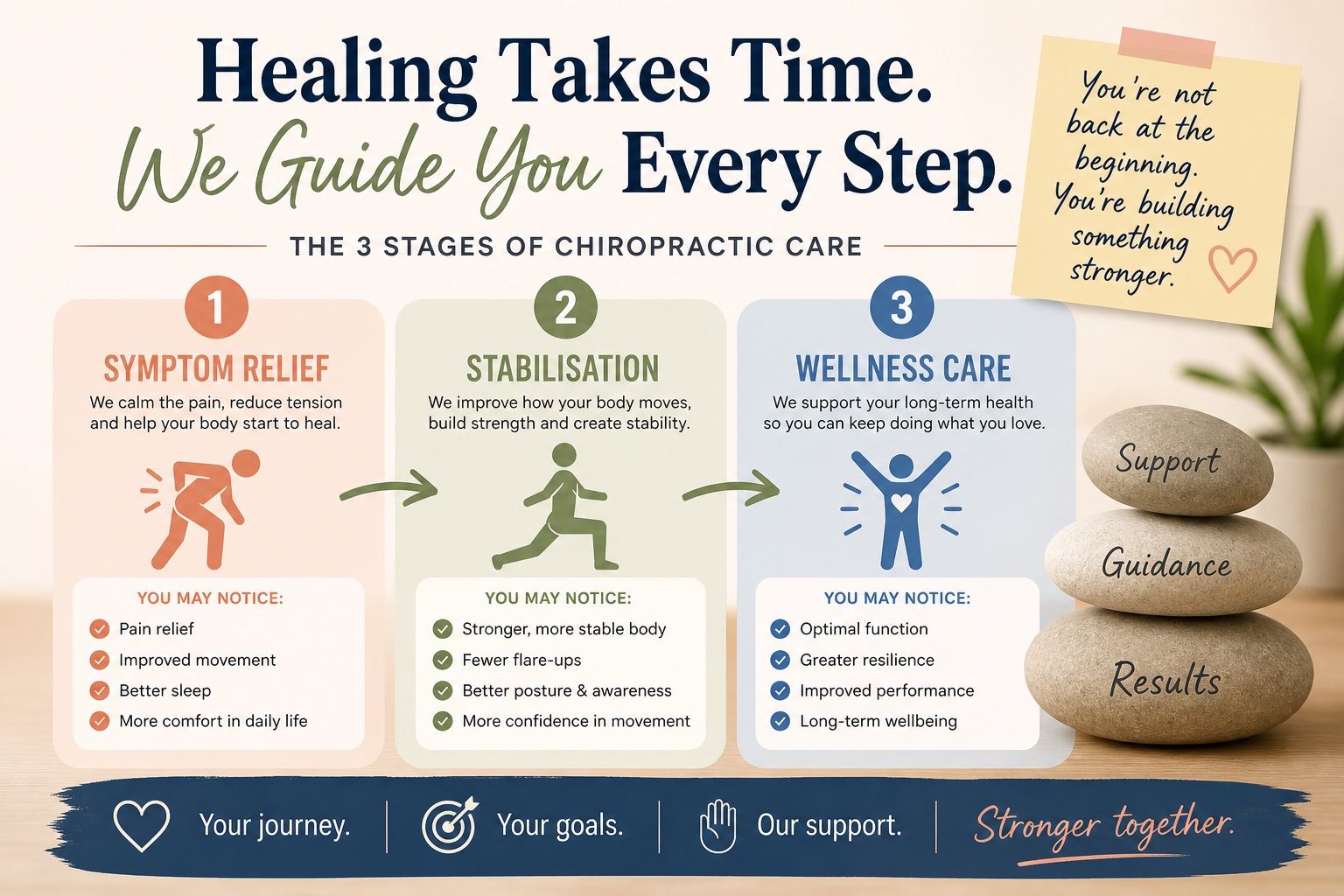
The primary catalyst for this evolution is the changing expectation of the patient population. In the early 2020s, health consumers began moving away from reactive "sick care" and toward proactive "well care." In 2026, this trend has matured into a standard requirement. Patients no longer visit a chiropractor just to stop a localized pain signal; they visit a healing center to optimize their biological performance.
Traditional chiropractic focused heavily on the "bone out of place" or subluxation theory. While spinal alignment remains the core competency, the modern healing center treats the spine as the gateway to the nervous system. This transition is known as the Biopsychosocial Model. It recognizes that physical pain is often inextricably linked to nutritional deficiencies, emotional stress, and environmental factors. By addressing the "whole person," healing centers achieve higher success rates in chronic case management than the traditional, isolated adjustment model.
Integration of Functional Medicine and Nutrition
One of the most significant structural changes in the chiropractic model is the formal integration of functional medicine. Chiropractors have long advocated for natural health, but the 2026 healing center utilizes advanced lab testing—including genomic sequencing and microbiome analysis—to identify the root causes of systemic inflammation.
Inflammation is the common denominator in both joint degradation and neurological dysfunction. By incorporating a Registered Dietitian (RD) or a Certified Functional Medicine Practitioner (CFMP) into the clinic staff, these centers can provide targeted supplement protocols and anti-inflammatory dietary plans. This multidisciplinary approach ensures that the physical adjustments performed by the chiropractor are supported by a stable internal biochemical environment, leading to faster recovery times and longer-lasting results.
Technological Advancements and AI-Driven Diagnostics
The integration of high-level technology has turned the 2026 healing center into a data-driven environment. While the "human touch" remains indispensable, it is now guided by precision metrics.
- AI Gait and Posture Analysis: Using 3D computer vision, practitioners can now map a patient's movement patterns in real-time. This identifies micro-compensations that the human eye might miss, allowing for more specific corrective exercises.
- Digital Infrared Thermography: This tool allows doctors to visualize heat patterns in the body, which often correspond to areas of nerve interference or vascular distress. It provides a visual "map" of the patient’s progress beyond just subjective pain scales.
- Wearable Data Integration: Many advanced centers now sync with a patient’s wearable devices (such as smartwatches or rings). This allows the chiropractor to monitor the patient’s Autonomic Nervous System (ANS) through Heart Rate Variability (HRV) metrics between visits. If a patient’s HRV shows high stress, the chiropractor may choose a gentler, parasympathetic-focused adjustment rather than a high-velocity force.
The Multidisciplinary Team Structure
The evolution of the healing center is perhaps most visible in its payroll. The "solopreneur" chiropractor is becoming less common, replaced by collaborative teams. A modern healing center typically employs or partners with a variety of specialists to provide a "one-stop" recovery experience.
Comparison of Traditional vs. Evolving Chiropractic Models
| Feature | Traditional Chiropractic Clinic | Modern Healing Center (2026) |
|---|---|---|
| Primary Focus | Spinal alignment & pain relief | Neurological optimization & longevity |
| Diagnostic Tools | Manual palpation & static X-rays | AI motion capture, HRV, & functional labs |
| Treatment Scope | Manual adjustments only | Adjustments, laser therapy, nutrition, & rehab |
| Staffing | DC and a Front Desk Assistant | DC, LMT, Nutritionist, & Rehab Specialist |
| Billing Model | Insurance-dependent per visit | Membership-based or concierge packages |
| Patient Role | Passive recipient of care | Active participant in lifestyle protocols |
Economic Drivers: The Move to Value-Based Care
The business of chiropractic is also evolving due to the complexities of the insurance landscape. Historically, chiropractors faced significant hurdles with low reimbursement rates and restrictive "medical necessity" clauses from major carriers. In response, the 2026 healing center model has pivoted toward a "Value-Based" or "Concierge" model.
By offering comprehensive programs—rather than individual appointments—centers can focus on outcomes rather than billing codes. These programs often bundle adjustments with therapeutic massage, Class IV cold laser therapy, and digital rehabilitation exercises. This not only provides better clinical results but also creates a more stable, cash-based revenue stream that is independent of the fluctuating policies of insurance companies.
Furthermore, the American Chiropractic Association (ACA) has increasingly emphasized the role of chiropractors as primary access points for non-pharmacological pain management. This advocacy has helped solidify the chiropractor’s role as the "quarterback" of a patient’s musculoskeletal health, leading to more referrals from medical doctors (MDs) who are looking for alternatives to opioid prescriptions.
The Rise of Regenerative and Soft Tissue Therapies
The 2026 model acknowledges that the bone is only part of the equation; the soft tissue (muscles, fascia, and ligaments) must be addressed to maintain any skeletal correction. Evolution in this sector includes the widespread adoption of:
- Shockwave Therapy (ESWT): Using acoustic waves to trigger biological healing responses in tendons and ligaments.
- Percussive Therapy: Utilizing advanced tools to break up fascial adhesions that restrict range of motion.
- Red Light Therapy (Photobiomodulation): Used post-adjustment to stimulate mitochondrial function and reduce cellular oxidative stress.
By incorporating these "healing accelerators," chiropractors can treat more complex conditions such as chronic tendinopathy and peripheral neuropathy, which were previously considered outside the scope of a traditional adjustment-focused practice.
Patient Education and Community Integration
The modern healing center serves as an educational hub. In 2026, the most successful practices offer digital workshops, webinars, and "biohacking" seminars. This evolution transforms the patient from a passive customer into an informed advocate for their own health.
Educational topics often include:
- Ergonomics for Remote Work: Addressing "tech neck" and sedentary posture issues that have become endemic.
- Sleep Hygiene: Teaching how spinal health and pillow mechanics affect the glymphatic system (brain detoxification).
- Stress Management: Utilizing breathwork and meditation techniques to lower cortisol levels, which prevents muscle guarding and spinal tension.
Challenges and Considerations in the Evolution
While the evolution of the healing center model is largely positive, it does present challenges. The initial capital expenditure for advanced diagnostic technology (AI software, laser equipment) is significantly higher than in the past. Additionally, practitioners must commit to lifelong learning to remain proficient in functional medicine and neurology.
For patients, the "Healing Center" model often requires a higher upfront financial commitment if they are moving outside of their insurance network. However, proponents argue that the long-term savings—achieved by avoiding surgery, chronic medication, and lost work days—far outweigh the initial costs.
The National Center for Complementary and Integrative Health (NCCIH) continues to provide evidence supporting the safety and efficacy of these integrated approaches, helping to bridge the gap between traditional medicine and holistic chiropractic care.
Frequently Asked Questions
What exactly is a "Healing Center" compared to a regular chiropractor?
A healing center is a multidisciplinary facility that combines traditional chiropractic adjustments with other services like nutrition, massage, regenerative medicine, and physical therapy. While a regular chiropractor focuses primarily on the spine, a healing center looks at the entire biological system to improve overall function and longevity.
Why is AI being used in chiropractic offices now?
In 2026, AI is used to provide objective data. It helps chiropractors analyze posture with millimeter precision and track how a patient’s nervous system is responding to treatment over time. This removes much of the guesswork and allows for a highly customized treatment plan based on hard data rather than just the patient's subjective feeling of pain.
Do these modern healing centers still take insurance?
Many do, but the model is shifting. Because insurance often only covers "acute pain," many healing centers offer membership plans or cash-pay packages for their more advanced wellness services. This allows them to provide the comprehensive care that insurance companies might deem "investigational" or "elective," such as laser therapy or advanced nutritional testing.
Is the "adjustment" still the most important part of the treatment?
The adjustment remains the core of the chiropractic profession because of its unique ability to influence the nervous system. However, in the evolving model, the adjustment is seen as one tool in a larger toolbox. It is often most effective when combined with soft tissue work and nutritional support to ensure the body has the resources to "hold" the alignment.
Can a healing center help with conditions other than back pain?
Yes. By focusing on the nervous system and systemic inflammation, many patients find relief from headaches, digestive issues, chronic fatigue, and even autoimmune symptoms. While chiropractors do not "treat" these diseases directly, they optimize the body’s internal environment, which allows the innate healing mechanisms of the body to function more effectively.
Next Actions for the Evolving Patient
If you are seeking care in 2026, the best course of action is to look for a facility that describes itself as an "Integrated Healing Center" or "Functional Chiropractic" office. When interviewing a potential provider, ask about their diagnostic process: do they use objective data like HRV or AI posture analysis? Do they have a team of different specialists on site?
Transitioning to this model requires a shift in mindset from "fixing a problem" to "investing in an asset." By choosing an evolved healing center, you are not just treating an injury; you are building a foundation for a higher quality of life.
Image Gallery