Understanding Why You Should Cash Out Refinance Real Estate Now
A cash-out refinance allows homeowners to replace their current mortgage with a larger loan, providing access to accumulated home equity in a lump sum of cash. In 2026, this strategy remains a pivotal financial tool for consolidating h...
A cash-out refinance allows homeowners to replace their current mortgage with a larger loan, providing access to accumulated home equity in a lump sum of cash. In 2026, this strategy remains a pivotal financial tool for consolidating high-interest debt, funding home improvements that increase property value, or financing large-scale personal investments while leveraging the equity trapped in a stagnant asset.
Contents
The Mechanics of Cash-Out Refinancing
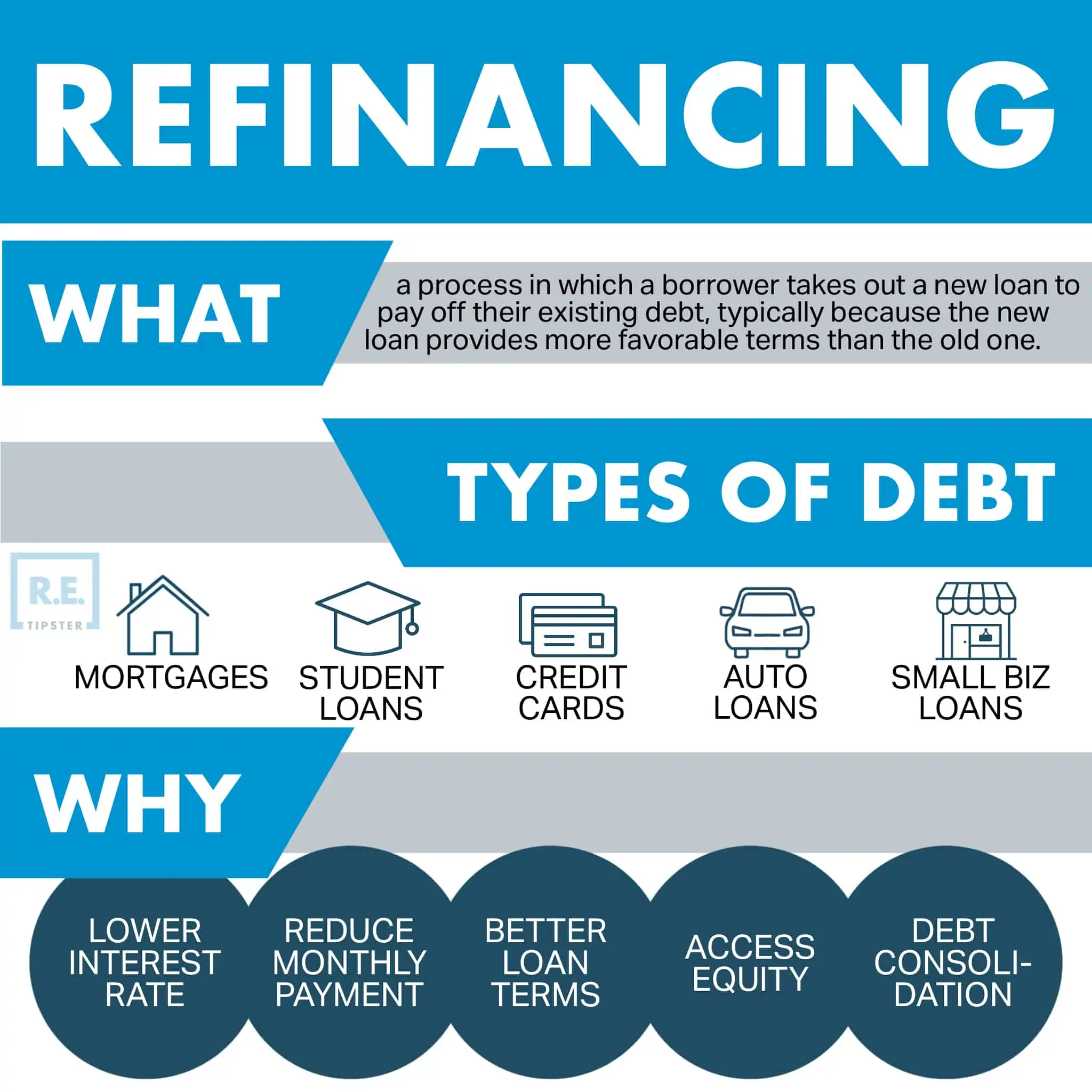
At its core, a cash-out refinance is a debt-restructuring mechanism. Unlike a standard rate-and-term refinance, which simply adjusts your interest rate or loan duration, a cash-out refinance increases your total principal balance. The difference between your old mortgage balance and the new, larger loan amount is disbursed to you as cash at the closing table.
To qualify, you must possess sufficient home equity. Lenders generally require you to retain a Loan-to-Value (LTV) ratio—the percentage of the property's appraised value that you owe—of 80% or less. This means that if your home is valued at $500,000, your total new mortgage, including the cash-out portion, generally cannot exceed $400,000.
Strategic Advantages in the Current Market
The decision to cash out refinance in 2026 is often driven by the need to optimize personal balance sheets. When inflationary pressures or rising costs of capital impact liquid savings, real estate equity serves as an accessible reserve.
- Debt Consolidation: If you carry high-interest consumer debt, such as credit card balances or personal loans, the interest rate on a cash-out refinance is typically significantly lower. By paying off these revolving debts, you lower your weighted average cost of capital and improve monthly cash flow.
- Capital Expenditure on Property: Reinvesting the proceeds into your home can provide a dual benefit. Renovations that modernize outdated systems, increase square footage, or improve energy efficiency can lead to property appreciation, effectively paying for the refinance costs over the long term.
- Emergency Liquidity and Investment: For those with limited liquid assets, accessing home equity provides a safety net or a pool of capital to fund life events or education expenses without liquidating taxable investment accounts, which could trigger capital gains liabilities.
Comparative Financial Analysis: Cash-Out Refinance vs. Alternatives
Before committing to a cash-out refinance, it is vital to compare it against other forms of leverage, such as Home Equity Lines of Credit (HELOCs) or Home Equity Loans.
| Feature | Cash-Out Refinance | HELOC | Home Equity Loan |
|---|---|---|---|
| Rate Type | Fixed (usually) | Variable | Fixed |
| Primary Use | Debt consolidation/Major repair | Flexible, ongoing expenses | Lump-sum expense |
| Closing Costs | High (2%–5% of loan) | Moderate/Low | Moderate |
| New Mortgage | Yes (Replaces current) | No (Second lien) | No (Second lien) |
If your current primary mortgage interest rate is significantly higher than 2026 market averages, a cash-out refinance is superior because you lower your interest burden across your entire housing debt. If your existing mortgage has an ultra-low historical rate, you may choose a secondary lien like a HELOC to avoid resetting your interest rate to current market levels.
Prerequisites and Eligibility Criteria
Securing a favorable cash-out refinance requires meeting specific lender benchmarks. In 2026, financial institutions continue to prioritize risk mitigation through three primary metrics:
- Credit Score: Most lenders require a minimum FICO score of 620 to 640. However, to obtain the most competitive interest rates, a score of 740 or higher is generally required.
- Debt-to-Income (DTI) Ratio: Lenders calculate your total monthly debt payments, including the proposed new mortgage payment, relative to your gross monthly income. A DTI ratio below 43% is the industry standard for conventional loans.
- Property Appraisal: A professional appraisal is mandatory to confirm the market value of your home. This value dictates how much cash you are eligible to withdraw, as the lender must ensure they remain within their internal LTV requirements.
Risks and Operational Limitations
While a cash-out refinance provides immediate liquidity, it is not without risks. The most significant danger is the erosion of home equity. By increasing your mortgage balance, you reduce your "cushion" should property values decline. Furthermore, you are extending the duration of your debt obligation. If you take out a new 30-year mortgage, you may be paying interest on the cash you withdrew for three decades.
Additionally, refinancing carries significant closing costs, including origination fees, appraisal fees, title insurance, and recording taxes. These expenses are often folded into the loan, meaning you pay interest on your closing costs over the life of the loan. Ensure your financial goals justify these upfront expenditures.
Step-by-Step Execution Plan
- Conduct a Needs Assessment: Define the exact purpose of the funds. If the intent is debt consolidation, ensure the interest rate differential provides a meaningful reduction in monthly payments.
- Review Your Credit Profile: Obtain your credit report to identify errors. A minor boost to your credit score can result in a lower interest rate, potentially saving thousands of dollars in interest over the loan term.
- Compare Multiple Lenders: Do not settle for the first offer. Request Loan Estimates (LE) from three different lenders. Review the Annual Percentage Rate (APR), which includes both the interest rate and the finance charges, to gain an accurate view of the total cost.
- Prepare Documentation: Gather your tax returns, W-2 forms, recent pay stubs, and mortgage statements. Providing a complete file to your lender early in the process prevents delays during the underwriting stage.
- Close and Verify: Upon approval, attend the closing to sign the documents. Ensure the disbursement amount matches your expectations and the "Cash to Borrower" line on your Closing Disclosure.
Frequently Asked Questions
Does a cash-out refinance affect my tax return? Generally, the cash you receive from a refinance is not considered income and is therefore not taxable. However, the interest you pay on the new loan may be tax-deductible only if the funds were used specifically to buy, build, or substantially improve the home that secures the loan, subject to IRS limits on total mortgage debt. Consult a tax professional regarding your specific situation.
What is the minimum equity I need? Most conventional lenders require you to keep at least 20% equity in the home. If you have less than 20% equity, you may be required to pay Private Mortgage Insurance (PMI), which increases your monthly costs.
Can I use a cash-out refinance for any purpose? Yes. Unlike a specialized home improvement loan, a cash-out refinance provides cash that you can use at your discretion, including debt payoff, business investments, or medical bills.
How long does the process take? In 2026, the typical timeline from application to funding is between 30 and 45 days. Variables such as the complexity of the appraisal and the speed of your documentation submission will dictate the actual duration.
Should I refinance if I plan to move soon? Generally, no. If you plan to sell your home within a few years, the closing costs associated with a cash-out refinance may not be fully recouped, making it a net-negative financial decision.
Final Recommendation
A cash-out refinance is a powerful instrument for financial leverage, but it should be approached with caution. Before proceeding, calculate the "break-even point"—the time it takes for your monthly savings or investment returns to surpass the cost of the closing fees. If you have substantial high-interest debt or a high-return investment opportunity that justifies the cost of capital, initiate a search for local and national lenders today to compare their current APR offerings.
Image Gallery