Understanding the Nike Logo Side on Shoes: Design, Placement, and Authentication
The Nike logo, known globally as the "Swoosh," is strategically placed on the side of almost every Nike shoe. This iconic positioning serves as a core element of the brand's visual identity, acting as both a functional design feature a...
The Nike logo, known globally as the "Swoosh," is strategically placed on the side of almost every Nike shoe. This iconic positioning serves as a core element of the brand's visual identity, acting as both a functional design feature and a primary marker for product identification. Understanding how and why the Swoosh is positioned on footwear can help consumers distinguish between various models and verify the authenticity of their sneakers.
Contents
The Origin and Evolution of the Swoosh Placement
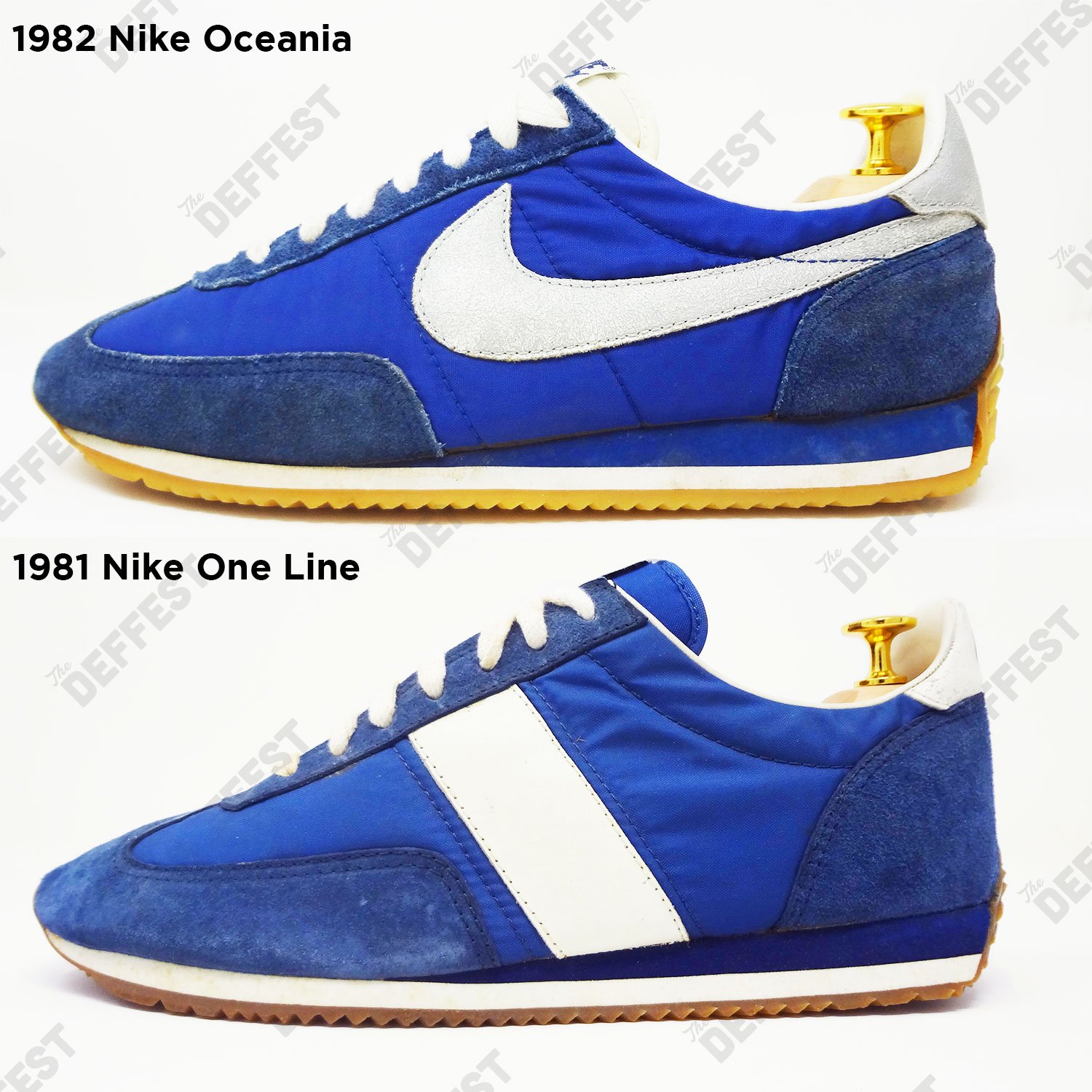
The Swoosh was designed in 1971 by Carolyn Davidson, a graphic design student at Portland State University. Since its inception, the logo has been inextricably linked to the side profile of Nike footwear. While the logo occasionally appears on the tongue, heel, or midsole of various silhouettes, the lateral (outer) side remains the most consistent location.
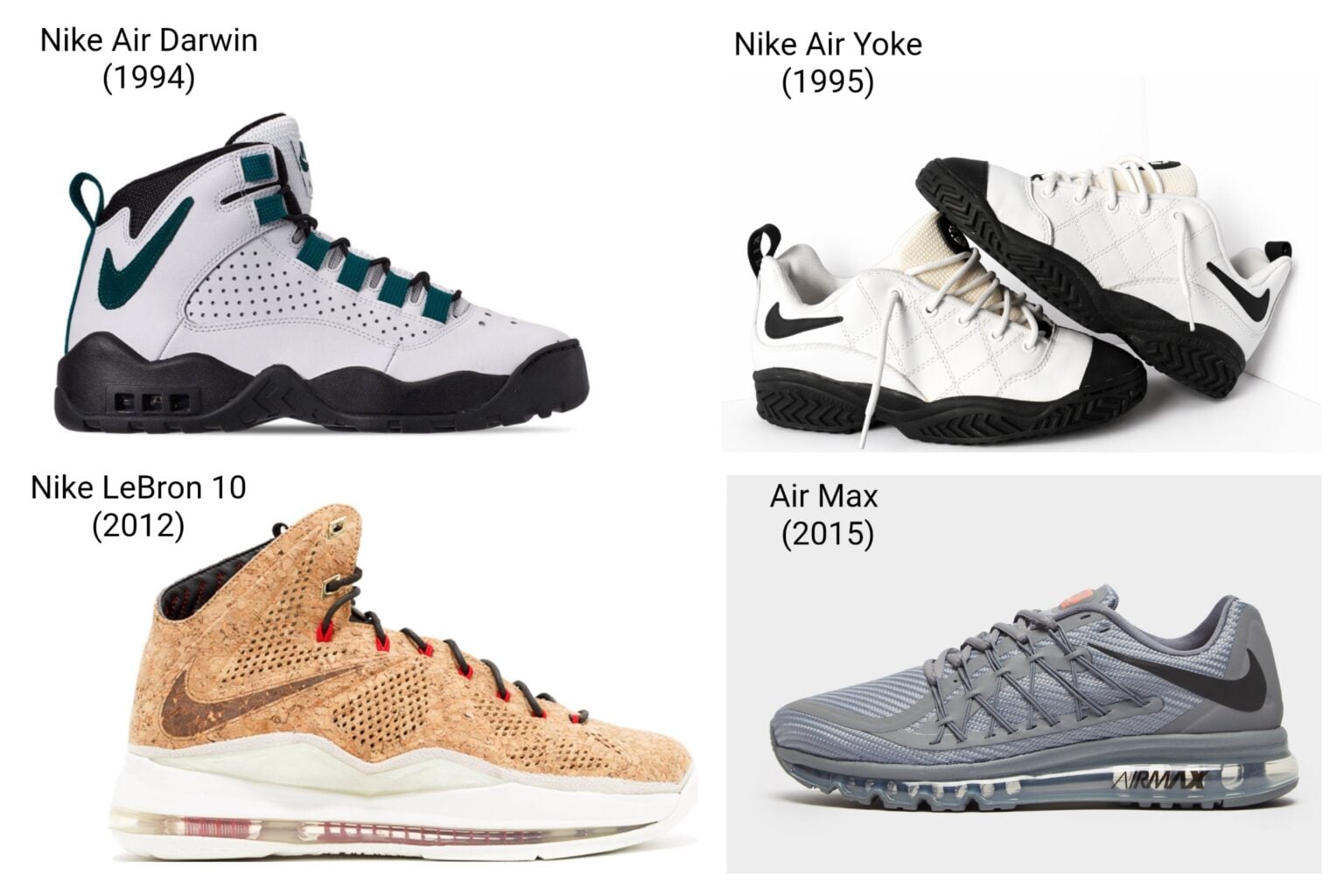
The primary purpose of the side-placement is brand recognition. In the competitive athletic footwear market, the lateral side is the most visible area of the shoe when a person is in motion or walking. By placing the Swoosh there, Nike ensures that the brand remains immediately identifiable from a distance. Over the decades, the design has evolved from the slim, minimalist Swoosh seen on the early Cortez models to the oversized, bold iterations found on contemporary lifestyle shoes like the Nike Blazer or the Air Force 1.
Design Variations and Technical Considerations
The "side" of a shoe is not a singular point; it involves complex geometry, including the quarter panel, the heel counter, and the transition toward the midsole. The Swoosh is often integrated directly into the upper material—using leather, synthetic, or mesh—or applied as an overlay.
- The Classic Overlay: In many traditional performance models, the Swoosh is an overlay sewn onto the quarter panel. This adds structural integrity to the side of the shoe, helping to lock the foot in place during lateral movements.
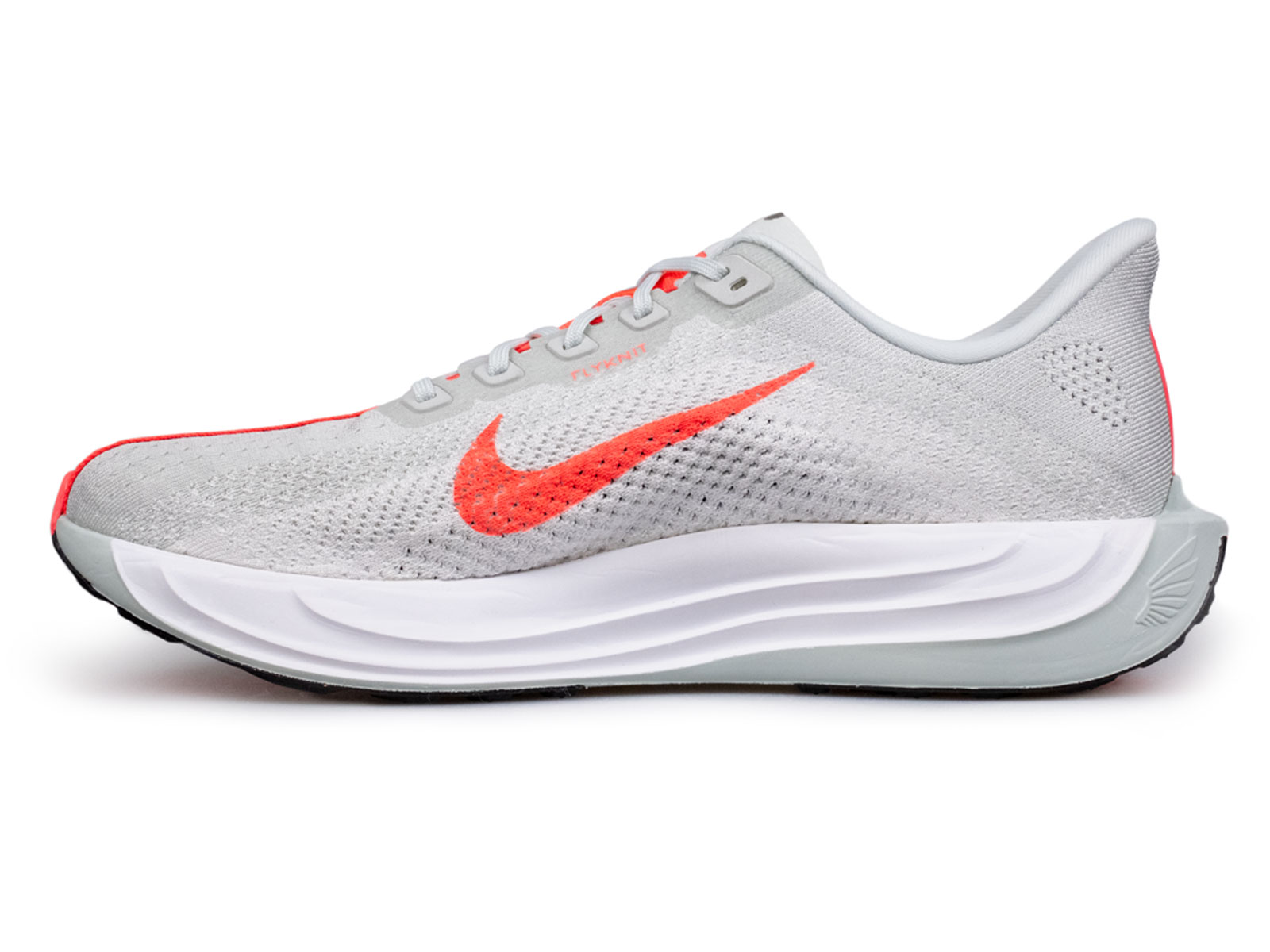
- Embroidered and Printed: In lightweight running shoes or lifestyle knit models, the logo may be embroidered or printed directly onto the fabric to save weight and reduce the number of seams.
- Cut-out and Inset: Some modern designs feature a "jewel" Swoosh or an inset design where the logo is recessed into the material, providing a tactile, three-dimensional effect.
The specific placement on the side panel is rarely arbitrary. Nike’s design team considers the ergonomics of the foot; the Swoosh often follows the natural arch or contours of the shoe to ensure that it does not cause friction or discomfort during high-intensity activity.
Using Side Logo Placement for Authentication
Because the Swoosh is the most recognizable trademark in the footwear industry, counterfeiters frequently struggle to replicate its precise placement and proportions. When evaluating a pair of shoes for authenticity in 2026, the side logo is one of the first areas experts inspect.
- Symmetry and Alignment: On an authentic pair, the Swoosh should be symmetrical across both the left and right shoes. The tail of the Swoosh should terminate at a consistent point relative to the heel tab.
- Stitching Quality: If the logo is an overlay, the stitching around it should be tight, uniform, and free of loose threads. On modern factory-manufactured goods, uneven or "wavy" stitching around the Swoosh is often an indicator of lower-quality imitation products.
- Proportions: The curve, the "hook" at the front, and the taper at the tail are strictly standardized. Counterfeit versions often exhibit a "bloated" or incorrectly angled Swoosh that does not match the specific model's historical specs.
- Material Integration: Ensure the logo is flush with the side panel. If the material of the logo appears to be bubbling or peeling away from the base layer unexpectedly, it may suggest poor manufacturing standards inconsistent with official Nike quality control (QC).
Comparison of Swoosh Styles by Shoe Type
| Shoe Category | Typical Side Logo Style | Primary Functional Benefit |
|---|---|---|
| Performance Running | Printed or Thin Overlay | Minimizes weight and friction |
| Basketball (Classic) | Stitched Leather Overlay | Provides structural mid-foot support |
| Lifestyle/Retro | Oversized or Contrast Stitched | Focuses on aesthetic branding |
| Specialized Turf/Soccer | Aggressive, Tapered Design | Designed for high-speed aerodynamics |
Common Questions Regarding Nike Side Logos
Why does the Swoosh size vary between different Nike models? The size of the logo is dictated by the design language of the specific shoe. A minimalist running shoe requires a subtle logo to maintain a sleek silhouette, whereas "chunky" retro models from the 1990s often feature larger, more prominent Swooshes to match the shoe’s overall volume.
Can the Swoosh on the side of the shoe be removed or customized? While some consumers choose to remove or "deconstruct" the Swoosh for custom artistic projects, doing so usually compromises the structural integrity of the upper. Additionally, altering the logo voids any warranty or consumer protections provided by the manufacturer.
Is it normal for the Swoosh to be positioned differently on the inner side (medial) of the shoe? Yes. Many performance shoes utilize a "split" design where the lateral side features a large, bold Swoosh, while the medial side features a smaller or entirely different graphic. This is often done to reduce material bulk on the inside of the foot, which is where the foot experiences the most flexion.
How do I clean a white Swoosh on the side of a shoe without damaging the logo? To clean the logo area, use a mild soap and water solution with a soft-bristled brush. If the logo is a leather overlay, avoid harsh chemical cleaners that can dry out the material or cause the edges to fray. Always wipe dry with a microfiber cloth immediately after cleaning to prevent water spotting.
Do all Nike shoes have a Swoosh on the side? The vast majority do, but there are notable exceptions. Some highly experimental NikeLab or collaborative releases may hide the Swoosh or use a very subtle debossed logo rather than a high-contrast overlay. If a shoe is marketed as a Nike product and lacks a clear logo, it is essential to check the official Nike product catalog for that specific SKU to verify if it is a "logo-less" design.
Next Steps for Product Verification
If you are concerned about the authenticity of your footwear, the best next step is to perform a cross-reference check. Locate the style code (a nine-digit number usually found on the size tag inside the shoe) and search for that exact code on the official Nike website or reputable, verified retailer databases. Compare the product photos provided by the official source to the physical shoe in your possession. Pay close attention to the positioning of the Swoosh relative to the lace eyelets, the midsole, and the heel reinforcement. If the placement differs significantly from official images, consult a professional sneaker authentication service or return the product through the vendor's official consumer protection channels.
Image Gallery