Understanding Foundation Repair Dacula GA Options for Homeowners
When addressing foundation distress in Dacula, Georgia, homeowners must navigate a specific set of geological and construction variables, primarily involving red clay soil and moisture-related expansion. Effective solutions typically i...
When addressing foundation distress in Dacula, Georgia, homeowners must navigate a specific set of geological and construction variables, primarily involving red clay soil and moisture-related expansion. Effective solutions typically involve professional stabilization techniques such as underpinning with steel piers, slab jacking, or moisture barrier installation, which require site-specific structural engineering evaluations to ensure long-term stability and code compliance.
Contents
The Geological Context of Dacula Foundations
Dacula, located in Gwinnett County, is characterized by its heavy clay-rich soil composition. While this soil is stable when dry, it is highly expansive. When moisture levels shift significantly due to Georgia's seasonal rainfall and drought cycles, the soil volume changes, exerting immense pressure on residential foundations. This "heave and shrink" cycle is the primary driver of foundation failure in the area.
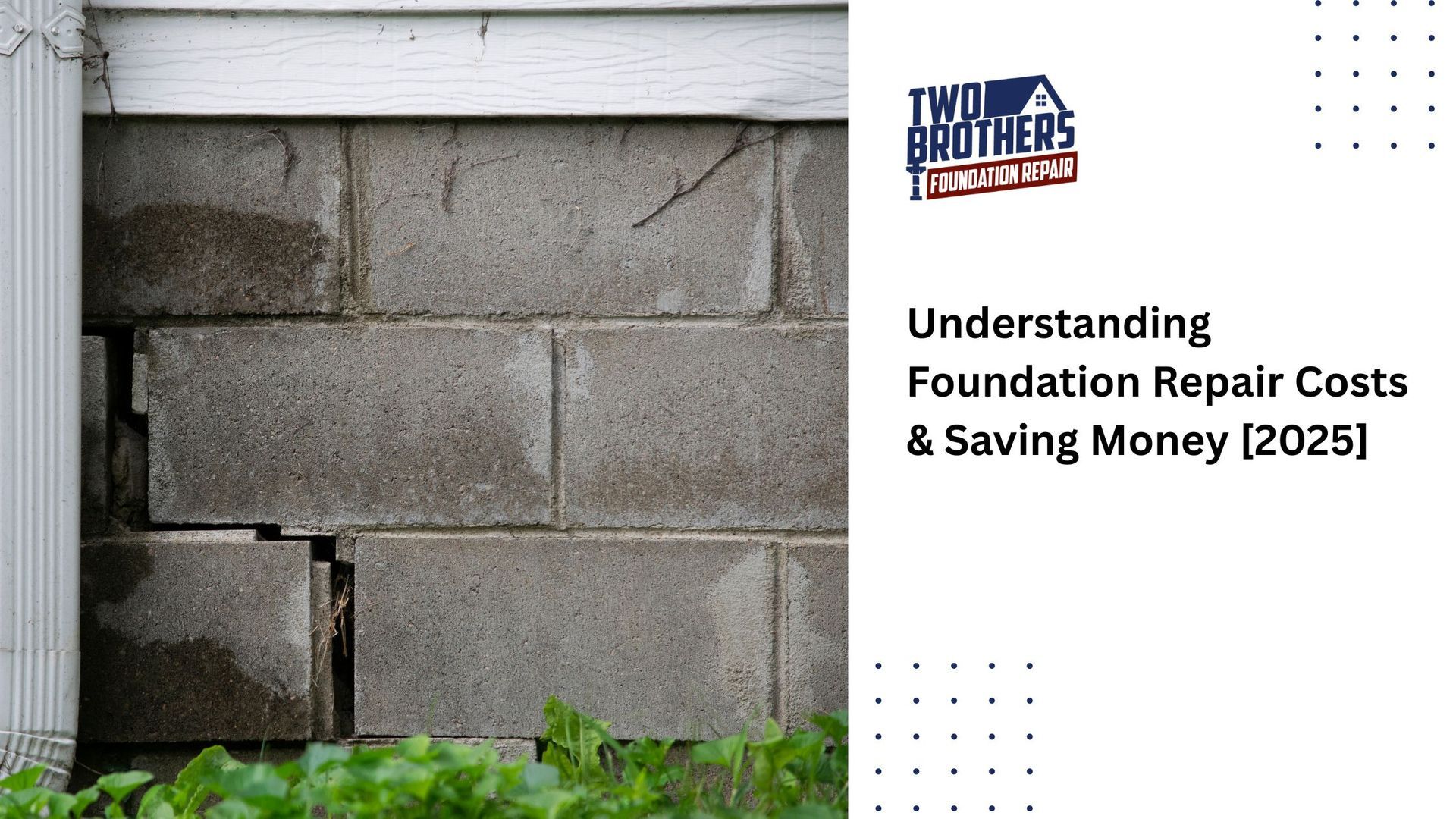
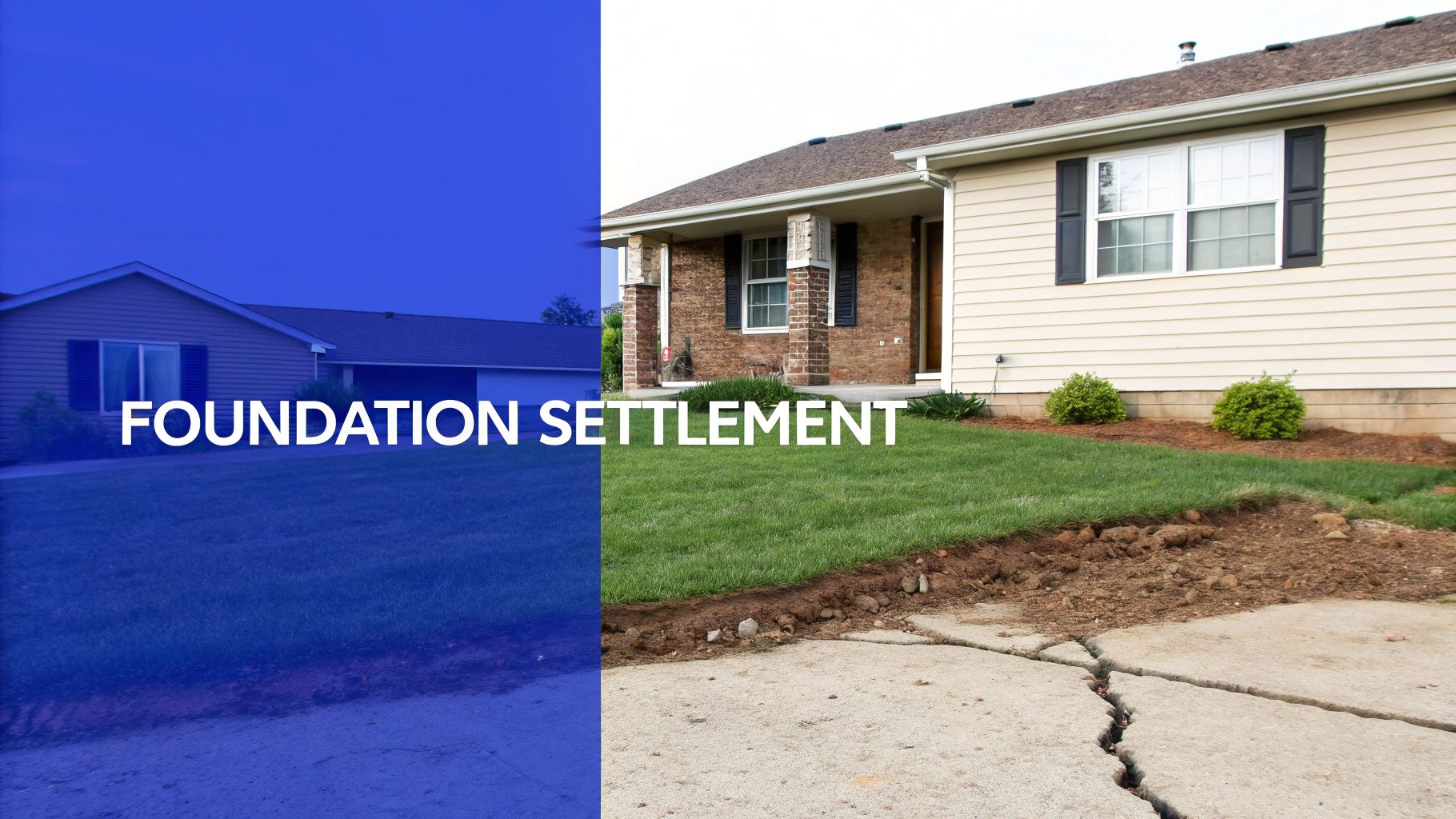
Before selecting a repair method, you must understand that the problem rarely originates in the concrete itself, but rather in the interaction between the soil and the footing. Foundation cracks, sticking doors, and uneven floors are usually symptoms of differential settlement caused by this soil movement.
Common Foundation Repair Methods in Gwinnett County
There is no "one-size-fits-all" remedy for foundation issues. The appropriate solution depends on whether the structure is built on a crawlspace, a basement, or a concrete slab.
1. Underpinning with Steel Piers
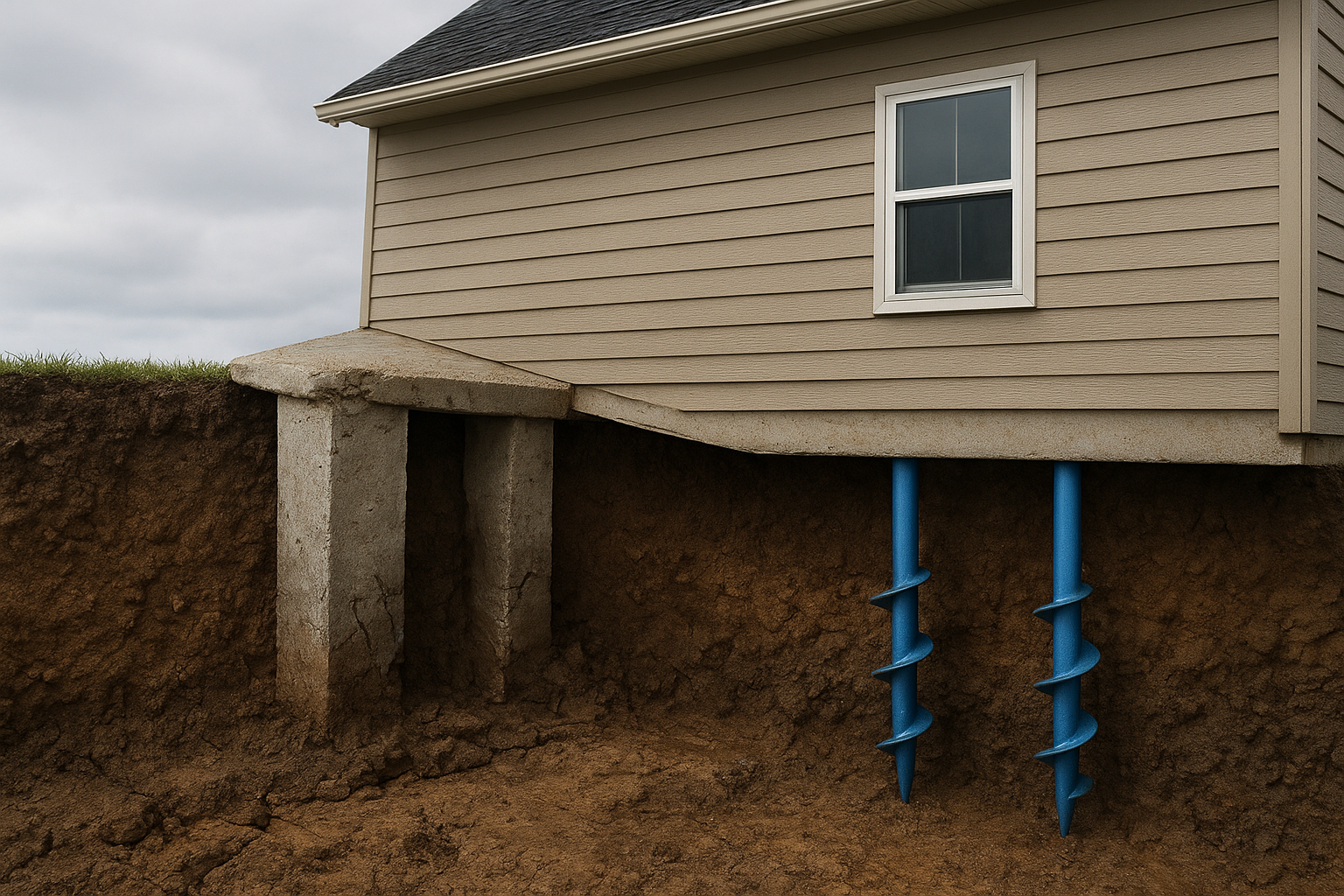
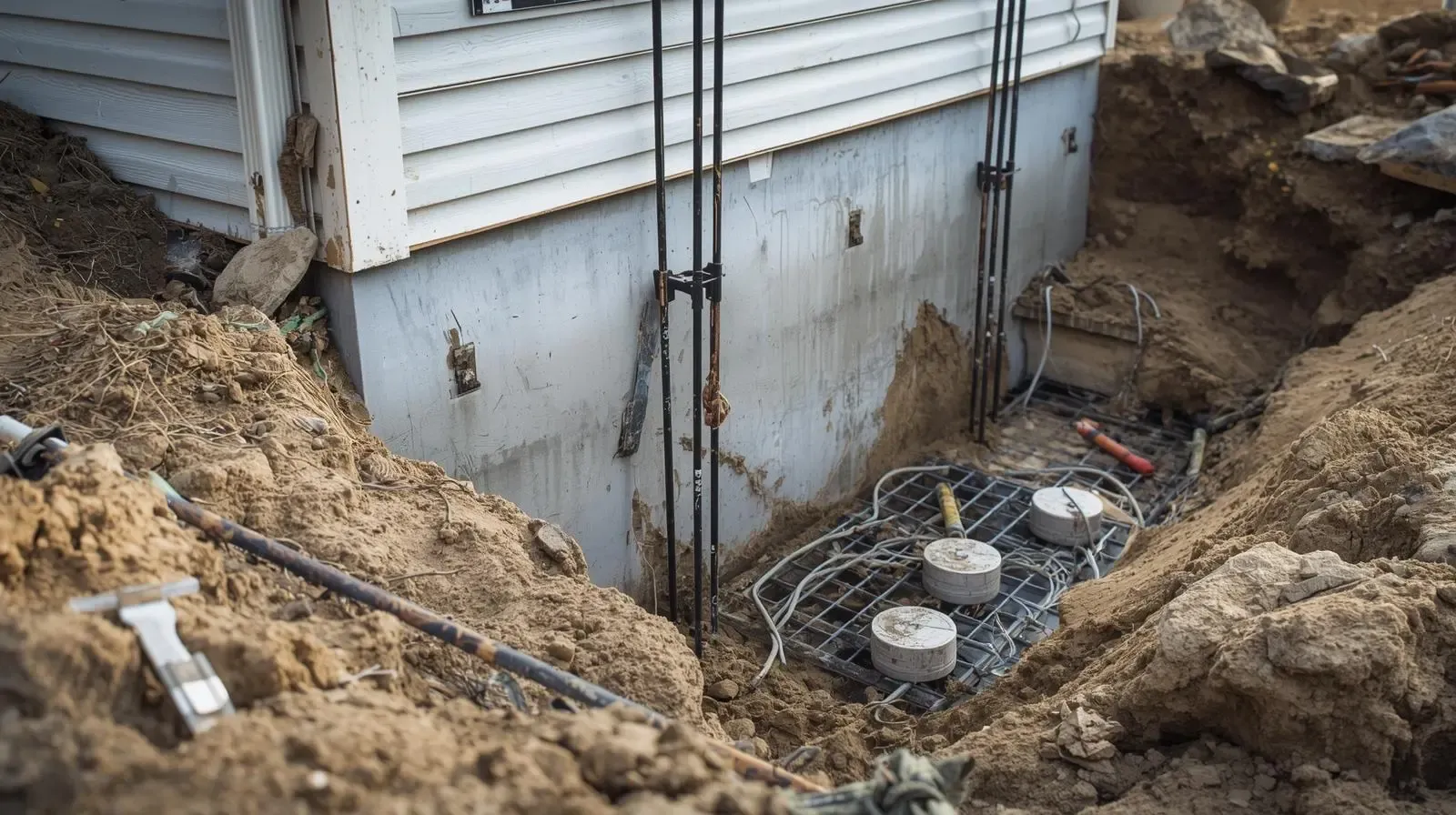
For homes experiencing significant sinking or differential settlement, steel piers—specifically push piers or helical piers—are the gold standard.
- How it works: Heavy-duty steel supports are driven deep into the ground until they hit load-bearing strata (bedrock or very dense soil layers) below the active clay zones. The home’s weight is then transferred to these piers.
- Best for: Homes with severe settlement, sinking corners, or structural cracks in masonry.
2. Slab Jacking (Pressure Grouting)
If a concrete slab floor has cracked or settled, slab jacking is often used to lift the concrete back to its original position.
- How it works: A specialized slurry or polyurethane foam is injected through small, drilled holes in the slab. As the material expands or fills the void, it exerts upward pressure, lifting the slab.
- Best for: Interior floor slabs that have settled but do not require deep stabilization.
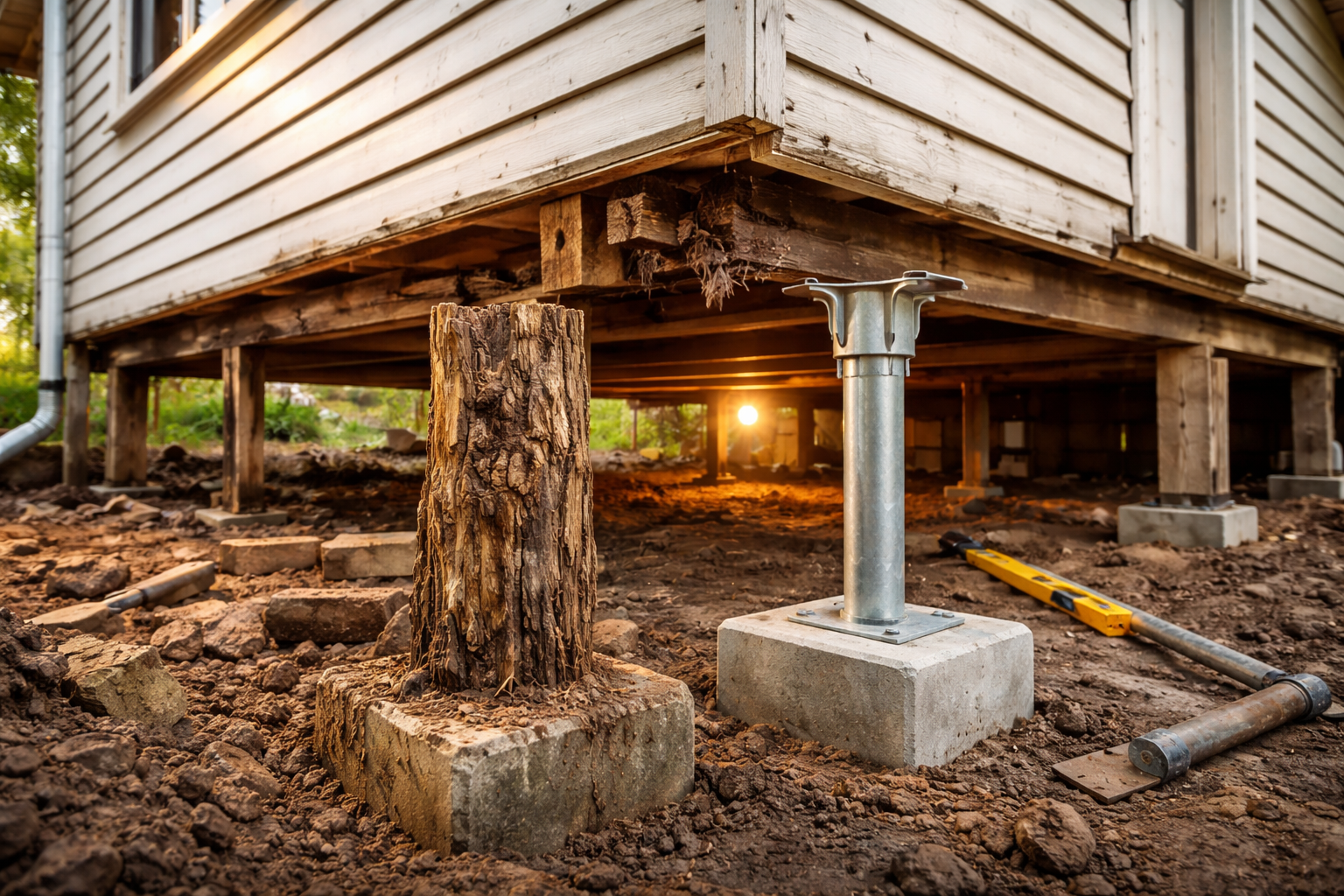
3. Crawlspace Stabilization
Many older homes in the Dacula area feature crawlspaces with interior supports that have rotted or settled over time.
- How it works: Adjustable steel support jacks are installed on top of new or reinforced concrete footings to bolster sagging floor joists.
- Best for: Homes with "bouncy" floors, sagging interior partitions, or failing wood posts.
Comparison Table: Foundation Repair Techniques
| Method | Primary Function | Ideal Application | Durability |
|---|---|---|---|
| Steel Piers | Structural Support | Major Settlement | Permanent |
| Slab Jacking | Slab Leveling | Cosmetic/Minor Sink | Moderate |
| Crawlspace Jacks | Floor Support | Sagging Joists | Long-term |
| Drainage Systems | Moisture Control | Hydrostatic Pressure | Preventive |
Prerequisites for Professional Repair
Before signing a contract with a foundation repair company, homeowners should ensure they are not being sold unnecessary work. The following steps are recommended:
- Independent Assessment: Consult a structural engineer who is not affiliated with a repair contractor. In the state of Georgia, a licensed Professional Engineer (P.E.) can provide an unbiased report detailing exactly what is failing and why.
- Drainage Evaluation: Often, the root cause of foundation failure in Dacula is poor water management. Ensure gutters are clean, downspouts are extended at least 5–10 feet away from the home, and the grading slopes away from the foundation. Addressing drainage may stabilize the movement without needing expensive piers.
- Permitting: In Gwinnett County, structural foundation repairs typically require a building permit. Verify that your chosen contractor will handle the permitting process and that the work will be subject to a municipal inspection.
Identifying the Signs of Failure
Early detection is vital to limiting the cost of repairs. Monitor your home for these indicators:
- Step-cracks: Diagonal cracks in brick or mortar joints (often appearing in a "stair-step" pattern) are a strong indicator of shifting foundations.
- Door and Window Alignment: Doors that swing open on their own or become difficult to latch suggest that the door frame has shifted out of square.
- Floor Gaps: A separation between the baseboard and the floor indicates the floor system has dipped or the exterior wall has rotated outward.
Navigating Costs and Estimates
Repair costs vary significantly based on the number of piers required, the depth of the strata, and the ease of access to the work area. As of 2026, most local contractors provide free inspections, but they may charge for a detailed engineered proposal.
Be wary of "discount" repairs. Foundation work is high-stakes; if the piers are not installed to the correct depth or if the slurry is not injected properly, the problem will return. Ensure that the company provides a transferable warranty, which is an essential asset if you plan to sell your home. A warranty tied only to the original owner is significantly less valuable.
Frequently Asked Questions
Does a crack in my basement wall mean my foundation is failing? Not necessarily. Hairline cracks are often the result of concrete curing (shrinkage) and are usually harmless. However, horizontal cracks, or cracks that are wider than 1/4 inch, suggest structural pressure from soil and require an expert inspection.
Can I fix my foundation myself? Foundation repair involves complex structural calculations and heavy equipment. It is not a recommended DIY project. Improper installation can result in secondary damage to your home’s framing and invalidate future insurance claims.
How do I know if I need a structural engineer? If a contractor recommends lifting your entire home or installing a large number of piers (exceeding 5–8), you should always have a third-party structural engineer verify the scope of work.
What is the "active zone" in Dacula soil? The active zone is the layer of soil near the surface that experiences moisture changes. Piers must be installed deeper than this zone to ensure the house is anchored in soil that does not expand or contract regardless of the weather.
Does insurance cover foundation repair? Standard homeowner’s insurance policies in Georgia typically exclude "earth movement," including soil expansion. Unless the damage is specifically tied to a covered peril like a burst plumbing pipe that caused the soil to erode, you will likely be responsible for the full cost of the repair.
Final Recommendation
If you suspect foundation issues in Dacula, start by auditing your property's drainage. If water is pooling against your foundation, correct the grade and downspout extensions first. If you observe active, widening cracks, contact a licensed, bonded, and insured foundation repair specialist for an inspection. Prioritize firms that provide a structural engineer’s stamped plan and a lifetime, transferable warranty.
Image Gallery