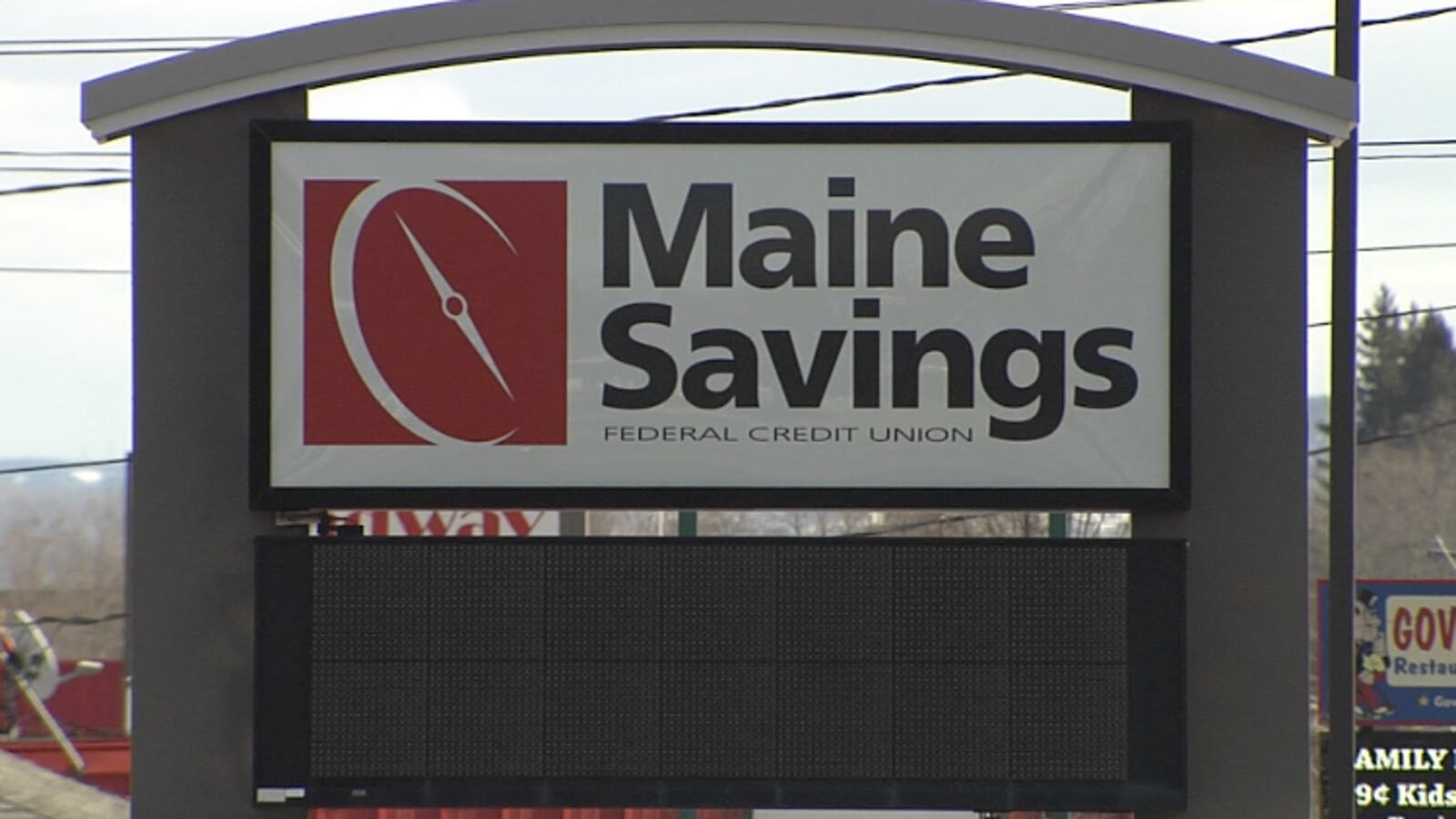
A Comprehensive Guide to Banking at the Lincoln Maine Federal Credit Union in Lincoln, ME
Banking at the Lincoln Maine Federal Credit Union in Lincoln, ME, involves navigating a community-focused financial institution that operates under a member-owned cooperative structure. Members can access standard personal and business...
Banking at the Lincoln Maine Federal Credit Union in Lincoln, ME, involves navigating a community-focused financial institution that operates under a member-owned cooperative structure. Members can access standard personal and business banking services, including savings accounts, checking options, and lending products, primarily through their local branch operations and integrated digital banking platforms.
Contents
Understanding the Credit Union Difference
The Lincoln Maine Federal Credit Union functions fundamentally differently than a commercial, for-profit bank. As a federal credit union, it is a not-for-profit financial cooperative. This means that when you open an account, you are not merely a customer; you are a member-owner. The institution is governed by a volunteer board of directors elected by the membership.
In the context of the Lincoln branch, this cooperative structure often translates into a distinct service model. Profits are typically returned to members in the form of lower interest rates on loans, higher yields on savings products, or reduced fee structures. For residents of Lincoln and the surrounding Penobscot County area, this often provides a localized alternative to the larger national banking chains, focusing on community reinvestment and personalized financial service.
Membership Eligibility and Requirements
Before you can utilize the banking services at the Lincoln Maine Federal Credit Union, you must satisfy membership requirements. Federal credit unions are defined by a "field of membership," which specifies who is eligible to join based on their location, employer, or association.
To bank at the Lincoln location, you typically must:
- Reside or Work: Demonstrate that you live, work, worship, or attend school in the designated service area, which centers on the town of Lincoln and its immediate surrounding communities.
- Open a Share Account: Membership is established by opening a "share savings account." This is the foundational account that represents your ownership stake in the credit union. A small, minimum deposit—often as low as $5—is usually required to open this account and maintain active membership status.
- Verification: You will need to provide valid, government-issued photo identification (such as a driver’s license or state ID), a social security number, and proof of address.
Core Banking Services Available
Once membership is established, you gain access to a suite of financial tools designed to support personal and professional banking needs.
Transactional Accounts
- Share Draft (Checking) Accounts: These accounts allow for day-to-day spending, often including features like debit card access, online bill pay, and overdraft protection. Unlike many national banks, credit union checking accounts are often structured to minimize monthly maintenance fees.
- Share Savings Accounts: These are interest-bearing accounts that help members build their "rainy day" funds. Dividends are paid periodically based on the credit union’s performance and current interest rate environment.
Lending and Credit Products
The Lincoln Maine Federal Credit Union provides various loan products to help members finance significant life events.
- Consumer Loans: This category includes auto loans, personal loans for debt consolidation or unexpected expenses, and recreational vehicle loans.
- Mortgage and Real Estate Lending: Depending on current institutional offerings, members may access residential mortgage products. It is important to consult with a loan officer at the Lincoln branch to understand the specific underwriting criteria, which are often more flexible than those of commercial lenders.
Comparison of Banking Services
The following table provides a general overview of the features and expectations for members considering services at a community-based credit union versus a traditional national bank.
| Feature | Lincoln Maine Federal Credit Union | Large Commercial Bank |
|---|---|---|
| Ownership | Member-owned (Cooperative) | Shareholder-owned |
| Primary Goal | Member service and reinvestment | Profit generation for shareholders |
| Fee Structure | Generally lower, community-focused | Varies; often higher for non-premiums |
| Personalization | High; community-based staff | Often standardized; corporate model |
| Technology | Integrated digital/mobile banking | Extensive, high-end digital ecosystem |
Utilizing Digital Banking Platforms
As of 2026, even community-based institutions like the Lincoln Maine Federal Credit Union provide robust digital interfaces. While the physical branch in Lincoln remains the hub for complex transactions and in-person consultations, the digital platform serves as the primary tool for daily management.
Members can expect to find:
- Mobile Remote Deposit Capture: The ability to deposit paper checks by taking a photograph via a smartphone application.
- Electronic Bill Payment: Automating monthly recurring payments to utility companies or other creditors.
- Card Controls: Modern digital tools that allow members to lock or unlock their debit cards instantly if they are misplaced, providing a layer of security that was not available in previous years.
Practical Steps for New Members
If you are relocating to the Lincoln area or seeking to switch financial institutions, follow these steps to ensure a smooth transition:
- Visit the Branch: Start by visiting the Lincoln branch to speak with a member services representative. This is the most efficient way to discuss your specific financial needs and verify that your eligibility status is confirmed.
- Review the Fee Schedule: Every financial institution publishes a fee schedule. Request the most current version. While credit unions are known for lower fees, transparency is essential for effective budget management.
- Initiate the Switch: If you are moving your primary banking, obtain a checklist of your automated payments and direct deposits. You will need to update your employer with the new routing and account number to ensure your paycheck is deposited into your new share draft account.
- Link Digital Services: After opening your account, register for the mobile app immediately. Verify your login credentials and set up security alerts to monitor account activity in real-time.
Common Pitfalls and Troubleshooting
New members sometimes encounter friction regarding transfer limits or account holds. When depositing large checks, particularly those from non-local institutions, the credit union may place a "hold" on the funds to verify the transaction. This is a standard regulatory practice to protect the institution and the membership from fraud.
If you encounter issues with a transaction:
- Check Transaction Status: Review your online portal to see if the transaction is "pending" or "declined."
- Contact Member Services: Do not hesitate to call the branch. Speaking with a local representative is significantly more effective than attempting to resolve issues through a generic corporate call center, which may not exist for this specific credit union.
- Understand Hold Policies: Familiarize yourself with the credit union's funds availability policy, which explains when deposited funds will be made available for withdrawal.
Frequently Asked Questions
Is my money safe at the Lincoln Maine Federal Credit Union? Yes. Your funds are protected by the National Credit Union Administration (NCUA). The NCUA is the federal agency that regulates federal credit unions, and it provides insurance coverage for member deposits up to $250,000 per depositor, per insured credit union, for each account ownership category. This is the credit union equivalent of FDIC insurance for banks.
Do I have to live in Lincoln to be a member? Eligibility is based on the field of membership, which typically encompasses the local community. If you work or live within the geographic boundaries defined by the credit union’s charter, you are likely eligible. You should contact the branch to confirm if your specific residential address qualifies under their current guidelines.
Does the credit union offer business banking? Many federal credit unions provide business accounts, including commercial checking and lending services tailored for local small businesses. You should inquire directly at the Lincoln location about the specific business documentation required, such as articles of incorporation or business tax IDs, before visiting.
Can I use ATMs while traveling? Credit unions often participate in shared branching and ATM networks. This allows members to use ATMs belonging to other credit unions without incurring surcharges. You should ask your local representative which ATM networks they participate in to minimize costs while traveling outside of the Lincoln, ME area.
What is the difference between a share account and a savings account? In credit union terminology, these are often used interchangeably. A "share" account signifies your ownership share in the credit union. Technically, your deposit makes you a partial owner of the cooperative, which is why your savings are referred to as "shares" rather than just a balance.
Recommended Next Steps
To begin your relationship with the Lincoln Maine Federal Credit Union, contact the office directly to schedule a brief appointment. Bringing all necessary identification and proof of residence to your first visit will streamline the account opening process. Once your account is active, set up your online portal access to maintain control over your finances. If you intend to seek a loan, bring recent pay stubs and documentation of your current debts to your initial consultation to help the loan officer provide accurate, personalized guidance.
Image Gallery