Understanding How Captable.io Serves as a Free Cap Table Management Tool
Captable.io provides a digital infrastructure for startups to manage equity ownership, track capitalization tables, and simulate financing rounds without immediate cost. By offering a freemium model, the platform allows founders to mai...
Captable.io provides a digital infrastructure for startups to manage equity ownership, track capitalization tables, and simulate financing rounds without immediate cost. By offering a freemium model, the platform allows founders to maintain an accurate, shareable record of company ownership, stock options, and convertible instruments as they navigate early-stage growth and seed-level fundraising.
Contents
The Role of Cap Table Management in Startup Operations
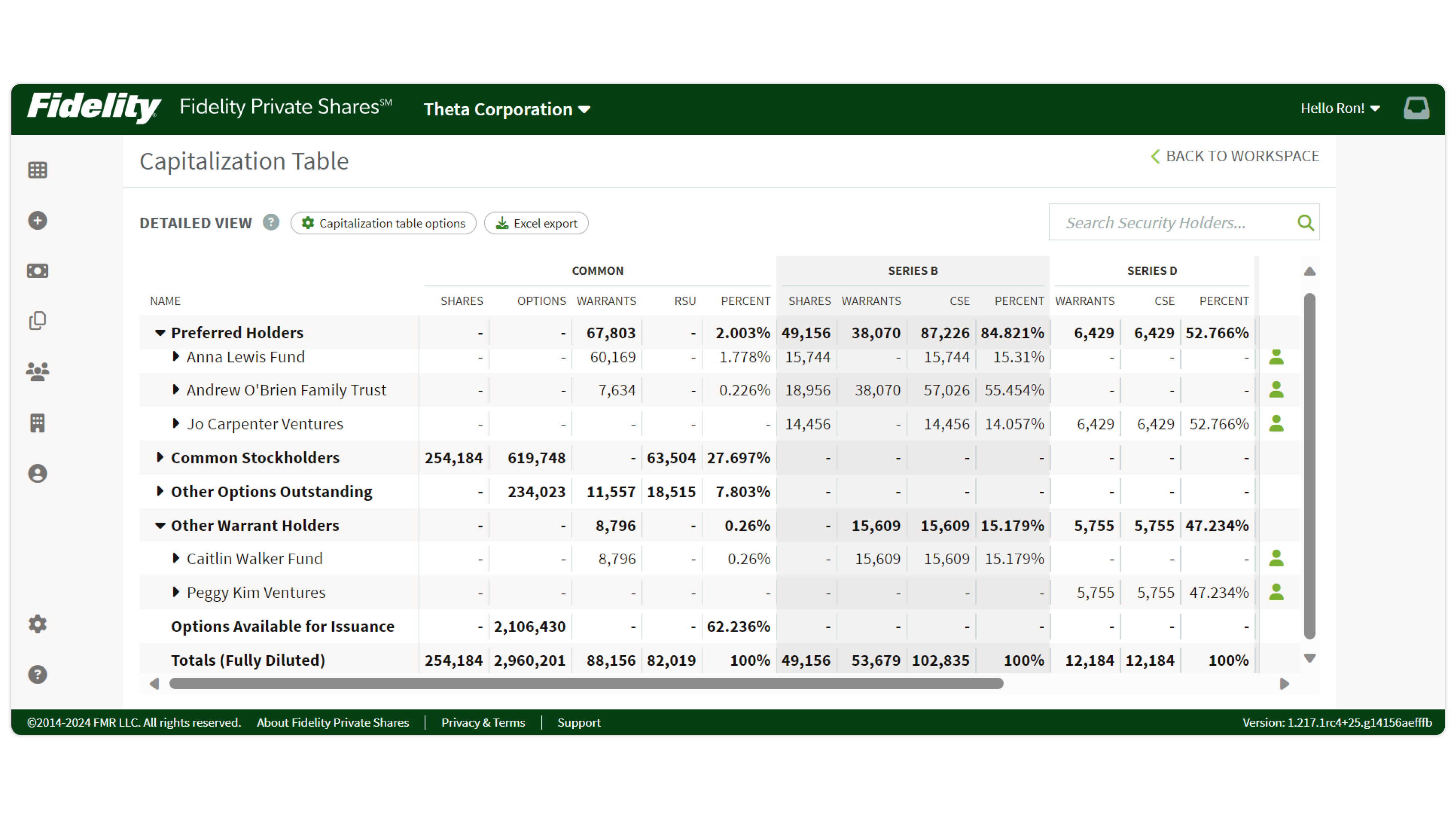
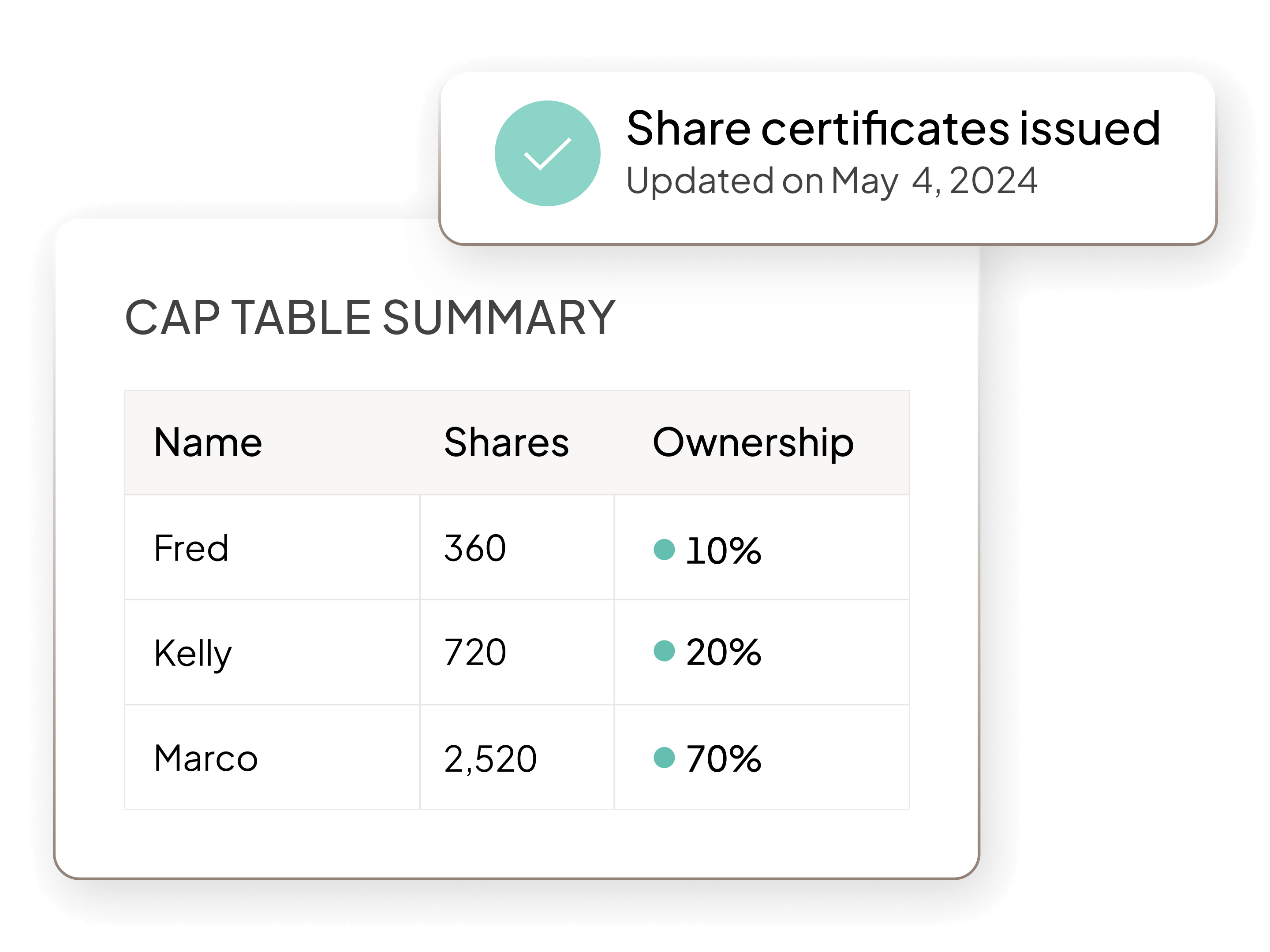
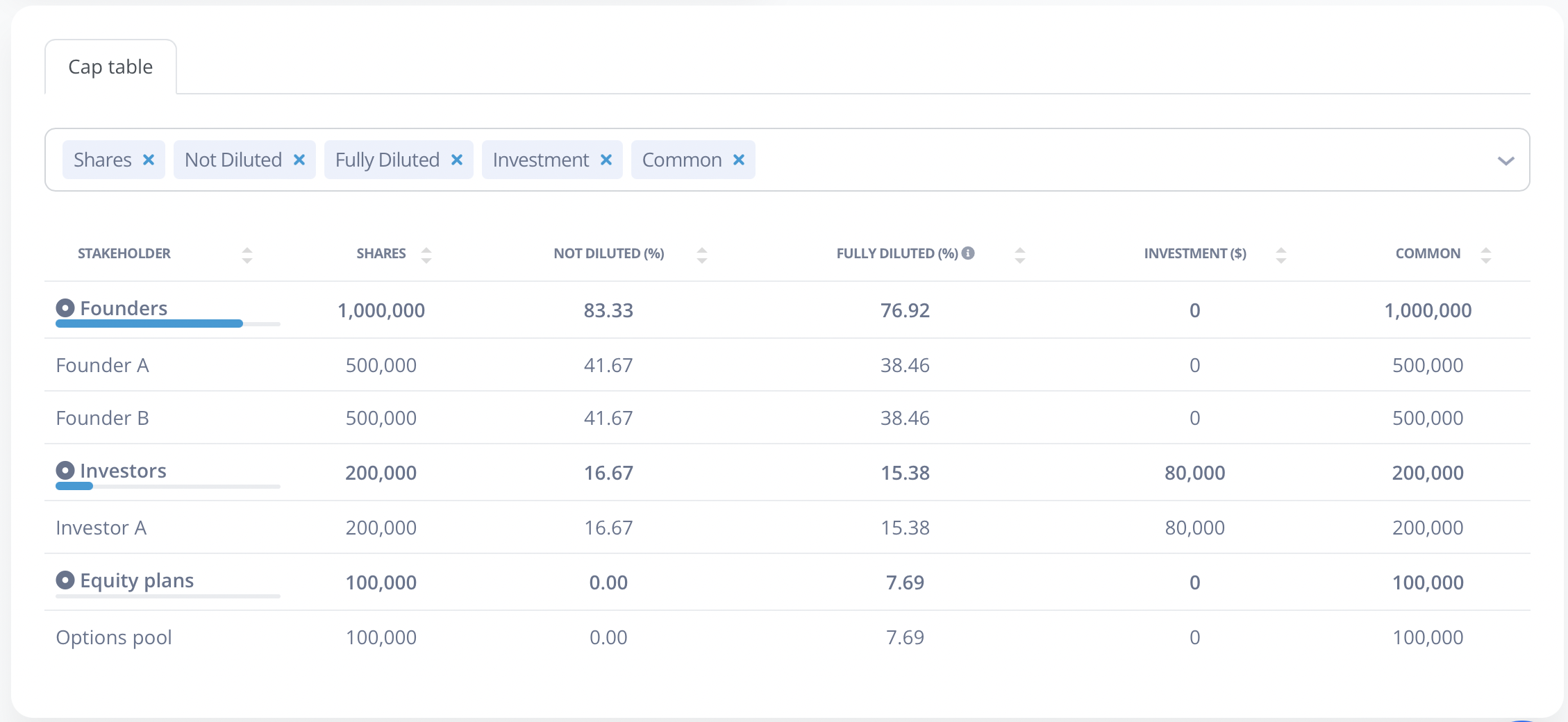
A capitalization table, commonly known as a "cap table," is the foundational ledger of a company's equity ownership. It lists every stakeholder, the type of security they hold, the percentage of ownership, and the value of their investment. As a company moves from incorporation to Series A and beyond, this document becomes increasingly complex, incorporating employee stock option pools (ESOPs), convertible notes, SAFEs (Simple Agreements for Future Equity), and warrant structures.
Managing this manually via spreadsheets is a common practice during the pre-seed phase but introduces significant risk as the number of stakeholders grows. Errors in calculating dilution or misstating preference stacks can lead to disastrous consequences during due diligence. Captable.io acts as a centralized repository that automates these calculations, ensuring that founders have a "single source of truth" that is compliant with standard venture capital expectations.
Why Startups Choose a Specialized Management Tool
The transition from a static spreadsheet to a specialized platform is typically driven by the need for accuracy and professional reporting. When investors perform due diligence, they expect to see a cap table that reflects the full history of the company's equity issuances.
Captable.io facilitates this by providing:
- Version Control: Unlike a local Excel file, cloud-based cap tables allow for secure access by authorized stakeholders and legal counsel.
- Audit Trails: Changes to the cap table are logged, which is critical for legal transparency.
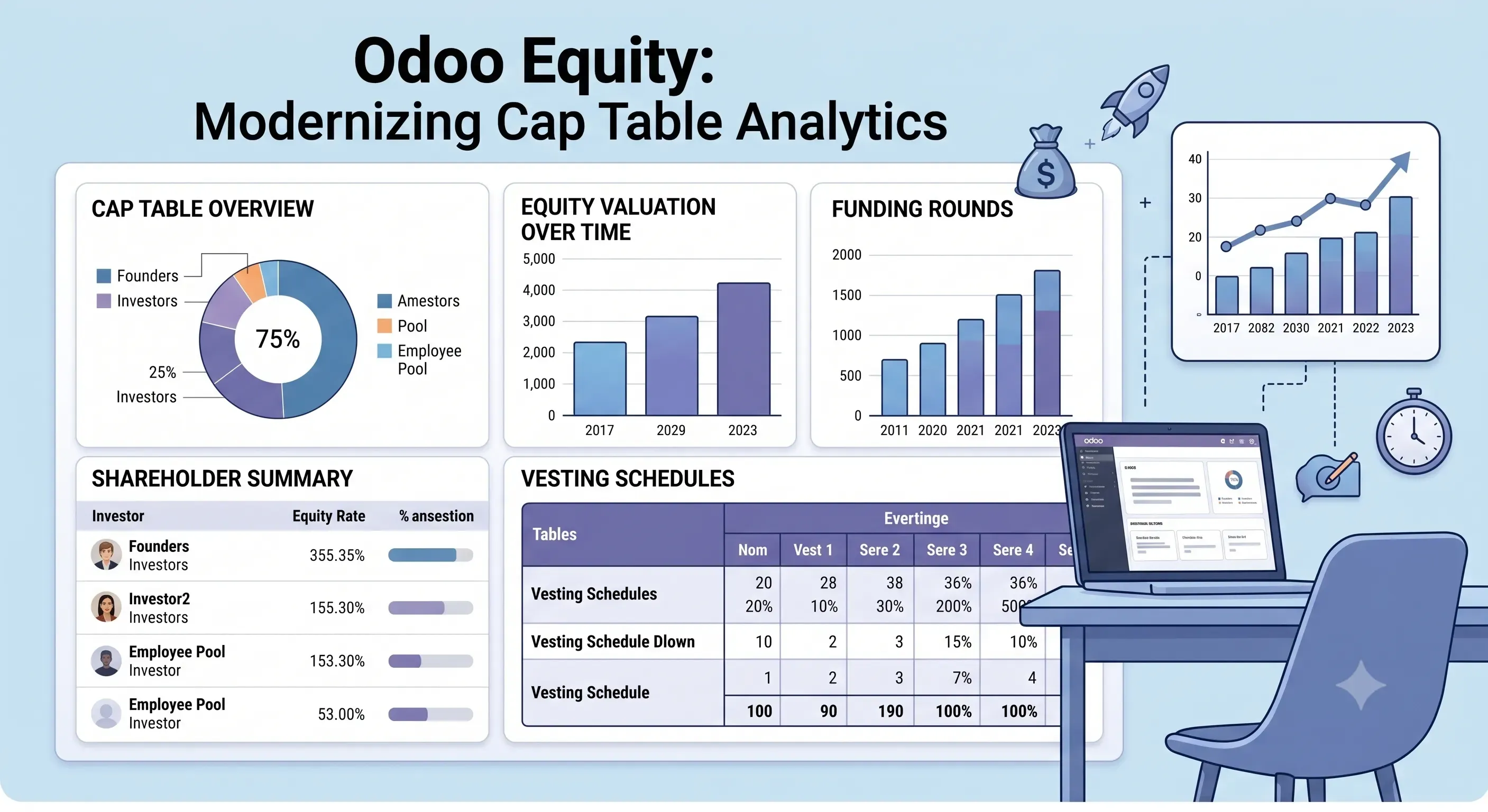
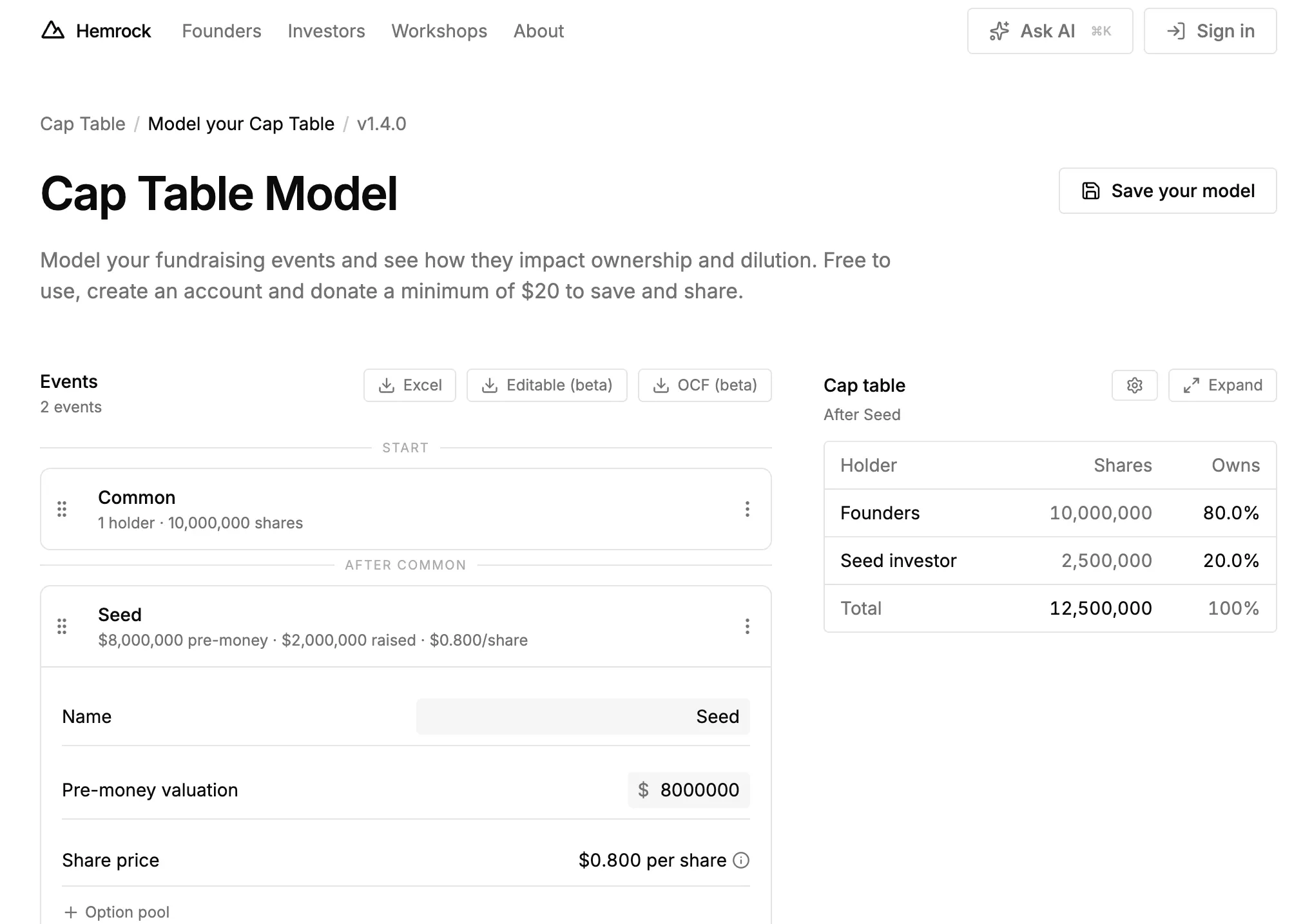
- Scenario Modeling: Founders can project how a future financing round—such as a priced equity round—will impact existing shareholders. This is essential for understanding dilution before signing a term sheet.
- Compliance: Using industry-standard templates helps ensure that share issuances and option grants follow recognized legal formatting.
Core Features of the Free Tier
Captable.io is often recognized for its "free" offering, which is designed to remove barriers to entry for bootstrapped founders. In the context of 2026, the free tier typically covers the essential needs of early-stage companies.
The free version usually enables users to input their founder shares, issue basic stock options, and track simple equity instruments. This is intended to help early-stage ventures establish good habits regarding equity governance before they require the advanced features—such as integrated 409A valuations or complex automated vesting schedules—that typically move a user into a paid or enterprise tier.
Users should note that "free" generally pertains to the core ledger functionality. As a company scales, the requirement for sophisticated reporting, document signing integration, or support for more complex tax and regulatory requirements often necessitates an upgrade.
Comparison of Equity Management Approaches
Choosing between manual tracking and a digital tool involves weighing the overhead of maintenance against the cost of software.
| Feature | Manual Spreadsheet | Captable.io (Free Tier) | Enterprise Solutions |
|---|---|---|---|
| Complexity | User-defined | Standardized Templates | Fully Automated |
| Data Integrity | High risk of manual error | Validated Logic | Regulatory Grade |
| Investment | Time/Labor Intensive | Zero Direct Cost | Recurring Subscription |
| Collaboration | Email-based sharing | Cloud-access control | Multi-party Portals |
| Modeling | Manual formulas | Built-in scenario tools | Advanced projections |
Prerequisites for Setup
Before migrating to Captable.io, founders should organize their historical documents. The software is only as accurate as the data provided. You must have the following documentation ready:
- Incorporation Documents: The original certificate of incorporation and bylaws that define authorized share counts.
- Founder Agreements: Precise details regarding vesting schedules and buy-back provisions for the founding team.
- Prior Financing Records: Executed copies of any SAFEs, convertible notes, or equity purchase agreements that have been signed to date.
- Option Plan Details: The total size of the authorized option pool and a list of existing grant holders.
Establishing this baseline is essential. Entering incorrect data into any management tool creates a "garbage in, garbage out" scenario that can lead to legal complications during a future funding round.
Common Challenges and Limitations
While using a free management tool is beneficial, founders must remain aware of certain limitations. First, software does not replace legal advice. Captable.io provides the format for the cap table, but it does not inherently guarantee that the equity grants are legally binding or tax-compliant. Always verify your inputs with a corporate attorney who understands the specific jurisdiction of your incorporation.
Second, consider the "migration cost." If a company begins on one platform and finds that the feature set of a competitor or an enterprise-level tool is needed later, transferring historical data can be labor-intensive. Ensure that the platform allows for the export of data in common formats (like CSV or Excel) should you need to transition in the future.
Troubleshooting and Verification
If you encounter discrepancies, the most effective approach is to perform a reconciliation between your corporate ledger (your legal minute book) and the digital cap table.
- Reconcile Share Totals: Ensure the total number of shares in the tool matches the authorized shares stated in your articles of incorporation.
- Verify Vesting: Double-check that vesting start dates and cliff periods match the physical copies of your signed agreements.
- Check Preference: Confirm that the liquidation preferences of your preferred stock holders (if applicable) are correctly reflected, as these are often where calculation errors occur.
Frequently Asked Questions
Is the free version of Captable.io suitable for a company with multiple investors? Yes, but with caveats. While the tool manages the tracking, you must ensure that your data input accounts for the specific terms of each investment agreement. If you have complex pro-rata rights or participating preferences, ensure the software’s current version supports those specific features.
Does using a digital tool exempt me from keeping physical records? No. Digital cap tables are for management and reporting. They do not replace the legal necessity of maintaining signed original stock certificates, board consents, and other corporate records in a secure physical or digital document vault.
Can I switch from the free version to a paid version later? Yes, most platforms are designed for this transition. As your company gains complexity, you can usually upgrade your plan to access advanced features like 409A valuation services or investor portals without losing the historical data you have already entered.
What happens if I stop paying for the tool? Always review the service agreement regarding data retention. Most providers offer a way to export your data to a neutral format, but you should verify your ability to access the platform or retrieve your records before choosing a provider.
Does Captable.io provide legal advice? No. Captable.io is a SaaS tool for equity management. It is not a law firm, and it does not provide legal, tax, or accounting advice. Users are responsible for ensuring their cap table data complies with the laws of their jurisdiction.
Recommendation for Founders
For early-stage startups, the priority is to maintain an audit-ready cap table from day one. Using a tool like Captable.io is significantly safer than relying on a complex, manual spreadsheet that is prone to user error. Start by centralizing all your historical equity documents, then systematically input the data into the platform. Once the data is live, commit to updating the record with every new grant, option exercise, or round of financing. Maintaining this discipline early will save significant time and legal expense when your company reaches the stage of formal institutional due diligence.
Image Gallery