The Worst Parents in the World: A Reference Overview
"The Worst Parents in the World" functions as a significant piece of children’s literature authored by David Walliams, serving as a collection of short stories that use dark humor and hyperbolic characterizations to explore the complex...
"The Worst Parents in the World" functions as a significant piece of children’s literature authored by David Walliams, serving as a collection of short stories that use dark humor and hyperbolic characterizations to explore the complexities of the parent-child relationship. This reference overview examines the work’s thematic scope, literary intent, and its role within contemporary juvenile fiction.
Contents
Literary Context and Authorial Background
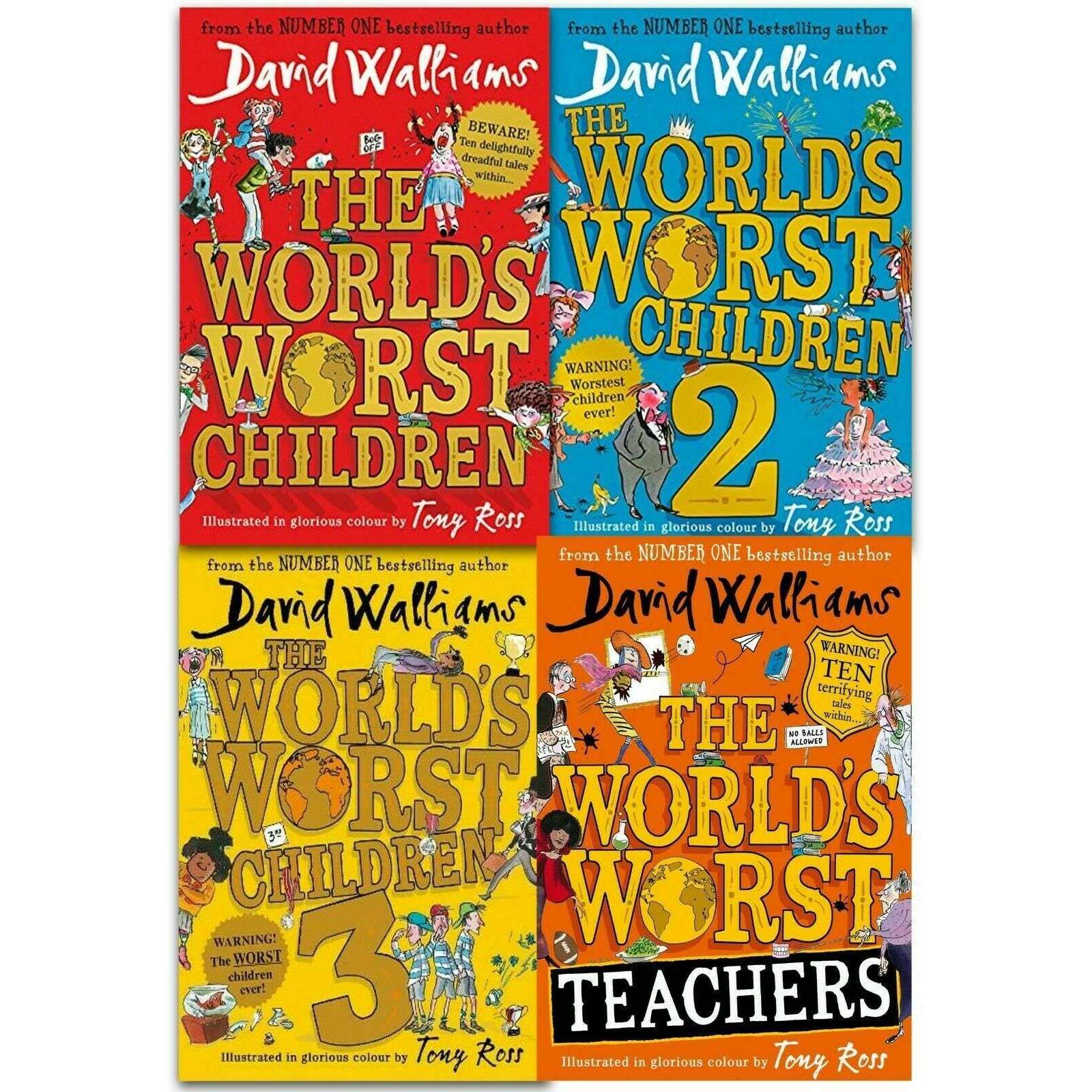
David Walliams, an English comedian and actor, transitioned into children’s literature in 2008 and has since become one of the most commercially successful authors in the genre. The Worst Parents in the World, published in 2021 by HarperCollins, follows a tradition established in his earlier works, such as The World’s Worst Children. The book is designed to provide lighthearted, often exaggerated entertainment while subtly addressing archetypal patterns in domestic dynamics.
The collection is structured as a series of standalone vignettes. Each story features a parent whose flaws—whether they are overly controlling, chronically disorganized, or hopelessly obsessed with obscure hobbies—lead to comedic conflict with their long-suffering offspring. As of 2026, the book remains a staple in primary school libraries and bookstores, appreciated primarily for its accessible prose and the whimsical illustrations by Tony Ross, which play a crucial role in framing the narrative tone.
Thematic Structure: The Archetypal "Bad Parent"
The narratives within this collection are rooted in the satirical tradition of British children’s literature, recalling the works of Roald Dahl. The "badness" depicted is rarely malicious; instead, it is presented as a form of social awkwardness or a lack of self-awareness.
The characters are organized into categories that reflect common parental anxieties or behavioral extremes. By isolating these traits into cartoonish characters, Walliams allows younger readers to process the reality that parents are fallible human beings rather than idealized figures. The stories focus on:
- Obsession: Parents who prioritize personal interests, such as competitive collecting or extreme fitness, over basic domestic responsibilities.
- Over-management: Parents who attempt to control every micro-second of their child’s existence, leading to inevitable pushback.
- Negligence via distraction: Parents who are physically present but mentally absent, often caught up in digital or trivial pursuits.
Critical Reception and Educational Value
From an educational perspective, the book serves as a tool for teaching literary devices such as hyperbole, satire, and character motivation. While critics occasionally note that the humor is repetitive or formulaic, the collection’s ability to engage reluctant readers is widely recognized.
In a classroom setting, these stories are frequently used to initiate discussions about boundaries and the importance of open communication within the family. By presenting these characters in an extreme light, educators can ask students to identify how these "bad" traits look in real-world, milder contexts. This shift helps demystify the adult world and provides children with a sense of perspective regarding their own family dynamics.
Comparison of Key Character Archetypes
| Character Type | Primary Behavioral Flaw | Narrative Outcome |
|---|---|---|
| The Obsessive Collector | Prioritizes items over people | Child finds independence |
| The Over-Scheduler | Removes all free play | Systematic household collapse |
| The Fitness Fanatic | Forces extreme physical regimes | Comic physical comedy |
| The Tech-Distracted | Ignores the immediate reality | Child manages the household |
Note: The table above represents a thematic summary of the character types found within the text. It is not an exhaustive index of all individuals featured in the anthology.
Analysis of Tone and Audience Suitability
The target audience for The Worst Parents in the World is primarily middle-grade readers (ages 8 to 12). The tone is intentionally irreverent, avoiding the moralizing tone often found in older instructional literature for children. This "subversive" approach is a hallmark of Walliams’s style, aiming to create a sense of camaraderie between the reader and the child characters, who are consistently cast as the more sensible figures in their respective households.
Parents reading this material with their children often benefit from the "mirror effect." The exaggeration of negative traits serves as a harmless, humorous way to reflect on one’s own parenting styles. By laughing at the characters, both parents and children can bridge the gap in their relationship through shared amusement, mitigating the stress that can sometimes define domestic life.
Pedagogical Considerations for Readers and Educators
When analyzing the text in 2026, it is useful to consider the evolution of humor in children's books. Modern audiences expect more than just "gross-out" humor; they require character arcs that lead to a sense of resolution or emotional growth. While the protagonists in these stories are comedic, the stories ultimately reinforce the bond of the family unit, even when that unit is significantly flawed.
When incorporating this book into a learning plan:
- Identify the exaggeration: Encourage students to identify why a specific trait is funny rather than just annoying.
- Rewrite the resolution: Have students hypothesize how a more "effective" parent might have handled the same conflict.
- Visual literacy: Analyze how Tony Ross’s illustrations manipulate the reader's perception of the characters, noting how caricature enhances the satirical intent.
Common Questions Regarding the Work
Is the book intended to be taken seriously as a guide to parenting? No, it is a work of fiction. It uses humor to provide a cathartic release for children, allowing them to laugh at the absurdities of adult behavior. It is not meant to be a manual or a reflection of clinical parenting advice.
Does the book contain material that might be considered inappropriate? The book is aimed at a middle-grade audience. The humor is generally slapstick and word-play driven. It conforms to standard publishing guidelines for juvenile fiction, though individual parental preferences regarding "rude" or "mischievous" humor vary.
Are there sequels or similar books? Yes, David Walliams has authored several similar collections, including The World’s Worst Children, The World’s Worst Teachers, and The World’s Worst Pets. They share the same format and illustrative style.
How does this book impact the child-parent dynamic? By highlighting adult flaws, the book can help children develop empathy. Understanding that parents are not perfect allows children to forgive minor lapses in judgment, fostering a more balanced and realistic relationship.
Is this book suitable for reluctant readers? Yes. The short-story format, combined with a high density of illustrations and accessible vocabulary, makes it an excellent choice for children who may find longer, dense novels intimidating.
Moving Forward
For those looking to explore similar literary themes, consider researching the broader evolution of satire in children’s literature over the last two decades. Understanding the lineage from authors like Roald Dahl to David Walliams helps in contextualizing how current generations engage with the concept of authority figures in fiction. Readers are encouraged to view this collection not as a literal guide to parenting behavior, but as an exercise in empathy and humor that underscores the imperfect, yet enduring, nature of family relationships.
Image Gallery