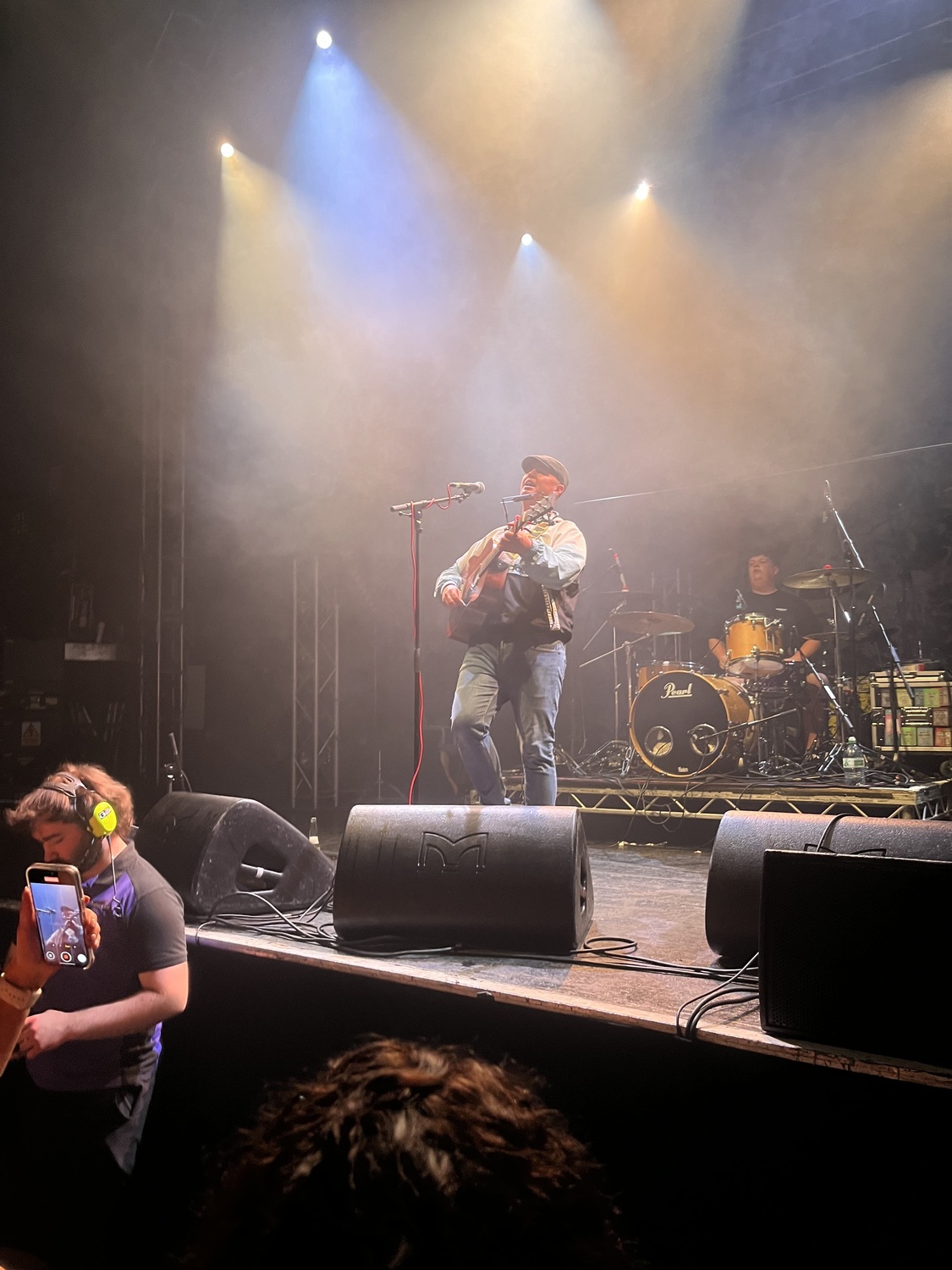
Why the Gerry Cinnamon Partner Issue Matters: Public Perception and Private Privacy
The "Gerry Cinnamon partner issue" refers to the sustained public interest and media scrutiny surrounding the private life of the Scottish singer-songwriter Gerry Cinnamon. While Cinnamon—born Kenneth Wilson—has intentionally maintaine...
The "Gerry Cinnamon partner issue" refers to the sustained public interest and media scrutiny surrounding the private life of the Scottish singer-songwriter Gerry Cinnamon. While Cinnamon—born Kenneth Wilson—has intentionally maintained a boundary between his professional artistry and his personal affairs, the public's persistent curiosity highlights the complexities of modern celebrity, the role of social media in fueling speculation, and the ongoing debate regarding the extent of privacy owed to public figures.
Contents
Understanding the Intersection of Fame and Privacy
In the era of 24/7 digital connectivity, the line between an artist’s public persona and their private life has become increasingly porous. Gerry Cinnamon’s meteoric rise from a local Scottish busker to an international stadium-filling artist has brought his life into the intense focus of the public eye. For many fans, the music is inseparable from the person, leading to a desire for total transparency.
The "partner issue" essentially stems from the scarcity of official information provided by the artist. Because Cinnamon has made a conscious, consistent choice to keep his personal life off-limits during interviews and social media interactions, the lack of data acts as a vacuum that is often filled by fan speculation, gossip forums, and tabloid interest. This matters because it illustrates a broader phenomenon in contemporary celebrity culture: the expectation that an artist belongs to their audience in their entirety, rather than just as a provider of artistic content.
The Dynamics of Speculation and Digital Gossip
The digital landscape of 2026 continues to host platforms where speculation regarding artists can flourish. The "partner issue" is symptomatic of how algorithms and fan-driven forums prioritize engagement over accuracy. When an artist refuses to discuss their relationship status, fans often interpret this silence as an invitation to investigate, leading to the circulation of unverified rumors.
This dynamic creates several consequences:
- The Erosion of Boundaries: When fans feel entitled to private information, it can lead to intrusive behavior, such as tracking social media activity or analyzing lyrics for hidden clues about an artist's personal life.
- The Burden of Constant Vigilance: For artists like Cinnamon, who prefer to let their work speak for itself, the need to protect their personal life from invasive scrutiny can become a source of professional fatigue.
- Distortion of Artistic Intent: When the discourse shifts from the quality of the songwriting or the power of a live performance to the identity of a partner, the artistic merit risks being sidelined.
Why Privacy is a Professional Choice
For musicians of Gerry Cinnamon's stature, maintaining privacy is not merely a personal preference but a strategic professional choice. By keeping his private life out of the public domain, Cinnamon ensures that his brand remains focused on his music, his lyrics, and his connection with the audience.
| Feature | The Public Interest Approach | The Privacy-First Approach |
|---|---|---|
| Data Source | Tabloid rumors and social media threads | Official press releases or interviews |
| Focus | Personal relationships and gossip | Musical composition and tour updates |
| Audience Impact | Creates parasocial intensity | Promotes focus on artistic substance |
| Professional Outcome | Potential for brand dilution | Preservation of mystery and artistic integrity |
When an artist resists the pressure to perform their private life for the public, they maintain control over their narrative. The "partner issue" matters as a case study in how an artist can successfully navigate modern fame without sacrificing their autonomy. By refusing to engage in the "celebrity machine," Cinnamon keeps the focus on the actual product: his music.
The Role of Parasocial Relationships
A significant factor in why this issue persists is the nature of parasocial relationships—one-sided psychological bonds where fans feel a sense of intimacy with a celebrity. In the case of Gerry Cinnamon, whose music is often characterized by its relatability, raw emotion, and working-class authenticity, fans often feel a deep, personal connection to him.
This intense connection can foster a sense of "right to know." If a fan feels that an artist’s music has helped them through difficult life transitions, they may feel entitled to know the details of the artist's own life. The "partner issue" matters because it highlights how technology has intensified these relationships, making it easier for fans to feel like active participants in an artist's daily life, despite the reality of the distance involved.
Media Responsibility and Ethical Standards
The role of media outlets in fueling the "partner issue" cannot be overlooked. In 2026, the demand for high-click-through content remains high. Stories regarding the personal lives of musicians often outperform discussions of their technical musical ability. Consequently, news sites and bloggers may continue to push for information that the artist has clearly indicated is not for public consumption.
Ethical journalism and content creation suggest that unless an aspect of a public figure's private life has a direct, legal, or moral impact on the public, it should remain private. The persistence of queries into Cinnamon’s partner status serves as a barometer for how much "privacy" is actually respected in the digital age. When reputable outlets treat speculation as news, it validates the intrusion, making it increasingly difficult for artists to maintain the boundaries they have established.
Addressing Common Questions Regarding Celebrity Privacy
To better understand the context of the Gerry Cinnamon "partner issue," it is helpful to address the following frequently asked questions.
1. Does a lack of information about an artist’s partner mean they are hiding something? No. It typically signifies a deliberate boundary. Many artists choose to keep their private lives separate from their professional public life to ensure that their families or partners are not subjected to the pressures of fame, paparazzi, or invasive online scrutiny.
2. Why do fans feel entitled to information about an artist's life? This is rooted in the concept of parasocial interaction. Because fans spend significant time and money consuming an artist's work, they may feel they have invested in the person behind the music, leading to a feeling of ownership over the artist's personal details.
3. How does silence regarding personal life affect an artist's career? In many cases, it creates a sense of "mystery" which can enhance the appeal of an artist. By not being overexposed in the tabloids, the artist stays focused on their music, preventing their personal life from becoming a distraction or a subject of negative public debate.
4. Can excessive speculation be legally addressed? While public figures have fewer protections regarding privacy than private citizens, there are limits. Persistent stalking, doxxing, or the publication of defamatory claims can be addressed through legal channels. However, general speculation about a relationship status is usually considered part of the "public interest" landscape, even if it is intrusive.
5. How can fans support an artist while respecting their privacy? The most direct way to support an artist is to engage with their professional output: listen to their albums, attend their concerts, and share their music. By focusing on the content they choose to release, fans encourage the artist to maintain the artistic boundaries they prefer.
Navigating the Future of Celebrity Boundaries
As we move through 2026, the discourse surrounding the "Gerry Cinnamon partner issue" serves as a reminder that the standards for privacy are constantly evolving. The desire to know the "real person" behind the music is a testament to the artist's influence, yet it must be balanced against the human right to maintain a private, unscrutinized life.
For fans, the lesson is clear: an artist’s music is their gift to the public, but their private life is their own. The most respectful way to interact with any artist is to appreciate their work while acknowledging that they, like any other individual, are entitled to keep certain parts of their existence away from the public gaze. The persistent focus on this issue underscores that while curiosity is human, professional respect and the maintenance of healthy boundaries remain the hallmarks of a mature, appreciative fan base.
When you look for news or updates on Gerry Cinnamon, prioritize official channels—his own social media accounts, verified tour sites, and interviews where the artist themselves chooses to speak. This ensures you are getting accurate, authorized information while reinforcing the artist's right to control their own narrative.
Image Gallery