What Sparked the Fight at Chuck E. Cheese in 2024: Investigating the Viral Incidents
Viral mobile phone footage captured chaotic brawls at various Chuck E. Cheese locations during 2024, often triggered by escalating verbal arguments among adult patrons over seating disputes, children's birthday party logistics, or long...
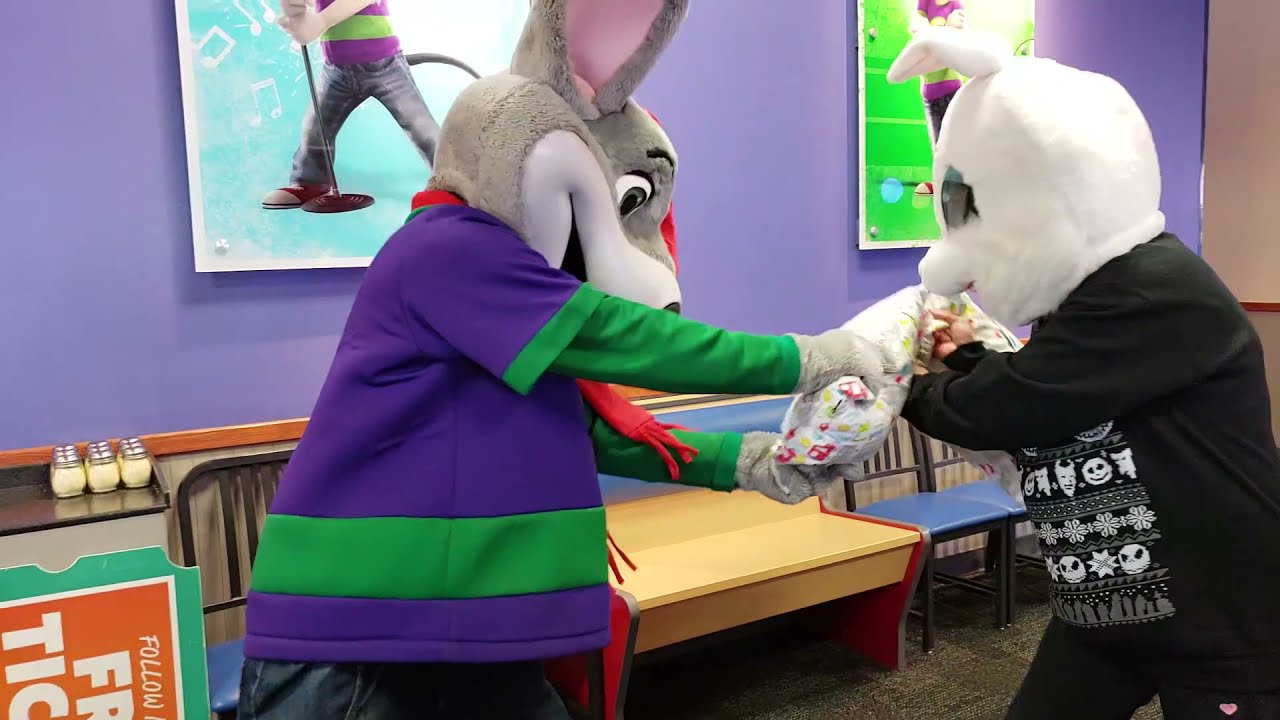
Viral mobile phone footage captured chaotic brawls at various Chuck E. Cheese locations during 2024, often triggered by escalating verbal arguments among adult patrons over seating disputes, children's birthday party logistics, or long wait times. These incidents quickly spread across social media platforms like TikTok and X (formerly Twitter), drawing intense public scrutiny toward family entertainment center security and customer conduct.
Contents
Family entertainment centers are designed as safe, joyful environments for young children and their parents. However, the modern intersection of hyper-connected social media, crowded public venues, and heightened societal stress has transformed localized disputes into viral spectacles. Examining what sparked these disturbances requires looking past the sensationalized headlines to understand the underlying operational pressures, human behavior dynamics, and crowd management challenges that face modern family venues.
The Reality of Viral Disruption in Family Entertainment Spaces
When a video of a physical altercation inside a family restaurant hits the internet, it rarely shows the complete timeline of events. Viewers typically encounter a thirty-second clip capturing the climax of a confrontation. Understanding the context of these disturbances requires analyzing how minor friction points can rapidly deteriorate in densely populated, high-energy indoor environments.
Chuck E. Cheese locations across the United States host thousands of visitors weekly, balancing arcade operations, food service, and birthday party coordination. When customer volume peaks during weekends or holidays, staff members face immense operational strain. This environment creates a fertile ground for misunderstandings, where a perceived slight over resources can ignite a volatile response among stressed patrons.
Common Catalysts for Public Disruptions
Public altercations in family-oriented venues generally do not occur in a vacuum. Investigators, venue managers, and security analysts typically trace these events back to a few specific catalysts:
- Seating and Space Conflicts: Competition for large tables near the play areas or birthday party zones frequently creates friction between different family groups.
- Perceived Queue Cutting: Long lines for popular arcade games, ticket redemption counters, or food pickup windows can lead to verbal confrontations over fairness.
- Supervision and Child Disputes: Disagreements among children playing in tubes or interactive zones can quickly draw in protective parents, shifting the conflict from minor playground arguments to adult-level confrontations.
- Service Delays: Extended wait times for food orders or party host availability can heighten frustration, making patrons more reactive to minor inconveniences.
Operational Pressures and Venue Environment Factors
The physical layout and sensory environment of family entertainment centers contribute significantly to how patrons process stress. Bright flashing lights, loud arcade sounds, and crowded rooms naturally elevate sensory stimulation. For adults managing multiple children in these conditions, patience reserves can deplete rapidly.
Furthermore, post-pandemic shifts in public behavior have placed new demands on service industry personnel. Frontline employees, often young adults or teenagers, face challenging customer service scenarios with limited security training or intervention resources. When a dispute begins, staff members must balance de-escalation attempts with maintaining the safety of hundreds of other guests.
| Incident Factor | Operational Challenge | Mitigation Strategy |
|---|---|---|
| Crowd Density | Overcrowding in constrained spaces increases physical contact and friction. | Implementing strict capacity limits and timed-entry ticketing. |
| Wait Times | Delays in food preparation or game access escalate consumer frustration. | Enhancing kitchen efficiency and digital queue management systems. |
| Security Presence | Traditional family venues often lack visible, proactive security teams. | Deploying trained hosts or professional security personnel during peak hours. |
| Alcohol Policies | Select locations offering beer or wine face risks of disinhibited behavior. | Enforcing strict per-person drink limits and immediate cutting-off of intoxicated guests. |
The Role of Social Media in Amplifying Local Incidents
The year 2024 marked a continuation of a digital trend where localized conflicts immediately become global multimedia events. The moment a phone camera records a disturbance, the incident enters an algorithmic feedback loop designed to maximize engagement through outrage and shock value.
This digital amplification alters how the public perceives safety in public spaces. While isolated incidents occur across thousands of commercial venues daily, the viral concentration of Chuck E. Cheese fight videos created a distorted perception that these family centers were uniquely dangerous. In reality, corporate operators maintain strict incident-reporting protocols, and violent altercations remain statistically rare relative to the millions of safe guest visits recorded annually.
Media Representation Versus Statistical Reality
When analyzing public safety reports, security experts distinguish between sensational viral phenomena and systemic safety risks.
- Sampling Bias: Social media algorithms promote dramatic content, meaning peaceful, uneventful visits are never filmed or shared, skewing public perception.
- Brand Accountability: Major entertainment chains face intense reputational risks from viral videos, prompting rapid corporate responses, increased security investments, and public relations statements.
- Law Enforcement Involvement: Local police records typically show that physical altercations in these venues result in swift ejection, trespass warnings, or misdemeanor charges, rather than ongoing systemic crime waves.
Corporate Responses and Venue Security Evolutions
In the wake of heightened scrutiny during 2024, corporate leadership at major family entertainment brands accelerated reviews of their safety and operational guidelines. Ensuring a secure environment for families requires a multi-layered approach that combines physical security enhancements with technological monitoring and staff training.
Modern security updates across the industry often include the deployment of professional security guards during peak weekend operational windows, improved lighting in parking lots and peripheral areas, and refined guest conduct policies clearly posted at entry points. Additionally, many locations have enhanced their digital check-in and check-out procedures, particularly for venues with drop-off programs or strict custody-verification protocols.
Key Security Protocols Implemented by Family Venues
- Enhanced Entry Screening: Utilizing digital visitor management systems to track adults entering with children, reducing unauthorized access.
- Active De-escalation Training: Providing frontline employees with professional communication frameworks to identify and defuse tense customer interactions before they turn physical.
- Direct Law Enforcement Partnerships: Establishing rapid communication channels with local police departments for swift response when verbal disputes threaten to escalate.
- Zero-Tolerance Code of Conduct: Enforcing clear rules that immediately ban patrons who engage in threatening, abusive, or violent behavior.
Preventing Conflict: Practical Guidance for Patrons
Navigating busy public spaces with children requires mindfulness and proactive stress management. While patrons cannot control the behavior of others, families can adopt strategies to minimize their exposure to volatile situations.
Visiting entertainment centers during off-peak hours—such as weekday evenings or early Sunday mornings—significantly reduces exposure to overcrowding and long wait times. Furthermore, maintaining clear communication with venue staff regarding service delays or seating issues prevents misunderstandings from festering into confrontation.
Recommended Steps for a Safe Family Outing
- Plan Around Peak Hours: Arrive early or choose non-traditional days to avoid maximum capacity crowds.
- Maintain Direct Supervision: Keep children within sight to prevent minor playground disagreements from drawing adult parties into conflict.
- De-escalate and Walk Away: If another patron becomes aggressive or unreasonable, disengage immediately and report the behavior to venue management rather than engaging in a reciprocal argument.
- Support Venue Staff: Remember that frontline workers are navigating high-stress environments; patience and polite communication help maintain a calm atmosphere for everyone.
Frequently Asked Questions
What actually started the fights at Chuck E. Cheese in 2024?
Most recorded incidents stemmed from minor, localized arguments over seating, long wait times, or perceived slights in crowded play areas, which escalated because of high stress and dense crowds. There was no single overarching corporate or systemic catalyst behind these events.
Are family entertainment centers becoming more dangerous?
Statistical data does not support the idea that family entertainment venues are inherently dangerous. While viral videos create a perception of rising violence, overall crime rates remain low, and corporate operators have actively increased security measures.
How do Chuck E. Cheese locations handle unruly customers?
Venues enforce strict codes of conduct that empower staff to eject and permanently ban patrons who engage in disruptive, threatening, or violent behavior, often backed by local law enforcement intervention.
Can parents request refunds if a visit is disrupted?
Yes. If operational issues, extreme overcrowding, or disturbances severely impact a guest's experience or a scheduled birthday party, management typically offers refunds, rescheduled party dates, or promotional vouchers upon request.
What should a visitor do if an altercation breaks out nearby?
Patrons should immediately gather their children, move away from the source of the disturbance toward a secure exit or staff-managed area, and notify employees or security personnel without inserting themselves into the confrontation.
Conclusion and Next Actions
The viral fights captured at family entertainment venues in 2024 highlight the complex intersection of human stress, crowded public spaces, and social media amplification. While these isolated incidents generated significant online debate, they represent statistical exceptions in an industry dedicated to family recreation. For parents and guardians planning future visits, prioritizing off-peak timing, maintaining situational awareness, and supporting venue safety policies ensure a positive and secure experience. When visiting busy public venues, always familiarize yourself with emergency exits and direct any conduct concerns to venue management immediately.
Image Gallery