Free Crack Games: Understanding the Risks and Realities of Software Piracy
Downloading free crack games involves bypassing the digital rights management (DRM) protections of software, which exposes users to significant cybersecurity threats, legal liabilities, and the loss of technical support. By understandi...
Downloading free crack games involves bypassing the digital rights management (DRM) protections of software, which exposes users to significant cybersecurity threats, legal liabilities, and the loss of technical support. By understanding the mechanisms behind these unauthorized modifications, users can better recognize the risks inherent in acquiring non-official game files and the potential long-term damage to their hardware and personal data.
Contents
The Mechanism of Game Cracking
Software cracking refers to the process of modifying a computer program to remove or disable features designed by the developer to control software use, such as serial number checks, activation servers, or online-only requirements. In the context of gaming, "cracks" are typically executable files or dynamic-link libraries (DLLs) that replace original game files.
When a user downloads a cracked game, they are not merely receiving the software; they are running an unknown, third-party script with elevated permissions. Because these files are designed to intercept and manipulate communication between the game and the operating system, they operate in the exact same manner as many types of malicious software. The reality of the "free" aspect is that the user pays for the product with their system's security and their own digital privacy rather than currency.
Cybersecurity Risks and Malware Propagation
The most immediate danger of engaging with pirated game sources is the high probability of malware infection. Because these sites operate outside of legal software distribution channels, they lack the verification, digital signatures, and security audits required by platforms like Steam, the Epic Games Store, or GOG.
Common Malware Vectors in Pirated Software
- Trojan Horses: Many cracked game installers contain hidden malicious payloads that execute alongside the game. These can range from background keyloggers that capture passwords to sophisticated remote access trojans (RATs).
- Cryptomining Scripts: Attackers frequently bundle "silent" miners within game files. These scripts utilize the victim’s CPU and GPU resources to mine cryptocurrency, leading to severe system performance degradation, high electricity consumption, and accelerated hardware wear.
- Ransomware: Unverified installers are a primary delivery vehicle for ransomware. Once executed, the malicious software may encrypt the user’s personal files, including documents, photos, and saved games, demanding payment for decryption keys.
- Adware and Browser Hijackers: These modify browser settings, inject unwanted advertisements into search results, and track user activity to sell data to third-party brokers.
Legal and Ethical Implications
Software is protected by intellectual property laws globally. Developers, designers, and publishers invest years of labor and significant financial resources into creating digital entertainment. When a user downloads a cracked version of a game, they are infringing upon the developer’s copyright.
While individual users are rarely the primary targets of civil litigation compared to the operators of piracy distribution websites, the risk remains. Many internet service providers (ISPs) track traffic associated with unauthorized file-sharing protocols, such as BitTorrent. Users who engage in this activity often receive formal notices from their ISPs warning that their service may be terminated or that they are being investigated for copyright infringement. Furthermore, distributing these files is a more serious offense that frequently leads to criminal charges in many jurisdictions.
Comparison of Legitimate vs. Pirated Software
| Feature | Legitimate Software | Cracked/Pirated Software |
|---|---|---|
| Security | Digitally signed and audited | High risk of malware and spyware |
| Updates | Automatic patches and bug fixes | None; usually incompatible with updates |
| Support | Official access to forums and tickets | No support; high crash probability |
| Performance | Optimized for current hardware | Often unstable; prone to memory leaks |
| Multiplayer | Full access to server infrastructure | Restricted to local/LAN or offline only |
| Legal Standing | Compliant with End-User License Agreement | Copyright infringement |
The Hidden Costs of Free Games
The concept of a "free" game is often a misnomer when factoring in the total cost of ownership. Users who rely on cracked software often experience:
- Lost Time: Troubleshooting crashes, dealing with missing DLL errors, and re-installing operating systems due to malware infections consume significantly more time than the hours required to earn the purchase price of a game.
- Data Loss: The threat of ransomware or data-wiping malware puts sensitive information—such as banking details, personal photos, and work-related files—at permanent risk.
- Performance Costs: Even if the game runs, the presence of background malware can throttle system performance to a degree that makes the experience unplayable.
- Hardware Depreciation: Persistent high-load background tasks, such as hidden cryptominers, can cause components like GPUs to run at constant high temperatures, potentially shortening their functional lifespan.
Impact on the Gaming Industry
The development of modern AAA and independent titles relies on a cycle of reinvestment. When a significant portion of a game's install base uses pirated versions, developers face reduced revenue, which directly impacts their ability to fund future projects, hire staff, or maintain servers for online titles. For smaller, independent developers, the economic hit of widespread piracy can be the difference between creating a successful studio or filing for bankruptcy.
Identifying Authentic Sources
To protect yourself, ensure all software is acquired through authorized storefronts. Official platforms verify the integrity of the files they distribute, ensuring that the software you download is exactly what the developers intended. If budget is a concern, consider the following legal alternatives:
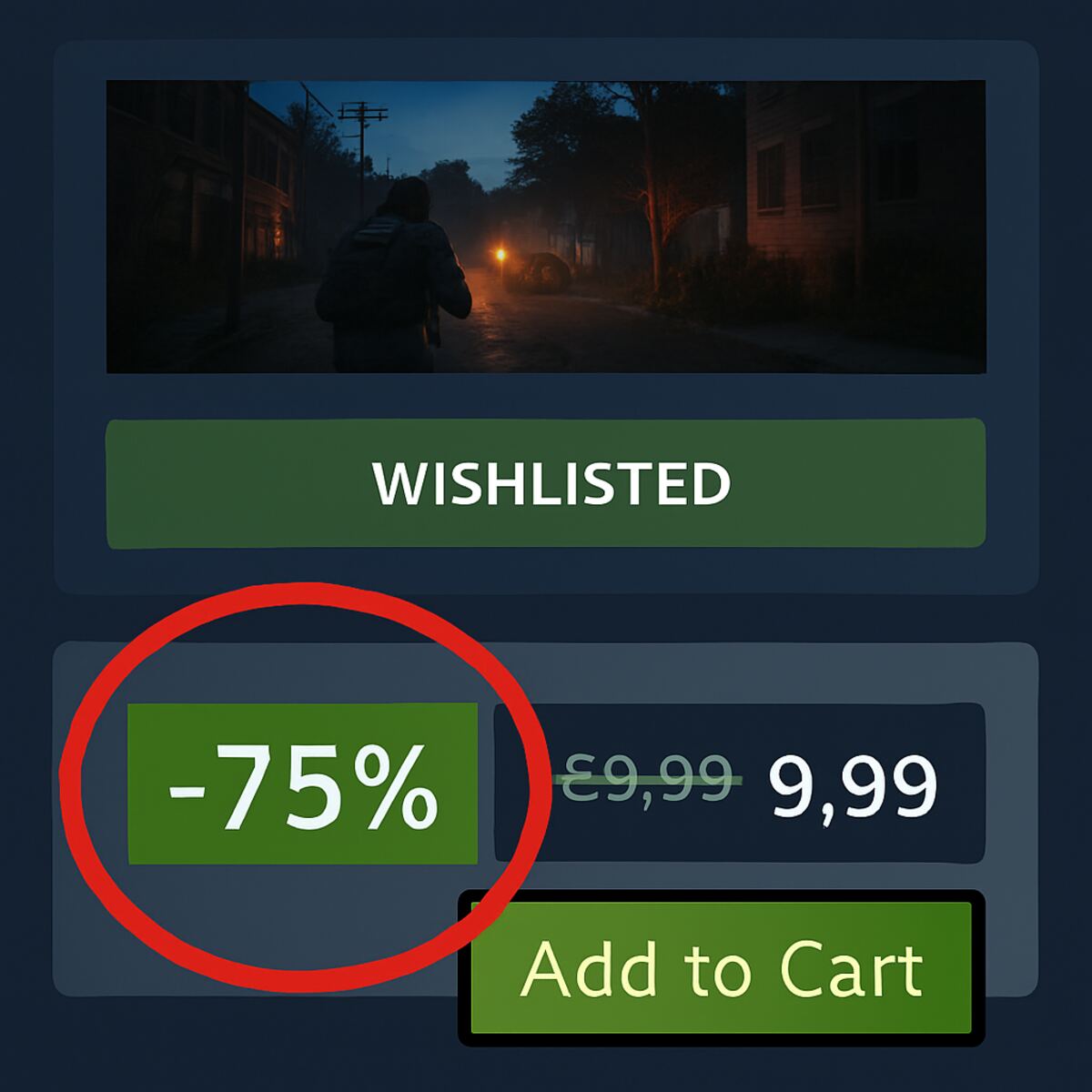
- Regional Pricing and Sales: Platforms like Steam and GOG hold seasonal sales where titles are often available for a fraction of their launch price.
- Subscription Services: Services such as Xbox Game Pass or EA Play provide access to hundreds of games for a fixed monthly fee, offering a low-cost, secure alternative to ownership.
- Free-to-Play Titles: Many high-quality games are distributed legally via the free-to-play model, supported by optional cosmetic purchases that do not affect the integrity of the game code.
- Open Source and Indie Markets: Numerous developers release games for free or "pay what you want" models on platforms like Itch.io, which are completely legal and safe to download.
Frequently Asked Questions
Can I run a crack game safely if I use an antivirus?
Most modern antivirus software can identify known malicious files; however, many game cracks use "heuristic" modifications that can bypass standard detection. Because the crack itself is technically "malware" in the way it manipulates system memory, security software may struggle to distinguish between a functional crack and a malicious script, leaving you exposed to zero-day threats.
Do cracked games receive updates?
No. Cracked games are "static" builds. When a developer releases a patch to fix bugs or add content, the crack will usually break the game’s functionality. Users must then wait for a new, often unstable, crack to be released by the original unauthorized modifier, which may introduce new bugs or malware.
Is downloading "abandonware" safe?
Abandonware refers to software no longer supported or sold by the publisher. While often viewed as a legal gray area, the security risks remain unchanged. Files downloaded from unauthorized archive sites are just as likely to contain modern malware payloads as files for new games.
Are peer-to-peer networks safe for downloading games?
Peer-to-peer (P2P) networks, such as torrent sites, are inherently insecure for software. Every file you download is coming from a stranger’s machine. These networks are frequently monitored by copyright enforcement agencies and are the primary source for bundled ransomware and spyware.
Conclusion and Recommended Next Actions
The risks associated with free crack games—ranging from persistent malware infections to the potential for severe data loss—far outweigh the temporary financial savings. The safest path forward is to utilize authorized distribution platforms that guarantee the integrity of your software and provide the security updates necessary for a stable experience. If you have recently installed a cracked game, it is highly recommended to perform a full system scan using reputable security software, change your primary passwords, and consider a clean re-installation of your operating system to ensure any hidden malicious persistence is removed.
Image Gallery