The 1999 Honda Valkyrie Horsepower Story: Engineering a Cruiser Legend
The 1999 Honda Valkyrie generates roughly 100 horsepower at the rear wheel, derived from a detuned, liquid-cooled 1,520cc flat-six engine originally borrowed from the luxury-touring Gold Wing GL1500. This powerplant transformed the hea...
The 1999 Honda Valkyrie generates roughly 100 horsepower at the rear wheel, derived from a detuned, liquid-cooled 1,520cc flat-six engine originally borrowed from the luxury-touring Gold Wing GL1500. This powerplant transformed the heavyweight cruiser market by trading traditional V-twin rumble for turbine-smooth acceleration, six carburetors, and an unmistakable exhaust note.
Contents
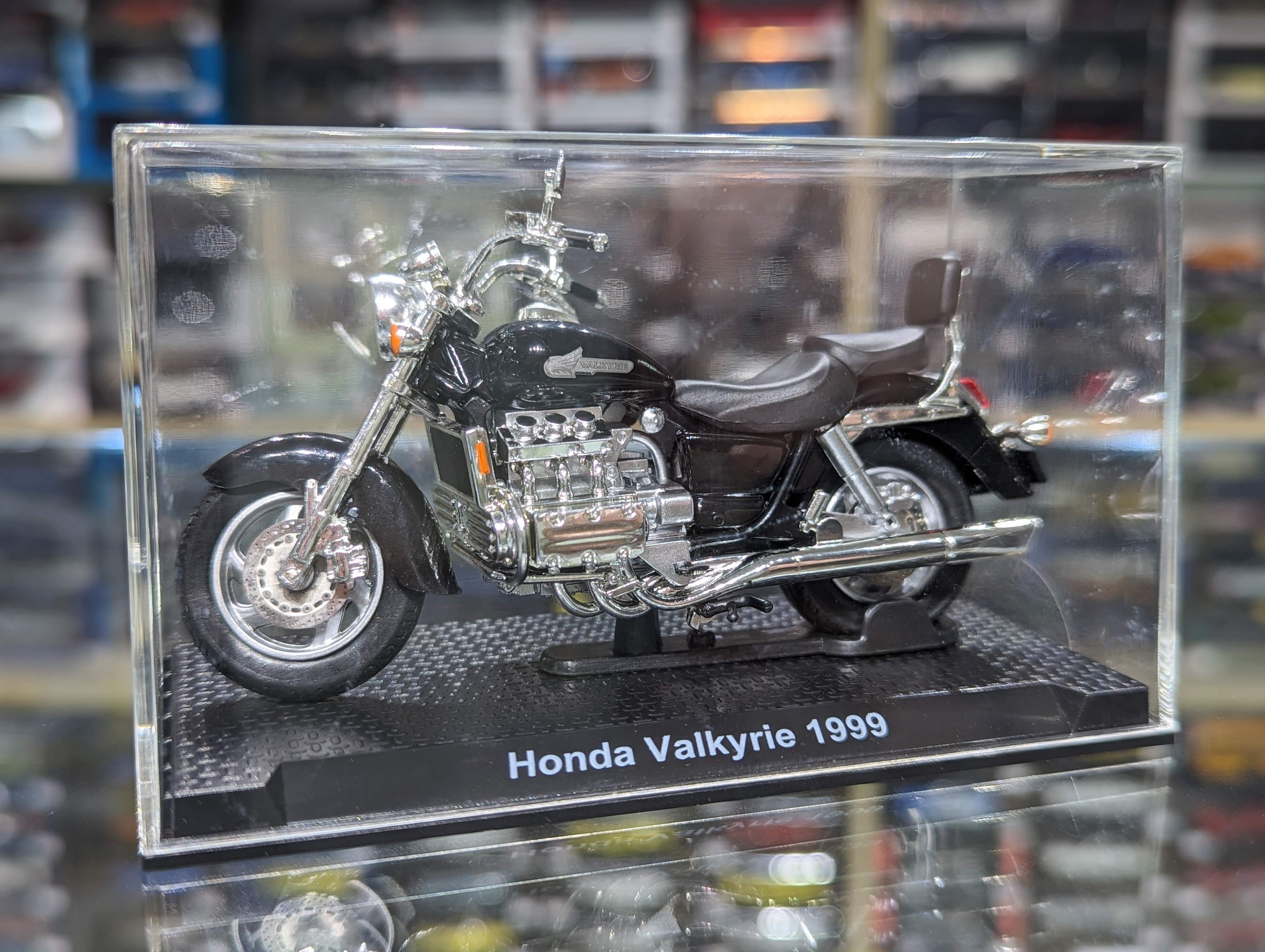
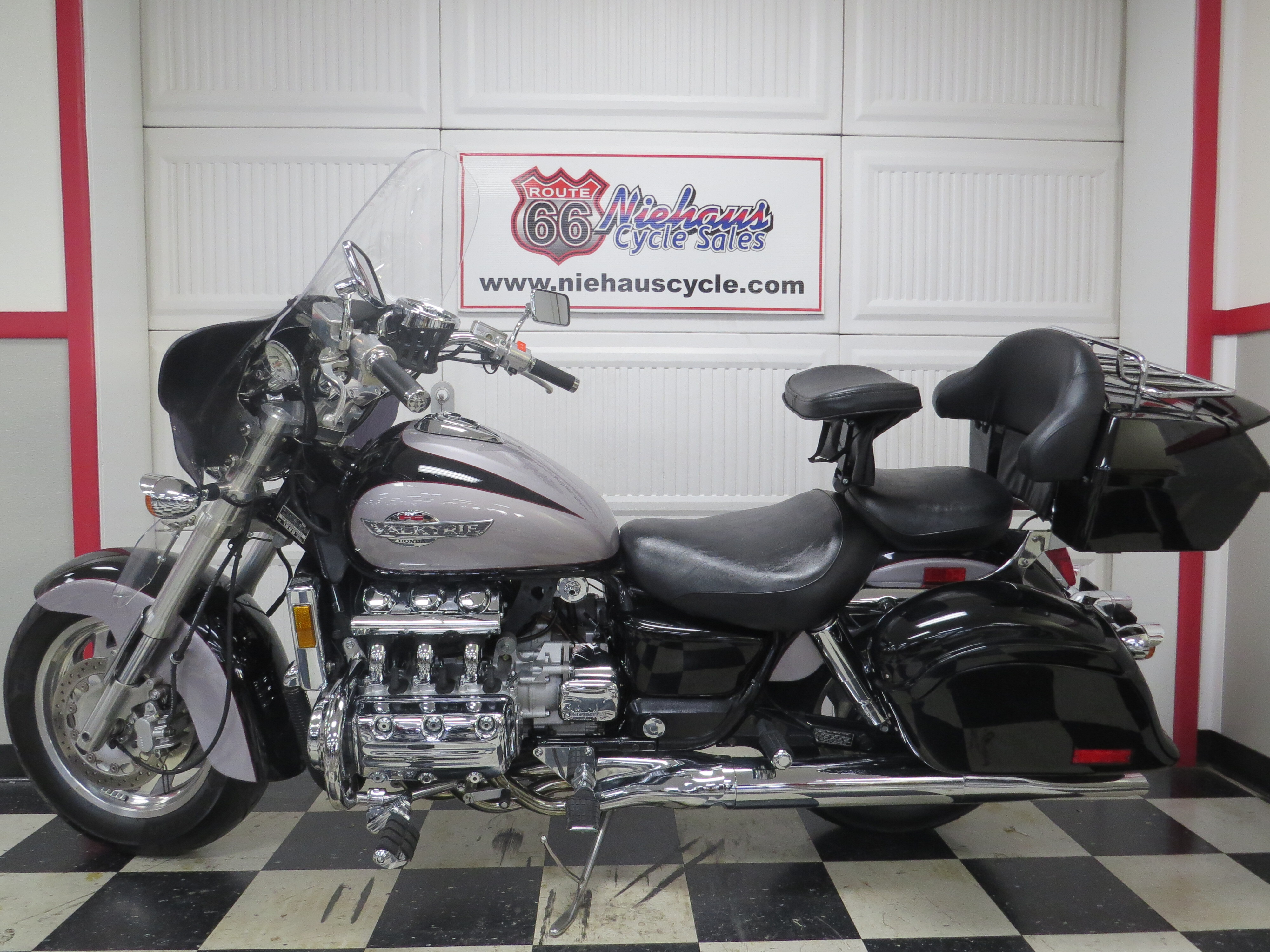
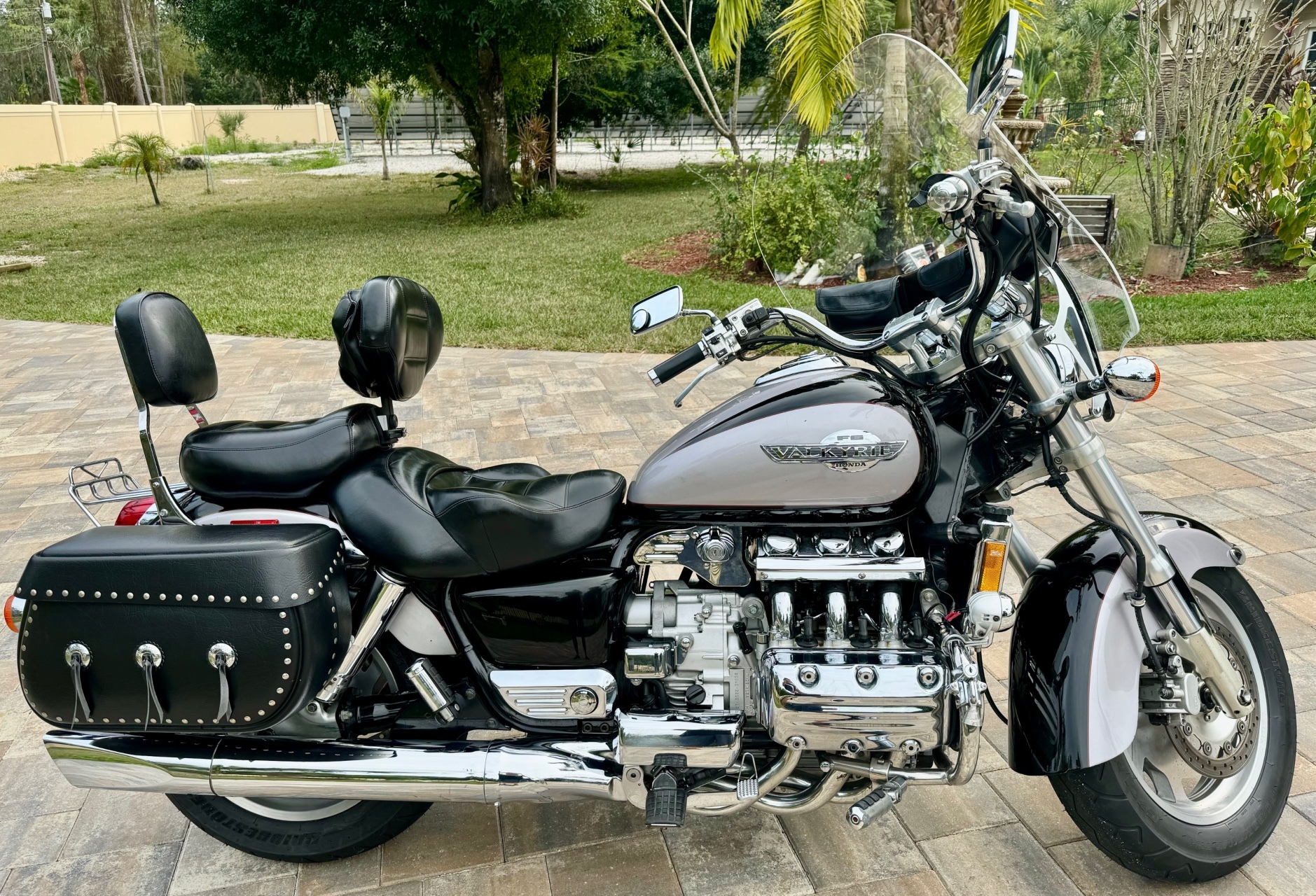
When Honda introduced the Valkyrie (internationally known as the F6C) in the late 1990s, the cruiser segment was dominated by air-cooled V-twins mimicking traditional Harley-Davidson aesthetics. Honda disrupted this landscape by taking the engine architecture of its flagship touring machine, stripping away the bulky fairings, and wrapping it in a hot-rod chassis. Understanding the horsepower story of the 1999 Honda Valkyrie requires a deep dive into its mechanical lineage, intake configuration, chassis integration, and the lasting legacy of its high-output flat-six design.
Origins of the Flat-Six: Borrowing from the Gold Wing
To understand how the 1999 Honda Valkyrie achieved its legendary power delivery, one must look directly at its heart: the 1,520cc SOHC, 12-valve, horizontally opposed six-cylinder engine. In its standard Gold Wing configuration, this engine was optimized for effortless, long-distance touring, emphasizing low-end torque, quiet operation, and reliability across thousands of miles.
Honda's engineers, led by chief designer Toru Ogawa, envisioned a power cruiser that could harness this massive engine block in an aggressive, stripped-down frame. However, simply dropping a touring engine into a cruiser chassis would not satisfy riders looking for hot-rod performance. The motor required significant re-engineering to breathe better, rev faster, and deliver an aggressive power band suited for a muscle bike.
The primary modifications centered around the induction and exhaust systems. While the Gold Wing used dual carburetors, the Valkyrie engineering team implemented a sextet of 28mm Keihin constant-velocity carburetors—one for each cylinder. This individual runner setup drastically improved throttle response and volumetric efficiency, allowing the engine to inhale fuel-air mixtures much faster than its touring sibling.
The Numbers Game: Horsepower, Torque, and Specifications
In stock factory trim, the 1999 Honda Valkyrie is officially rated by Honda at approximately 100 horsepower (around 74 kW) at 5,000 to 5,500 RPM, paired with a substantial 96 lb-ft (130 Nm) of torque arriving low in the rev range at just 2,500 RPM. While modern high-performance motorcycles easily eclipse these figures, in 1999, a 100-horsepower cruiser was an absolute powerhouse that left competing V-twins far behind.
| Specification Category | 1999 Honda Valkyrie Factory Data |
|---|---|
| Engine Type | Liquid-cooled, SOHC, horizontally opposed flat-six |
| Displacement | 1,520 cc (92.8 cubic inches) |
| Bore x Stroke | 71.0 mm x 64.0 mm |
| Induction | Six 28mm Keihin constant-velocity carburetors |
| Horsepower | ~100 hp at 5,500 RPM (Claimed/Dyno tested) |
| Torque | 96 lb-ft (130 Nm) at 2,500 RPM |
| Transmission | 5-speed manual with shaft drive |
| Wet Weight | ~682 lbs (309 kg) to 734 lbs (333 kg depending on variant) |
The torque curve of the Valkyrie is exceptionally flat. Riders can twist the throttle in almost any gear and experience immediate forward momentum without waiting for the engine to spin up. This trait made the Valkyrie deceptively fast, capable of covering the quarter-mile in the low-to-mid 12-second range—an impressive feat for a machine weighing nearly 700 pounds dry.
Valve Timing and Camshaft Tweaks
The horsepower story of the Valkyrie goes deeper than just adding four more carburetors. Honda altered the engine's internal breathing by redesigning the camshaft profiles. The valve timing and lift were modified to shift the power band upward compared to the Gold Wing, sacrificing a minor fraction of ultra-low idle grunt for a stronger mid-range surge and a higher redline.
Furthermore, the exhaust system was completely redesigned. The Valkyrie featured a six-into-six exhaust system on standard models (or a six-into-two slash-cut system on the Tourer variant), which not only gave the motorcycle its signature hot-rod look but also reduced backpressure. This free-flowing exhaust allowed the flat-six to emit a deep, throaty growl that sounded entirely distinct from the rhythmic potato-potato cadence of American V-twins, often compared to the sound of a vintage Porsche sports car or a small displacement vintage sports car engine.
Chassis, Handling, and Putting Power to the Pavement
All the horsepower in the world is useless if a chassis cannot manage it. Weighing over 680 pounds dry, the Valkyrie was a heavy motorcycle, yet it earned a reputation for surprisingly nimble handling due to a low center of gravity. The horizontally opposed cylinders sat low in the frame, keeping the mass close to the pavement.
Power was transferred from the five-speed transmission to the rear wheel via a clean, low-maintenance shaft-drive system. While shaft drive can sometimes introduce jacking effects under heavy acceleration, Honda engineered the Valkyrie's drivetrain to mitigate this, ensuring smooth power delivery through sweeping turns and straightaways alike. Dual front disc brakes with four-piston calipers and a single rear disc provided the necessary stopping power to reign in the machine's considerable momentum.
Common Modifications and Aftermarket Tuning
Because the Valkyrie engine was fundamentally over-engineered for reliability, it possessed a tremendous safety margin for performance upgrades. Owners looking to extract even more horsepower frequently turned to the aftermarket.
- Jet Kit Upgrades: Because the stock setup utilized six carburetors, synchronization and jetting were critical. Upgraded jet kits optimized the air-fuel ratio, especially when paired with aftermarket exhausts.
- Exhaust Systems: While the factory six-into-six pipes looked stunning, aftermarket systems from companies like Cobra or Jardine could reduce weight and marginally improve exhaust scavenging.
- Timing Advancers: Installing an aftermarket ignition timing advancer altered the spark curve, resulting in sharper throttle response off idle and a crisper feel throughout the rev range.
- Supercharging: For extreme enthusiasts, bolt-on supercharger kits were occasionally developed, pushing the flat-six platform well past 150 horsepower, though this required internal engine reinforcement to maintain long-term reliability.
Frequently Asked Questions
How much horsepower does a stock 1999 Honda Valkyrie have?
A stock 1999 Honda Valkyrie produces approximately 100 horsepower at the crankshaft and around 90–92 horsepower at the rear wheel, accompanied by 96 lb-ft of torque. This output was among the highest in the cruiser category during the late 1990s.
How does the Valkyrie engine differ from the Gold Wing GL1500 engine?
While both share the same 1,520cc flat-six block, the Valkyrie features six individual 28mm carburetors instead of the Gold Wing's dual carb setup. It also utilizes unique camshaft profiles with revised valve timing and a freer-flowing exhaust system to generate higher peak horsepower and better mid-range throttle response.
Is the 1999 Honda Valkyrie considered a fast motorcycle?
Yes, for a heavyweight cruiser, the Valkyrie is exceptionally fast. Its ability to accelerate smoothly across a broad RPM range allows it to complete a quarter-mile run in roughly 12.3 seconds, outperforming many contemporary muscle cruisers of its era.
What fuel economy can I expect from a 1999 Honda Valkyrie?
Due to its heavy weight and six-carburetor induction system, fuel economy typically ranges between 32 and 38 miles per gallon (mpg), depending on riding style, tuning condition, and highway versus city usage.
What are common maintenance issues to watch out for on a 1999 Valkyrie?
The primary maintenance challenge with the Valkyrie is keeping its six carburetors synchronized and clean, as sitting with stale fuel can easily clog the jets. Routine checks should also include inspecting the shaft drive splines, timing belts, and electrical charging system.
Final Recommendations for Riders and Collectors
The 1999 Honda Valkyrie stands as a high-water mark for cruiser engineering, combining bulletproof reliability with an exotic, high-output flat-six engine. For prospective buyers and collectors, finding an unmolested, well-maintained example with properly synchronized carburetors ensures the best ownership experience. Prioritize service records, check for fuel system cleanliness if the bike has been sitting, and prepare to experience one of the smoothest, most distinct power deliveries in cruiser history.
Image Gallery