Can Menopause Cause Pubic Hair Loss? Understanding Hormonal Thinning
Yes, menopause can and frequently does cause pubic hair loss. As the body transitions out of its reproductive years, a significant decline in estrogen and progesterone levels disrupts the hair growth cycle. This hormonal shift often le...
Yes, menopause can and frequently does cause pubic hair loss. As the body transitions out of its reproductive years, a significant decline in estrogen and progesterone levels disrupts the hair growth cycle. This hormonal shift often leads to thinning, texture changes, or a complete loss of hair in the pubic region.
Contents
For many women, the transition into menopause brings about a variety of physiological changes that extend far beyond the well-known symptoms of hot flashes and night sweats. One of the more personal and less discussed symptoms is the thinning or loss of pubic hair. While it can be distressing or surprising, this phenomenon is a biologically documented part of the aging and menopausal process. By 2026, medical research has further clarified the endocrine mechanisms responsible for these changes, emphasizing that hair loss in this region is primarily a result of shifting hormonal ratios rather than a singular disease state.
The Biological Connection Between Menopause and Hair Loss
The health and density of human hair are deeply intertwined with the endocrine system. Hair follicles are sensitive to fluctuations in circulating hormones, specifically estrogens and androgens. To understand why menopause causes pubic hair loss, one must examine the specific role of these hormones in the hair growth cycle.
The Role of Estrogen and Progesterone
Estrogen is essentially a "pro-hair" hormone for women. It helps to keep hair in the anagen phase, which is the active growing phase of the hair cycle. During this phase, the hair follicle is robust and produces a thick, pigmented hair shaft. Progesterone also plays a supportive role by inhibiting the conversion of testosterone into dihydrotestosterone (DHT), a potent androgen that can shrink hair follicles.
As a woman enters perimenopause and eventually menopause—defined as the point 12 months after the final menstrual period—the production of estrogen and progesterone by the ovaries drops precipitously. With less estrogen to sustain the anagen phase, hair follicles spend more time in the telogen phase (the resting phase) and the kenogen phase (the phase where the follicle remains empty). Consequently, hair falls out more easily and takes much longer to regrow.
The Androgen Shift
While estrogen levels fall dramatically during menopause, the adrenal glands and ovaries continue to produce small amounts of androgens (male-type hormones like testosterone and DHEA). This creates a hormonal imbalance where androgens become relatively more dominant in the female body.
In the pubic region, hair follicles are particularly sensitive to these androgens. While androgens are responsible for the growth of pubic and axillary (underarm) hair during puberty, the specific "relative androgen dominance" during menopause can lead to follicular miniaturization. This is the process where the hair follicle physically shrinks, producing finer, thinner, and eventually invisible "vellus" hair before ceasing production entirely.
Why Pubic Hair specifically?
Many women notice thinning on their scalp (female pattern hair loss) concurrently with pubic hair loss, but the pubic region often shows changes earlier or more distinctly. This is because pubic hair is "androgen-dependent" hair.
Unlike the hair on your head, which grows regardless of pubic maturation, pubic hair only appears when androgen levels rise during puberty. Because its existence is so closely tied to the specific hormonal milieu of the reproductive years, it is one of the first areas to reflect the withdrawal of those same hormones during the menopausal transition.
Furthermore, as we reach 2026, clinical observations suggest that skin changes in the vulvar area also contribute. Genitourinary Syndrome of Menopause (GSM), which involves the thinning and drying of vaginal and vulvar tissues, can affect the local environment of the hair follicles, potentially accelerating the thinning process due to reduced blood flow and localized tissue atrophy.
Identifying Symptoms of Menopausal Pubic Hair Loss
The loss of pubic hair during menopause is rarely sudden. Instead, it follows a predictable progression that many women may not notice until the thinning is advanced.
- Reduced Density: The first sign is usually a general "sparse" feeling. The hair may no longer cover the same area it once did.
- Texture Alteration: Pubic hair, which is typically coarse and curly, may become finer, straighter, and softer.
- Slower Regrowth: If you shave or wax, you may notice that the hair takes weeks or even months longer to return to its previous length.
- Color Changes: Loss of pigment (graying or whitening) often occurs alongside thinning, as the melanocytes in the hair follicle also age and lose functionality.
- Complete Loss: In some cases, particularly in post-menopausal women in their late 60s or 70s, the pubic area may become entirely smooth.
Comparing Causes of Pubic Hair Loss
While menopause is a leading cause, it is not the only factor that can lead to hair loss in the genital area. It is important to distinguish between natural hormonal aging and other medical conditions.
| Cause | Primary Mechanism | Key Distinguishing Features |
|---|---|---|
| Menopause | Decline in estrogen; relative androgen dominance. | Gradual thinning; occurs alongside other menopausal symptoms. |
| Hypothyroidism | Low thyroid hormone levels slowing metabolism. | Often accompanied by fatigue, weight gain, and loss of the outer third of eyebrows. |
| Lichen Sclerosus | Autoimmune skin condition. | Patchy hair loss accompanied by white, "parchment-like" skin and intense itching. |
| Nutritional Deficiency | Lack of Iron, Ferritin, or Vitamin D. | Diffuse thinning across the whole body; brittle nails and pale skin. |
| Telogen Effluvium | Physical or emotional stress. | Sudden, rapid shedding (clumps) rather than gradual thinning. |
| Frontal Fibrosing Alopecia | Scarring alopecia. | Can cause permanent loss of eyebrows and pubic hair; requires dermatological diagnosis. |
Management and Treatment Options
If pubic hair loss is causing distress or is part of a broader pattern of hair loss that affects your self-esteem, several management strategies are available in 2026.
Hormone Replacement Therapy (HRT)
HRT is the most direct way to address the root cause of menopausal hair loss. By supplementing the body with estrogen (and often progesterone), HRT can help extend the anagen phase of the hair cycle. While many women find that HRT stabilizes scalp hair loss, its effects on pubic hair are more variable. Some women see a return of density, while others simply notice that the thinning stops progressing. According to the North American Menopause Society (NAMS), HRT should be tailored to the individual's risk profile and symptom severity.
Topical Treatments
While Minoxidil is frequently used for scalp hair loss, its use in the pubic region is generally not recommended unless specifically directed by a doctor. The skin in the genital area is much thinner and more sensitive than the scalp, making irritation or chemical burns a significant risk.
However, localized topical estrogen creams, often prescribed for vaginal atrophy, may provide some peripheral benefit to the surrounding skin health, though they are not primary treatments for hair regrowth.
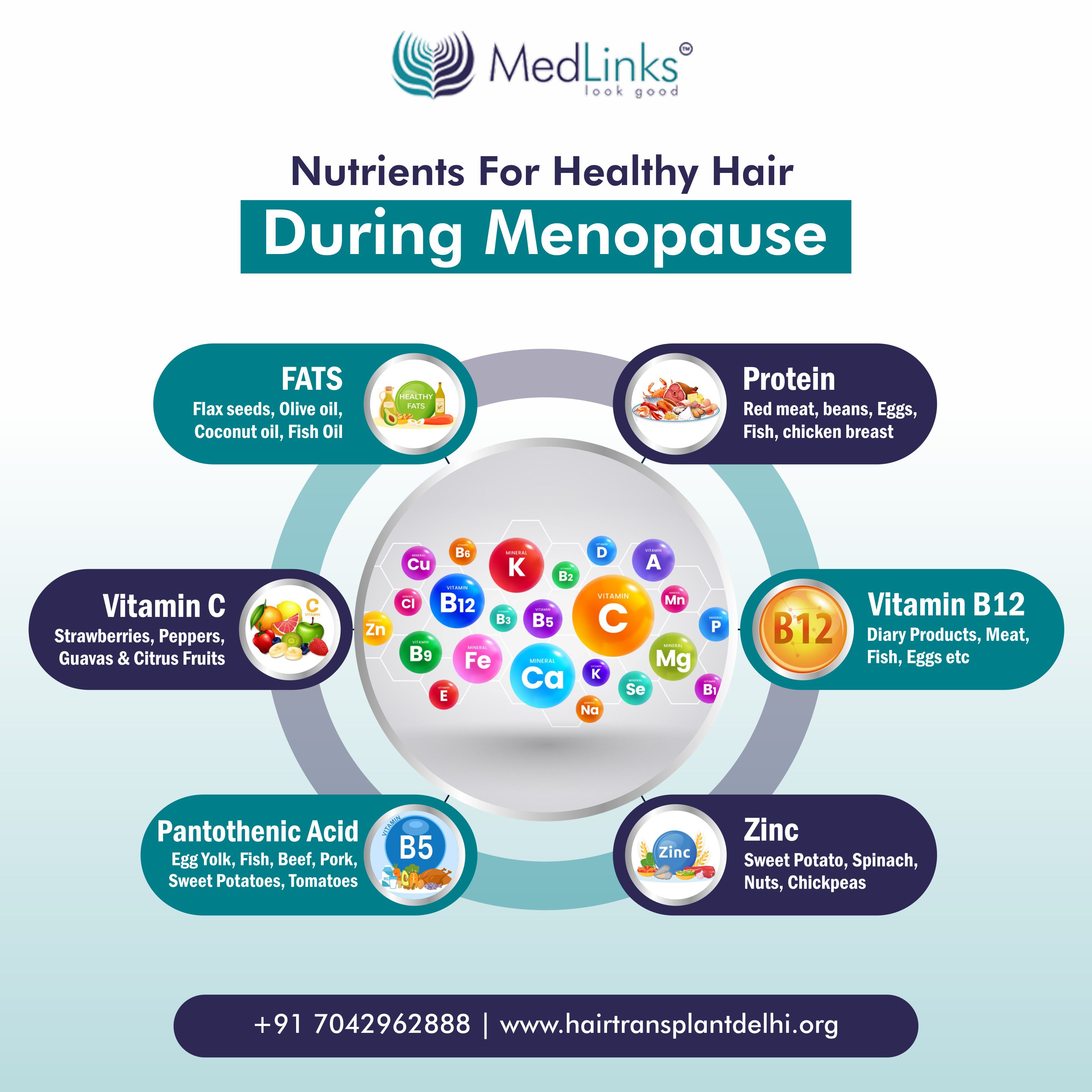
Nutritional Support
Ensuring your body has the building blocks for hair production is essential. Hair follicles are among the most metabolically active cells in the body.
- Iron and Ferritin: Low iron stores are a major contributor to hair thinning in women.
- Vitamin D: Research has shown that Vitamin D receptors play a role in initiating new hair cycles.
- Protein Intake: Hair is made of keratin; insufficient protein can cause the body to "ration" amino acids away from hair production.
Lifestyle and Gentle Care
Avoid harsh chemical soaps or aggressive grooming habits (like frequent waxing) which can further damage weakened follicles. As the skin in the pubic area becomes thinner during menopause, it is more susceptible to folliculitis (inflammation of the hair follicle) and scarring.
When to See a Doctor
While gradual thinning is a normal part of the menopausal transition, certain "red flags" warrant a consultation with a healthcare provider or dermatologist:
- Sudden or Patchy Loss: If the hair is falling out in distinct circular patches, this could indicate Alopecia Areata, an autoimmune condition.
- Itching, Pain, or Scarring: If the hair loss is accompanied by significant skin changes, such as bright red inflammation or white, scarred patches, it may be a condition like Lichen Planopilaris or Lichen Sclerosus.
- Total Body Hair Loss: Loss of hair under the arms, on the legs, and on the scalp simultaneously may point to an underlying systemic issue or a severe nutritional deficiency.
Medical professionals can perform blood tests to check thyroid function (TSH levels) and iron stores (Ferritin) to ensure that menopause is indeed the sole culprit.
Frequently Asked Questions
Does pubic hair grow back after menopause?
Generally, if the loss is due to the natural hormonal decline of menopause, it does not grow back spontaneously. Once the follicles have miniaturized and entered a dormant state, they typically remain that way unless hormonal intervention (like HRT) is started early in the transition.
Is pubic hair loss a sign of a serious illness?
In the vast majority of cases, no. It is a benign (though sometimes frustrating) symptom of aging and hormonal shifts. However, if it is accompanied by rapid weight changes, extreme fatigue, or skin lesions, it should be evaluated to rule out thyroid disorders or autoimmune skin diseases.
Why did my pubic hair turn gray before thinning?
The same process that causes scalp hair to gray—the depletion of melanin-producing cells in the follicle—affects pubic hair. This often happens concurrently with thinning because the health of the melanocytes is also influenced by the overall vitality and blood supply of the hair follicle.
Can I use scalp hair growth serums on my pubic area?
It is highly advised not to use scalp treatments (like those containing high alcohol content or Minoxidil) on the pubic region without medical supervision. The vulvar skin is highly absorbent and sensitive; these products can cause severe dermatitis or systemic absorption issues.
Does everyone lose their pubic hair during menopause?
No. Genetics plays a significant role. Some women experience total loss, while others maintain a significant amount of hair throughout their lives. If your mother or sisters experienced significant thinning, you are more likely to experience it as well.
Practical Recommendation
If you are noticing pubic hair loss and find it bothersome, the first step is to assess your overall menopausal symptoms. If you are also experiencing vaginal dryness, hot flashes, or mood changes, discuss a comprehensive hormone management plan with your gynecologist.
For those who are not candidates for HRT or prefer a non-hormonal route, focusing on skin health and nutrition is the best course of action. Use pH-balanced, fragrance-free moisturizers designed for the vulvar area to keep the skin supple, and ensure your diet is rich in iron and Vitamin D. Remember that this change is a normal biological progression and does not reflect a loss of vitality or health.
Image Gallery