Understanding Life Insurance for Life Empire Corners On: A Comprehensive Guide
Life insurance through Life Empire provides a strategic framework for financial security, focusing on high-cash-value policies and term protection designed to anchor a family’s "empire." By leveraging specific "corners" or pillars of f...
Life insurance through Life Empire provides a strategic framework for financial security, focusing on high-cash-value policies and term protection designed to anchor a family’s "empire." By leveraging specific "corners" or pillars of financial planning—protection, accumulation, and distribution—policyholders use these instruments to manage risk while building a transferable legacy.
Contents
Understanding life insurance within the context of the Life Empire philosophy requires moving beyond the simple concept of a death benefit. In 2026, the landscape of private wealth management and risk mitigation has evolved to treat life insurance as a foundational asset class. Whether you are engaging with Life Empire for individual coverage or as part of a broader entrepreneurial strategy, the "corners" of your financial house must be reinforced by specific policy structures tailored to your long-term objectives.
What is Life Empire and the "Corners" Philosophy?
Life Empire operates as a specialized financial services organization that emphasizes the "Empire" mindset—viewing personal finance as a sovereign entity that must be protected, expanded, and eventually transitioned. The "corners" referred to in their methodology represent the structural supports of a robust financial plan.
In this framework, life insurance is not merely a "just in case" expense. Instead, it is the cornerstone of a defensive strategy. The "corners on" approach refers to ensuring that every angle of financial vulnerability—premature death, chronic illness, and market volatility—is accounted for through diversified insurance products. By focusing on these corners, Life Empire helps clients move from a state of financial uncertainty to one of controlled growth.
The Four Pillars of the Life Empire Framework
- Risk Mitigation: Protecting the primary breadwinner's human capital.
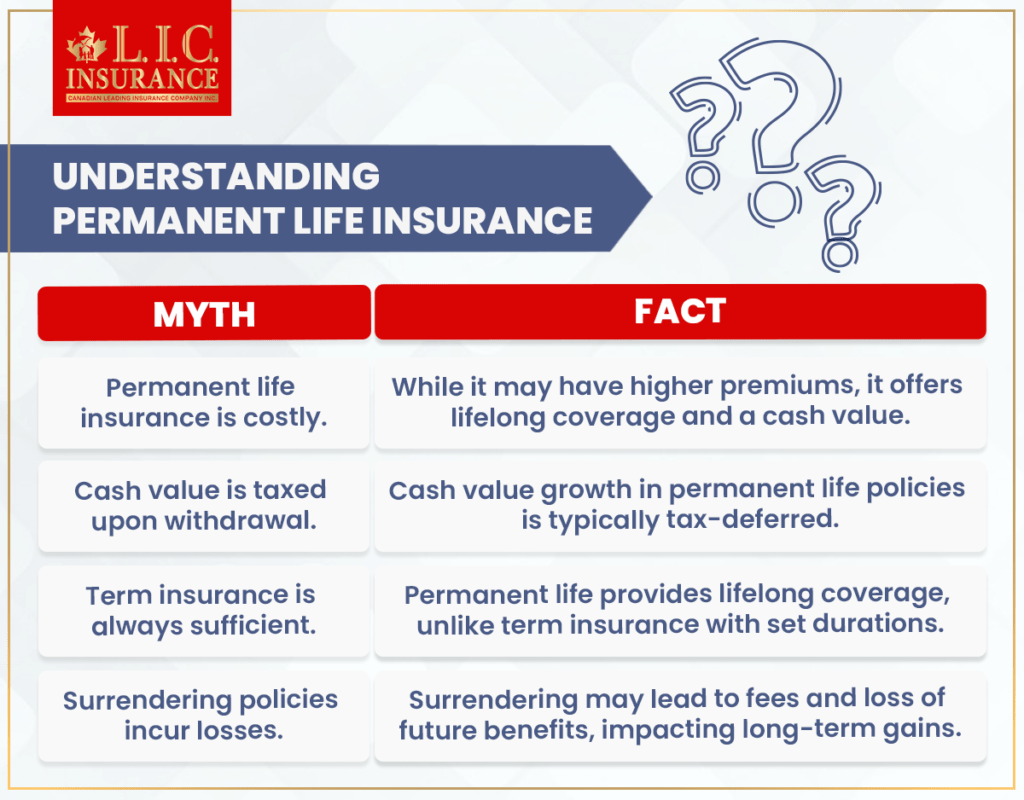
- Wealth Accumulation: Utilizing the tax-advantaged growth of permanent life insurance.
- Asset Protection: Shielding death benefits and, in some jurisdictions, cash values from creditors.
- Legacy Transfer: Ensuring the seamless transition of wealth to the next generation without the erosion of probate or excessive taxation.
Primary Life Insurance Products in the 2026 Market
To understand how Life Empire "corners" a financial plan, one must examine the specific types of insurance products used to build these structures. As of 2026, the preference has shifted toward flexible, transparent products that allow for both protection and participation in market-linked growth.
Indexed Universal Life (IUL)
IUL remains a flagship product for those following the Life Empire model. It offers a death benefit combined with a cash value component that earns interest based on the performance of a market index, such as the S&P 500.
- Floor Protection: A key feature of IULs in 2026 is the 0% floor, ensuring that even if the market crashes, the cash value does not lose principal due to market performance.
- Cap Rates: Policyholders must understand the "caps" or "participation rates" that limit how much of the market’s upside they can capture in exchange for the safety of the floor.
Term Life Insurance with Living Benefits
For those in the early stages of building their empire, term insurance provides maximum "corner" protection for a minimum cost. However, modern term policies often include living benefits, which allow the policyholder to access a portion of the death benefit if diagnosed with a critical, chronic, or terminal illness. This effectively "corners" the risk of a health crisis depleting a family's savings.
Whole Life Insurance
Often utilized for its predictability, Whole Life insurance provides a guaranteed death benefit, guaranteed premiums, and a guaranteed rate of cash value accumulation. In the Life Empire strategy, Whole Life is frequently used for "Infinite Banking" concepts, where the policyholder uses the cash value as a private reserve to finance other investments.
Technical Specifications: How the "Corners" Are Calculated
Determining the right amount of coverage within the Life Empire system involves a more technical analysis than traditional "10 times income" shortcuts. Agents and advisors typically look at the Human Life Value (HLV) and the Financial Needs Analysis (FNA).
The Human Life Value Approach
This calculation treats the individual as a revenue-generating asset. By calculating the net present value of all future earnings until retirement, an advisor can determine the total economic loss the "empire" would suffer upon the individual’s death.
The L.I.F.E. Acronym
Life Empire frequently utilizes the L.I.F.E. acronym to ensure all corners are covered:
- L - Liabilities: Mortgages, car loans, and business debts that must be cleared.
- I - Income Replacement: Providing for the daily living expenses of survivors.
- F - Final Expenses: Covering funeral costs, medical bills, and legal fees.
- E - Education/Endowment: Funding children's college or leaving a charitable legacy.
Comparing Policy Structures for 2026
When choosing how to "corner" your life insurance, a direct comparison of the most common 2026 policy types is essential.
| Feature | Term Life Insurance | Indexed Universal Life (IUL) | Whole Life Insurance |
|---|---|---|---|
| Duration | Fixed period (10–30 years) | Permanent (to age 121) | Permanent (Lifetime) |
| Premium Cost | Lowest initial cost | Moderate/Flexible | Highest initial cost |
| Cash Value | None | Market-linked (with floor) | Guaranteed growth |
| Death Benefit | Fixed | Level or Increasing | Fixed (usually) |
| Best Used For | Debt protection/Income replacement | Tax-advantaged growth/Living benefits | Predictability/Estate liquidity |
| Policy Loans | Not available | Yes (Variable or Fixed) | Yes (Fixed) |
The Role of Riders in Customizing Your Coverage
A "standard" policy rarely fits the complex needs of a Life Empire client. Riders are supplementary benefits added to a base policy to address specific risks, effectively "cornering" the gaps in a standard contract.
Chronic and Terminal Illness Riders
In 2026, these are often included by default in high-quality policies. They allow the policyholder to accelerate the death benefit if they cannot perform at least two "Activities of Daily Living" (ADLs). This is a critical component of the Life Empire strategy, as it protects the empire's assets from being liquidated to pay for long-term care.
Waiver of Premium Rider
If the policyholder becomes totally disabled and unable to work, this rider ensures that the insurance company pays the premiums on their behalf. This keeps the "corner" of protection in place even when the empire’s primary engine—the policyholder’s income—has stopped.
Overloan Protection Rider
Specifically for IULs and permanent policies, this prevents a policy from "lapsing" due to excessive loans. If a policy lapses with a large loan balance, it can trigger a massive taxable event. This rider is essential for the "accumulation" corner of the strategy.
Common Pitfalls and Troubleshooting the "Empire" Strategy
Understanding life insurance for Life Empire also means recognizing where things can go wrong. Mismanaging a policy can lead to the "corners" of your financial plan crumbling.
1. Underfunding Permanent Policies
A common mistake with IULs is paying only the minimum premium. In the early years of a policy, the "cost of insurance" (COI) is low, but it increases as the insured ages. If the policy is underfunded, the cash value may not grow fast enough to cover the rising COI in later years, potentially leading to a policy collapse.
2. Misunderstanding the "Tax-Free" Nature
While life insurance death benefits are generally income tax-free under IRC Section 101(a), the cash value access is only tax-free if handled correctly. Loans are not taxed, but withdrawals above the "basis" (the total premiums paid) are. Furthermore, if a policy is classified as a Modified Endowment Contract (MEC) because it was funded too quickly, the tax advantages change significantly.
3. Ignoring the Annual Review
The Life Empire model relies on active management. Life changes—marriage, divorce, business expansion, or the birth of a child—require adjustments to beneficiaries and coverage amounts. An "empire" built on a 10-year-old assessment is likely exposed to new risks.
Strategic Implementation: Next Steps
To successfully implement a life insurance strategy that "corners on" your financial goals, you should follow a structured approach.
- Audit Existing Coverage: Before adding new "corners," evaluate what you currently have. Many people own "zombie policies" that no longer serve their purpose or are underperforming.
- Define the Primary Objective: Are you looking for the cheapest way to protect your family (Term), or are you looking for a secondary retirement vehicle (IUL/Whole Life)?
- Verify Agent Credentials: Ensure your Life Empire representative is properly licensed in your state. You can verify licenses through the National Association of Insurance Commissioners (NAIC).
- Simulate the "What Ifs": Ask for policy illustrations that show both "mid-range" and "worst-case" scenarios for interest rates and market caps. Never buy based on the "best-case" illustration alone.
Frequently Asked Questions
What does "corners on" mean in the context of Life Empire?
It refers to a comprehensive approach where life insurance is used to secure the four "corners" or pillars of a financial plan: protection, accumulation, asset shielding, and legacy. It signifies that the policy is a foundational piece of a larger "Empire" or financial ecosystem.
Is Life Empire a life insurance company?
Life Empire is typically a marketing or brokerage organization that partners with established insurance carriers. They provide the strategic framework and sales force, while the actual insurance contracts are issued by major providers like National Life Group, Transamerica, or Pacific Life.
Can I change my policy type later if my "empire" grows?
Most term policies include a conversion rider, allowing you to change the policy into a permanent one (like IUL or Whole Life) without a new medical exam. This is a vital feature for those who start with limited budgets but expect their financial needs to expand.
How does the 2026 economic environment affect IUL caps?
In 2026, cap rates are influenced by the cost of options in the financial markets and general interest rates. If interest rates are high, insurance companies can often offer higher caps or participation rates on their indexed products, making them more attractive for wealth accumulation.
Are the living benefits in Life Empire policies guaranteed?
The presence of the rider is guaranteed if it is part of the contract, but the amount you receive depends on the severity of the illness and the specific terms of the "acceleration" clause. It is not a separate pot of money; it is an early advancement of the death benefit you already purchased.
Image Gallery