The Reality of Single Parent Fathers in the United States
The reality of single parent fathers in the United States involves navigating unique socioeconomic challenges, balancing rigorous work and caregiving demands, and overcoming systemic hurdles while raising children independently. Unders...
The reality of single parent fathers in the United States involves navigating unique socioeconomic challenges, balancing rigorous work and caregiving demands, and overcoming systemic hurdles while raising children independently.
Contents
Understanding the Demographic Landscape of Single Fathers
The landscape of single fatherhood in the United States has evolved significantly over the past several decades. Historically, family law courts and societal expectations overwhelmingly favored maternal custody following a divorce, separation, or non-marital separation. However, demographic shifts tracked by agencies such as the U.S. Census Bureau indicate a steady, measurable rise in households maintained by single fathers.
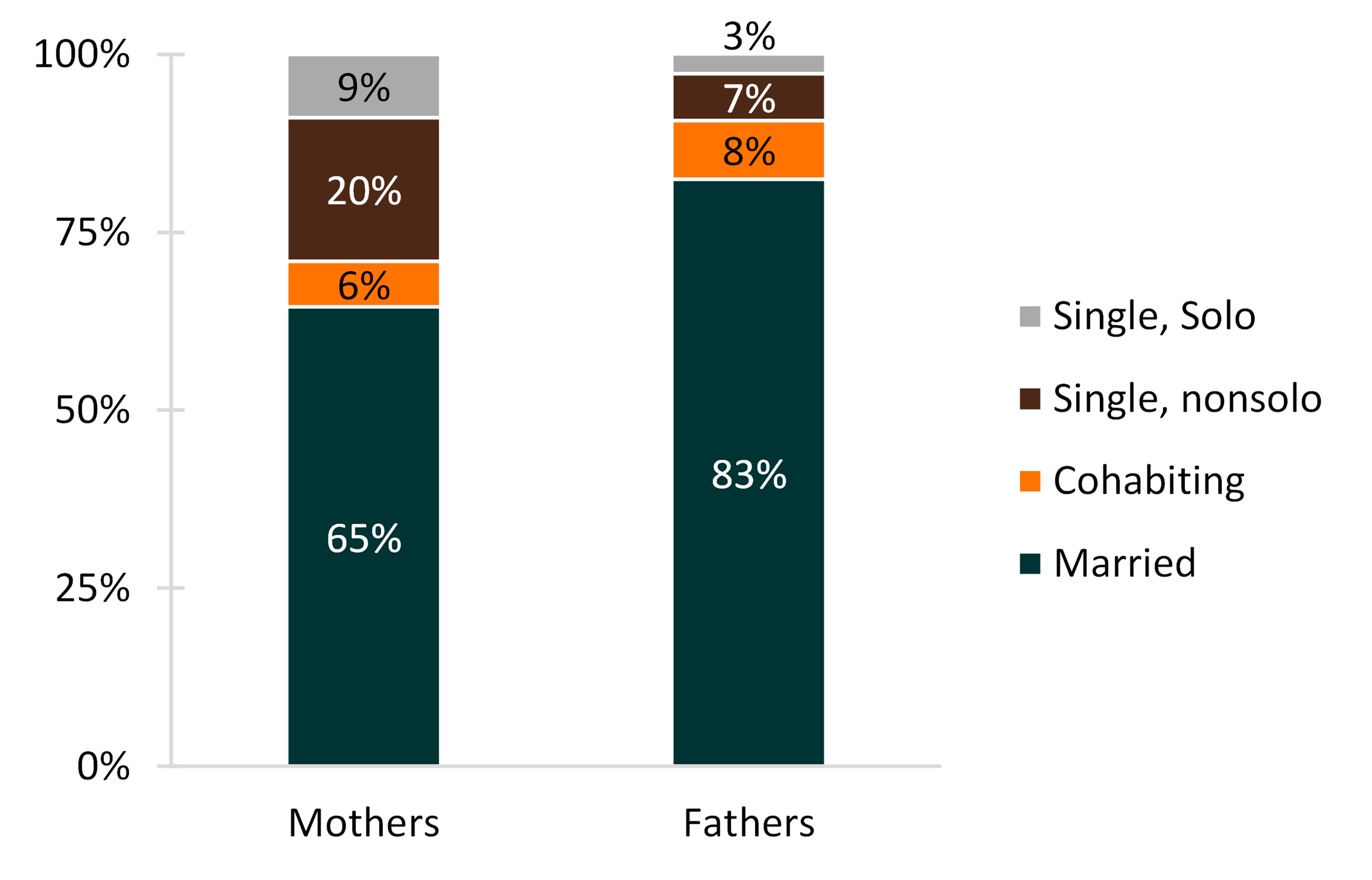
While households headed by single mothers still constitute the vast majority of solo-parent families, single-father households now represent a substantial segment of American family structures. These fathers include widowers, divorced dads with sole or primary physical custody, unmarried fathers raising children independently, and adoptive single fathers.
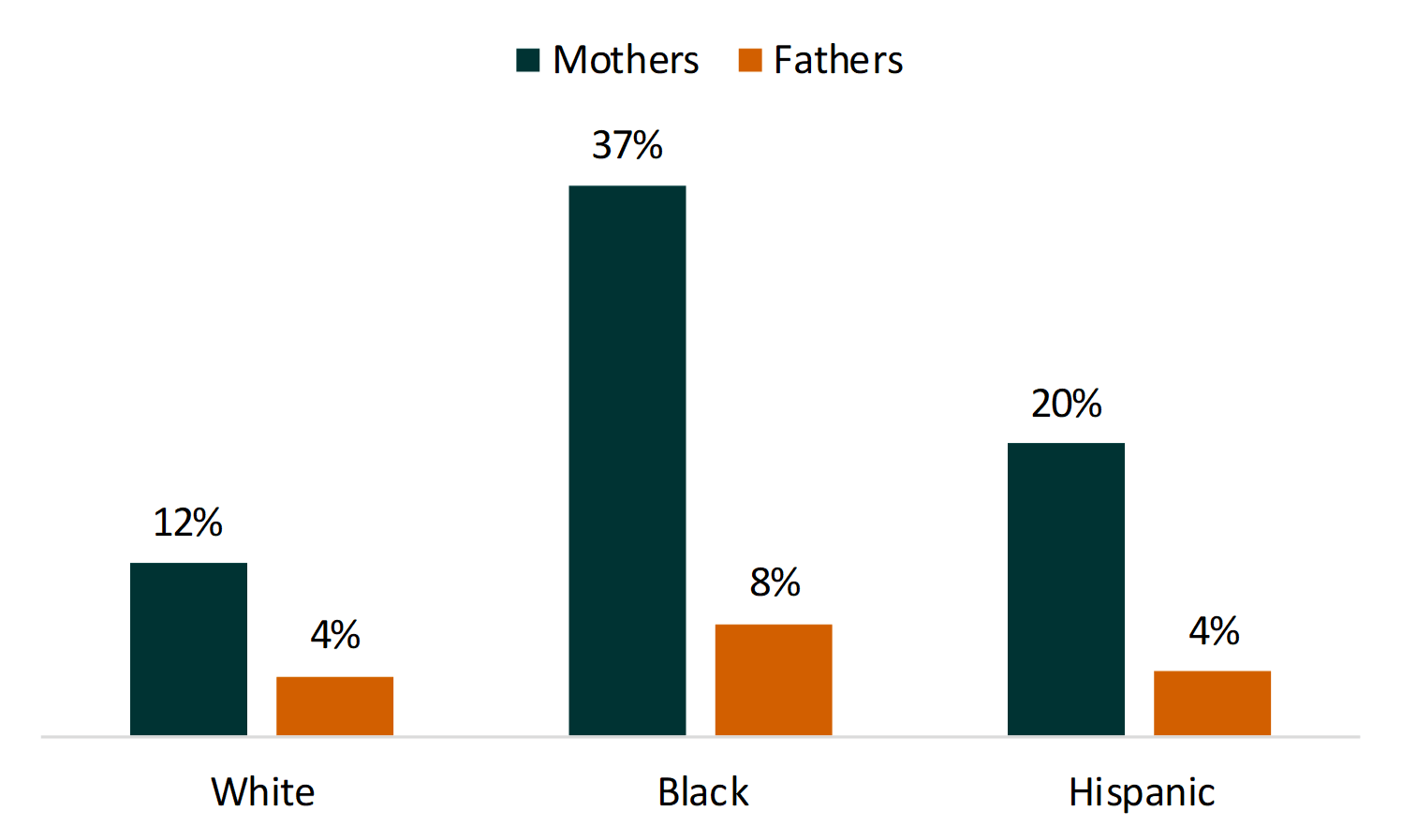
Examining this demographic requires looking beyond broad percentages. Single-father households vary widely by race, ethnicity, age, and geographic location. Understanding these variables provides context for the systemic resources, financial pressures, and social environments these men encounter daily.
Socioeconomic Realities: Income, Employment, and Poverty
Financial stability remains one of the most defining factors in the daily reality of single parent fathers. While single-father households generally report higher median incomes than single-mother households—largely due to higher average male earnings and full-time employment rates—they still experience significant economic vulnerability compared to dual-parent households.
The Earnings and Employment Gap
Most single fathers must maintain full-time employment to support their households. Balancing demanding work schedules with school pickups, medical appointments, and domestic labor creates chronic operational friction.
- Wage Disparities: Although men statistically earn more than women on average, low-income single fathers face severe economic strain, particularly those working hourly or service-sector jobs without paid leave.
- Workplace Flexibility: Many single fathers report professional friction when requesting schedule adjustments to accommodate childcare emergencies, leading to stalled career advancement or lost wages.
Public Assistance Disparities
Historically, public assistance programs such as Temporary Assistance for Needy Families (TANF), the Supplemental Nutrition Assistance Program (SNAP), and subsidized childcare were designed with primary maternal caregivers in mind. Single fathers frequently report encountering institutional skepticism, administrative hurdles, or a lack of targeted outreach when attempting to access safety-net services.
Legal Systems, Child Custody, and Family Courts
Navigating the family court system is a major milestone for most single fathers. Historically, the "tender years doctrine" presumed that mothers were naturally better suited to raise young children. Although modern family law relies on the legal standard of the "best interests of the child," many fathers still navigate implicit biases during custody disputes.
Securing Primary Custody
Fathers who secure primary or sole custody often do so after protracted legal battles that demand substantial financial investments in legal representation. Shared parenting arrangements have become more common, but fathers who take on the primary caregiving role full-time frequently have to prove their competency in ways that rarely apply to mothers.
- Legal Representation: Access to affordable family law counsel heavily dictates custody outcomes. Fathers with limited financial resources often struggle to secure equal legal footing against opposing counsel.
- Enforcement of Rights: Once custody or visitation orders are established, fathers frequently report challenges in enforcing court-mandated schedules, requiring ongoing court intervention.
Social Support Networks and the Stigma of Single Fatherhood
Isolation is a pervasive challenge for single fathers. Parenting culture in the United States—ranging from school Parent-Teacher Associations (PTAs) to pediatric waiting rooms—has traditionally centered on mothers.
Navigating Gendered Spaces
Single fathers frequently report feeling like outsiders in maternal-dominated parenting spaces. Finding community support, playgroups, and peer mentorship tailored to solo fathers can be exceptionally difficult. This lack of social infrastructure often leaves fathers to figure out domestic management, emotional coaching, and developmental milestones entirely on their own.
The "Superdad" Myth vs. Social Stigma
Media portrayals often swing between two extremes: the incompetent dad who cannot manage basic domestic tasks, or the heroic "Superdad" who manages everything effortlessly. Both tropes obscure the mundane, stressful reality of single parenting. The pressure to disprove negative stereotypes while managing normal domestic stress can lead to mental health struggles, including anxiety, depression, and burnout.
Key Metrics: Single-Parent Households in the United States
To contextualize the scale and economic standing of solo-parent households, federal data highlights distinct structural differences between maternal and paternal single-parent families.
| Household Characteristic | Single-Father Households | Single-Mother Households | Dual-Parent Households |
|---|---|---|---|
| Approximate Share of U.S. Families | ~3% to 4% of all households | ~15% to 20% of all households | ~65% to 70% of all households |
| Median Household Income | Moderate ($50,000 – $65,000 avg.) | Lower ($35,000 – $45,000 avg.) | Higher ($90,000+ avg.) |
| Full-Time Employment Rate | High (Majority work full-time) | Moderate (Higher part-time ratio) | Mixed (Dual or single earner) |
| Primary Economic Risk | Childcare costs & schedule inflexibility | Wage gaps & systemic poverty | Cost of living & housing |
Child Development and Outcomes in Single-Father Homes
A frequent area of inquiry involves the developmental outcomes of children raised by single fathers. Decades of sociological and psychological research indicate that a child's well-being depends far less on the gender or marital status of the parent and far more on the quality of the parent-child relationship, household stability, and access to resources.
- Emotional Bonding: Single fathers often develop deep, communicative bonds with their children out of necessity, breaking historical models of distant or purely authoritarian fatherhood.
- Academic and Social Performance: Studies show that children in stable single-father households achieve developmental and academic outcomes comparable to those in single-mother households, provided socioeconomic stability is maintained.
Frequently Asked Questions
How many single fathers are there in the United States?
According to U.S. Census Bureau estimates, there are approximately 2 to 3 million single-father households in the United States, representing a significant minority of all single-parent families nationwide.
Do single fathers qualify for government assistance programs?
Yes. Single fathers legally qualify for federal and state assistance programs such as SNAP, Medicaid, and subsidized housing based on income eligibility. However, fathers report utilizing these programs at lower rates due to lack of outreach, administrative hurdles, and traditional program designs.
Are family courts biased against fathers seeking custody?
While modern family law explicitly mandates gender-neutral "best interests of the child" standards, implicit biases and historical precedents can still surface. Fathers who present stable housing, established caregiving involvement, and reliable income routinely secure primary custody, though legal hurdles remain common.
What are the biggest challenges faced by single fathers?
The primary challenges include balancing rigid full-time work schedules with caregiving duties, securing affordable and flexible childcare, combating social isolation in maternal-centric parenting spaces, and managing household finances independently.
How do children raised by single fathers fare emotionally?
Children raised by single fathers thrive when they experience consistent emotional support, stable routines, and a secure home environment. Research confirms that parenting quality and resource stability outweigh family structure in determining long-term child success.
Practical Next Actions and Support Resources
For single fathers navigating the realities of solo parenting in the United States, accessing structural, legal, and community support is vital for long-term stability.
- Establish Legal Clarity: Ensure all custody, visitation, and child support agreements are formally filed through the family court system to protect parental rights and secure financial predictability.
- Seek Out Peer Networks: Connect with local or online organizations dedicated to single-parent support, such as local community centers, fatherhood initiatives, and specialized parenting groups.
- Utilize Public and Non-Profit Resources: Research state-level human services departments to verify eligibility for subsidized childcare, healthcare programs, and nutritional assistance.
- Prioritize Mental Health: Acknowledge the weight of solo caregiving. Utilize counseling and employee assistance programs (EAP) to maintain personal well-being and prevent parental burnout.
Image Gallery