Which Country Has the Best Water? Evaluating Global Drinking Water Quality, Safety, and Mineral Standards
When evaluating which country has the best water, public health experts, environmental scientists, and hydrologists generally point to nations in Northern and Western Europe, such as Switzerland, Sweden, Norway, and Finland, where stri...
When evaluating which country has the best water, public health experts, environmental scientists, and hydrologists generally point to nations in Northern and Western Europe, such as Switzerland, Sweden, Norway, and Finland, where strict environmental protections, extensive natural groundwater reserves, and advanced municipal treatment systems produce exceptionally clean and safe tap water.
Contents
Determining which nation boasts the highest quality water requires looking past simple aesthetic preferences and examining rigorous scientific criteria. Global water quality assessments rely on a complex matrix of microbiological safety, chemical contamination limits, infrastructural integrity, and mineral composition. While hundreds of millions of people worldwide lack access to basic safely managed drinking water, developed nations with robust regulatory frameworks consistently rank at the top of international indexes. Understanding what makes water truly exceptional involves analyzing geographical sources, regulatory standards, treatment technologies, and the balance between public health safety and natural mineral profiles.
The Metrics of Water Excellence: Safety, Purity, and Composition
When defining the "best" water, researchers must first separate public health safety from subjective taste profiles. Safe drinking water must be entirely free from pathogenic bacteria, viruses, and harmful parasites like Giardia and Cryptosporidium. Furthermore, it must meet stringent thresholds for chemical pollutants, including heavy metals (such as lead, copper, and arsenic), agricultural runoff nitrates, industrial solvents, and emerging contaminants like polyfluoroalkyl substances (PFAS).
Beyond basic safety, connoisseurs and hydrogeologists often evaluate water based on its Total Dissolved Solids (TDS) and mineral balance. Calcium, magnesium, potassium, and bicarbonate ions contribute significantly to the mouthfeel, crispness, and perceived quality of water. Hard water, which contains higher concentrations of calcium and magnesium, is often prized for its health benefits and rich taste, whereas soft water contains lower mineral content and is less prone to scaling household pipes. The ideal national water supply combines absolute chemical and biological safety with a naturally pleasant mineral structure that requires minimal artificial chemical intervention before reaching the consumer tap.
Leading Nations in Global Water Quality
International environmental performance indexes, such as the Yale Environmental Performance Index (EPI) compiled in collaboration with the World Economic Forum, consistently evaluate countries on sanitation and drinking water quality. Several nations stand out for their exemplary water management strategies and pristine natural resources.
Switzerland: Alpine Purity and Strict Protection
Switzerland is frequently cited as a global leader in drinking water quality. Approximately 40% of Swiss drinking water comes from natural groundwater springs, another 40% from pristine lakes (primarily Lake Geneva and Lake Constance), and the remainder from alpine groundwater sources.
The Swiss Federal Food Safety and Veterinary Office enforces rigorous legal standards. Because much of Switzerland's water originates from high-altitude snowmelt and protected alpine aquifers, it often requires little to no chemical treatment, such as chlorination, before distribution. Strict agricultural zoning laws around water catchment areas prevent pesticide and fertilizer contamination, ensuring that the source water remains exceptionally pure from the outset.
Scandinavian Excellence: Norway, Sweden, and Finland
The Nordic countries benefit from a combination of low population density, vast wilderness areas, and abundant freshwater lakes fed by high annual precipitation.
- Norway: Norway relies heavily on surface water from lakes and rivers. Due to minimal industrial pollution in vast regions and rigorous municipal filtration, Norwegian tap water is widely regarded as some of the cleanest and best-tasting in the world.
- Sweden: Sweden utilizes a balanced mix of surface water and artificially recharged groundwater. Municipalities invest heavily in advanced multi-stage treatment facilities that utilize ultrafiltration and activated carbon filtration to eliminate organic matter and trace contaminants.
- Finland: The Finnish Environment Institute and municipal water authorities oversee systems where natural groundwater and sand-filtered surface water undergo minimal chemical processing. Finland's bedrock geology naturally buffers water acidity, preventing toxic heavy metals from leaching into the supply.
Comparative Overview of Leading Water Nations
| Country | Primary Water Sources | Key Treatment Methods | Typical Mineral Profile | Notable Advantages |
|---|---|---|---|---|
| Switzerland | Alpine springs, deep groundwater, lakes | Mechanical filtration, UV disinfection (minimal chlorination) | Moderate to high calcium and magnesium (balanced hardness) | Protected catchment zones, pristine natural sources |
| Norway | Surface lakes, rivers | Screening, coagulation, pH adjustment, UV/chlorine disinfection | Low mineral content (soft water) | Abundant supply, low population pressure |
| Sweden | Surface water, artificial groundwater recharge | Coagulation, sand filtration, activated carbon, UV | Low to moderate mineral content | Advanced municipal infrastructure, strict monitoring |
| New Zealand | Deep aquifers, protected upland catchments | Minimal treatment in rural areas, standard chlorination in cities | Balanced mineral composition | High reliance on untamed natural subterranean sources |
Infrastructure and Treatment: Keeping Purity Intact
Having access to pristine natural water sources is only the first step. The engineering and maintenance of the distribution network are equally critical in determining the quality of water that emerges from a household tap. Even the purest mountain spring water can become contaminated if it travels through corroded, century-old lead or iron pipes.
Countries with the best water invest heavily in infrastructure replacement, smart leak-detection sensors, and real-time digital monitoring. For instance, nations like Singapore and the Netherlands, while operating under different geographical constraints than Switzerland or Norway, achieve world-class water purity through hyper-advanced technological intervention. Singapore utilizes ultra-clean reclaimed water known as NEWater, passing municipal wastewater through microfiltration, reverse osmosis, and ultraviolet disinfection to produce water that exceeds World Health Organization (WHO) drinking standards. However, when everyday consumers ask about natural water quality, they typically prioritize the untreated or lightly treated spring-fed systems found in mountainous or heavily forested European nations.
The Role of Government Regulation and Testing
National water quality is fundamentally tethered to regulatory oversight. In the European Union, the revised Drinking Water Directive establishes stringent quality standards aligned with the latest scientific recommendations from the WHO. Member states must test for a comprehensive list of chemical and microbiological parameters with high frequency.
Similarly, in countries like New Zealand and Canada, environmental agencies monitor freshwater ecosystems and municipal supplies to prevent agricultural runoff and industrial pollution. Public transparency is a common thread among nations with superior water: municipal testing results are routinely published online, allowing citizens to inspect the exact mineral breakdown, pH levels, and contaminant testing summaries of their local tap water in real time.
Common Misconceptions About Bottled Versus Tap Water
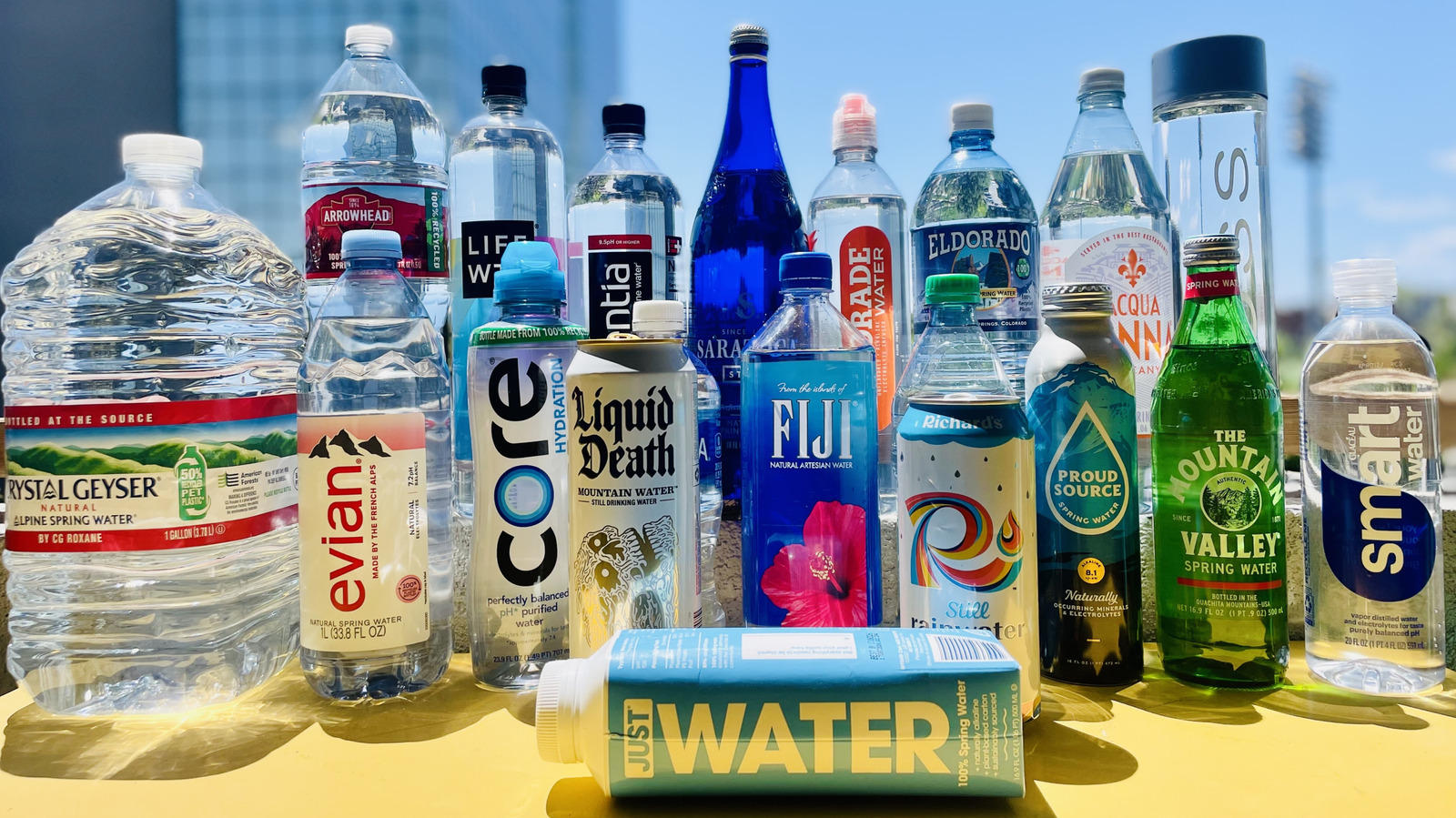
A frequent point of discussion in the search for the best water is whether commercial bottled water surpasses municipal tap water. In many developing regions, bottled water is a medical necessity. However, in countries with elite tap water systems—such as Switzerland, Sweden, or Germany—municipal tap water is often subject to stricter regulatory testing, safety reporting, and quality controls than commercial bottled water.
Furthermore, blind taste tests frequently demonstrate that consumers cannot reliably distinguish between high-end bottled mineral water and premium municipal tap water. Relying on tap water in countries with superior infrastructure also eliminates the environmental footprint associated with single-use plastic bottles, transportation emissions, and industrial packaging waste.
Frequently Asked Questions
Which specific city has the best tap water in the world?
While rankings vary, cities located near pristine alpine or glacial sources—such as Zurich (Switzerland), Vienna (Austria), Stockholm (Sweden), and Christchurch (New Zealand)—frequently top global municipal water quality evaluations due to their combination of pure natural aquifers and advanced infrastructure.
Is hard water or soft water healthier to drink?
Both are safe to drink, but they offer different benefits. Hard water contains higher levels of dissolved calcium and magnesium, which can contribute to daily nutritional intake and is often preferred for its robust taste. Soft water contains lower mineral content, which prevents scale buildup in appliances but may have a flatter taste profile.
Why does tap water taste different when traveling between countries?
Tap water taste is directly influenced by the local geology of the water source. Water filtered through limestone bedrock picks up calcium and bicarbonate, creating a crisp, mineral-rich flavor. Water sourced from granite or sandstone regions, or from surface reservoirs, typically contains fewer minerals and tastes softer or more neutral.
How do regulatory bodies ensure tap water safety?
Regulatory agencies require municipal utilities to conduct thousands of tests annually across various points in the treatment and distribution chain. These tests screen for bacterial pathogens, chemical residues, heavy metals, and turbidity to ensure compliance with strict national and international public health laws.
Can water quality change seasonally in developed nations?
Yes. Heavy rainfall, spring snowmelt, and agricultural runoff can introduce temporary turbidity or organic matter into surface water supplies. Water treatment facilities in top-tier nations automatically adjust their filtration protocols, coagulant dosing, and disinfection stages in real time to counteract these seasonal variations.
Conclusion and Recommendations
When identifying which country has the best water, Switzerland and the Nordic nations emerge as the clear frontrunners due to their pristine natural geography, stringent environmental protection laws, and advanced municipal treatment infrastructures. For travelers and residents alike, utilizing local public tap water in these regions is not only entirely safe but often provides a higher standard of biological purity and mineral balance than commercial bottled alternatives. To verify local water safety when relocating or traveling, consult official national environmental agency reports or municipal water quality dashboards rather than relying on anecdotal preferences.
Image Gallery