Understanding What Pay Once Life Insurance Provides
"Pay once" life insurance, technically referred to as a Single Premium Life Insurance (SPLI) policy, provides a permanent death benefit in exchange for a single, upfront lump-sum payment. Unlike traditional policies requiring monthly o...
"Pay once" life insurance, technically referred to as a Single Premium Life Insurance (SPLI) policy, provides a permanent death benefit in exchange for a single, upfront lump-sum payment. Unlike traditional policies requiring monthly or annual premiums, this financial instrument is fully funded at inception, eliminating the risk of policy lapse due to missed payments while offering potential cash value growth and estate planning benefits.
Contents
The Mechanics of Single Premium Life Insurance
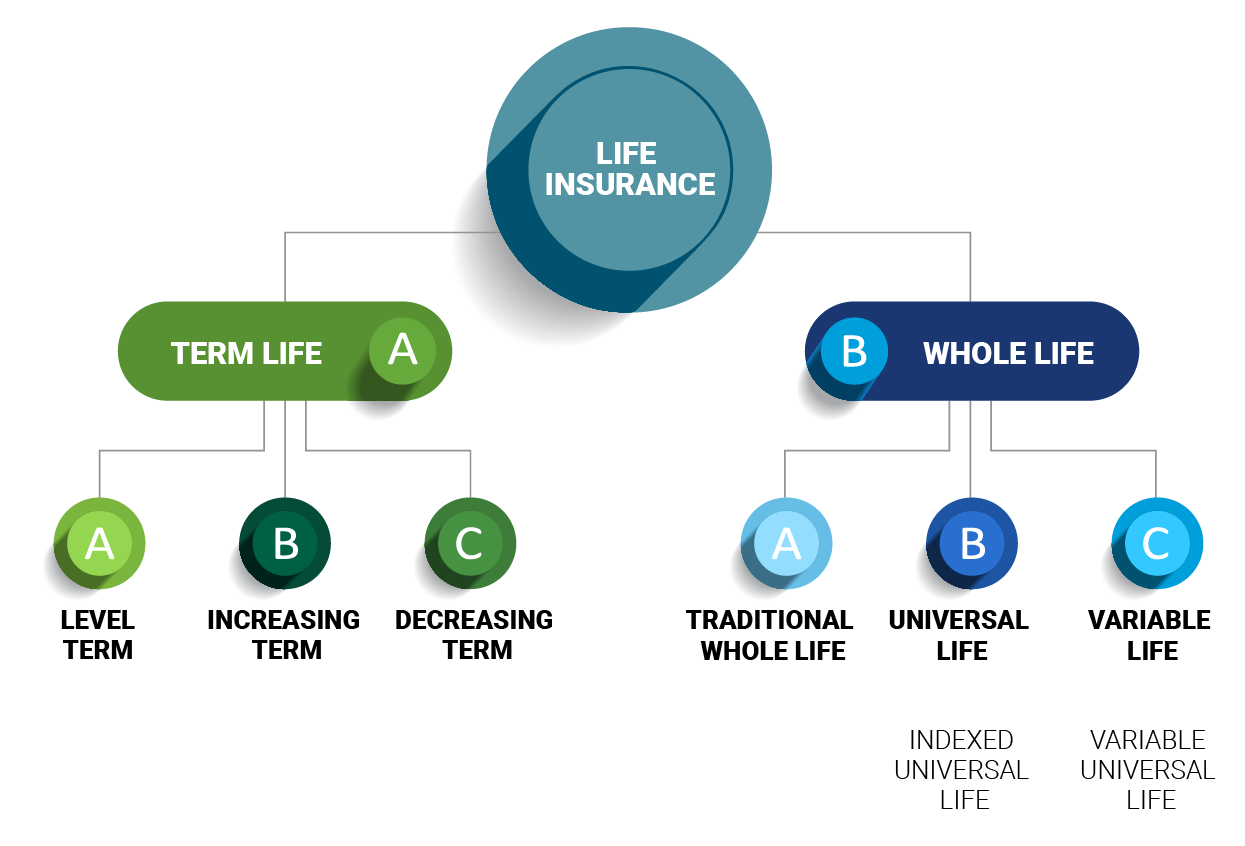
Single premium life insurance functions differently from conventional term or universal life products. When you purchase an SPLI policy, you transfer a lump sum of capital to the insurance carrier. This capital immediately establishes the policy’s death benefit, which is guaranteed to remain in force for the rest of your life, provided the policy is not surrendered.
Because the premium is paid in full at the start, there is no ongoing administrative burden of billing cycles or the risk of policy termination due to non-payment. This simplicity makes it a popular choice for individuals who have acquired a windfall—such as an inheritance, the sale of a business, or the maturity of another investment—and wish to secure a legacy or provide liquidity for their heirs without future financial obligations.
Core Features and Benefits
The primary value proposition of "pay once" life insurance lies in the combination of protection and potential asset growth. The benefits generally include:
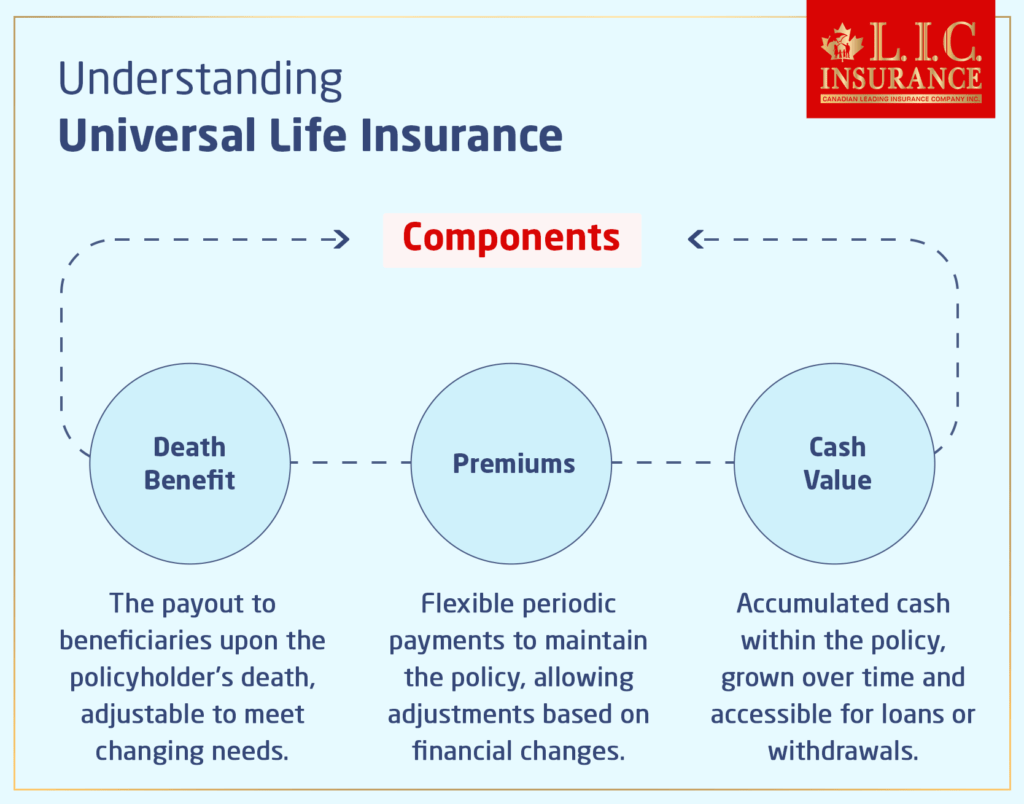
- Guaranteed Death Benefit: Your beneficiaries receive a specified amount, which is typically income-tax-free, providing immediate liquidity to cover final expenses, debts, or estate taxes.
- Cash Value Accumulation: A portion of the single premium is directed into a cash value account. This account grows over time, often based on fixed interest rates or market-linked performance, depending on the specific product structure.
- Asset Diversification: For high-net-worth individuals, an SPLI policy serves as a vehicle to reposition taxable assets into a tax-advantaged environment.
- Policy Loan Accessibility: Most "pay once" policies allow the policyholder to take loans against the cash value, providing a source of emergency liquidity without needing to surrender the policy entirely.
Eligibility and Prerequisites
Not every applicant is automatically eligible for single premium life insurance. Because these policies often involve significant upfront capital, they are treated differently by both insurance companies and regulatory bodies like the Internal Revenue Service (IRS).
- Underwriting Requirements: While you pay the premium upfront, you must still meet the insurer's health and lifestyle underwriting standards. Insurers require a medical history review and, occasionally, a paramedical exam to determine your risk profile.
- Modified Endowment Contract (MEC) Status: This is a critical technical factor. If a life insurance policy is funded too aggressively, the IRS classifies it as a Modified Endowment Contract. While you can still hold an MEC, the tax advantages change; specifically, loans and withdrawals become taxable under "last-in, first-out" (LIFO) rules, and a 10% penalty may apply if you are under age 59½. Insurers structure SPLI products to navigate these rules, but policyholders must remain aware of their policy's status.
- Minimum Funding: Carriers typically require a substantial minimum initial investment, often ranging from $10,000 to over $100,000, depending on the carrier’s specific product guidelines in 2026.
Comparative Analysis: Traditional vs. Single Premium
Understanding how "pay once" insurance stacks up against traditional recurring-premium policies helps in assessing its suitability for your financial goals.
| Feature | Single Premium (SPLI) | Traditional Whole Life |
|---|---|---|
| Premium Structure | One-time lump sum | Recurring (monthly/annual) |
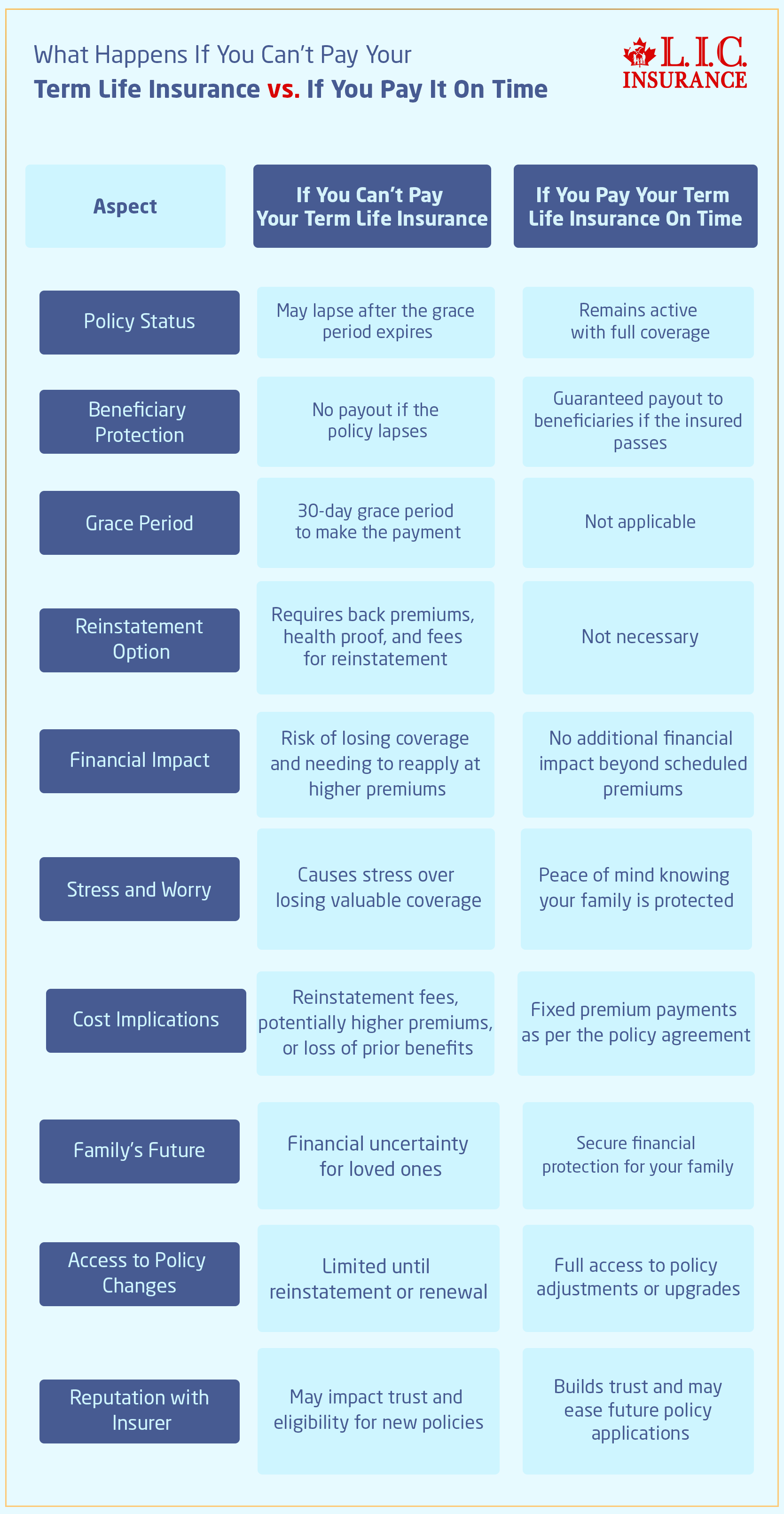
| Lapse Risk | None (fully funded) | Possible if premiums stop |
| Cash Value | Immediate, grows over time | Builds slowly over years |
| Tax Implications | Possible MEC status | Standard tax-deferred status |
| Underwriting | Standard (Medical/Non-medical) | Standard (Medical/Non-medical) |
Practical Considerations and Risks
While the "set it and forget it" nature of single premium insurance is appealing, it is not without drawbacks. The most significant concern is the loss of liquidity. Once the premium is paid, that capital is held by the insurance company. While you can access cash value through loans or surrenders, doing so may reduce the death benefit or incur surrender charges if the action occurs during the early years of the policy.
Furthermore, because the entire premium is tied up in the policy, you lose the opportunity to invest that money elsewhere. If market conditions yield higher returns than the cash value growth of the insurance policy, you have effectively opted for the safety of the death benefit over the potential growth of other investment vehicles.
Common Questions Regarding Single Premium Insurance
Can I get a refund of my single premium if I change my mind? Most policies have a "free look" period, usually 10 to 30 days after policy issuance, during which you can cancel for a full refund. After that period, surrendering the policy usually results in a cash surrender value, which may be significantly less than the original premium paid, particularly in the first few years.
Does a single premium policy count toward my estate? Generally, the death benefit paid to a named beneficiary is not subject to income tax. However, the death benefit may be included in your gross estate for federal estate tax purposes unless the policy is held within an irrevocable life insurance trust (ILIT) or other protective legal structure.
Is the growth on my cash value taxable? The internal growth (the increase in cash value) is tax-deferred as long as the policy remains in force. If you take a loan against the policy, it is generally not taxable. However, if you surrender the policy for an amount greater than your "cost basis" (the amount you paid in premiums), the gain is subject to income tax.
What happens if I need the money for medical expenses? Some modern SPLI products include riders for long-term care or chronic illness. These riders allow you to accelerate the death benefit to pay for qualified medical costs. This is a critical feature to verify when reviewing policy documents, as it can transform a death-benefit-only product into a functional tool for retirement health planning.
Expert Guidance for Implementation
Before committing to a single premium life insurance policy, conduct a thorough audit of your estate and liquidity needs. Ensure that the capital used for the premium is not needed for short-term emergencies. Consult with a qualified financial advisor or tax professional to ensure the product aligns with your 2026 tax strategy, particularly regarding the avoidance of MEC status unless that structure is specifically desired for your financial planning goals. Obtain a formal illustration from the insurance company that details the projected cash value growth, the guaranteed death benefit, and the surrender charge schedule before signing any application.
Image Gallery