Permanent Life Insurance for Independent Contractors: A Strategic Guide
Permanent life insurance offers independent contractors a unique financial vehicle that provides both a death benefit and a tax-advantaged cash value component. Unlike term insurance, which expires after a set period, permanent policie...
Permanent life insurance offers independent contractors a unique financial vehicle that provides both a death benefit and a tax-advantaged cash value component. Unlike term insurance, which expires after a set period, permanent policies remain in force for the policyholder's entire life, provided premiums are paid, offering a consistent tool for long-term income replacement, business continuity planning, and retirement supplemental funding.
Contents
Independent contractors face a distinct set of financial realities compared to traditional employees, including the absence of employer-sponsored group life insurance and the unpredictability of steady revenue. Permanent life insurance—which includes Whole Life, Universal Life, and Variable Universal Life—serves as a cornerstone for those who must self-fund their retirement and estate planning. By securing coverage that does not expire, contractors can ensure that their business liabilities, such as outstanding operational loans or business debts, do not become the burden of their survivors.
Understanding Permanent Life Insurance Mechanisms
At its core, permanent life insurance consists of two primary features: the death benefit and the cash value account. As you pay your premiums, a portion of the funds goes toward the cost of insurance and administrative expenses, while the remainder enters a cash value account. This account grows over time, often at a fixed rate or linked to market performance, depending on the specific policy type.
For the independent contractor, this cash value acts as a supplemental asset. In times of business volatility, some permanent policies allow the policyholder to take loans against the cash value or make partial withdrawals. This flexibility is highly valued by entrepreneurs who may experience seasonal or cyclical income gaps. However, it is essential to understand that withdrawals and loans can reduce the death benefit if not repaid, and unpaid loans may lead to policy lapses if the cash value is insufficient to cover the underlying costs of the policy.
Evaluating Policy Types for Business Owners
Choosing the right structure is critical, as each variation serves different financial risk appetites.
- Whole Life Insurance: This provides a guaranteed death benefit and a fixed premium. The cash value grows at a rate determined by the insurer. It is the most conservative and predictable option, making it suitable for contractors who prioritize stability and long-term asset accumulation over aggressive market returns.
- Universal Life (UL) Insurance: UL offers greater flexibility. Policyholders can often adjust their premiums and death benefit amounts as their income fluctuates. While this can be advantageous for the self-employed, it requires active management to ensure the policy remains funded correctly.
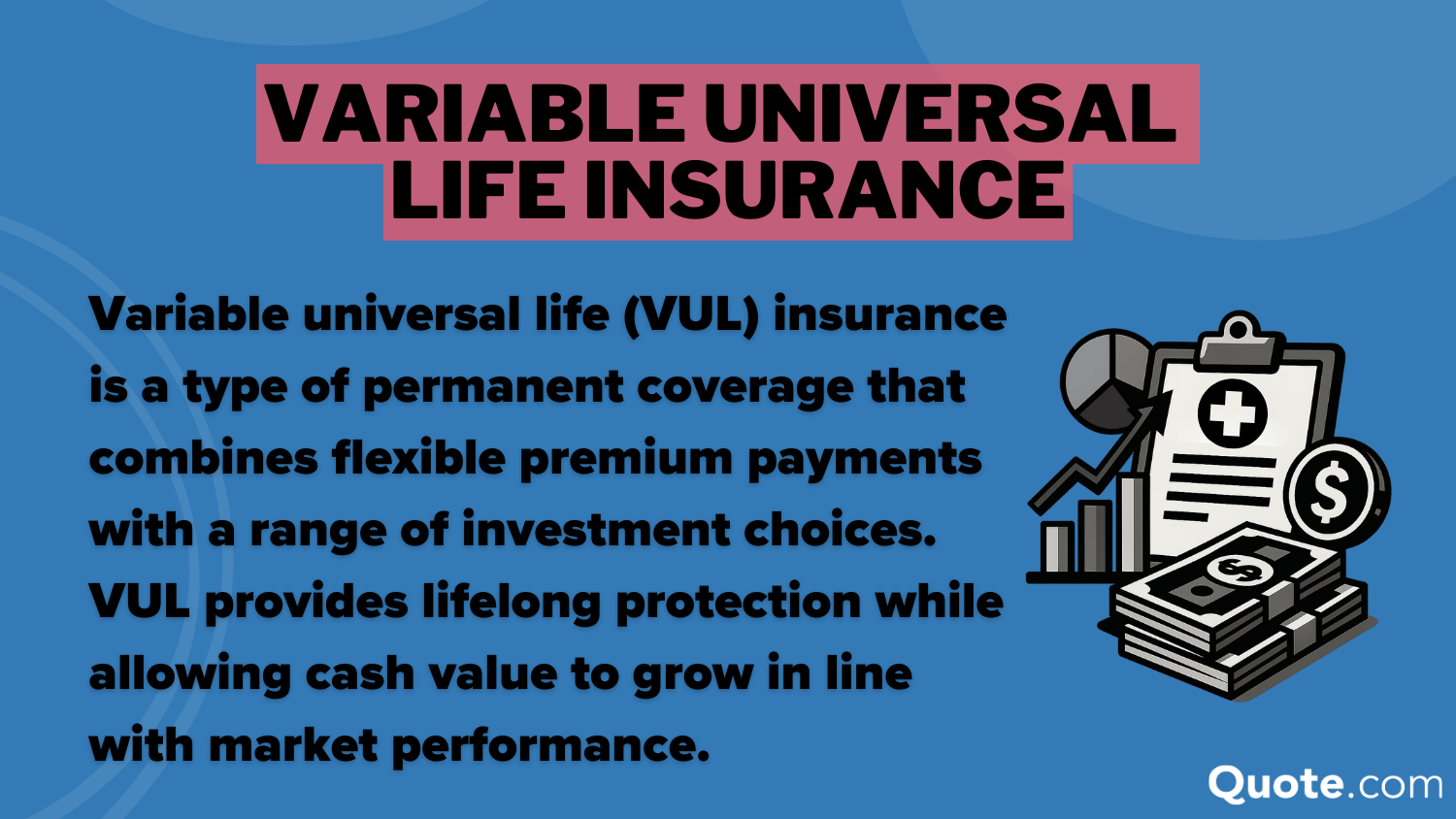
- Variable Universal Life (VUL): This type allows the cash value to be invested in sub-accounts similar to mutual funds. While it offers the highest potential for growth, it also carries the most risk, as the cash value can decrease if the underlying investments perform poorly.
Key Considerations for Independent Contractors
Before committing to a permanent policy, you must weigh several factors specific to your business lifecycle.
- Business Debt Collateralization: If you have taken out business loans personally, creditors may require collateral. In some cases, the cash value of a life insurance policy can serve as a secondary financial resource, though it is not a direct substitute for formal loan collateral.
- Tax Implications: The cash value growth within a permanent life insurance policy is generally tax-deferred. Furthermore, the death benefit paid to beneficiaries is typically income tax-free. For high-earning contractors, this provides a shield against certain tax liabilities.
- Premium Sustainability: Unlike term insurance, permanent insurance premiums are significantly higher because they are designed to cover you for your entire life and build cash value. You must analyze your long-term projected revenue to ensure that the premiums remain affordable even during lean years.
Comparison Table: Term vs. Permanent Insurance
| Feature | Term Life Insurance | Permanent Life Insurance |
|---|---|---|
| Duration | Fixed (e.g., 10–30 years) | Lifetime (if premiums paid) |
| Cash Value | None | Yes, accumulates over time |
| Cost | Lower premiums | Higher premiums |
| Flexibility | Limited | High (loans/withdrawals) |
| Primary Use | Temporary income replacement | Estate planning/wealth accumulation |
Integrating Insurance into a Business Strategy
For the independent contractor, life insurance should not be viewed in isolation. It is an integral part of your "personal-business" financial architecture. When establishing a policy, work with a fee-only financial planner or an insurance advisor who understands the nuances of 1099 income.
One common strategy involves using the policy as a "key person" backup. If your business relies heavily on your specific skills or contracts, the death benefit can provide the necessary capital for your family to settle business obligations or transition out of contracts without a fire sale of business assets.
Additionally, as you reach later years in your career, the cash value can be utilized to supplement retirement income. By taking systematic withdrawals or loans against the policy, you can create a tax-efficient bridge to complement Social Security or other retirement accounts. Always consult with a tax professional regarding the implications of distributions, as they can sometimes trigger taxable events if the policy lapses.
Common Pitfalls and Troubleshooting
A frequent mistake contractors make is underestimating the "cost of insurance" (COI). This is the expense deducted from your premium to pay for the death benefit. In Universal Life policies, if the cash value is depleted by excessive withdrawals or poor market performance, your premiums may need to increase drastically to keep the policy in force.
Another issue is the lack of a "buy-sell" agreement. If you are part of a partnership, ensure your life insurance policy is coordinated with your legal agreements. If you pass away, the insurance payout should ideally facilitate the transfer of your business interest to your partner or estate without legal friction.
If you find your premiums becoming unaffordable, contact your insurer before cancelling. Most companies offer options such as reducing the death benefit to lower premium requirements or using existing cash value to pay premiums for a limited period.
Frequently Asked Questions
1. Can I deduct life insurance premiums as a business expense? Generally, no. For most independent contractors, life insurance premiums are considered a personal expense and are not tax-deductible. However, if the insurance is required by a lender for a business loan, there are very specific and narrow circumstances where interest on the loan may be deductible, but the premiums themselves remain personal.
2. How much coverage do I actually need? A common rule of thumb is to calculate your total debt, estimated future business exit costs, and the amount needed to replace your annual income for 5–10 years. Because you lack employer benefits, you should account for the loss of health insurance and retirement contributions your beneficiaries will need to replace.
3. What happens if I have a bad year and cannot pay my premium? Many permanent policies have a "grace period." If you have built up sufficient cash value, some policies can utilize an "automatic premium loan" provision, where the insurer draws from your cash value to cover the missed payment, keeping the policy active.
4. Is a medical exam required for permanent life insurance? Yes, most permanent policies require medical underwriting, which includes a health questionnaire and a physical examination. Your history of business-related stress or lifestyle factors may be considered, so it is best to apply while you are in good health.
5. Can I switch from term to permanent insurance? Many term life policies include a "conversion rider" that allows you to convert all or part of your term policy into a permanent policy without needing to undergo a new medical exam. This is a highly valuable feature for contractors whose businesses have grown and whose need for protection has changed.
Next Steps for Implementation
To begin, determine your long-term liquidity needs. Use a spreadsheet to forecast your business cash flow over the next decade. Contact three different carriers to request an "illustration." An illustration is a detailed document that shows how the policy’s cash value is expected to grow over time based on current assumptions. Compare these illustrations specifically for their "guaranteed" versus "non-guaranteed" performance markers. Before signing any contract, ensure the policy is issued by a company with a high financial strength rating from agencies like AM Best or S&P, as this is a long-term commitment.
Image Gallery