Understanding House Cat Information: A Comprehensive Guide to Domestic Feline Care
A house cat, scientifically known as Felis catus, is a small, domesticated carnivorous mammal valued for its companionship and pest-control abilities. Providing proper care requires understanding their unique biological needs, includin...
A house cat, scientifically known as Felis catus, is a small, domesticated carnivorous mammal valued for its companionship and pest-control abilities. Providing proper care requires understanding their unique biological needs, including nutritional requirements, behavioral instincts, veterinary health protocols, and environmental enrichment to ensure a long, healthy, and fulfilling life in a home setting.
Contents
The Biological Profile of the Domestic House Cat
The house cat is a member of the Felidae family. Unlike its wild counterparts, the domestic cat has evolved alongside humans for approximately 9,500 years. Biologically, they are obligate carnivores, meaning their systems are specifically designed to derive essential nutrients—such as taurine, arachidonic acid, and vitamin A—exclusively from animal tissues.
Their anatomy is optimized for hunting and agility. Key features include a highly flexible skeletal structure, retractable claws for climbing and defense, and a specialized sensory system. Their eyes possess a tapetum lucidum, a reflective layer that enhances night vision, while their whiskers (vibrissae) act as highly sensitive tactile receptors capable of detecting subtle changes in air currents to navigate in the dark.
Essential Nutritional Requirements
Feeding a cat correctly is the foundation of long-term health. Because they are obligate carnivores, they lack the metabolic pathways to efficiently process plant-based proteins or carbohydrates in large quantities.
- Protein and Amino Acids: High-quality animal protein should be the primary component of their diet. Taurine, in particular, is critical; a deficiency can lead to severe cardiac issues and vision loss.
- Hydration: Cats have a low thirst drive, often inheriting this trait from desert-dwelling ancestors. They rely heavily on the moisture content in their food to maintain proper kidney function. Providing wet food is often recommended by veterinarians to supplement hydration, alongside clean, fresh water sources.
- Life Stage Nutrition: Nutritional needs change as cats age. Kittens require higher calorie and nutrient-dense formulas for growth, while senior cats may require diets that are easier to digest or formulated to support joint health and kidney function.
Veterinary Health and Preventive Care
Establishing a relationship with a licensed veterinarian is the most effective way to manage a cat’s longevity. Preventive care, rather than reactive treatment, significantly reduces the risk of chronic illness.
Core Vaccination and Parasite Control
Vaccinations are essential to protect cats from life-threatening viruses such as Feline Panleukopenia (distemper), Feline Calicivirus, and Feline Herpesvirus. Indoor-only cats still require vaccinations, as many pathogens can be tracked into the home on clothing or footwear. Furthermore, year-round parasite prevention is necessary to guard against fleas, ticks, and intestinal worms, which can be transmitted through environmental exposure or incidental contact.
Routine Screening
As of 2026, the standard of care for adult cats includes an annual wellness examination. For senior cats (aged seven years and older), bi-annual exams are standard to screen for common age-related conditions, including chronic kidney disease, hypertension, and hyperthyroidism. Blood work, urinalysis, and blood pressure monitoring are the primary diagnostic tools used to identify these issues before they manifest as clinical symptoms.
Environmental Enrichment and Behavioral Needs
A house cat’s environment dictates its psychological well-being. Despite domestication, they retain strong instincts for territorial maintenance, hunting, and scratching.
- Vertical Space: Cats feel most secure when they can observe their environment from elevated positions. Cat trees, window perches, and wall-mounted shelving provide necessary vertical territory.
- Scratching Behavior: Scratching is not merely a nuisance; it is a biological necessity for muscle toning, claw maintenance, and territorial marking. Providing dedicated scratching posts—both vertical and horizontal—prevents damage to household furniture.
- Play and Stimulation: Interactive play mimics the hunting cycle (stalking, pouncing, catching). Daily play sessions help prevent obesity and reduce behavioral issues like stress-induced grooming or aggression.
Comparative Overview of Common Care Requirements
The following table summarizes the foundational pillars of responsible cat ownership, serving as a baseline for new and experienced owners alike.
| Care Category | Frequency | Purpose |
|---|---|---|
| Veterinary Exam | Annually (or bi-annually for seniors) | Early detection of systemic disease |
| Core Vaccinations | As per veterinary schedule | Immunity against common viral pathogens |
| Grooming | Weekly (or daily for long-haired breeds) | Reduces hairballs and skin issues |
| Litter Box Cleaning | Daily | Hygiene and monitoring of waste output |
| Play/Enrichment | 15–30 minutes daily | Physical health and mental stimulation |
Common Behavioral Misconceptions
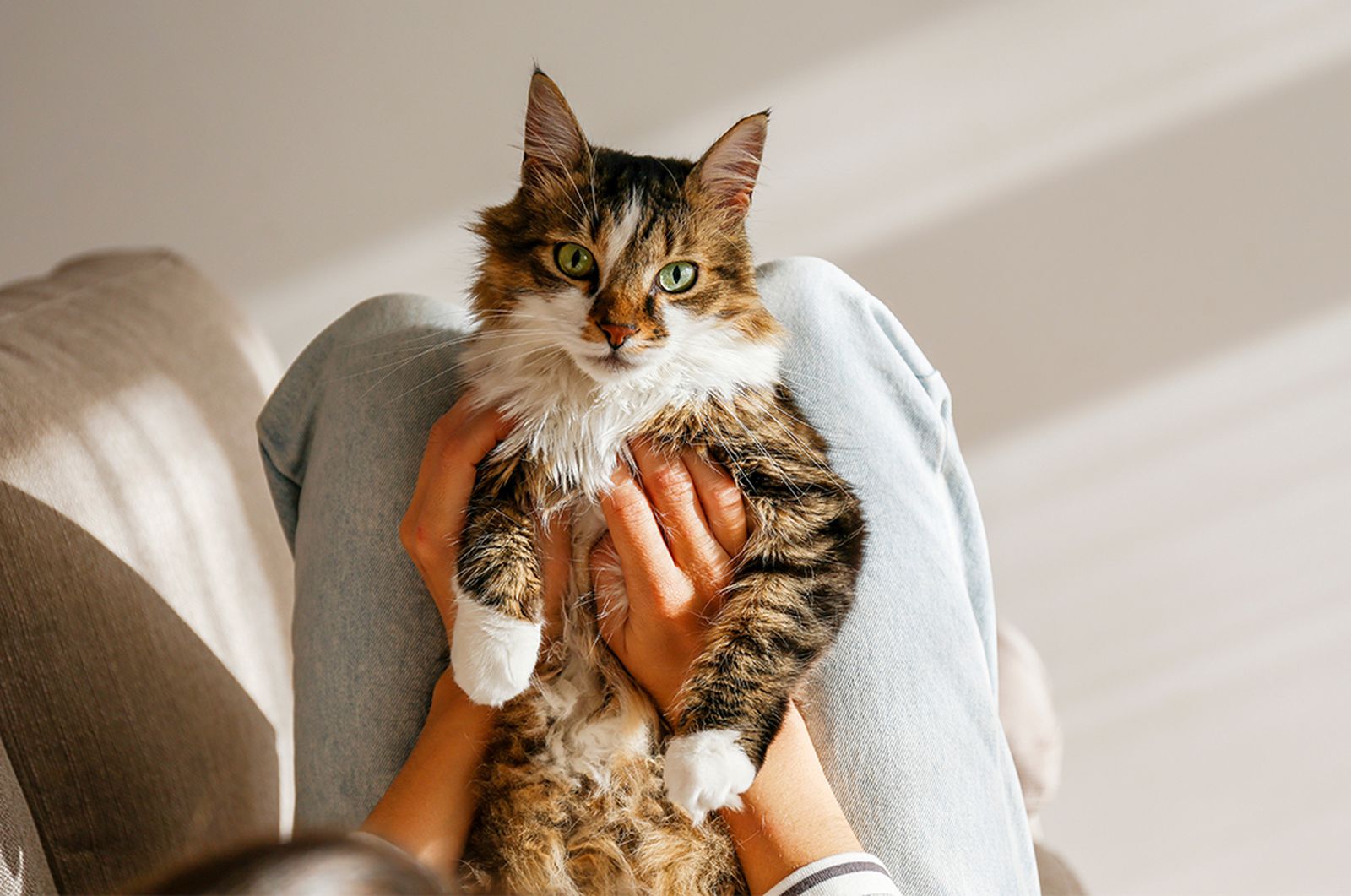
One of the most frequent challenges for cat owners is misinterpreting feline communication. For example, a cat lying on its back does not always signify a desire for a belly rub; in many instances, it is an expression of trust or a defensive posture. Understanding feline "body language"—such as ear position, tail swishing, and pupil dilation—is essential for building a trusting relationship and preventing accidental scratches or bites.
Additionally, "inappropriate elimination"—the act of urinating or defecating outside the litter box—is rarely an act of spite. It is almost always a sign of either a medical issue (such as a urinary tract infection) or an environmental stressor (such as a dirty box, a change in household layout, or social conflict with other pets). When these issues arise, a medical evaluation must be the first step.
FAQ: Common Questions About House Cats
How can I tell if my cat is drinking enough water? Monitor the size and frequency of urine clumps in the litter box. If the clumps are consistently small or you notice a sudden increase in thirst, consult your veterinarian. Adding water to wet food is a safe way to boost intake.
Why does my cat exhibit "zoomies" at night? Cats are crepuscular, meaning they are naturally most active at dawn and dusk. This high-energy burst is a release of pent-up hunting energy. A vigorous play session before bedtime can often help regulate this behavior.
Are lilies dangerous to house cats? Yes. True lilies, including Lilium and Hemerocallis species, are extremely toxic to cats. Ingestion of even small amounts of pollen or petals can cause acute, fatal kidney failure. Keep these plants entirely out of your home.
How many litter boxes do I need for my cats? The industry standard is "one per cat, plus one extra." This ensures that each cat has access to a clean, available box, even if another cat has recently used one.
Is it safe to let my cat outside? Outdoor access introduces risks, including predators, traffic, parasites, and infectious diseases. Indoor-only environments, or "catios" (secured outdoor enclosures), significantly increase a cat’s life expectancy and reduce the risk of trauma.
Final Recommendations for Owners
To provide the best life for a house cat, focus on consistency. Establish a routine for feeding, cleaning, and playtime. Maintain an up-to-date health record, noting any changes in behavior or weight, as these are often the earliest signs of health issues. By prioritizing these evidence-based care strategies, you ensure your feline companion remains a happy, healthy member of your household. If you are uncertain about any aspect of your cat's health, consult with your local veterinarian, who can provide personalized guidance based on your cat’s medical history and current health status.
Image Gallery