Approximate Cost of Foundation Repair in 2026: A Complete Pricing Guide
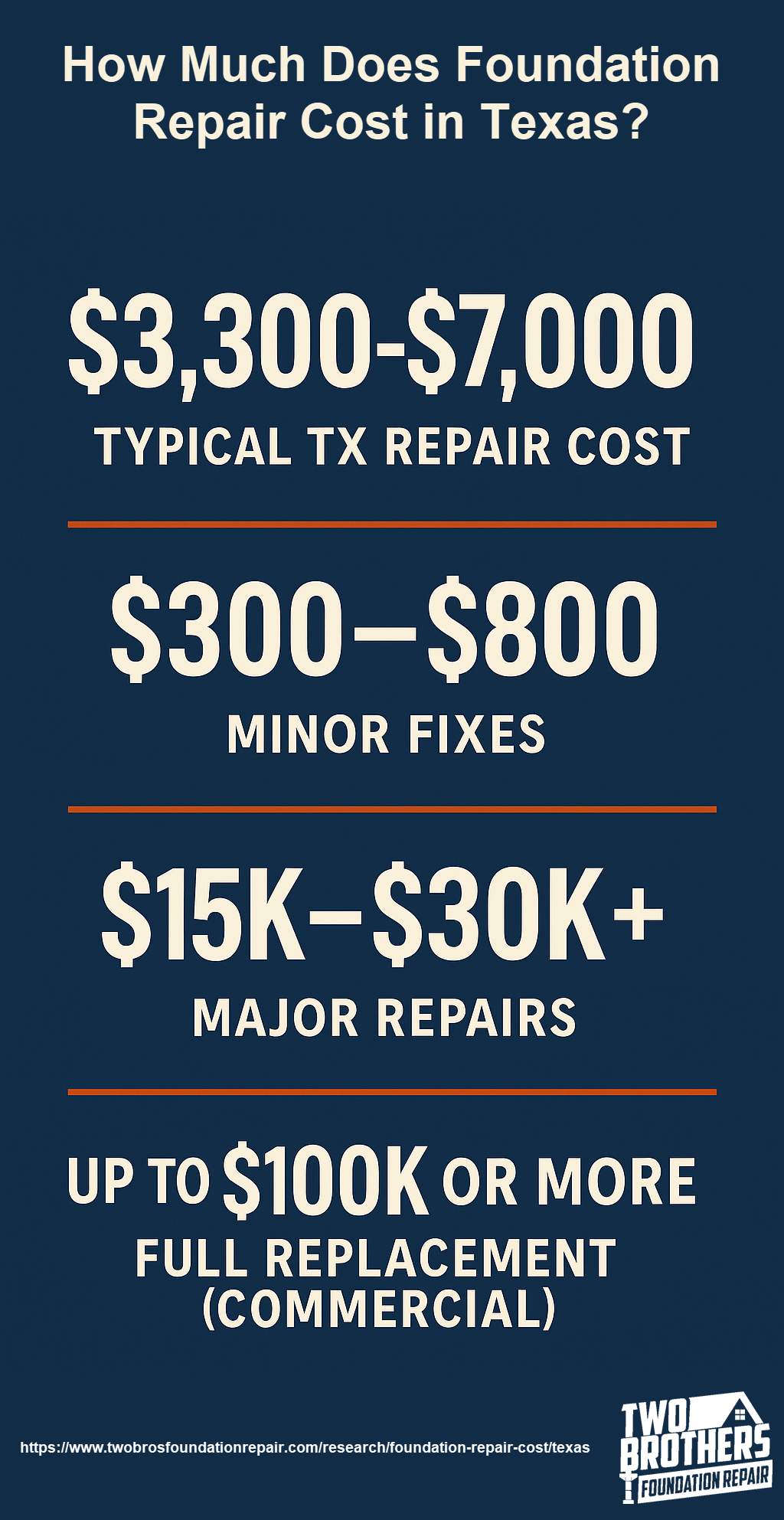
As of 2026, the approximate cost of foundation repair for most residential properties ranges from $2,500 to $15,000, with a national average of approximately $6,800. Minor cosmetic crack repairs may start as low as $500, while complex...
As of 2026, the approximate cost of foundation repair for most residential properties ranges from $2,500 to $15,000, with a national average of approximately $6,800. Minor cosmetic crack repairs may start as low as $500, while complex structural stabilization involving deep hydraulic piering can exceed $30,000 depending on the severity of the damage.
Contents
A home’s foundation is its most critical structural component, providing the stability necessary to support the weight of the entire building. When a foundation begins to fail—whether due to soil shifting, moisture fluctuations, or poor initial construction—the financial implications can be significant. Understanding the breakdown of these costs is essential for homeowners looking to protect their investment and ensure long-term structural integrity.
Primary Factors Influencing Foundation Repair Costs
Calculating an accurate estimate for foundation repair is rarely straightforward because no two structural failures are identical. Several technical and environmental factors dictate the final invoice.
The Type of Foundation
The construction style of your home significantly impacts the repair strategy. Slab-on-grade foundations are common in warmer climates and often require different stabilization techniques than basement foundations or crawl space systems. Repairing a basement foundation often involves excavation around the exterior perimeter, which adds substantial labor costs compared to repairing a slab from the interior or via shallow tunneling.
Soil Composition and Climate
In 2026, soil mechanics remain the leading cause of foundation distress. Homes built on expansive clay soils, frequent in regions like Texas, Oklahoma, and parts of the Southeast, experience high rates of movement. These soils swell when wet and shrink when dry, creating a "yo-yo" effect that stresses concrete. Conversely, homes in the Northeast or Midwest may face "frost heave" issues. The deeper the stable soil or bedrock is located, the longer the piers must be, which increases material costs.
Extent of Settlement or Heaving
"Settlement" occurs when the foundation sinks, while "heaving" occurs when the soil pushes the foundation upward. The "drop" is measured in inches; a foundation that has settled four inches requires significantly more hydraulic force and material stabilization than one that has moved only half an inch.
2026 Price Breakdown by Repair Method
The following table provides a comparative overview of the most common foundation repair methods utilized in 2026, including their typical price points and primary applications.
| Repair Method | Typical Cost Range (2026) | Primary Use Case | Expected Longevity |
|---|---|---|---|
| Crack Injection (Epoxy/Polyurethane) | $500 – $1,800 | Non-structural water seepage | 5–10 Years |
| Slab Jacking (Mudjacking) | $2,500 – $5,500 | Leveling concrete porches or walkways | 10–15 Years |
| Polyurethane Foam Injection | $3,500 – $7,000 | Lightweight slab lifting and stabilization | 15–20 Years |
| Concrete Piers (Pressed) | $800 – $1,200 per pier | Residential slab stabilization | 20+ Years |
| Helical/Steel Piers | $1,500 – $3,000 per pier | Heavy structural support / Deep bedrock | Lifetime |
| Wall Anchors / Carbon Fiber | $1,000 – $15,000 | Bowing basement wall reinforcement | Lifetime |
Detailed Analysis of Structural Piering
When a foundation experiences significant settlement, "underpinning" or piering is the gold-standard solution. This involves driving support cylinders deep into the earth to bypass unstable topsoil and reach load-bearing strata or bedrock.
Steel and Helical Piers
Helical piers feature screw-like blades that allow them to be "wound" into the ground. These are preferred for lighter structures or areas with high water tables. Steel push piers, on the other hand, use the weight of the house itself and hydraulic jacks to drive the steel into the ground. In 2026, a typical 1,500-square-foot home requiring stabilization on one side may need 8 to 12 piers. At an average cost of $2,000 per pier, this repair alone can reach $16,000 to $24,000.
Concrete Pressed Piers
Pressed concrete piers are a more cost-effective alternative frequently used in regions with deep clay. Individual concrete cylinders are driven into the ground using hydraulic pressure. While cheaper (often around $900 per pier), they may not reach the same depths as steel, making them slightly less reliable in areas with extremely volatile soil.
Stabilization vs. Lifting: The Cost of Leveling
It is important to distinguish between stabilization (stopping the house from sinking further) and lifting (returning the house to its original level). Stabilization is generally included in the base price of piering. However, lifting a home can cause secondary damage, such as cracking interior drywall, breaking tile floors, or even rupturing plumbing lines. Many contractors in 2026 charge a premium for the "lift" phase due to the increased liability and labor-intensive monitoring required to ensure the structure doesn't fracture during the process.
Hidden and Secondary Costs to Consider
When budgeting for foundation repair, the price of the "fix" itself is often only part of the total expenditure.
- Structural Engineering Reports: Before any work begins, a licensed structural engineer should evaluate the property. In 2026, a residential inspection and report cost between $500 and $1,200. This is an essential step to ensure the repair plan is unbiased and technically sound.
- Plumbing Tests (Hydrostatic Testing): When a slab is moved, under-slab plumbing is at risk. Most municipalities require a hydrostatic pressure test after the repair to ensure no sewer or water lines were broken. This typically adds $400 to $800 to the project.
- Landscaping and Obstructions: Piering requires access to the perimeter. If you have expensive landscaping, decks, or paved walkways in the way, expect to pay for removal and replacement. Hand-digging in tight spaces or under decks usually carries a labor surcharge of $500 to $2,000.
- Permits and Documentation: Local building departments usually require permits for structural work. Depending on your jurisdiction, permit fees can range from $100 to $1,000.
Indicators That Your Foundation Needs Professional Repair
Identifying the need for repair early can prevent costs from escalating from a few thousand dollars to tens of thousands. Homeowners should monitor for the following "red flags":
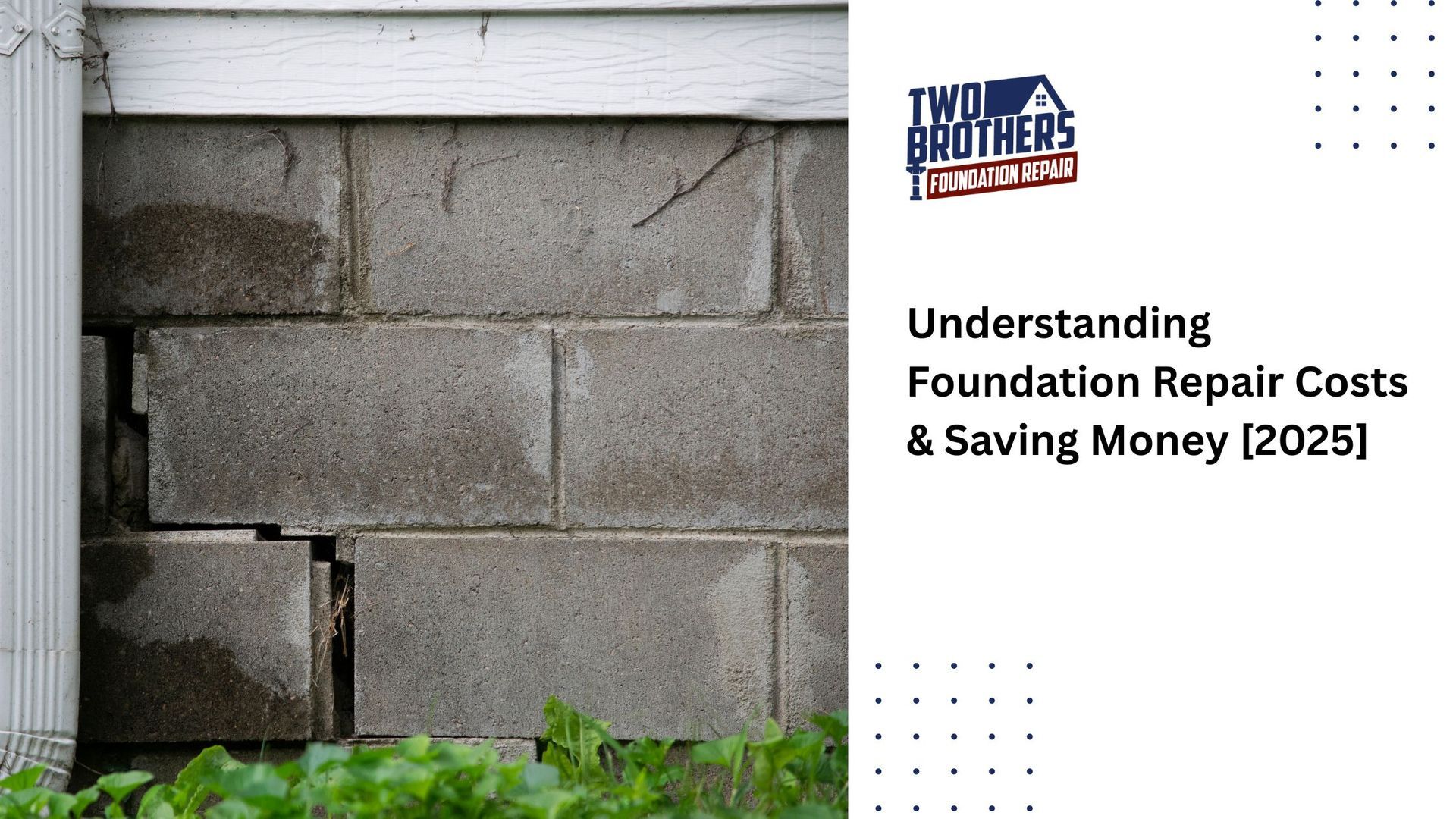
- Stairstep Cracks in Brickwork: Cracks that follow the mortar joints in an upward diagonal pattern are a classic sign of settlement.
- Doors and Windows that Stick: When the frame shifts out of square, doors may no longer latch, or windows may become difficult to slide.
- Separation Around Garages: If the brickwork is pulling away from the garage door frame or the window frames, the foundation is likely moving.
- Uneven or Sloping Floors: A noticeable tilt in the flooring indicates that one side of the foundation has subsided significantly.
- Bowing Basement Walls: If basement walls are curving inward, hydrostatic pressure from the outside soil is pushing against the foundation, requiring wall anchors or carbon fiber reinforcement.
Navigating the 2026 Repair Market: Contractor Selection
Foundation repair is an unregulated industry in many regions, making it vital to vet contractors thoroughly. In 2026, reputable companies should offer:
- Transferable Warranties: A warranty is only as good as the company’s longevity. Ensure the warranty stays with the house if you sell it, as this adds significant resale value.
- Licensing and Insurance: Verify that the contractor carries both general liability and professional error and omissions insurance.
- Detailed Soil Analysis: Avoid contractors who offer a "one-size-fits-all" price over the phone without seeing the site or reviewing a soil report.
Frequently Asked Questions
Does homeowners insurance cover the cost of foundation repair?
Generally, standard homeowners insurance policies do not cover foundation repair caused by natural settling, shifting soil, or poor construction. Coverage is typically only triggered if the damage is the direct result of a "covered peril," such as a major pipe burst that washed out the soil or an explosion. Always check your specific policy for "Earth Movement" exclusions.
Is foundation repair a good DIY project?
No. Foundation repair involves specialized hydraulic equipment, deep-earth structural components, and high-stakes engineering calculations. Attempting to "patch" structural cracks with DIY kits only masks the symptoms while the underlying structural failure continues to worsen.
How long does a typical foundation repair take?
For a standard residential home requiring 10 to 15 piers, the project usually takes 3 to 5 days. This includes excavation, pier installation, hydraulic lifting, and backfilling. Weather conditions and soil density can extend this timeframe.
Will foundation repair fix the cracks in my drywall?
Foundation repair stabilizes the structure, but it rarely "closes" existing interior cracks perfectly. Once the house is level and stable, you should wait 4 to 8 weeks for the home to "settle" into its new position before hiring a cosmetic contractor to repair drywall and repaint.
Can I sell a house that has had foundation repair?
Yes. In fact, a house with a professionally repaired foundation and a transferable warranty is often more attractive to buyers than a house with visible, unaddressed foundation issues. You are legally required to disclose the repair in most jurisdictions, but providing the engineer's "passed" final report provides peace of mind to lenders and buyers.
Final Recommendation for Homeowners
If you suspect foundation issues, your first action in 2026 should be to hire an independent structural engineer who does not work for a repair company. For a flat fee, they will provide an objective assessment of whether your home actually needs repair or is simply experiencing normal seasonal fluctuations. If repairs are necessary, obtain at least three quotes from contractors who utilize different methods (e.g., steel vs. concrete) to ensure you are receiving a competitive price and the most appropriate technical solution for your specific soil conditions.
Image Gallery