The Story Behind Happily Ever After with Drew Barrymore: Origins and Creative Vision
"Happily Ever After with Drew Barrymore" is not a singular film or television series, but rather a recurring thematic exploration rooted in Drew Barrymore’s public persona, her 1998 romantic comedy Ever After: A Cinderella Story, and h...
"Happily Ever After with Drew Barrymore" is not a singular film or television series, but rather a recurring thematic exploration rooted in Drew Barrymore’s public persona, her 1998 romantic comedy Ever After: A Cinderella Story, and her subsequent evolution as a media mogul and talk show host. The "story" behind this concept represents a decades-long transition from Hollywood child star to a cultural architect of modern romantic optimism, focused on self-actualization rather than traditional fairytales.
Contents
The Foundation: Reinventing the Fairy Tale
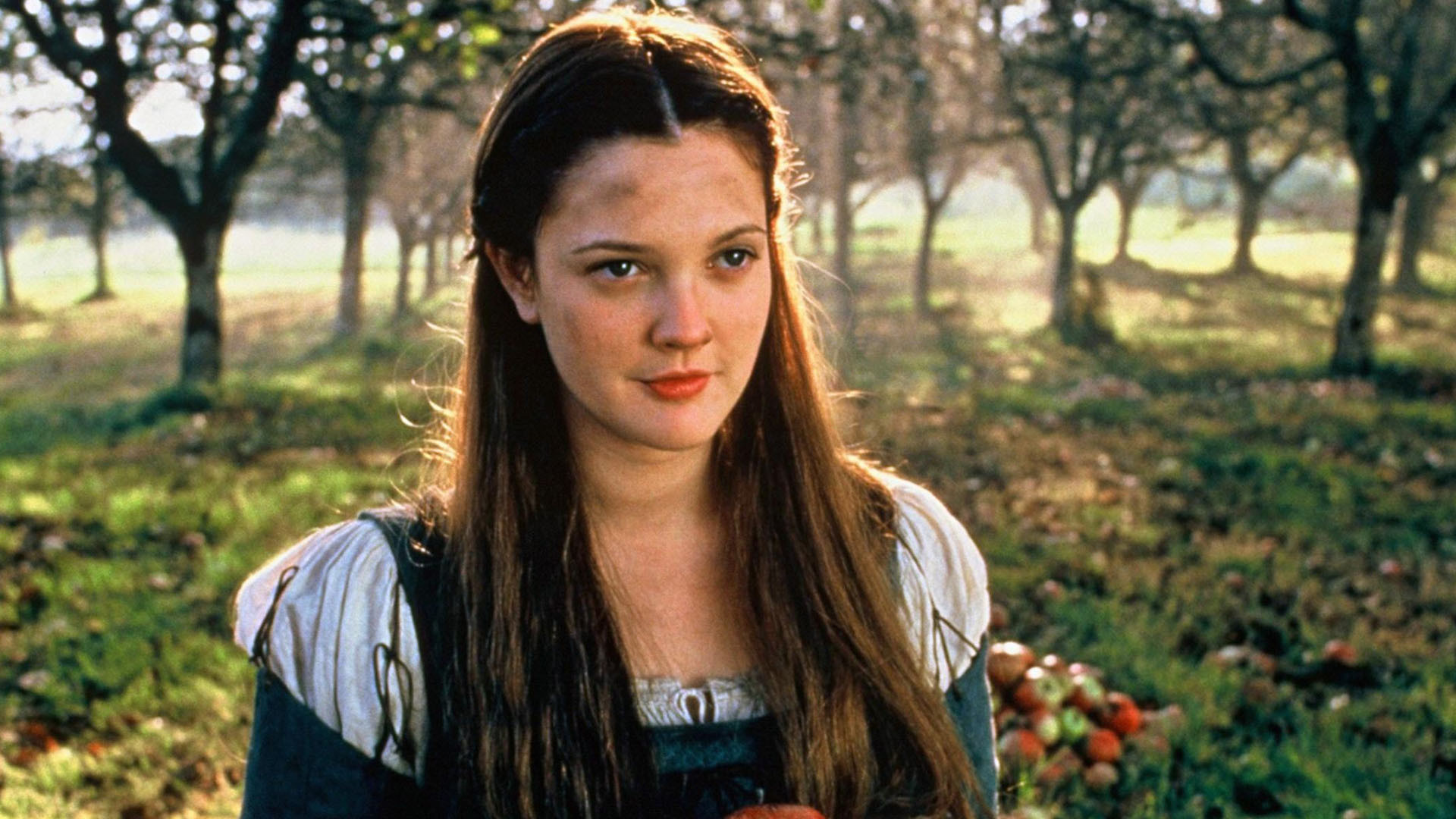
The narrative of "happily ever after" in the context of Drew Barrymore began in earnest with the 1998 film Ever After: A Cinderella Story. Directed by Andy Tennant, the film was a deliberate subversion of the classic Cinderella trope. Rather than relying on a magical intervention or a passive rescue by royalty, Barrymore’s character, Danielle de Barbarac, was portrayed as a literate, proactive woman who rescues herself through wit, resilience, and intellectual engagement with Leonardo da Vinci.
The behind-the-scenes reality of this production was a critical turning point for Barrymore. Having transitioned from a high-profile child actor to a producer, she used her company, Flower Films, to take creative control. By grounding the "happily ever after" motif in historical realism and feminine agency, she set a professional precedent that would define her career for the next three decades: the idea that a successful life is built, not granted by fate.
Creative Agency and Flower Films
When analyzing the story behind Barrymore's brand of happiness, one must account for the strategic influence of Flower Films. Founded in 1995, the production company served as the engine for her creative autonomy. Through this vehicle, Barrymore was able to curate stories that centered on protagonists who navigated the complexities of love, work, and identity.
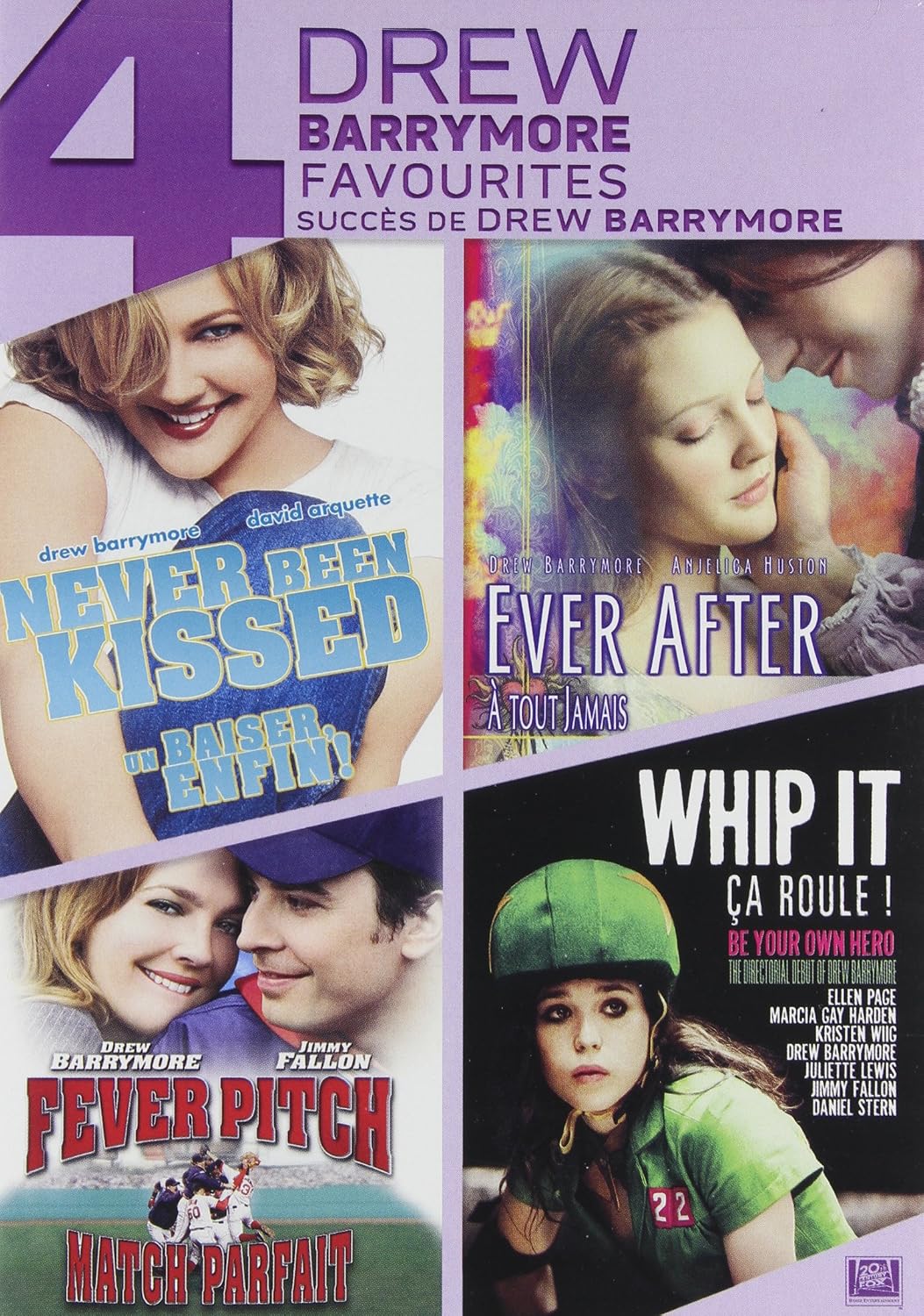
This business move was an early indicator of her intent to modernize the "happily ever after" narrative. In projects such as Never Been Kissed (1999) and Charlie’s Angels (2000), the emphasis remained consistently on female empowerment and the ability to define one’s own success. The "story" is not about the romantic resolution itself, but about the production of content that reflects a modern, independent woman’s perspective on satisfaction.
The Evolution into Daytime Television
By 2026, the thematic weight of "happily ever after" has migrated from cinematic fiction to the daily format of The Drew Barrymore Show. This shift marks the third iteration of her professional identity. In this context, the phrase is stripped of its fictional irony and repurposed as a practical, lifestyle-oriented goal for her audience.
The production of her talk show focuses on "the story behind the story"—a journalistic approach that invites guests to discuss their personal hurdles, mental health, and path to contentment. Here, "happily ever after" is presented as a verb, not a noun. It is the result of daily habits, honest communication, and emotional labor. The transition from acting to hosting represents her maturation into a cultural curator who views happiness as an ongoing process of discovery rather than a final romantic destination.
Comparative Frameworks of Storytelling
To understand how Barrymore approaches this theme, it is helpful to contrast her methodology with traditional industry standards.
| Approach | Traditional Fairy Tale Model | The Barrymore "Happily Ever After" |
|---|---|---|
| Primary Catalyst | External magic or destiny | Personal agency and resilience |
| Role of Romance | The ultimate goal | A component of a broader life structure |
| Conflict Resolution | Passive acceptance | Active problem-solving and communication |
| Ultimate Outcome | Static, perfect ending | Dynamic, evolving state of well-being |
This comparison highlights why her audience remains engaged. By rejecting the static nature of the "happily ever after" trope, she provides a framework that is more applicable to the challenges of the modern era, where professional and personal lives often conflict.
Addressing the Human Element: Vulnerability as Strategy
A core component of the story behind Barrymore's career is the weaponization—or, more accurately, the utilization—of radical vulnerability. Since her earliest interviews, she has been transparent about the turbulence of her childhood and the instability of her early career.
This transparency is the "secret sauce" behind her interpretation of happiness. By acknowledging the trauma and the "un-happily ever after" chapters of her own history, she validates the experiences of her audience. The technical brilliance of her brand lies in her ability to link her personal history to the broader human condition. When she speaks of building a "happily ever after," it is understood by the viewer as a hard-won achievement, lending her message authority that a purely idealized persona would lack.
Common Questions Regarding the Theme
1. Is "Happily Ever After" a specific brand or project for Drew Barrymore? No, it is not a singular trademarked product. It is a recurring thematic brand, a stylistic approach she applies to her filmography, her production company Flower Films, and her editorial content in Drew Magazine and her talk show.
2. How did her early roles influence her later professional philosophy? Her experience as a child actor exposed her to the stark contrast between public perception and private reality. This shaped her professional commitment to "authentic" storytelling, where the goal is to bridge the gap between idealized cinematic endings and the messy, authentic process of life.
3. What is the role of Flower Films in this narrative? Flower Films allows Barrymore to retain ownership of the stories she tells. By controlling the intellectual property, she ensures that the themes of female self-reliance—the cornerstone of her version of "happily ever after"—are preserved throughout the production lifecycle.
4. How does she reconcile the "happily ever after" trope with her own divorce? Barrymore addresses this by reframing the concept of a "successful" relationship. She frequently emphasizes that a marriage that ends is not necessarily a failure if it contributed to personal growth or resulted in children. She advocates for the idea that "happily ever after" can be redefined to include amicable co-parenting and personal independence.
Strategic Application and Next Steps
For those looking to adopt the "Barrymore approach" to personal narrative, the strategy involves a two-fold process: auditing your personal history for lessons learned and consciously editing your future goals to emphasize agency over external validation.
- Self-Audit: Review past milestones that you once viewed as "destiny." Identify the specific actions you took to reach those points.
- Shift Focus: Begin to replace the "happily ever after" desire—a passive, end-state goal—with active, process-oriented milestones such as professional growth, emotional resilience, and community building.
- Engagement: Use your personal story as a tool for connection rather than a source of shame. Much like Barrymore’s interview style, honesty regarding one's path creates deeper, more resilient personal networks.
The "story" is ultimately one of shifting the power dynamic from external circumstances to internal drive. By moving beyond the archaic limitations of the fairy tale, Barrymore has created a professional and personal legacy that prioritizes sustainable well-being over the fleeting satisfaction of a narrative closure.
Image Gallery