Orlando International Airport Camera System Overview: Security and Surveillance Architecture
Orlando International Airport (MCO) utilizes a comprehensive, multi-layered IP-based surveillance network managed by the Greater Orlando Aviation Authority (GOAA). By 2026, this system has fully integrated high-definition 4K cameras, A...
Orlando International Airport (MCO) utilizes a comprehensive, multi-layered IP-based surveillance network managed by the Greater Orlando Aviation Authority (GOAA). By 2026, this system has fully integrated high-definition 4K cameras, AI-driven behavioral analytics, and biometric processing across all terminals to monitor passenger flow, secure restricted zones, and support federal law enforcement operations for over 55 million annual travelers.
Contents
The surveillance infrastructure at MCO represents a critical component of the airport’s "Lead Strategy," focusing on safety, efficiency, and passenger experience. As one of the most technologically advanced aviation hubs in the United States, the airport’s camera system serves dual purposes: maintaining rigorous security standards set by the Transportation Security Administration (TSA) and providing operational data to optimize airport management.
The Evolution of Surveillance at MCO
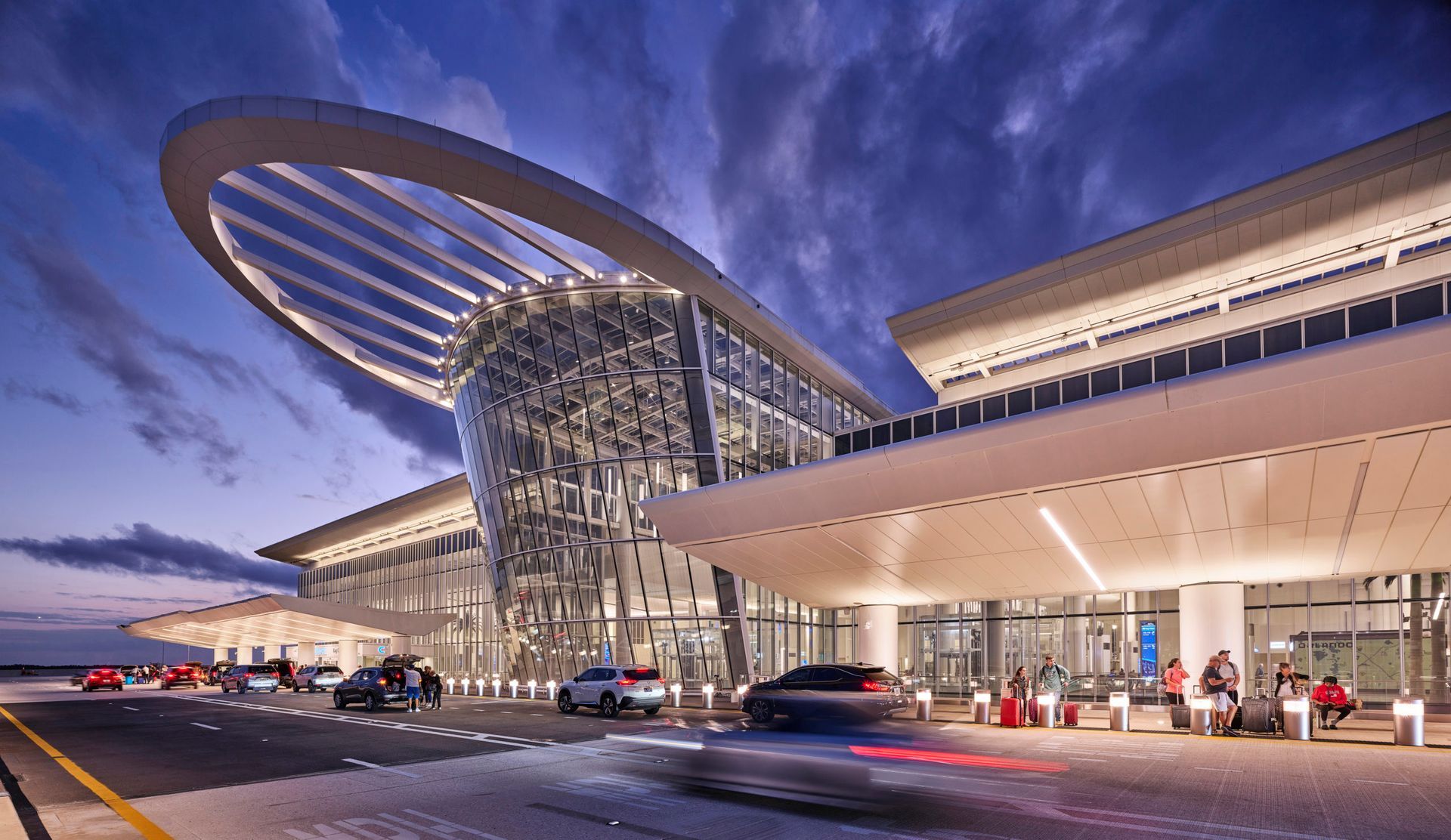
Historically, Orlando International Airport relied on traditional closed-circuit television (CCTV) systems. However, the completion of Terminal C and subsequent retrofitting of Terminals A and B have transitioned the facility into a fully digital environment. As of 2026, the airport operates thousands of individual camera feeds networked through a unified Video Management System (VMS).
This transition was driven by the need for higher resolution and better integration with other airport systems, such as access control and fire alarms. Modern IP (Internet Protocol) cameras allow for "edge processing," where the camera itself can detect motion or specific triggers before sending the data to the central servers, significantly reducing the bandwidth required for constant high-definition streaming.
Infrastructure and Network Architecture
The backbone of the MCO camera system is a high-speed fiber-optic network that spans the entire 12,000-acre campus. This network must be robust enough to handle petabytes of data generated by 24/7 surveillance.
- Distributed Storage: Video data is typically stored in distributed data centers across the airport property to ensure redundancy. If one server cluster fails, cameras are rerouted to secondary storage to prevent "blind spots."
- Power over Ethernet (PoE): Most modern cameras at MCO utilize PoE, allowing both data and power to be delivered through a single cable. This simplifies installation in the high ceilings and complex architectural structures of the terminals.
- Encryption and Cybersecurity: Given the sensitive nature of airport security, all video feeds are encrypted from the camera to the storage server. This prevents unauthorized interception of security footage by external actors.
Technical Capabilities and Camera Types
The MCO surveillance ecosystem is not a "one size fits all" solution. Different areas of the airport require specific types of optical technology to meet operational goals.
High-Definition and 4K Monitoring
In high-traffic areas such as the "Great Hall" and security checkpoints, 4K resolution cameras are the standard. The primary benefit of 4K in an airport setting is the ability to use digital zoom without losing forensic detail. This allows security personnel to identify small objects or read ID badges from a significant distance during an investigation.
Pan-Tilt-Zoom (PTZ) Systems
PTZ cameras are strategically placed in large open areas and along the airfield perimeter. These cameras are controlled remotely by operators in the Security Operations Center (SOC). They are essential for tracking a specific individual or vehicle as they move across a large area, providing a continuous line of sight that fixed cameras cannot achieve.
Thermal and Perimeter Imaging
Outside the terminal buildings, MCO utilizes thermal imaging cameras to monitor the airfield and perimeter fencing. These cameras detect heat signatures rather than light, making them effective in total darkness, heavy rain, or fog. They are integrated with "Intrusion Detection Systems" that alert security if an unauthorized person or animal attempts to scale a fence or enter a taxiway.
AI Analytics and Behavioral Monitoring
By 2026, the most significant advancement in the Orlando Airport camera system is the implementation of Artificial Intelligence (AI) and machine learning algorithms. Surveillance is no longer a passive activity; it is now a proactive tool.
Crowd Density and Queue Management
Cameras at MCO are equipped with analytics that count people in real-time. This data is used by airport operations to monitor wait times at TSA checkpoints and customs. If a queue exceeds a specific threshold, the system automatically notifies management to open more lanes or redirect passenger traffic.
Object Detection
AI algorithms are trained to identify "unattended bags" or "left objects." If a suitcase remains stationary in a high-traffic area without a person nearby for a predetermined number of minutes, the system triggers an alert in the SOC, allowing for a rapid response from law enforcement or K9 units.
Behavioral Analysis
Advanced software can detect "anomalous behavior," such as a person moving against the flow of traffic in a secure exit or loitering near restricted doors. These triggers allow security teams to investigate potential breaches before they escalate.
Biometrics and Federal Integration
Orlando International Airport has been a pioneer in biometric integration, particularly through partnerships with U.S. Customs and Border Protection (CBP). The camera system at international gates is integrated with the "Simplified Arrival" process.
Biometric Boarding and Arrival
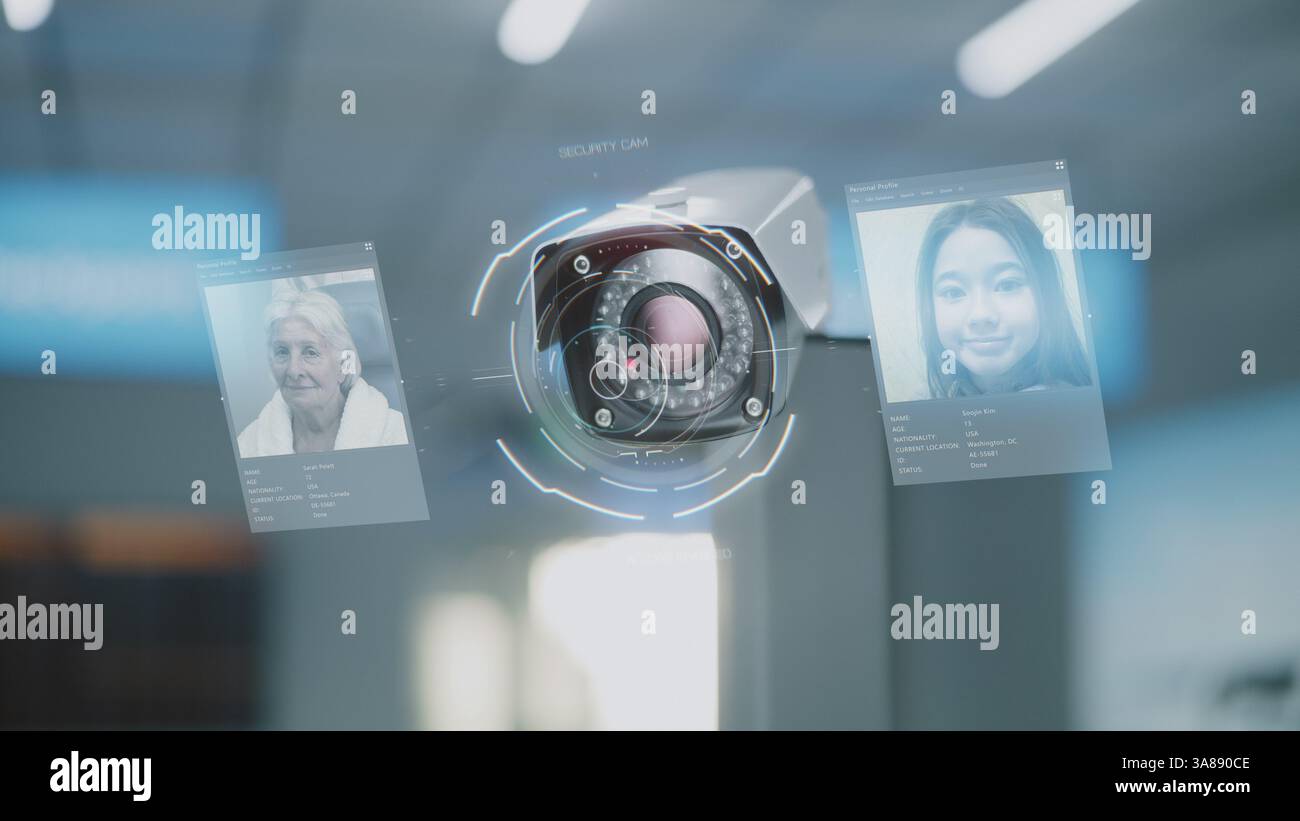
When international passengers arrive or depart, high-resolution cameras capture a photo that is instantly compared against the gallery of photos already on file from the traveler’s passport or visa. This "face-matching" technology replaces the need for physical boarding passes or passports in some scenarios, speeding up the process while increasing security accuracy.
Privacy and Data Retention
The use of biometrics and extensive surveillance is governed by strict privacy policies. GOAA and federal agencies must adhere to data retention schedules. Typically, standard security footage is kept for 30 to 90 days unless it is flagged as part of an active investigation. Biometric data for U.S. citizens is handled with specific privacy protections, often being deleted shortly after the identity verification is complete, as mandated by CBP privacy regulations.
Security Operations Center (SOC)
The "brain" of the MCO camera system is the Security Operations Center. This facility is staffed 24/7 by a mix of GOAA security personnel and local law enforcement.
| Feature | Terminals A & B (Retrofit) | Terminal C (Native Digital) |
|---|---|---|
| Primary Camera Type | Mixed IP and HD Analog | 100% 4K IP Cameras |
| AI Integration | Overlay-based analytics | Native "Smart" edge analytics |
| Biometric Support | Retrofitted gate kiosks | Integrated "Touchless" boarding |
| Network Backbone | Upgraded 10Gbps Fiber | 40Gbps+ Redundant Fiber |
| Perimeter Security | Fence sensors & Thermal | Radar-integrated Thermal |
The SOC features a massive video wall that can display hundreds of feeds simultaneously. However, operators do not watch every screen. Instead, the system uses "Management by Exception." If a sensor or AI trigger detects something unusual, that specific camera feed "pops up" on the operator’s main console to ensure it receives immediate attention.
Maintenance and Environmental Challenges
Maintaining a camera system in Central Florida presents unique challenges. The high humidity, frequent thunderstorms, and salt air (even inland) can degrade hardware over time.
- Lightning Protection: MCO has one of the most robust lightning protection systems in the world. Cameras mounted on the exterior or on light poles are equipped with specialized surge protectors and grounding to prevent a single strike from disabling a branch of the network.
- Climate-Controlled Enclosures: Exterior cameras are housed in IP66 or IP67-rated enclosures that provide protection against dust and water. These housings often include internal heaters or fans to prevent condensation on the lens during the rapid temperature shifts common in Orlando.
- Regular Calibration: PTZ and biometric cameras require regular calibration to ensure that focal points remain accurate. Dust and debris on the lens can interfere with AI accuracy, necessitating a rigorous physical cleaning schedule.
Frequently Asked Questions
Does Orlando Airport use facial recognition on all passengers?
No, facial recognition is primarily used for international arrivals and departures in partnership with U.S. Customs and Border Protection. While security cameras monitor all areas of the airport, the specific biometric "matching" against a database is generally restricted to the international boarding and entry processes.
How long does MCO keep its security camera footage?
While specific retention policies can vary based on security levels and legal requirements, most major airports, including MCO, store standard surveillance footage for a period of 30 to 90 days. Footage involved in legal incidents or security breaches is archived indefinitely.
Can the cameras see inside the restrooms?
No. For privacy reasons, cameras are never placed inside restrooms or changing areas. Surveillance is concentrated on entryways, hallways, gate areas, and baggage claims to maintain security without infringing on personal privacy in sensitive locations.
Who has access to the MCO camera feeds?
Access is strictly controlled and limited to authorized personnel from the Greater Orlando Aviation Authority (GOAA), the TSA, Orlando Police Department (OPD) airport detail, and U.S. Customs and Border Protection. All access to the system is logged and audited to prevent misuse.
Are there cameras in the parking garages?
Yes, MCO maintains extensive surveillance in all parking structures (A, B, and C) and surface lots. These cameras are used for both security and "License Plate Recognition" (LPR) to help manage revenue and assist travelers in finding lost vehicles.
Is the camera system used for health and safety?
Yes. Beyond security, the system is used to identify spills, medical emergencies, or mechanical issues with escalators and moving walkways, allowing the airport to dispatch maintenance or emergency medical services (EMS) more quickly.
Summary and Next Steps
The Orlando International Airport camera system is a sophisticated pillar of the region's infrastructure. By 2026, it has become a model for how AI and high-definition imaging can coexist to provide a safer, more efficient travel environment. For those looking to understand airport security more deeply or who have concerns about privacy, reviewing the GOAA Public Records policies provides transparency into how surveillance data is managed. Travelers should expect continued expansion of "touchless" biometric systems as MCO looks toward further terminal expansions and technological upgrades in the coming years.
Image Gallery