Do I Need Scaffolding to Have Solar Panels Installed?
When planning a solar energy installation, you generally require professional-grade access equipment, most commonly scaffolding, to ensure the safety of installers and the integrity of your property. While small-scale DIY projects or s...
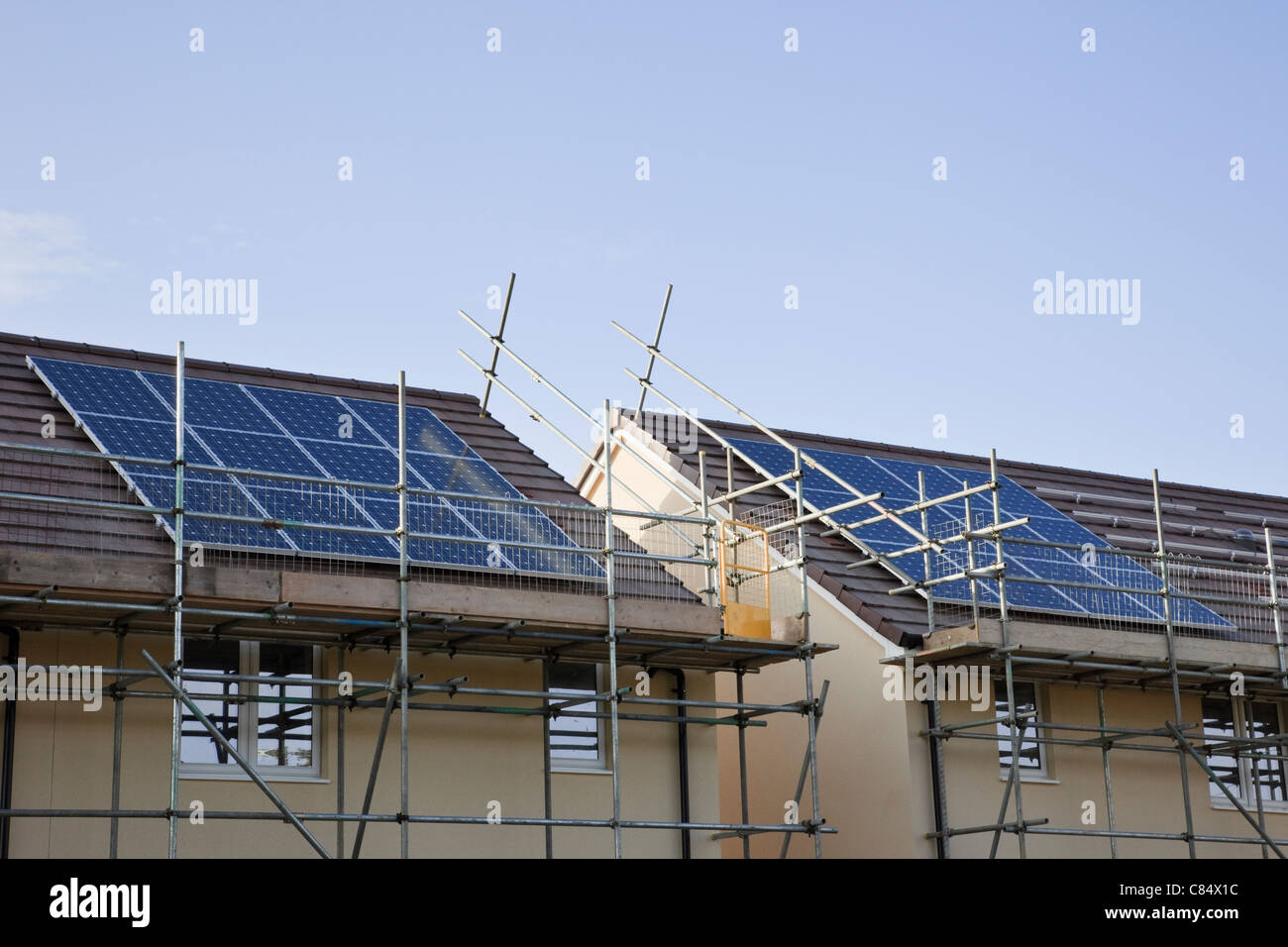
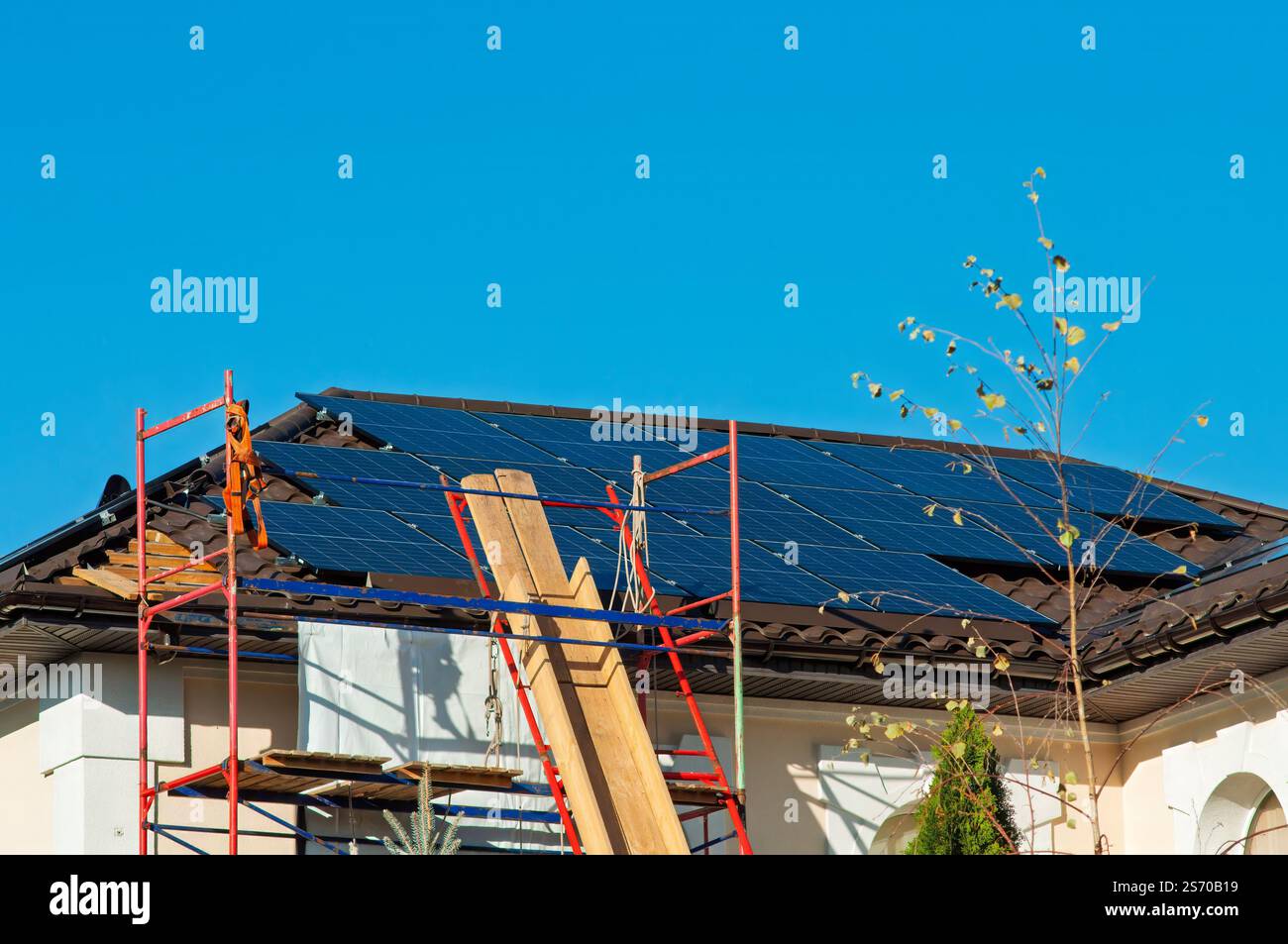
When planning a solar energy installation, you generally require professional-grade access equipment, most commonly scaffolding, to ensure the safety of installers and the integrity of your property. While small-scale DIY projects or specialized ground-mount arrays may bypass this requirement, professional rooftop installations almost universally mandate scaffolding to comply with occupational health and safety regulations, facilitate heavy lifting, and prevent damage to roof tiles.
Contents
The Role of Scaffolding in Solar Installations
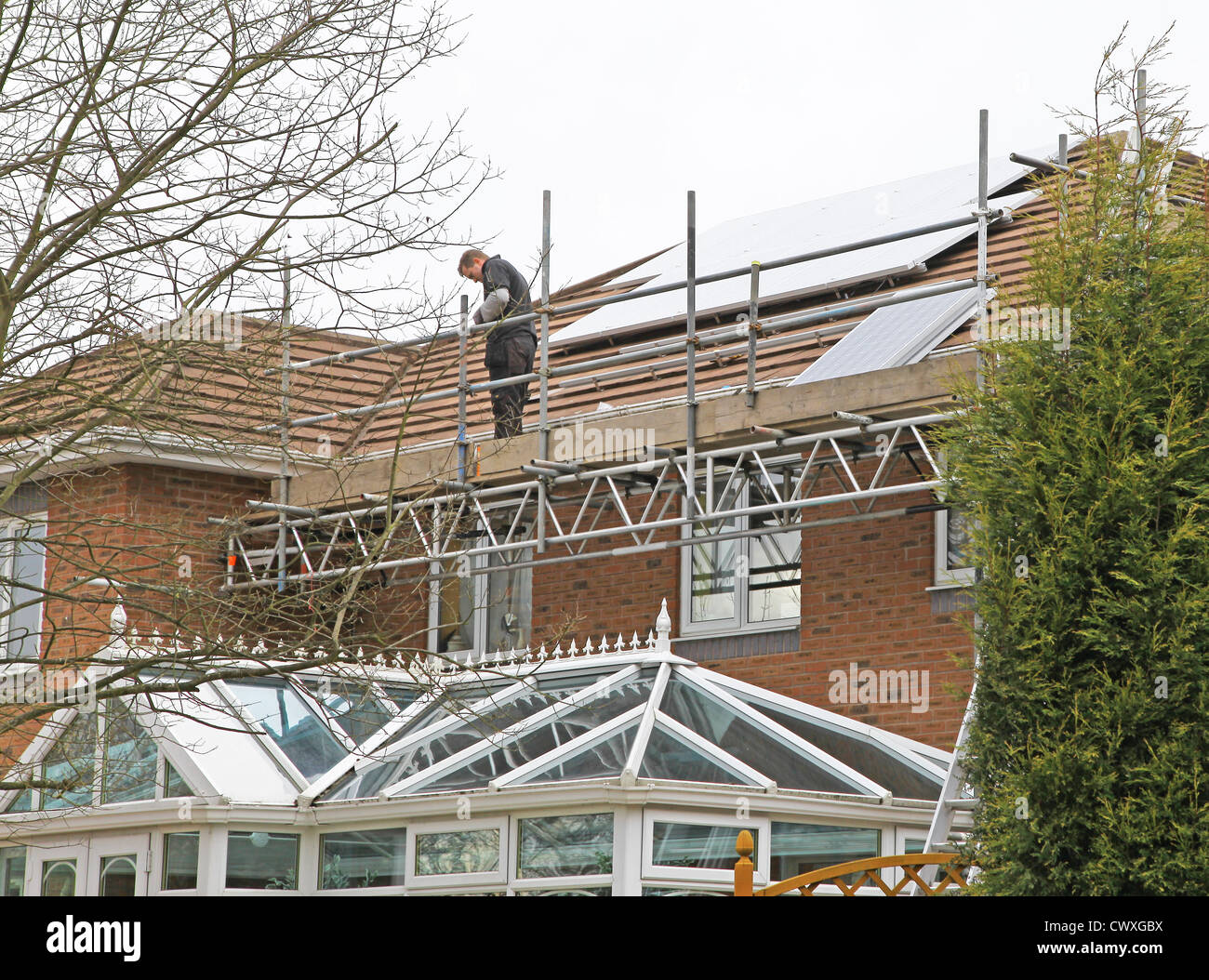
Scaffolding serves several critical functions during a solar energy project. It is not merely a platform for workers to stand on; it acts as a comprehensive temporary structure designed to mitigate the risks inherent in working at heights.
Worker Safety and Regulatory Compliance
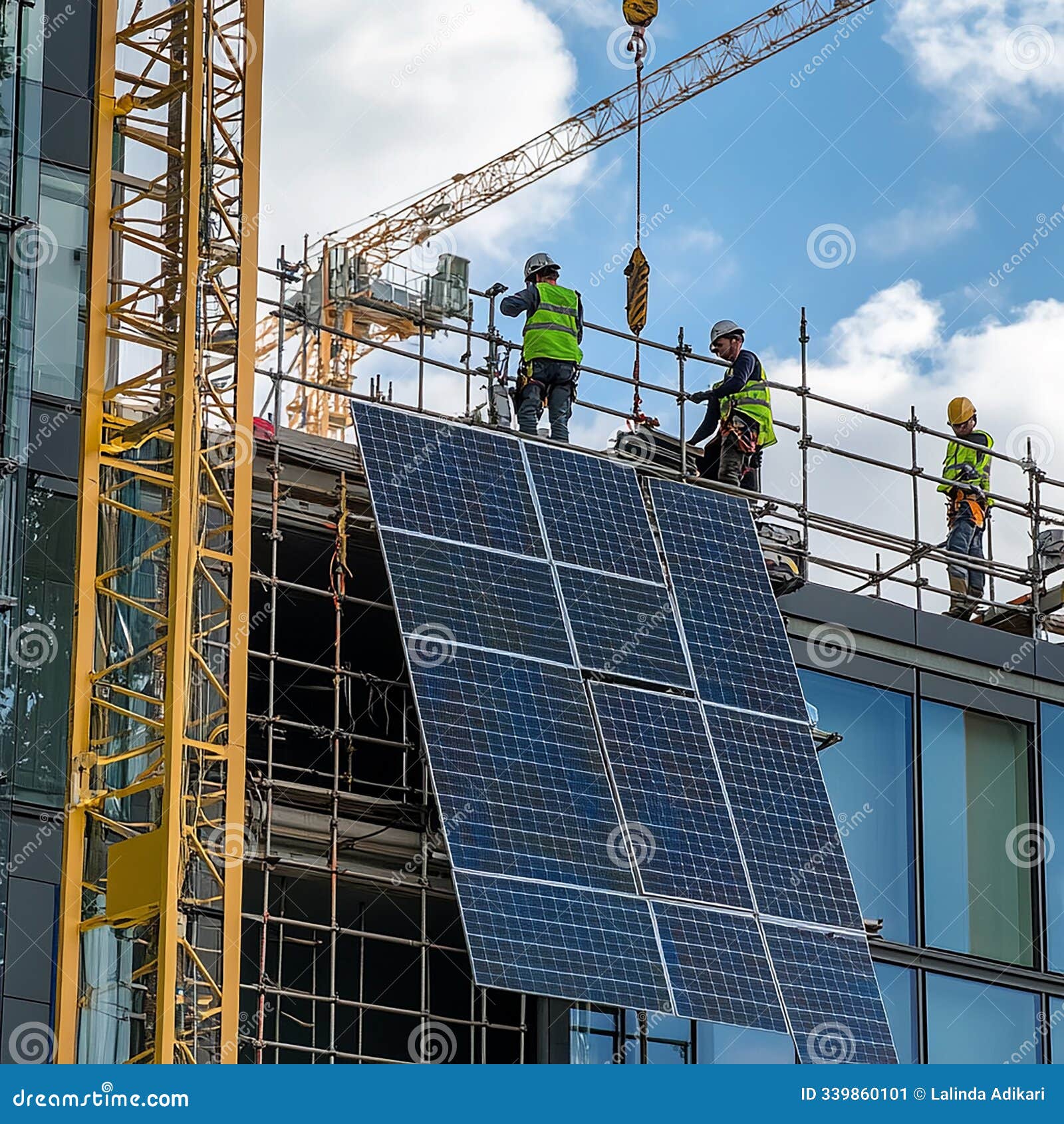
The primary driver for scaffolding requirements is the protection of human life. In many jurisdictions, health and safety authorities, such as the Occupational Safety and Health Administration (OSHA) in the United States or the Health and Safety Executive (HSE) in the United Kingdom, enforce strict guidelines regarding work at height. When workers are handling heavy solar photovoltaic (PV) modules, electrical conduit, and racking hardware, they require a stable, guard-railed platform. Scaffolding provides the necessary edge protection that ladders simply cannot offer.
Material Handling and Efficiency
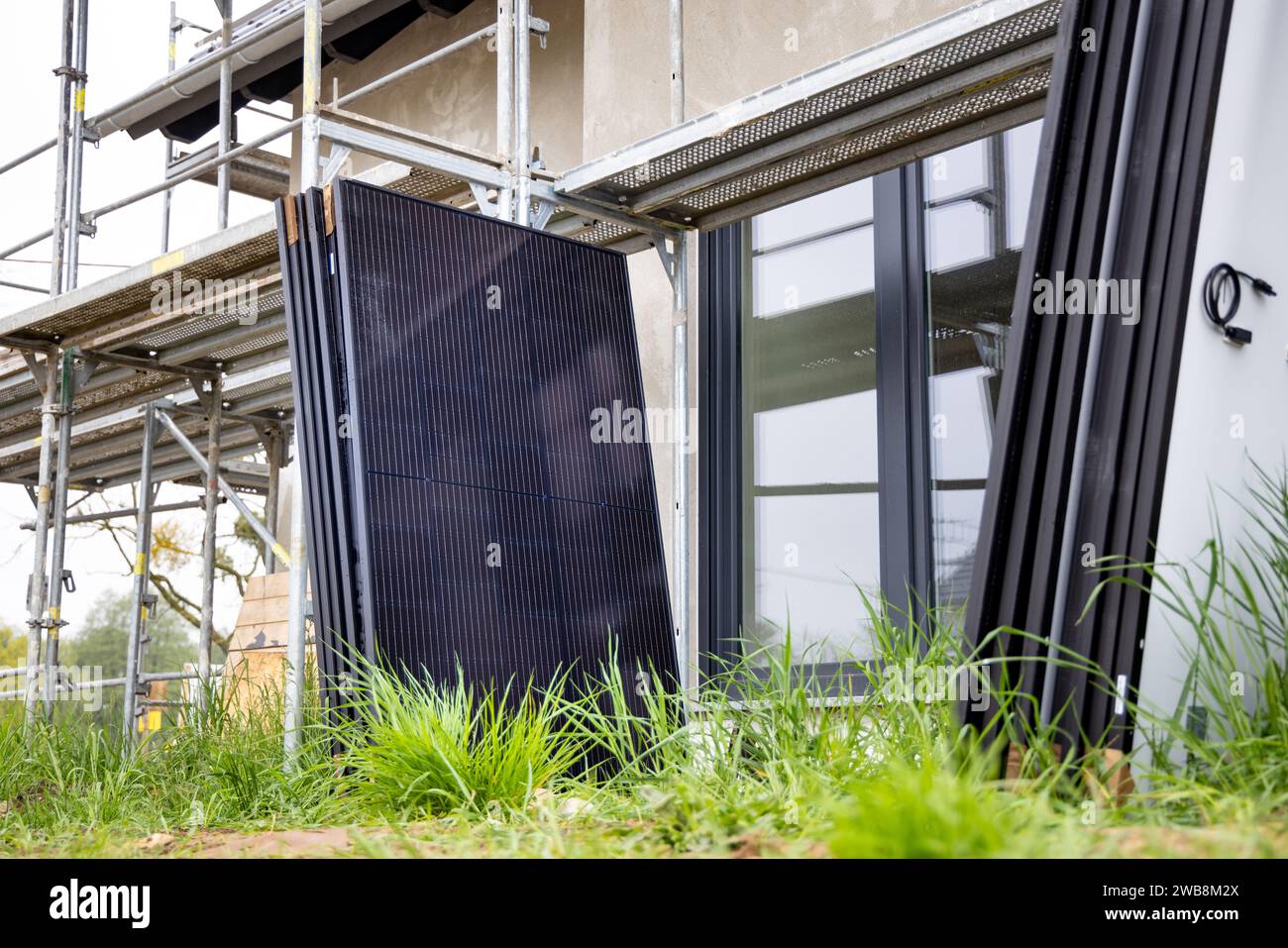
Solar panels and mounting rails are cumbersome. Attempting to maneuver a 40-pound PV module up an extension ladder is a recipe for both personal injury and property damage. Scaffolding creates a staging area at the roofline, allowing installers to transport materials safely and efficiently. This operational efficiency often reduces the overall installation time, which can ultimately lower labor costs despite the added expense of the scaffolding itself.
Protection of Property
Roofs are fragile, particularly those covered in clay or concrete tiles. Scaffolding is designed to distribute the weight of workers and materials away from the roof’s surface. Without proper staging, installers might be forced to walk directly on the tile, risking cracked or broken units that could lead to leaks down the line. By utilizing a "stand-off" or perimeter scaffold, contractors keep the pressure off the roof eaves and gutters.
Exceptions: When Might You Not Need Scaffolding?
While scaffolding is the industry standard for traditional pitched roof solar installations, there are specific scenarios where it may not be necessary.
- Ground-Mount Systems: If you have adequate land, ground-mounted solar arrays eliminate the need for working at height entirely. These systems are bolted into a concrete or screw-pile foundation, making scaffolding unnecessary.
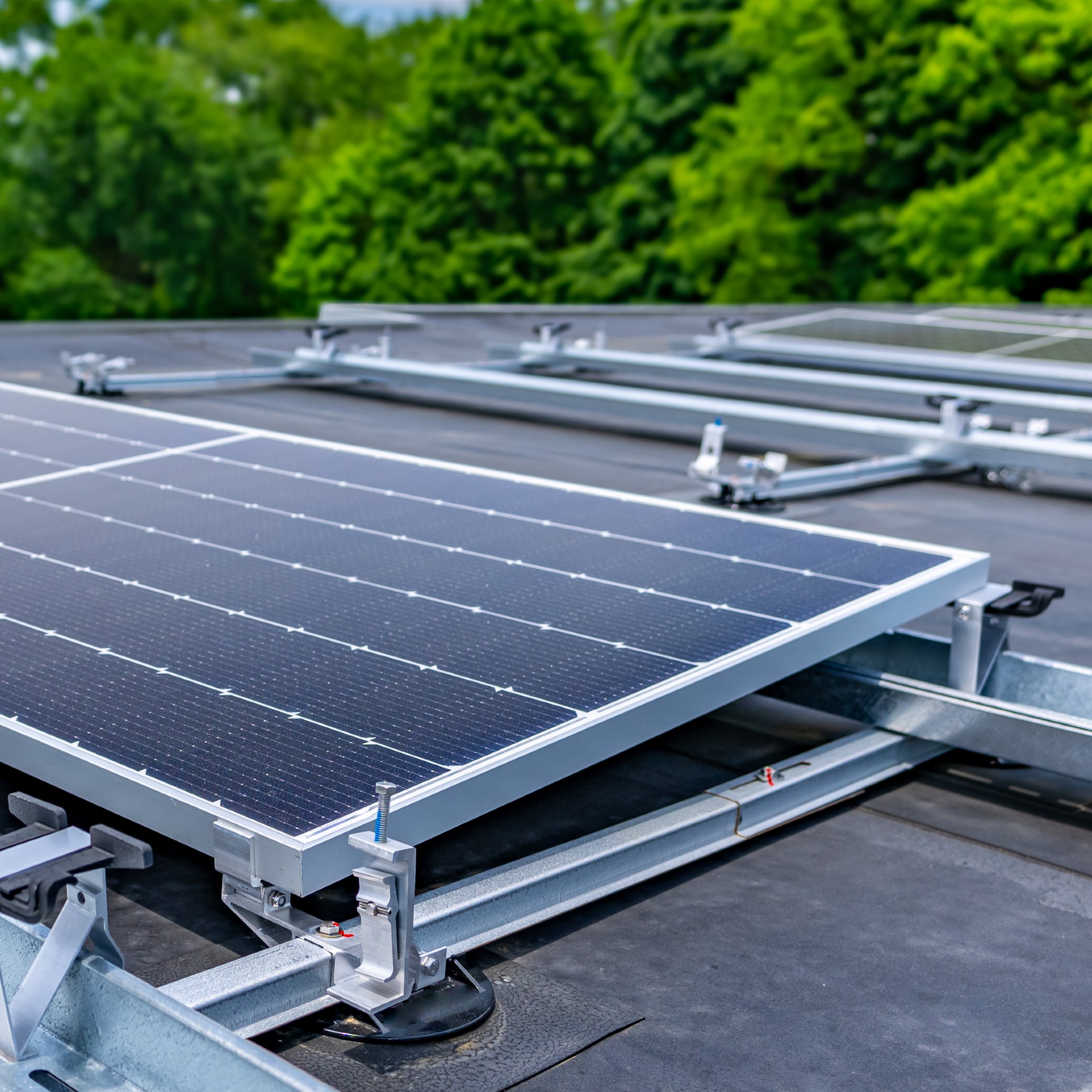
- Single-Story Flat Roofs: For installations on low-slope or flat roofs, contractors may utilize alternative safety measures such as "fall restraint" harnesses or temporary guardrails mounted directly to the roof structure. If the roof height is low enough and the fall risk is minimal, professional roofers may deem scaffolding an unnecessary expenditure.
- Specialized Access Equipment: In some cases, a high-reach forklift or an aerial work platform (a "cherry picker") may be used instead of traditional scaffolding. This is more common in commercial installations where access to the building perimeter is clear and the ground is level enough to support heavy machinery.
Cost Considerations and Project Budgeting
The cost of scaffolding is a significant line item in a solar quote. Depending on the size of your home and the complexity of the roof, scaffolding costs typically range from $600 to $2,500. While this might seem like a burden, it is vital to view it as a prerequisite for professional liability coverage. If a contractor offers to install your system without scaffolding or adequate safety equipment, it is often a sign of a lack of professional standards or inadequate insurance coverage.
Comparing Access Methods
| Method | Best Use Case | Primary Benefit | Potential Drawback |
|---|---|---|---|
| Traditional Scaffolding | Most pitched roof homes | Stability and material staging | Higher cost and longer setup |
| Fall Restraint System | Flat or low-slope roofs | Low cost, minimal footprint | Requires specialized training |
| Aerial Work Platform | Commercial/Industrial | Rapid deployment | Requires clear, stable ground |
| Extension Ladders | Minor repairs only | Minimal cost | High safety risk, prohibited for most installs |
Risks of Attempting Installation Without Proper Access
If you are considering a DIY approach to avoid the costs of scaffolding, you must account for the reality of the risks involved. Solar installation is not just about mounting panels; it involves electrical work, roof penetration sealing, and structural load calculations.
- Liability and Insurance: If an accident occurs on your property and you hired an unlicensed or non-compliant contractor—or attempted the work yourself—your homeowners' insurance may deny the claim. Many policies specifically exclude coverage for amateur work at heights.
- Roof Warranty Voidance: Many roofing manufacturers specify that their warranties are only valid if work performed on the roof is carried out by licensed professionals using industry-standard equipment. Damaging your roof during an improper installation could result in thousands of dollars in repair costs that are no longer covered.
- Electrical Safety: Working with solar electricity involves handling high-voltage DC (Direct Current) circuits. Unlike standard household AC power, DC power does not "zero cross," meaning a connection arc is much harder to break and significantly more dangerous. Having a stable, safe platform from which to perform these connections is vital.
Best Practices for Solar Access Planning
When you receive quotes from solar installers, always ask them to outline their access plan. A reputable contractor should include an itemized breakdown of site preparation, which covers scaffolding.
- Verify Insurance: Ensure the company carries both General Liability and Workers' Compensation insurance. Ask to see certificates of insurance (COI) that are current for 2026.
- Request a Site Assessment: A professional installer should perform a physical inspection of your roof and the perimeter of your home. They need to check for power lines, uneven ground, and fragile landscaping that could impede the construction of scaffolding.
- Discuss Timing: Scaffolding is usually erected a day before the crew arrives and taken down a day or two after completion. Coordinate with your installer to ensure this timeframe doesn't conflict with any deliveries or access needs at your property.
Frequently Asked Questions
Can I save money by building my own scaffolding?
No. In almost all jurisdictions, scaffolding must be erected by a certified professional to meet safety standards. Using homemade or non-certified equipment creates massive legal and physical risks that far outweigh any potential savings.
Does the solar company own the scaffolding?
Most solar installers subcontract the scaffolding work to a specialized staging company. This ensures that the equipment is inspected, certified, and compliant with current 2026 safety regulations.
Will scaffolding damage my lawn or driveway?
Professional scaffolding companies use base plates and mud sills (wooden planks) to distribute the weight of the structure across the ground. While there may be minor indentations in soft grass, professional crews prioritize minimizing impact to your property.
How long does the scaffolding stay up?
The duration depends on the size of the installation. For a standard residential project, expect the scaffolding to be on-site for approximately 3 to 7 days.
Can I leave the scaffolding up after the install to do my own maintenance?
Generally, no. The rental contract for the scaffolding is tied to the solar installation project. Keeping it up longer requires additional rental fees and may shift the liability onto you if an injury occurs while it is standing on your property.
Next Steps for Your Solar Project
If you are currently evaluating quotes, ensure your contractor’s "Scope of Work" explicitly includes the installation and removal of necessary safety staging. If a quote is significantly cheaper than others, check if they have omitted scaffolding costs, which could leave you liable for site safety or property damage. Prioritize contractors who emphasize safety as a core component of their service, as this is the best indicator of a high-quality, long-lasting solar array.
Image Gallery