Choosing an Eye Care Practice in Lexington: A Comprehensive Guide
Selecting an eye care practice in Lexington requires balancing clinical expertise, technological capabilities, and logistical convenience to ensure your vision health is managed effectively. Whether you are seeking a routine comprehens...
Selecting an eye care practice in Lexington requires balancing clinical expertise, technological capabilities, and logistical convenience to ensure your vision health is managed effectively. Whether you are seeking a routine comprehensive eye exam, specialized management for conditions like glaucoma or macular degeneration, or pediatric vision care, the local landscape offers a range of options that must be evaluated against your specific health needs and administrative requirements.
Contents
Assessing Your Specific Vision Health Requirements
Before searching for a provider, categorize your needs to narrow down the scope of your search. Eye care in the United States is generally divided between two primary types of professionals: optometrists and ophthalmologists. Understanding this distinction is the first step in effective selection.
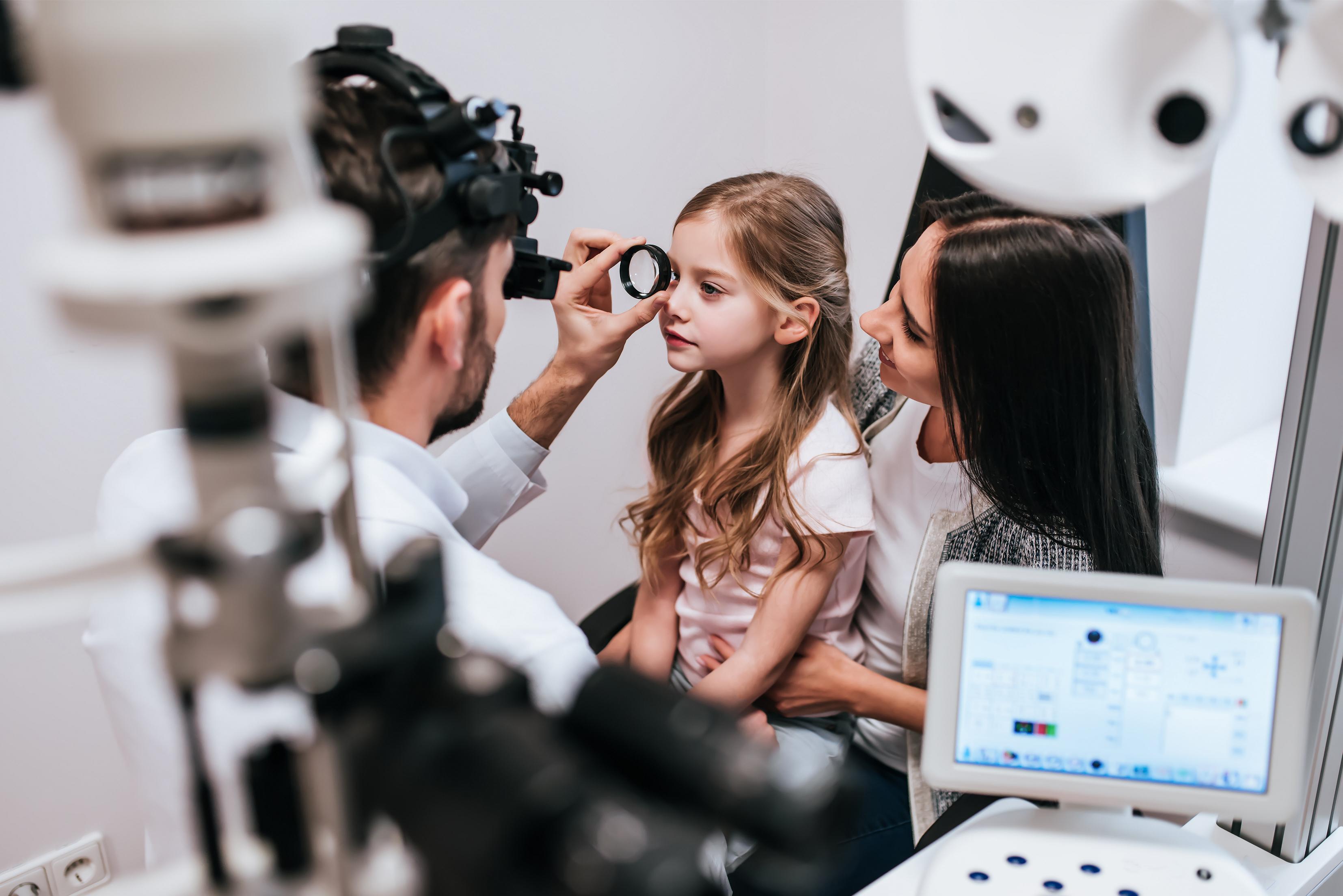
Optometrists (Doctors of Optometry, or ODs) are primary health care professionals for the eye. They perform comprehensive exams, diagnose and treat common vision problems, and prescribe eyeglasses and contact lenses. They are also trained to manage many ocular diseases. If your primary need is a standard prescription update or a baseline health screening, an optometrist is often the most accessible point of entry.
Ophthalmologists (MDs or DOs) are medical doctors who have completed specialized training in eye and vision care. In addition to the services provided by optometrists, they perform complex eye surgery and treat serious medical eye conditions. If you have been diagnosed with a chronic condition like diabetic retinopathy, advanced cataracts, or retinal detachment, a practice anchored by ophthalmologists is essential for continuity of care.
Evaluating Practice Accessibility and Logistics in Lexington
Lexington’s geography and the distribution of medical facilities play a significant role in your choice. Consider the following logistical factors:
- Location and Transit: Evaluate whether the practice is situated near major thoroughfares or within a medical corridor. For routine visits, proximity to your home or workplace is a primary convenience; however, for specialty care, you may prioritize a practice with specialized diagnostic equipment over absolute geographical proximity.
- Availability and Scheduling: Assess how the practice manages patient volume. In 2026, many high-demand practices utilize online scheduling portals. Determine if the practice offers appointment flexibility, such as early morning or evening slots, which are increasingly common in urban centers like Lexington to accommodate working professionals.
- Patient Portal Utility: Modern eye care practices should offer a secure patient portal. This digital interface is essential for accessing your health records, downloading contact lens prescriptions, reviewing lab results, and communicating directly with staff regarding billing or appointment status.
Clinical Technology and Diagnostic Capabilities
The standard of care in ophthalmology and optometry is heavily reliant on advanced instrumentation. When researching a practice, look for evidence of the following technologies, which assist in early detection and long-term monitoring of eye disease:
- Optical Coherence Tomography (OCT): A non-invasive imaging test that uses light waves to take cross-section pictures of your retina. This is the gold standard for monitoring conditions like glaucoma and macular degeneration.
- Digital Retinal Imaging: Used to capture high-resolution images of the back of the eye. This provides a baseline for health tracking over many years.
- Automated Perimetry (Visual Field Testing): Essential for assessing peripheral vision and diagnosing neurological or ocular health issues.
A practice that invests in these technologies demonstrates a commitment to preventive medicine rather than just refractive correction.
Financial Considerations: Insurance and Billing
Eye care costs vary significantly based on your insurance coverage and the specific services rendered. In the Lexington area, most practices participate in a variety of vision plans (such as VSP or EyeMed) and major medical insurance providers (such as Anthem or Humana).
- Vision vs. Medical Insurance: This is a frequent point of confusion. Vision insurance is typically designed to cover routine eye exams and materials like glasses or contact lenses. Medical insurance, conversely, is utilized when you have an eye injury, an active infection, or a chronic health condition (such as diabetes) that requires ocular management. A competent practice will be able to explain exactly when each type of coverage applies to your visit.
- Out-of-Network and Self-Pay: If you are uninsured or your preferred practice is out-of-network, request a "fee schedule" or a "good faith estimate" before your appointment. Under the No Surprises Act, providers are required to provide transparency regarding expected costs for those who do not use insurance.
Comparison of Practice Types
| Practice Type | Primary Focus | Best For | Diagnostic Scope |
|---|---|---|---|
| Independent Private Practice | Personalized, continuity of care | Long-term family eye health | Broad, varies by office |
| Group Medical Practice | Multidisciplinary, surgical focus | Chronic disease management | High, advanced equipment |
| Retail-Based Clinic | Convenience, speed | Routine exams and prescriptions | Limited to refractive needs |
| Academic/Hospital System | Complex cases, clinical research | Rare diseases, surgical emergencies | Very high, full imaging suites |
Common Mistakes When Choosing a Provider
One common error is selecting a practice based solely on the aesthetic of the website or proximity to retail centers. While convenience is valid, it should not supersede clinical necessity. If you have a family history of glaucoma or are a contact lens wearer with dry eye syndrome, you require a provider who offers depth in those specific areas.
Another mistake is failing to verify current credentials. In Kentucky, optometrists and ophthalmologists are governed by specific state licensing boards. You can verify the active status of any practitioner through the Kentucky Board of Optometric Examiners or the Kentucky Board of Medical Licensure. This step ensures that the professional you are entrusting with your vision meets all regulatory and safety standards.
Preparing for Your First Appointment
Once you have narrowed your selection, prepare for your initial visit by gathering the necessary documentation:
- A comprehensive list of current medications, including eye drops.
- A copy of your most recent prescription, if available.
- A brief summary of your ocular history (e.g., previous surgeries, history of laser vision correction, or trauma).
- Information on your current medical and vision insurance policies.
During your visit, observe the clinic's environment. Are the staff responsive? Is the equipment clean and organized? Is the doctor willing to explain findings in language you understand? Patient-provider communication is the final, essential filter for determining if a practice is the right fit for your long-term health.
Frequently Asked Questions
Does a comprehensive eye exam cover the same things as a vision screening? No. A vision screening is typically a basic test designed to identify potential issues, often performed by a technician. A comprehensive eye exam is a thorough evaluation performed by an eye doctor, involving dilation or wide-field imaging to assess the health of the entire interior eye structure, not just refractive error.
How often should I have an eye exam if I do not wear glasses? Even if you have perfect vision, the American Optometric Association recommends baseline screenings for healthy adults. In the absence of symptoms, exams should occur every two years for most adults, or more frequently if you have risk factors such as high blood pressure, diabetes, or a family history of ocular disease.
Can I use my medical insurance if I go to an optometrist? Yes, if the visit is for a "medical" reason rather than a routine vision check. If you have an eye infection, foreign body, or chronic condition, the doctor will bill the visit to your medical insurance. Be prepared to provide your medical insurance card, as this often differs from your vision-specific benefit card.
What is the advantage of a practice that provides both primary eye care and surgery? These practices provide a seamless transition if your needs evolve. If your routine exam reveals a condition requiring intervention—such as cataracts—having your primary care physician already within that network can expedite referrals and ensure that your post-operative follow-up care is consistent with your baseline history.
Is it necessary to buy glasses at the same place I have my exam? No. You are legally entitled to a copy of your prescription once an exam is completed. You may choose to fill your prescription at the practice, at an optical boutique, or through an online retailer. However, buying from the practice can simplify the process if you require a follow-up adjustment or if there is an issue with the lens-to-frame fit.
Next Steps for Your Selection
Begin your selection process by filtering for providers who accept your specific insurance plans. Once you have a shortlist, cross-reference their specializations with your personal health requirements. Call the offices and ask if they are currently accepting new patients and if they utilize the diagnostic equipment (such as OCT) relevant to your health status. By systematically vetting these factors, you can secure high-quality, professional eye care that will support your vision health for years to come.
Image Gallery