How Commercial Professional Liability Insurance Protects Your Business
Commercial professional liability insurance—often referred to as Errors and Omissions (E&O) insurance—protects your business by covering the legal costs, settlements, and judgments associated with claims of professional negligence, mis...
Commercial professional liability insurance—often referred to as Errors and Omissions (E&O) insurance—protects your business by covering the legal costs, settlements, and judgments associated with claims of professional negligence, mistakes, or failure to perform. It provides a financial safety net when a client alleges that your professional expertise or service caused them significant financial harm.
Contents
In the complex commercial landscape of 2026, professional expertise is the primary product for millions of businesses. Whether you are a consultant providing strategic direction, an architect designing infrastructure, or an IT specialist managing cloud security, the weight of your "duty of care" is substantial. Unlike general liability, which focuses on physical mishaps, professional liability addresses the intangible but devastating impact of a professional error. As we navigate the current fiscal year, understanding the layers of this protection is essential for long-term operational resilience.
Defining the Scope: Professional Liability vs. General Liability
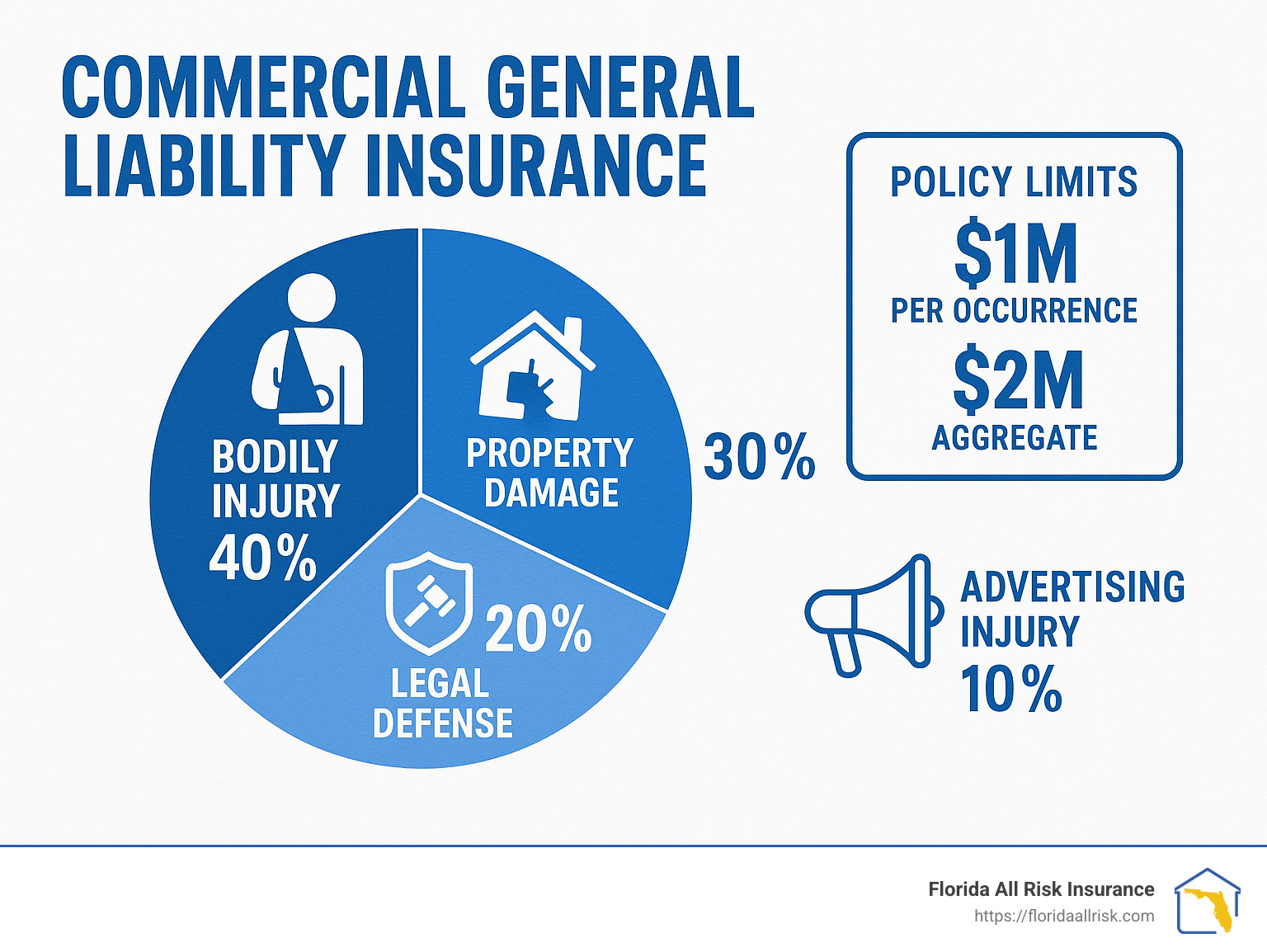
To understand how professional liability insurance protects your business, you must first distinguish it from other foundational coverages. Many business owners mistakenly believe that a General Liability (GL) policy is a catch-all. However, GL is primarily designed for "slips and falls"—bodily injury and property damage.
Commercial professional liability insurance fills the specific gap where GL stops. It addresses the financial losses a third party suffers due to your professional errors, omissions, or failure to meet a standard of care. For example, if a marketing consultant provides data that leads a client to invest $1 million in a failed campaign, the client’s loss is purely financial, not physical. A GL policy would not respond to this claim, but a professional liability policy would.
The protection extends beyond simple "mistakes." It covers the specialized knowledge you represent to the public. In 2026, the standard of care is higher than ever due to the integration of advanced analytics and automated tools. If your professional output—even if augmented by technology—fails to meet industry standards, your liability is personal and corporate. Professional liability insurance ensures that a single lawsuit does not result in the total liquidation of your business assets.
The Three Pillars of Financial Protection
When a professional liability claim is filed, the insurance policy provides protection through three primary mechanisms: defense costs, settlements, and judgments.
1. Legal Defense Costs
Perhaps the most immediate benefit of a professional liability policy is the coverage for legal defense. Even if a claim is entirely groundless, the cost of hiring specialized attorneys to defend your reputation can reach hundreds of thousands of dollars. In 2026, legal fees continue to rise, and professional disputes often require expert witnesses to testify on the "standard of care." Most professional liability policies include a "duty to defend" clause, meaning the insurer takes on the burden of managing and paying for the defense from day one.
2. Settlements
Many professional disputes are resolved out of court to avoid the uncertainty of a trial. A settlement can be a significant financial blow to an unprotected company. Your insurance provider negotiates these settlements on your behalf, using their actuarial data and legal expertise to reach a fair conclusion. The policy pays the settlement amount, preserving your business’s cash flow and operating capital.
3. Judgments
If a case goes to trial and a court finds your business liable for the client's loss, the policy pays the resulting judgment up to the policy limits. This includes compensatory damages awarded to the plaintiff. Without this coverage, a large judgment could force a business into bankruptcy, as professional liability claims often correlate with the total value of the contract in dispute, which can be millions of dollars in enterprise sectors.
Key Scenarios Where Protection is Vital
Professional liability insurance is not a "one size fits all" product; it adapts to the specific risks of your industry. By 2026, the definitions of professional service have expanded to include digital and algorithmic advice.
Negligence and Breaches of Duty
The core of any E&O claim is negligence—the failure to exercise the level of care that a reasonably prudent professional would have exercised in similar circumstances. For a structural engineer, this might be a miscalculation in load-bearing requirements. For a tax accountant, it could be the failure to file an election that results in a massive penalty for the client. The insurance protects you by proving you met the standard or paying for the failure if you did not.
Misrepresentation and Inaccurate Advice
In the consulting world, advice is the product. If a business consultant misrepresents the potential ROI of a merger or fails to disclose a conflict of interest, they can be sued for misrepresentation. Professional liability insurance covers these claims, ensuring that errors in communication or documentation do not lead to financial ruin.
Breach of Contract
While many breach of contract issues are purely administrative, "professional" breaches of contract—such as failing to deliver a software project by a critical deadline that causes a client to lose a market opportunity—often fall under the umbrella of professional liability. The policy helps cover the damages the client claims as a result of your failure to fulfill the professional technicalities of the agreement.
Professional Liability Coverage Comparison
The following table compares how professional liability interacts with other common 2026 business insurance types to provide a full shield of protection.
| Feature | Professional Liability (E&O) | General Liability | Cyber Liability |
|---|---|---|---|
| Primary Trigger | Errors in professional service/advice | Bodily injury or property damage | Data breach or network security failure |
| Type of Loss Covered | Financial loss of the client | Physical damage or medical costs | Recovery costs, notification, and fines |
| Legal Defense | Included for professional negligence | Included for physical accidents | Included for privacy law violations |
| Industry Example | Consultant gives bad advice | Customer slips in the office | Hacker steals client credit card data |
| 2026 Context | Covers AI-generated advice errors | Covers physical damage from robots | Covers ransomware and deepfake fraud |
Claims-Made vs. Occurrence Policies
Understanding how professional liability protects you requires a technical look at policy structures. Most commercial professional liability policies in 2026 are written on a claims-made basis.
A claims-made policy only provides coverage if the policy is active both when the alleged error occurred and when the claim is officially filed. To maintain protection for past work, these policies use a "Retroactive Date." As long as you have maintained continuous coverage, your policy protects you for work done years ago.
If you decide to retire or close your business in 2026, you must consider Tail Coverage (an Extended Reporting Period). This allows you to report claims for a set number of years after the policy has expired for work performed while the policy was active. Without this, your protection evaporates the moment you stop paying premiums, even if the error happened years prior. This is a critical distinction that ensures your personal wealth is protected even after your professional career concludes.
Limitations and Common Exclusions
While professional liability is robust, it does not cover everything. To maintain a realistic protection strategy, business owners must recognize what falls outside the policy:
- Intentional Dishonesty: Coverage is strictly for "errors" and "omissions." If a professional intentionally defrauds a client or commits a criminal act, the policy is void.
- Bodily Injury/Property Damage: As noted, these are the domain of General Liability. If an architect’s mistake leads to a building collapse that hurts someone, the professional liability policy covers the economic loss of the building's value, but the bodily injury claims usually shift to GL.
- Internal Disputes: E&O insurance protects you from third-party claims (clients). It does not cover disputes between partners or employees within the firm.
- Cyber-Related Professional Errors: In 2026, the line between an IT error and a cyber breach is thin. While some professional liability policies include cyber endorsements, a standard E&O policy might exclude losses caused specifically by a hack or data breach unless it was a direct result of professional negligence in security configuration.
Determining Your Required Coverage Limits
As of 2026, the "standard" $1 million per occurrence / $2 million aggregate limit is often insufficient for mid-market firms. Protecting your business means aligning your limits with your largest contract values.
When calculating your needs, consider the "worst-case scenario" for your largest client. If your error causes their entire operation to cease for a month, what is their lost revenue? That figure should be your baseline for coverage. Furthermore, many enterprise-level contracts now mandate specific professional liability limits as a prerequisite for doing business. In this sense, the insurance doesn't just protect your assets; it acts as a "license to operate" that enables business growth.
Frequently Asked Questions
Does professional liability insurance cover my employees' mistakes?
Yes. Commercial professional liability insurance typically covers the actions of the business entity, which includes all employees, contractors, and even temporary staff acting on behalf of the company. However, it is vital to ensure that your policy definitions specifically include "independent contractors" if you rely heavily on 1099 talent, as some basic policies may exclude non-W2 workers.
If I am sued and win, do I still have to pay my deductible?
Usually, yes. The deductible (or retention) in a professional liability policy applies to "Loss" and "Defense Expenses." Even if the court finds you not liable and you "win" the case, the insurance company will have spent money on your legal defense. You will be responsible for paying your deductible toward those legal fees. Some 2026 policies offer a "First Dollar Defense" (FDD) endorsement, which waives the deductible for defense costs, but these carry higher premiums.
How does "AI-augmented work" affect my professional liability in 2026?
In 2026, insurers generally treat AI as a tool used by the professional. If you use AI to generate a structural report or a financial forecast and that output contains an error, the liability remains with you, the professional of record. You are expected to vet and verify AI outputs. Most modern policies cover these errors as long as they aren't the result of using unauthorized or illegal software, but you should check for "algorithmic exclusions" in your specific policy.
Can a client's contract override my insurance coverage?
No. While a contract can demand that you carry certain insurance, the contract itself does not change the terms of your insurance policy. If you sign a contract promising "unlimited liability" to a client, but your insurance policy has a $2 million limit, you are personally responsible for any amount exceeding that $2 million. Always ensure your contractual indemnity clauses align with your insurance policy limits.
Why do I need professional liability if I have a solid contract with an indemnity clause?
An indemnity clause is only as strong as the bank account behind it. If a client sues you for $500,000, your contract might say you aren't liable, but you still have to pay a lawyer to enforce that contract in court. Furthermore, a judge may find your indemnity clause "unconscionable" or unenforceable under 2026 consumer or commercial protection laws. Professional liability insurance provides the legal firepower to enforce your contract and the funds to pay if the contract fails to protect you.
Practical Recommendation for 2026
To ensure your business is fully protected, conduct an annual "Risk and Contract Audit." Review your largest three contracts from the past year and compare the potential damages of an error against your current professional liability limits. In the current economic environment, inflation and increased litigation costs mean that coverage purchased two years ago may no longer be sufficient. Consult with a specialized broker to ensure your "Retroactive Date" is set correctly and that your policy includes "Full Prior Acts" coverage to protect against mistakes made in previous years that have yet to be discovered.
Image Gallery