Understanding the Example Cash Value Life Insurance Policy: A Comprehensive Guide
A cash value life insurance policy is a type of permanent life insurance that combines a death benefit with a tax-deferred savings component. Unlike term insurance, a portion of each premium payment is allocated to an internal account...
A cash value life insurance policy is a type of permanent life insurance that combines a death benefit with a tax-deferred savings component. Unlike term insurance, a portion of each premium payment is allocated to an internal account that accumulates value over time, which the policyholder can access through loans or withdrawals during their lifetime.
Contents
What is Cash Value Life Insurance?
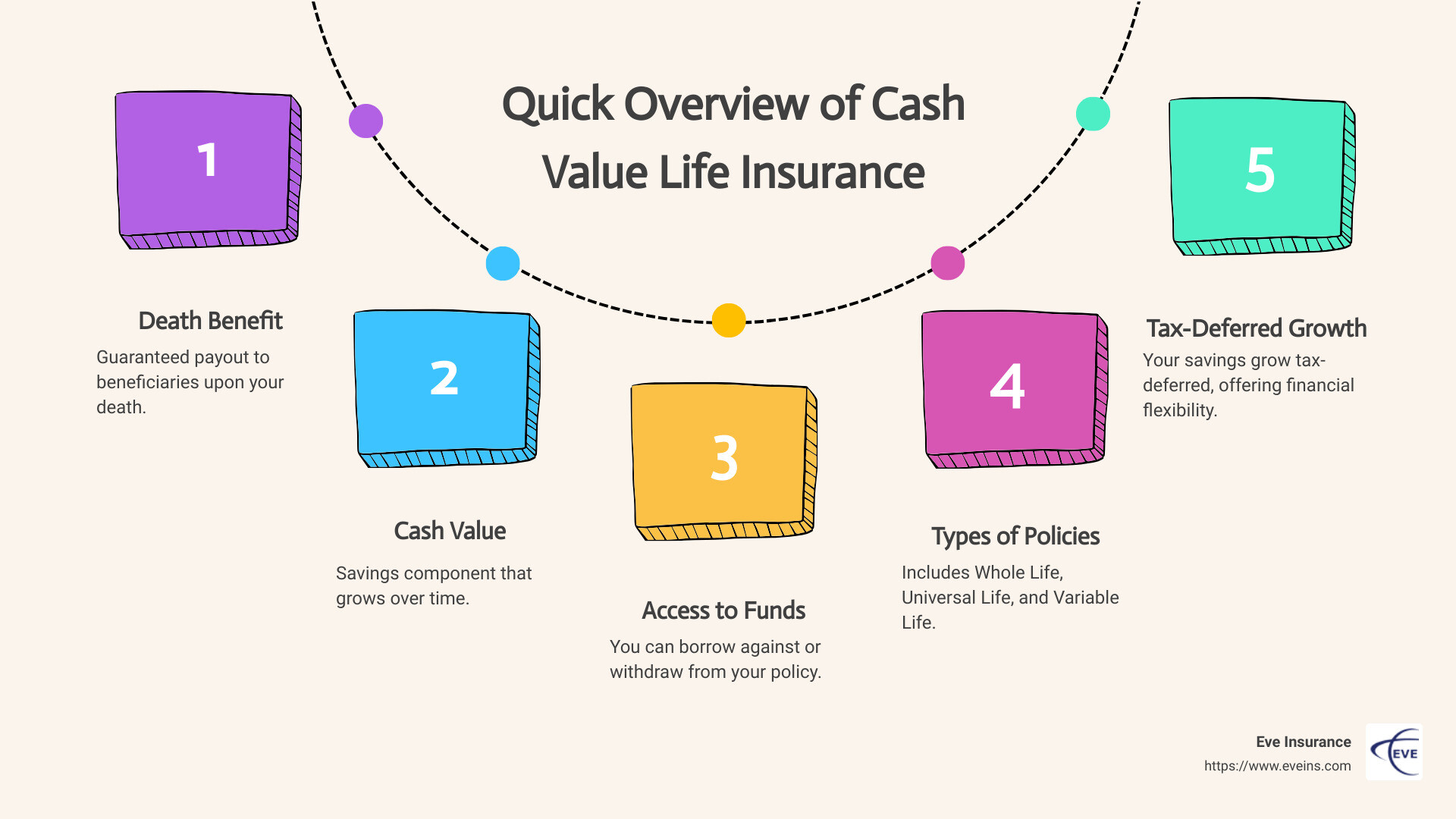
Cash value life insurance serves as a dual-purpose financial instrument. At its core, it provides a death benefit—a tax-free lump sum paid to beneficiaries upon the insured's passing. However, the "permanent" nature of the policy means it is designed to remain in force for the insured's entire life, provided premiums are paid. The distinguishing feature is the cash value accumulation, which functions as a private equity account within the policy.
As of 2026, these policies remain a cornerstone of estate planning and "infinite banking" strategies. When you pay a premium, the insurance company divides the funds: one part covers the Cost of Insurance (COI) and administrative fees, while the remainder is credited to the cash value account. Over time, this account grows through interest, dividends, or investment gains, depending on the specific type of policy held.
Common Types of Cash Value Policies
To understand an example policy, one must first identify which "flavor" of permanent insurance is being discussed, as the growth mechanics vary significantly:
- Whole Life Insurance: Offers fixed premiums, a guaranteed death benefit, and a guaranteed rate of return on the cash value. Many policies also pay non-guaranteed dividends.
- Universal Life (UL): Provides more flexibility, allowing policyholders to adjust premium payments and death benefits. The cash value grows based on current market interest rates.
- Variable Life: Links the cash value to sub-accounts—similar to mutual funds—allowing for higher potential growth but introducing market risk.
- Indexed Universal Life (IUL): Credits interest based on the performance of a market index (like the S&P 500) but usually includes a "floor" to protect against market losses.
The Mechanics of an Example Policy: A 20-Year Breakdown
To illustrate how these policies function, let us examine a hypothetical $500,000 Whole Life Insurance policy issued to a 35-year-old individual in 2026. This example assumes an annual premium of $8,500.
The Early Years: The Accumulation Phase
In the first two to three years of this example policy, the cash value growth is often slow. This is because the initial premiums are heavily weighted toward "front-loaded" costs, including agent commissions, underwriting expenses, and the establishment of reserves. By Year 5, however, the cash value begins to build momentum. The interest and potential dividends (if it is a participating policy) start to compound.
The Mid-Point: Year 10 to Year 15
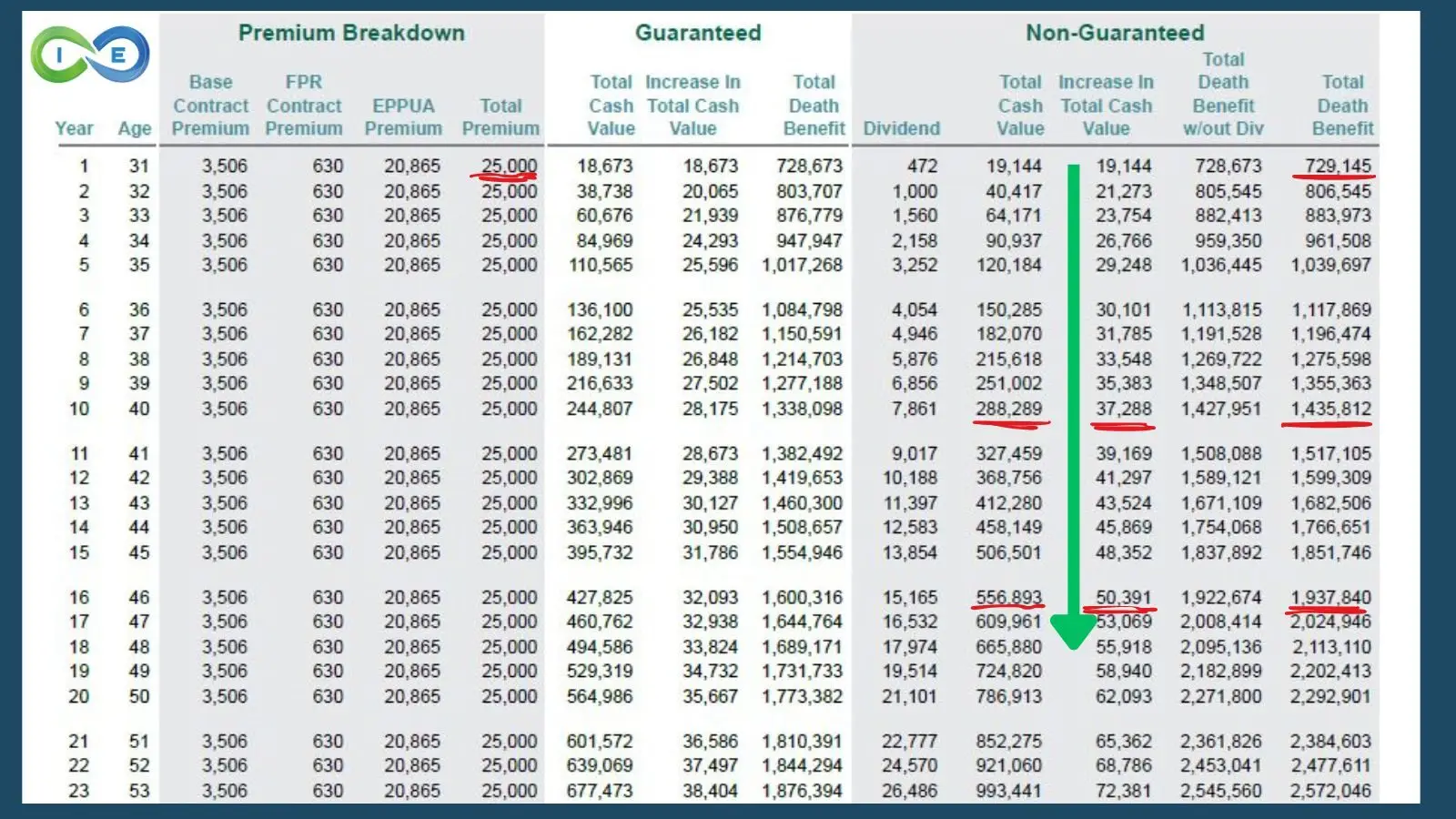
By Year 10, the cash value in our example might reach approximately $75,000 to $90,000, depending on dividend performance. At this stage, the annual growth of the cash value may actually exceed the annual premium paid. This is a critical milestone known as the "break-even point," where the policyholder’s equity in the contract begins to significantly enhance their net worth.
Long-Term Growth: Year 20 and Beyond
By Year 20, the insured is 55 years old. The cash value could potentially exceed $200,000. Because the growth has occurred inside a life insurance wrapper, the policyholder has not paid annual taxes on the gains. In 2026, this tax-deferred status remains a primary driver for high-net-worth individuals using life insurance as a volatility buffer for their broader portfolios.
Accessing Your Cash Value: The Living Benefits
The primary reason consumers choose cash value over term insurance is the ability to use the money while still alive. There are three main ways to access the equity in our example policy:
1. Policy Loans
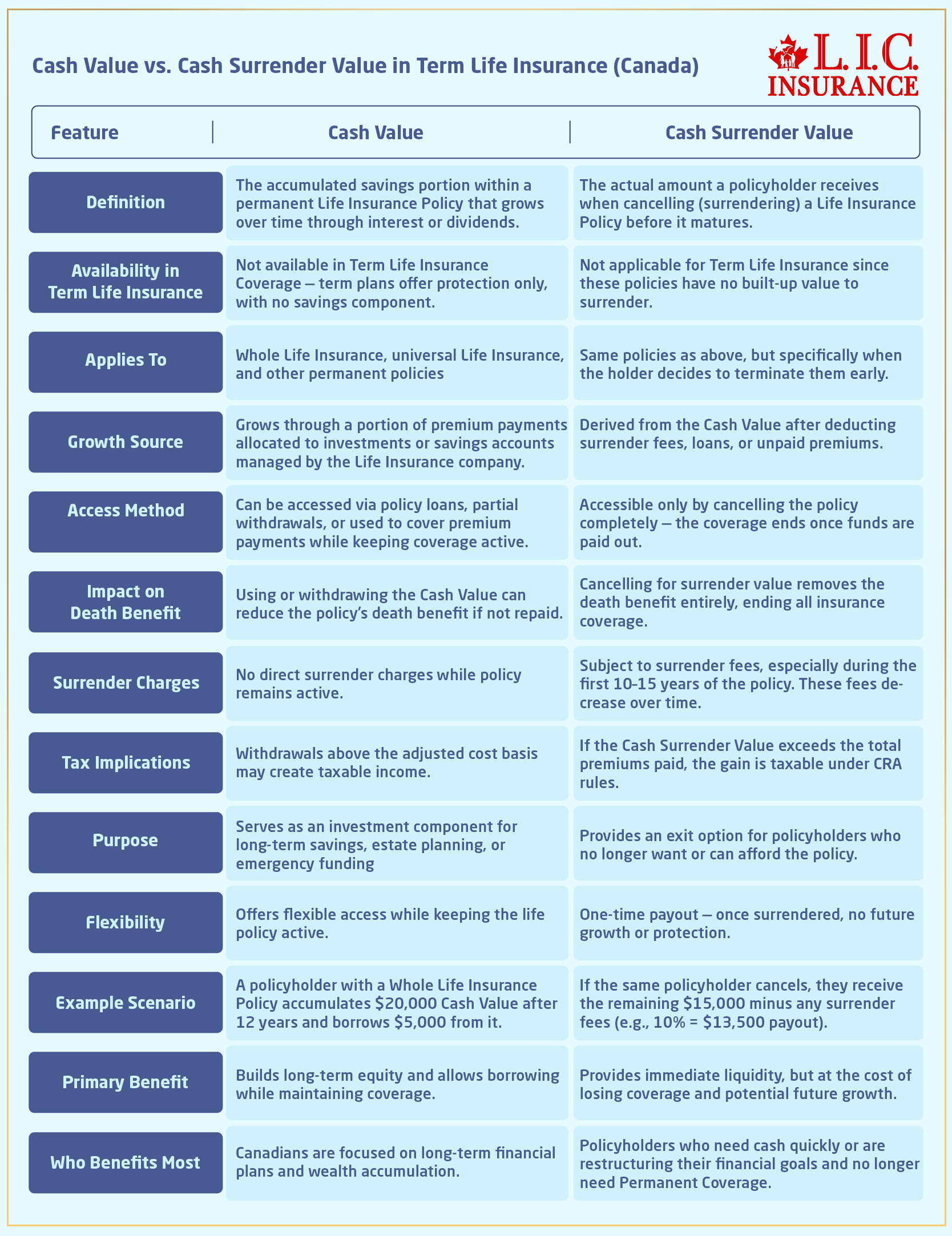
Policyholders can borrow against their cash value. Unlike a bank loan, there is no credit check, and there is no mandatory repayment schedule. However, the insurance company will charge interest on the loan. If the insured dies with an outstanding loan, the balance is deducted from the death benefit. In our example, if the policyholder borrows $50,000 to fund a child’s education, the death benefit temporarily drops to $450,000 until the loan is repaid.
2. Withdrawals (Partial Surrenders)
You can withdraw cash directly from the policy. Generally, withdrawals are tax-free up to the "basis"—the total amount of premiums paid into the policy. Any amount withdrawn above the basis is taxed as ordinary income. It is important to note that withdrawals permanently reduce the death benefit and can sometimes lead to the policy lapsing if not managed carefully.
3. Policy Surrender
If the insurance is no longer needed, the owner can "surrender" the policy and receive the Net Cash Surrender Value. This is the total cash value minus any applicable surrender charges and outstanding loans. Surrender charges are typically highest in the first 10 years of the policy and phase out entirely thereafter.
Comparison of Permanent Insurance Structures
The following table compares the typical characteristics of the three most common cash value structures available in 2026.
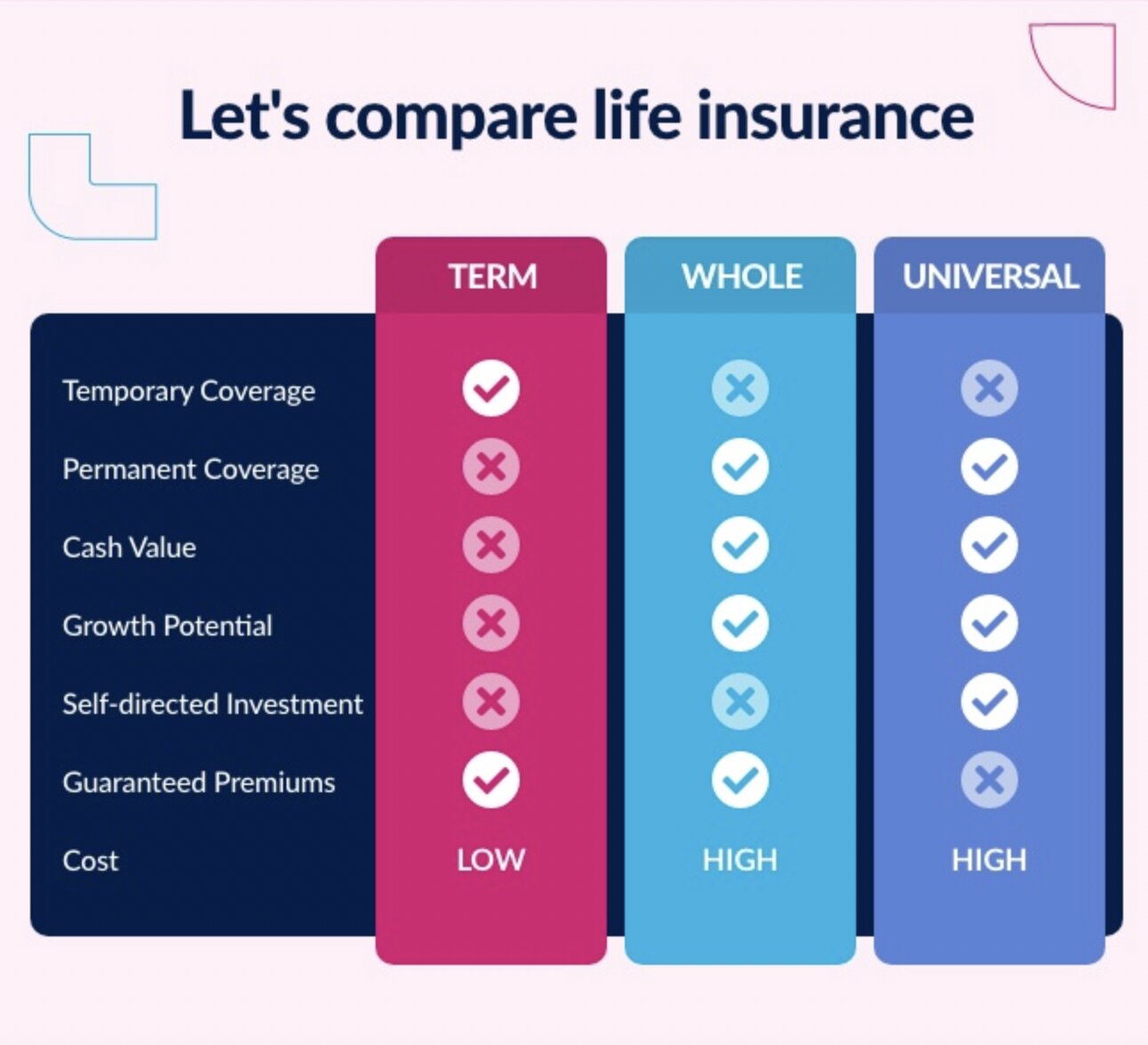
| Feature | Whole Life | Universal Life | Variable Life |
|---|---|---|---|
| Premium Payments | Fixed and Level | Flexible | Fixed or Flexible |
| Cash Value Growth | Guaranteed Minimum | Tied to Interest Rates | Tied to Market Sub-accounts |
| Risk Profile | Low (Insurer bears risk) | Moderate | High (Policyholder bears risk) |
| Death Benefit | Guaranteed | Adjustable | Can vary based on performance |
| Complexity | Low | Moderate | High |
Technical Considerations and Tax Law (Section 7702)
When analyzing an example cash value policy, one must understand Internal Revenue Code Section 7702. This federal statute defines what the IRS considers a legitimate life insurance contract. To maintain tax-advantaged status, the policy must maintain a specific ratio between the cash value and the death benefit.
The Modified Endowment Contract (MEC) Risk
If a policyholder puts too much money into a policy too quickly (exceeding the "seven-pay test"), the policy becomes a Modified Endowment Contract (MEC). Once a policy is classified as a MEC, the tax advantages change: loans and withdrawals are taxed on a "last-in, first-out" (LIFO) basis, meaning gains are taxed first, and a 10% penalty may apply if the owner is under age 59½. In our $8,500 premium example, the policy is structured specifically to stay below the MEC threshold to preserve tax liquidity.
Cost of Insurance (COI) Transparency
In Universal and Variable policies, the Cost of Insurance is "unbundled." This means the policyholder can see exactly how much of their premium is going toward the actual death benefit risk. As the insured ages, the COI naturally increases. In a well-funded example policy, the cash value growth stays ahead of these rising costs. However, if the policy is underfunded, the rising COI can eventually "eat" the cash value, potentially causing the policy to lapse in later years.
Common Pitfalls and Troubleshooting
While cash value policies offer significant benefits, they are complex financial instruments that require active management.
- Illustrations vs. Reality: When purchasing a policy, you are shown an "illustration." This is a projection, not a guarantee (except for the "guaranteed" column). It is essential to review annual statements to see if the policy is performing as expected.
- The Lapse Trap: If a policyholder stops paying premiums and the cash value is insufficient to cover the monthly COI, the policy will lapse. This can trigger a massive tax bill if there are outstanding loans.
- High Fees: Permanent insurance is more expensive than term insurance. If you only need coverage for a specific period (e.g., until a mortgage is paid off), the high fees of a cash value policy may not be justified.
Is a Cash Value Policy Right for You?
Deciding to implement a cash value life insurance policy depends on your long-term financial goals. It is generally most appropriate for individuals who:
- Have a lifelong need for a death benefit (e.g., for estate taxes or a lifelong dependent).
- Have already maximized other tax-advantaged accounts like 401(k)s or IRAs.
- Are looking for a conservative "bond-like" alternative with tax-free access to liquidity.
- Need a tool for complex business planning, such as a Buy-Sell Agreement or Key Person Insurance.
Before committing to a policy, it is advisable to consult with a financial professional who can run multiple "stress-test" scenarios on the policy illustration. This ensures that the policy remains sustainable even if interest rates or dividends drop below the current projected levels.
Next Steps: Review your current life insurance coverage and determine if you have a "permanent" need. If so, request a "ledger statement" for a proposed policy and specifically ask about the surrender charge schedule and the MEC limit for your specific age and health class.
Image Gallery