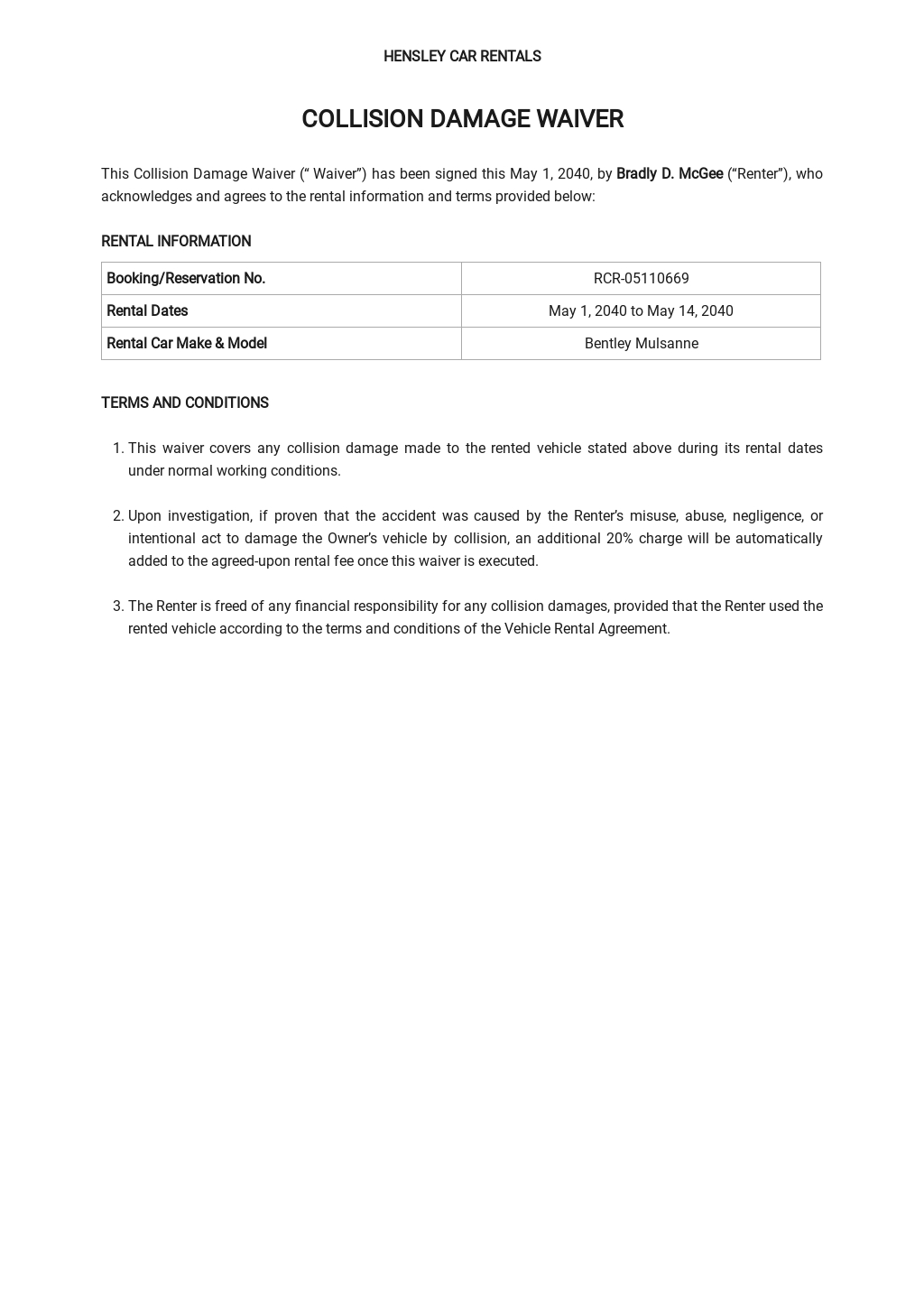
Does Your Credit Card Include Auto Rental Collision Damage Waiver Insurance
Many major credit cards include auto rental collision damage waiver (CDW) or loss damage waiver (LDW) insurance, which can save you significant money by declining the rental company’s expensive daily collision coverage. However, these...
Many major credit cards include auto rental collision damage waiver (CDW) or loss damage waiver (LDW) insurance, which can save you significant money by declining the rental company’s expensive daily collision coverage. However, these credit card benefits almost always function as secondary coverage within your home country, requiring you to file a claim with your personal auto insurance policy first, while typically serving as primary coverage only during international rentals where your personal policy does not apply.
Contents
Navigating the landscape of credit card travel protections requires a granular understanding of policy terms, vehicle exclusions, geographic limitations, and strict administrative protocols. Renting a vehicle without fully comprehending these parameters can lead to unexpected out-of-pocket expenses, even when you assume you are completely protected by the plastic in your wallet.
Understanding Auto Rental Collision Damage Waiver Insurance
To utilize your credit card's protection effectively, you must first understand what a Collision Damage Waiver actually is. A CDW is not liability insurance; it does not cover injuries to other people, damage to other vehicles, or your own medical bills if you cause an accident. Instead, a CDW specifically waives financial responsibility for physical damage to or theft of the rental vehicle itself.
When you rent a car, the rental agency typically offers their own collision damage waiver at the counter for an additional daily fee—often ranging from fifteen to thirty dollars or more. By paying for the entire rental transaction with an eligible credit card and declining the rental agency's optional CDW, your credit card issuer steps in to provide a parallel layer of financial protection.
It is vital to recognize that most credit card policies offer secondary coverage domestically. This means if you get into an accident while renting a car in your home country, your personal auto insurance policy must pay out first. Your credit card's coverage then generally covers the remaining deductible and other eligible out-of-pocket costs not paid by your primary insurer. Conversely, if you travel abroad where your domestic auto insurance policy does not apply, the credit card's CDW typically switches to primary coverage, meaning you do not have to involve a personal auto insurance provider.
Primary Versus Secondary Coverage: How It Affects Your Claim
The distinction between primary and secondary coverage is the single most critical factor when evaluating your credit card's auto rental benefits. Misunderstanding this difference can lead to unwelcome premium hikes on your personal insurance policy after a rental car incident.
When a credit card provides secondary coverage, any damage claim must first be submitted to your personal auto insurance company. Your insurer will process the claim, pay out according to your policy limits, and apply your standard deductible. Once your personal insurer has settled the primary portion of the claim, your credit card's benefit administrator can be asked to reimburse you for the deductible and any residual charges not covered by your primary policy.
- Rental Car Incident Occurs
- Domestic Rental?
- (Yes) File Claim with Personal Auto Insurance First
- (No / International) Credit Card Acts as Primary Coverage
- Credit Card Covers Deductible & Remainder
The primary drawback of secondary coverage is the potential impact on your personal auto insurance record. Even if the accident occurs in a rental car, a filed claim can trigger a surcharge or increase your regular auto insurance premiums upon renewal.
Furthermore, if you do not own a car and do not carry a personal auto insurance policy, your credit card's secondary coverage automatically upgrades to primary coverage for that specific rental. Similarly, many premium travel credit cards feature built-in primary rental car insurance as a core perk, allowing cardholders to bypass their personal auto insurance entirely, regardless of where the rental takes place.
Eligibility Requirements and Activation Steps
Simply holding a credit card that advertises rental insurance is not enough to secure coverage. Issuers enforce strict contractual prerequisites that must be met precisely at the time of booking and vehicle pickup. Failing to satisfy even one of these criteria can result in an immediate denial of coverage if an incident occurs.
1. Complete Payment with the Eligible Card
You must charge the entire cost of the rental agreement—including taxes, fees, and surcharges—to the eligible credit card. If you split the payment across multiple cards, use a debit card for a portion of the transaction, or apply accumulated rewards points for part of the payment, the coverage may be entirely voided. Some issuers permit partial payments made via points or certificates issued by the same card ecosystem, but you must verify these rules beforehand.
2. Decline the Rental Company's CDW/LDW
You must explicitly decline the Collision Damage Waiver or Loss Damage Waiver offered by the rental car counter agent. If you accept their coverage, even out of an abundance of caution or due to aggressive sales tactics, your credit card issuer's insurance becomes null and void, because the card's policy is explicitly designed to be excess or secondary to—or replace—the rental agency's waiver. Note that you should not decline mandatory state or country fees, third-party liability surcharges, or airport taxes.
3. Match the Cardholder Name to the Primary Renter
The name embossed on the credit card must match the primary renter's name listed on the car rental agreement. Additional drivers authorized on the rental agreement may be covered as long as they are also listed on the rental contract, but the primary contract holder must be the owner of the card used for payment.
Vehicle Exclusions and Geographic Restrictions
Credit card auto rental insurance policies contain explicit exclusions regarding the types of vehicles you can drive and the locations where you can drive them. Assuming all vehicles and routes are covered is a common and expensive mistake.
Vehicle Type Exclusions
While standard sedan, coupe, crossover, and SUV rentals are almost universally covered, specialty and luxury vehicles often fall outside policy parameters. Common vehicle exclusions include:
- Exotic and High-Value Cars: Vehicles manufactured by luxury brands like Ferrari, Lamborghini, Aston Martin, or vintage and antique cars are routinely excluded. Some cards also exclude high-end models from standard manufacturers if their retail price exceeds a specific threshold (e.g., $50,000 or $75,000).
- Large Passenger Vans and Commercial Vehicles: Vans designed to transport more than a specific number of passengers (frequently more than 8 or 9 people, including the driver) are typically excluded. Cargo vans, box trucks, and moving trucks are also disqualified.
- Off-Road and Recreational Vehicles: Jeeps driven off public roads, pickup trucks used for commercial hauling, campers, motorhomes, motorcycles, mopeds, and trailers are universally excluded from standard credit card CDW policies.
Geographic and Country Restrictions
Certain countries are excluded from credit card coverage due to high rates of vehicle theft, civil unrest, or inadequate legal frameworks. Common geographic exclusions include:
- Certain International Destinations: Countries such as Ireland, Italy, and Jamaica were historically excluded by many U.S. credit card issuers, though policy terms shift over time.
- Sanctioned or High-Risk Nations: Countries subject to comprehensive international trade sanctions or active travel advisories are strictly excluded.
- Unpaved Roads: Driving on logging roads, beaches, or unpaved tracks can void coverage, as policies generally require vehicles to be operated strictly on regularly maintained public highways.
| Coverage Feature | Standard Secondary Policy | Premium Primary Policy |
|---|---|---|
| Primary Payer | Personal auto insurance pays first | Credit card insurance pays first |
| Impact on Rates | May raise personal auto insurance rates | No impact on personal auto insurance |
| Domestic Rentals | Secondary to personal auto policy | Primary coverage |
| International Rentals | Primary (if personal policy doesn't apply) | Primary coverage |
| Rental Counter CDW | Must be declined | Must be declined |
Evaluating Coverage Limits and Rental Durations
Even when a vehicle and location qualify, credit card insurance policies impose strict limitations on coverage duration and maximum reimbursement amounts.
Most credit card issuers limit continuous rental periods to 15 to 31 consecutive days. If your business or personal trip requires a rental car for 45 days, the credit card’s coverage will typically terminate on day 31 (or the policy maximum), leaving you completely unprotected for the remainder of the rental period. If you need a long-term rental, you must either check out and initiate a brand-new rental agreement or purchase commercial coverage.
Regarding financial limits, credit card policies usually cover the Actual Cash Value (ACV) of the vehicle, repair costs, and reasonable towing charges. However, rental companies often attempt to charge secondary fees following an accident, such as Loss of Use (fees charged by the rental agency while the vehicle is being repaired and cannot be rented to others) and Administrative Fees. While many major credit cards cover Loss of Use when substantiated by fleet utilization logs, verifying these specific inclusions in your card’s guide to benefits is essential.
Step-by-Step Guide to Filing a Claim
If you experience an accident, theft, or vandalism while driving a rental car paid for with an eligible credit card, swift and precise administrative action is required to ensure successful claim reimbursement.
- Ensure Safety and Contact Authorities: Immediately prioritize personal safety, move out of traffic if possible, and contact local emergency services. If required by local law or the rental company, file an official police report. A police report is often mandatory for the credit card benefit administrator to process a theft or collision claim.
- Notify the Rental Company: Inform the rental agency of the incident immediately and complete their internal accident report form. Ensure you obtain a copy of the final incident report and any repair estimates or damage itemizations.
- Contact the Card Benefit Administrator: Call the number on the back of your credit card or visit the benefits portal provided by the network (such as Visa Infinite, Mastercard World Elite, or American Express) as soon as possible. Most issuers enforce a strict deadline—often within 30 to 45 days of the incident—to open a formal claim file.
- Gather Documentation: Assemble all required paperwork, which typically includes:
- The initial rental agreement (showing the card was used for payment and the CDW was declined).
- Your credit card statement showing the rental transaction.
- The police report (if applicable).
- The rental company's accident report, repair bills, and itemized damage estimates.
- Your personal auto insurance declaration page and explanation of benefits (EOB) letter (if the card provides secondary coverage).
- Submit and Follow Up: Submit all documentation through the secure online portal or via mail. Maintain a meticulous digital paper trail of all communications with both the benefit administrator and the rental agency until the claim is fully resolved and closed.
Frequently Asked Questions
Does my credit card cover liability if I hit another car?
No. Credit card auto rental collision damage waiver insurance covers physical damage to or theft of the rental vehicle itself. It does not provide third-party liability insurance, which covers injuries to other drivers, damage to other vehicles, or property damage you cause to external objects. You must rely on your personal auto insurance policy or purchase supplemental liability insurance from the rental agency for liability protection.
Can I use my credit card insurance if I rent a car in a foreign country?
Yes, in most cases. When renting a car outside your home country, where your domestic auto insurance policy does not apply, your credit card's coverage typically shifts to primary status. However, you must carefully verify that your specific destination country is not on the credit card issuer's geographic exclusion list before booking.
What happens if I use debit or reward points for part of the rental?
Using debit cards or paying for a portion of the rental with third-party rewards programs usually invalidates credit card collision insurance. The entire cost of the rental transaction—including taxes and fees—must be charged to the eligible credit card. Some issuers permit redemptions from their own proprietary rewards points programs if applied directly through their travel portal, but terms vary significantly by issuer.
Are peer-to-peer car sharing services like Turo covered?
Generally, no. Most traditional credit card auto rental CDW policies explicitly exclude peer-to-peer car-sharing platforms, car-club rentals, and truck-sharing services. Coverage is almost exclusively restricted to traditional, licensed commercial rental car agencies such as Enterprise, Hertz, Avis, National, and Budget.
Do I need to notify my credit card company before renting a car?
For the vast majority of modern credit cards, advanced travel notification for rental car insurance is no longer required. As long as you use the eligible card to pay for the rental and decline the rental agency's counter waiver, the insurance terms apply automatically. However, checking your specific Guide to Benefits beforehand is always recommended.
Conclusion and Next Actions
Leveraging your credit card’s auto rental collision damage waiver insurance is an effective strategy to eliminate unnecessary counter fees and streamline travel expenses, provided you navigate the rules with precision. Before your next trip, review your card issuer’s official Guide to Benefits, confirm whether your coverage is primary or secondary, verify that your destination and vehicle choice comply with policy terms, and ensure you always decline the rental agency's optional waiver at the counter.
Image Gallery