Changing a Beneficiary on Metropolitan Life Insurance: A Complete Guide
Changing a beneficiary on a Metropolitan Life Insurance Company (MetLife) policy requires submitting a formal request using the company's designated change form, verifying policy ownership, and ensuring all legal requirements are met t...
Changing a beneficiary on a Metropolitan Life Insurance Company (MetLife) policy requires submitting a formal request using the company's designated change form, verifying policy ownership, and ensuring all legal requirements are met to prevent future disputes over the payout.
Contents
Navigating the administrative steps of updating life insurance coverage ensures that death benefits reach the intended individuals or entities without legal delays. Whether you hold an individual policy or group coverage through an employer, keeping your beneficiary designations accurate is a critical element of personal financial planning. Life events such as marriage, divorce, the birth of a child, or the passing of a current beneficiary necessitate timely updates. Because life insurance contracts are legally binding instruments that override instructions left in a last will and testament, executing these changes correctly through MetLife’s official channels is essential.
Understanding MetLife Beneficiary Designations
Before initiating a change, policyholders must understand how MetLife structures beneficiary designations. Life insurance policies typically divide beneficiaries into two primary categories: primary and contingent.
A primary beneficiary is the first in line to receive the death benefit when the insured passes away. You can designate a single individual, multiple individuals, a trust, a charity, or your estate as a primary beneficiary. If you name multiple primary beneficiaries, you must specify the exact percentage of the death benefit each person will receive, and the total must equal 100 percent.
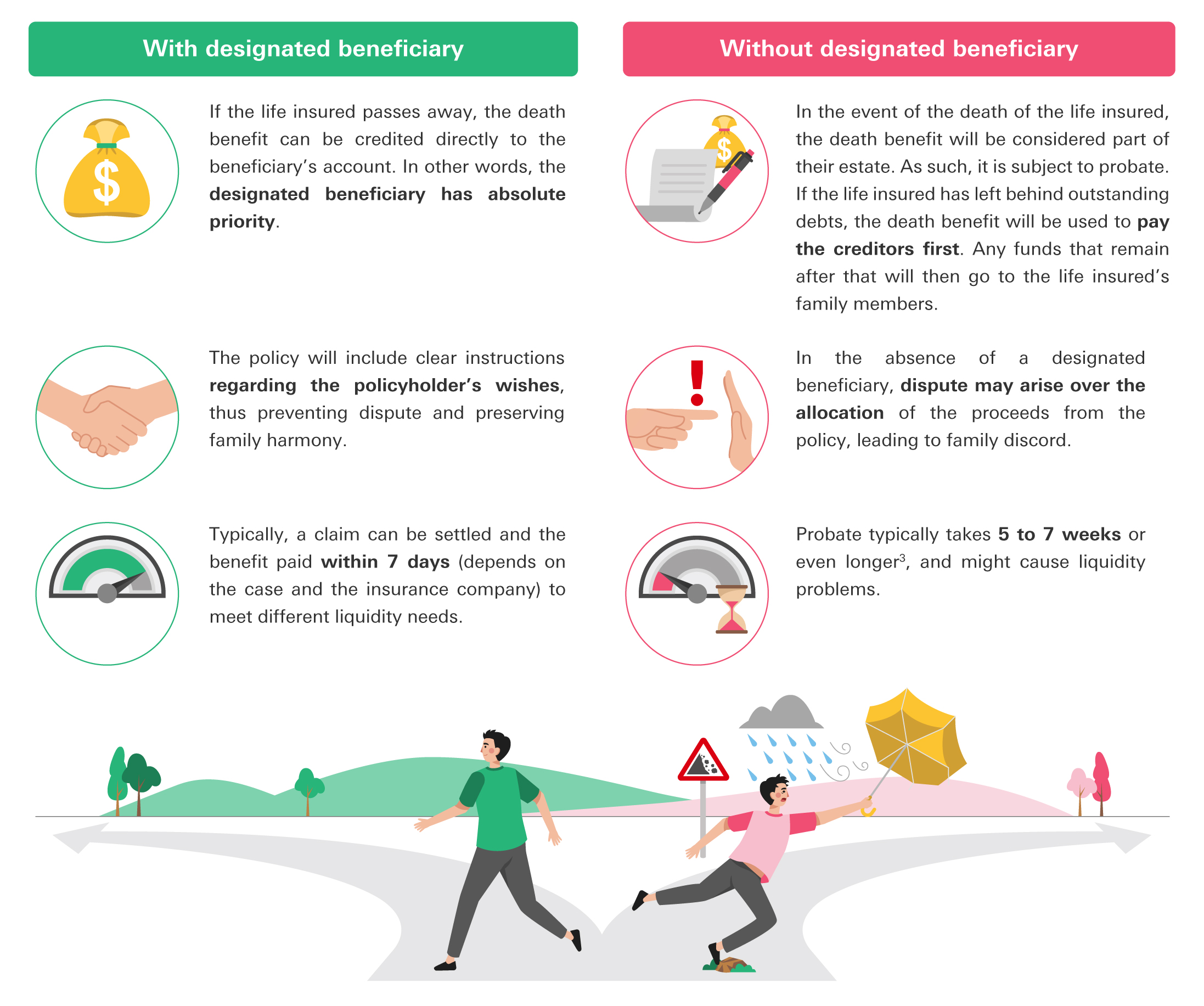
A contingent (or secondary) beneficiary acts as a backup. If all designated primary beneficiaries predecease the insured or disclaim the benefit, the contingent beneficiaries receive the payout. Naming a contingent beneficiary prevents the death benefit from falling into probate or requiring extensive court intervention if the primary beneficiary is no longer living at the time of the claim.
Furthermore, designations are generally classified as either revocable or irrevocable. Most policyholders choose revocable designations, which allow the owner to change the beneficiary at any time without the beneficiary’s consent. An irrevocable designation, by contrast, requires the written consent of the named beneficiary to make any future modifications. Irrevocable beneficiaries are often used in divorce settlements or structured financial agreements to guarantee that a specific party remains protected.
Determining Your Policy Type: Individual vs. Employer-Sponsored
The procedure for changing a MetLife beneficiary depends entirely on how the policy was acquired. Life insurance policies fall into two distinct administrative categories, each governed by different rules and paperwork.
Individual Policies
If you purchased your MetLife policy independently through an agent or directly from the company, you retain full ownership and control over the contract. To change the beneficiary, you deal directly with MetLife customer service or use your online customer portal.
Employer-Sponsored Group Policies
If your MetLife life insurance is provided as a workplace benefit (such as Group Term Life), the administration is often handled through your employer’s human resources department or benefits portal (such as MetLife MyBenefits). While MetLife ultimately underwrites and pays the claim, the employer's plan rules or a corporate benefits administrator may dictate how the change form is submitted. In many cases for employer-sponsored plans governed by the Employee Retirement Income Security Act (ERISA), married participants may need spousal consent if they wish to name someone other than their spouse as the primary beneficiary.
Step-by-Step Instructions for Changing Your MetLife Beneficiary
Executing a beneficiary change requires careful attention to detail to avoid rejection or processing delays. Follow these structured steps to complete the update accurately.
Step 1: Obtain the Correct Change Form
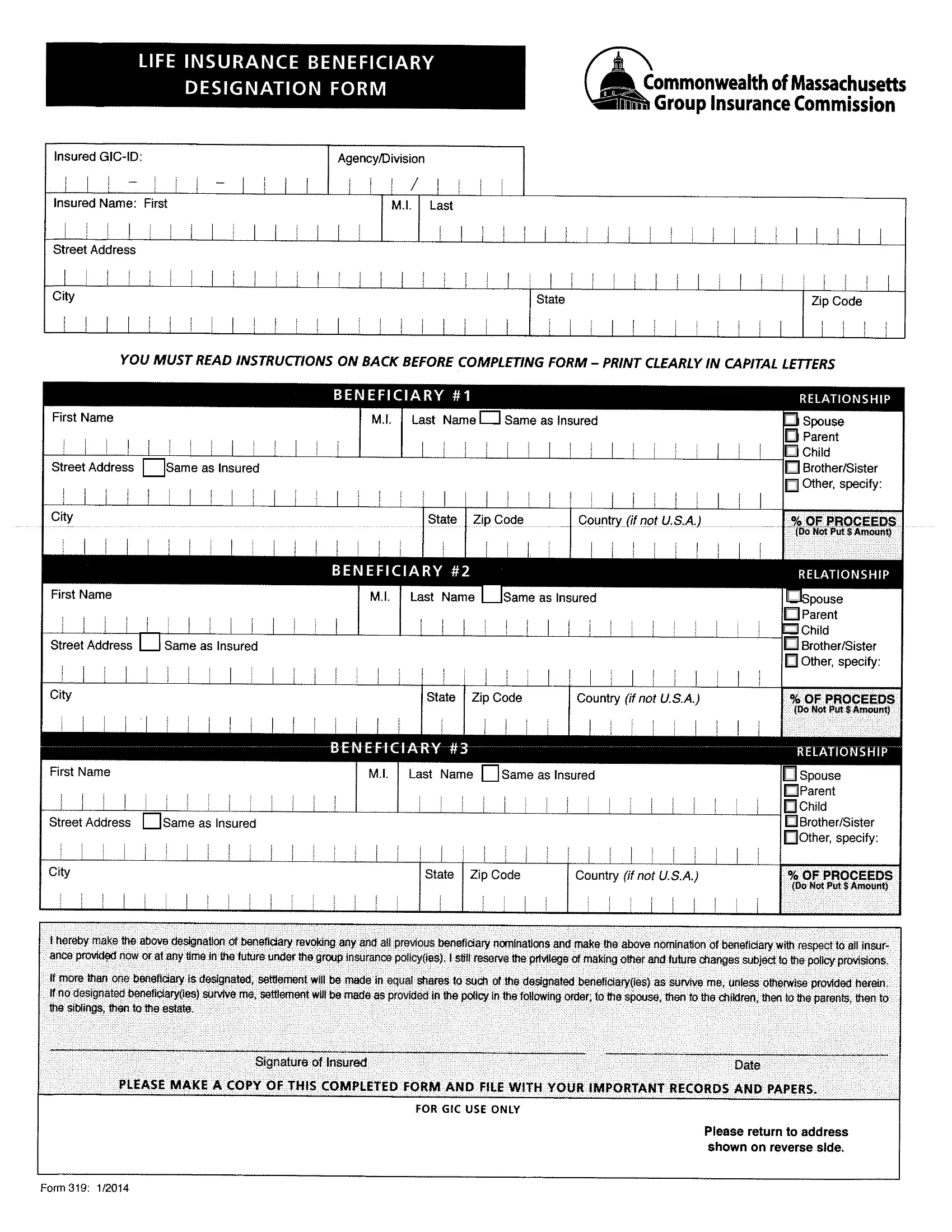
You must use the specific form assigned to your type of policy. Generic forms downloaded from third-party sites are generally invalid.
- For individual policies, log into your online account at the official MetLife customer portal or call MetLife customer service to request a "Change of Beneficiary" form.
- For workplace group policies, log into your employer’s HR portal or visit the MetLife MyBenefits website tailored to employer-sponsored plans.
Step 2: Gather Required Information
To complete the form without errors, ensure you have the full legal names, dates of birth, Social Security numbers, current mailing addresses, telephone numbers, and relationship to the insured for all primary and contingent beneficiaries. If you are naming a trust, you will need the exact name of the trust, the date the trust agreement was executed, and the name of the current trustee.
Step 3: Complete the Form Clearly
Fill out all fields legibly using black ink if submitting a paper document. Ensure that the percentage allocations for multiple beneficiaries add up precisely to 100 percent. Double-check all Social Security numbers and spelling. Errors in identification numbers can create severe verification hurdles for beneficiaries filing a claim later.
Step 4: Sign, Date, and Witness
Most MetLife beneficiary change forms require the signature of the policy owner. Depending on the state regulations, your policy guidelines, or whether the policy is tied to an employer plan, a witness or a notary public may need to sign the document to authenticate your signature. Read the instructions on the form carefully to determine if notarization is mandatory.
Step 5: Submit the Documentation
Submit the completed and signed form via the method specified by MetLife:
- Online: Upload the scanned document through the secure MetLife customer portal or employer benefits portal.
- Mail or Fax: Send the physical document to the address or fax number listed on the form instructions. Always retain a copy of the completed form and proof of transmission (such as a certified mail receipt or fax confirmation sheet) for your personal records.
| Policy Type | Primary Submission Method | Common Requirement | Processing Timeline |
|---|---|---|---|
| Individual Policy | MetLife Customer Portal / Mail | Policy Number & Owner Signature | 3 to 10 Business Days |
| Employer Group Plan | Employer HR Portal / MetLife MyBenefits | Employer Plan ID & Possible Spousal Consent | Varies by Employer HR Workflow |
Legal Considerations, Pitfalls, and Troubleshooting
Failing to follow proper legal guidelines can result in contested claims, protracted litigation, or the payout going to an unintended party. Keep the following critical principles in mind.
Wills Do Not Overwrite Beneficiary Forms
A common misconception is that updating your last will and testament automatically changes the beneficiary of a life insurance policy. Legally, a life insurance contract is a non-probate asset. This means the beneficiary designation on file with MetLife supersedes any instructions written in a will. If you update your will to leave everything to a new spouse, but your MetLife policy still lists an ex-spouse, MetLife is legally obligated to pay the ex-spouse.
Minors as Beneficiaries
Naming a minor child directly as a life insurance beneficiary creates administrative complications. Insurance companies cannot legally pay death benefits directly to a minor. If the insured passes away while a minor is listed without a designated legal guardian of the estate or a trust, the court must appoint a conservator to manage the funds until the child reaches the age of majority (typically 18 or 21 depending on the state), incurring legal expenses and court oversight. To avoid this, policyholders often establish a trust for the minor children and name that trust as the beneficiary.
Confirming the Change
Never assume a change has been processed simply because you mailed the form. Always request written confirmation from MetLife. For individual policies, MetLife will typically mail or electronically issue an endorsement or a confirmation letter acknowledging the updated beneficiary record. File this confirmation alongside your policy documents.
Frequently Asked Questions
Can I change my MetLife beneficiary over the phone?
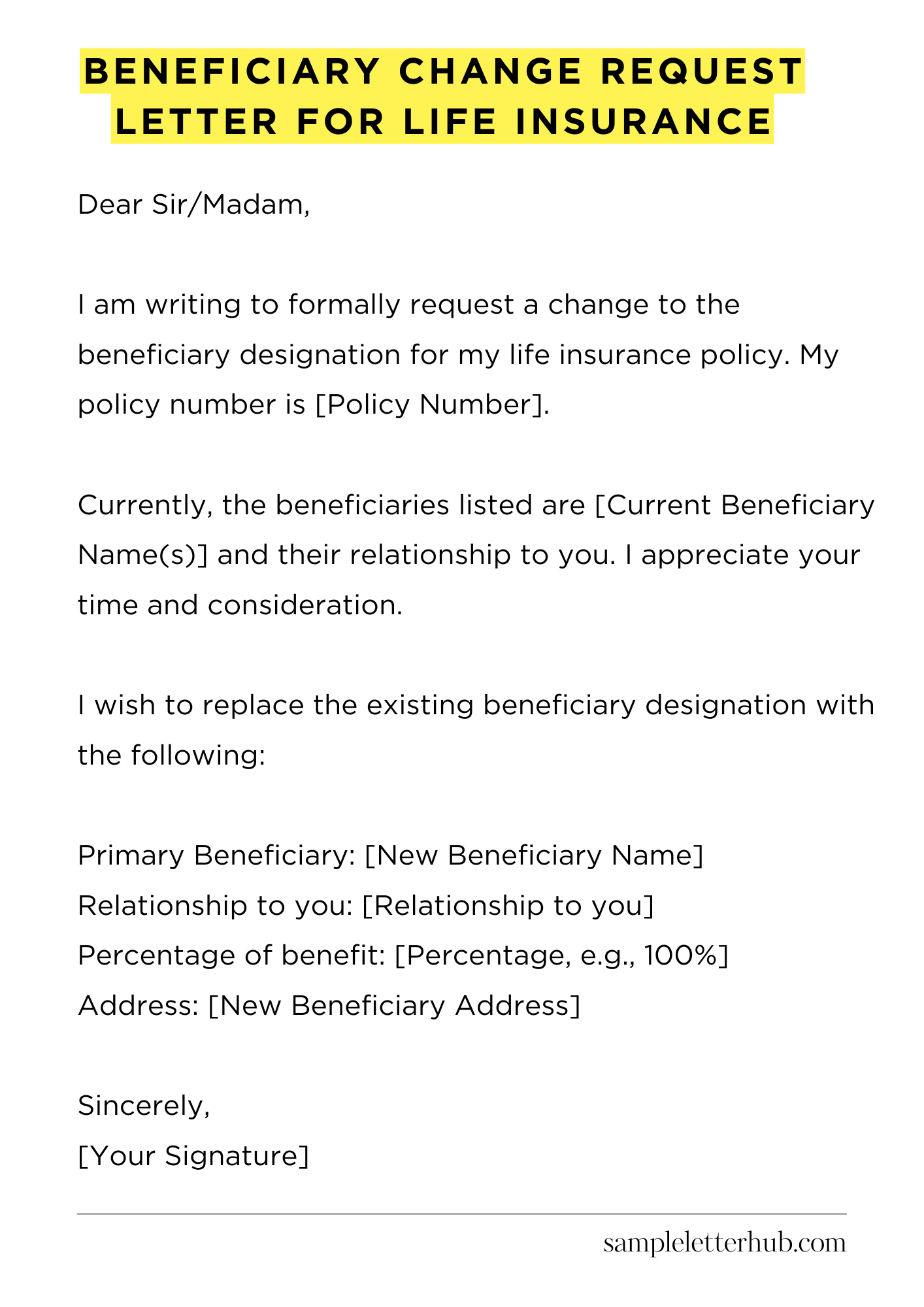
MetLife generally does not accept verbal requests to change a beneficiary for security and legal reasons. Most policies require a signed, written document—either submitted physically or uploaded through a secure digital portal—to create an enforceable legal record of the owner's intent.
What happens if my named beneficiary passes away before I do?
If a primary beneficiary predeceases you and you have not updated your policy, the death benefit typically passes to any surviving primary beneficiaries. If all primary beneficiaries have passed away, the benefit goes to your contingent beneficiaries. If no contingent beneficiaries are named or living, the payout defaults to your estate, which subjects the funds to probate court processes.
Is there a fee to change my MetLife life insurance beneficiary?
No, MetLife does not charge a fee to update your beneficiary designations. You can modify your beneficiaries as many times as necessary throughout the life of the policy, provided the policy is active and the designations are revocable.
What if I cannot find my original policy document?
Finding your original paper policy contract is not strictly required to change a beneficiary. You only need your policy number, your personal identification details, and the correct beneficiary change form. If you do not know your policy number, you can retrieve it by contacting MetLife customer service or by reviewing annual policy statements or premium notices.
Can an ex-spouse still receive my life insurance payout after a divorce?
In many states, divorce decrees automatically revoke a former spouse as a beneficiary on life insurance policies. However, reliance on state laws can be risky, especially if the policy is governed by federal ERISA guidelines for employer-sponsored plans. To ensure an ex-spouse is removed, you must explicitly submit a new beneficiary designation form to MetLife following the divorce.
Next Actions and Recommendations
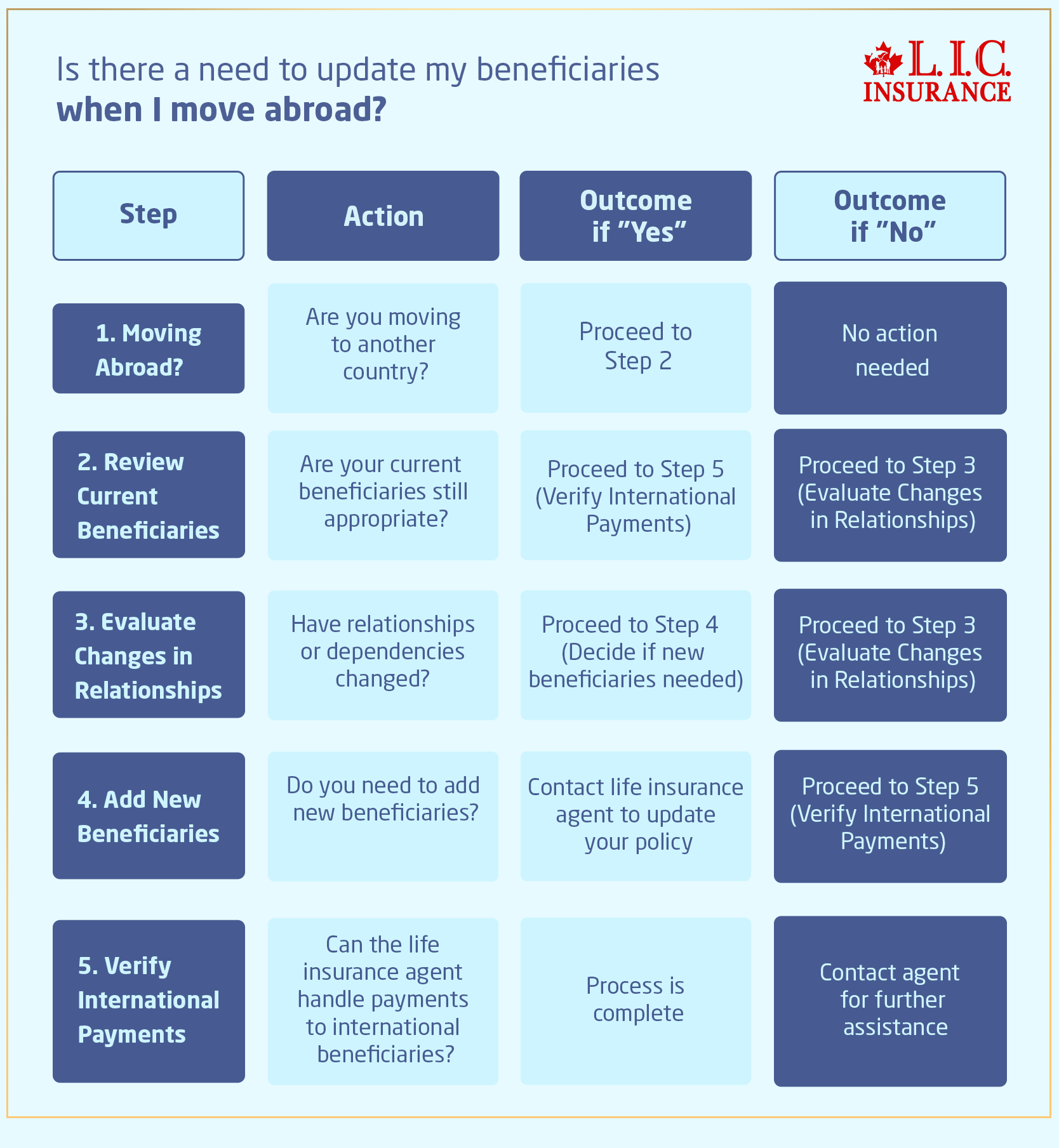
To safeguard your financial plans, locate your most recent MetLife policy statement or log into your online account today. Review your current beneficiary designations to verify that they reflect your current life circumstances and wishes. If any updates are required, download the appropriate form, complete it accurately, submit it through official channels, and retain written confirmation from MetLife once the update is finalized.
Image Gallery