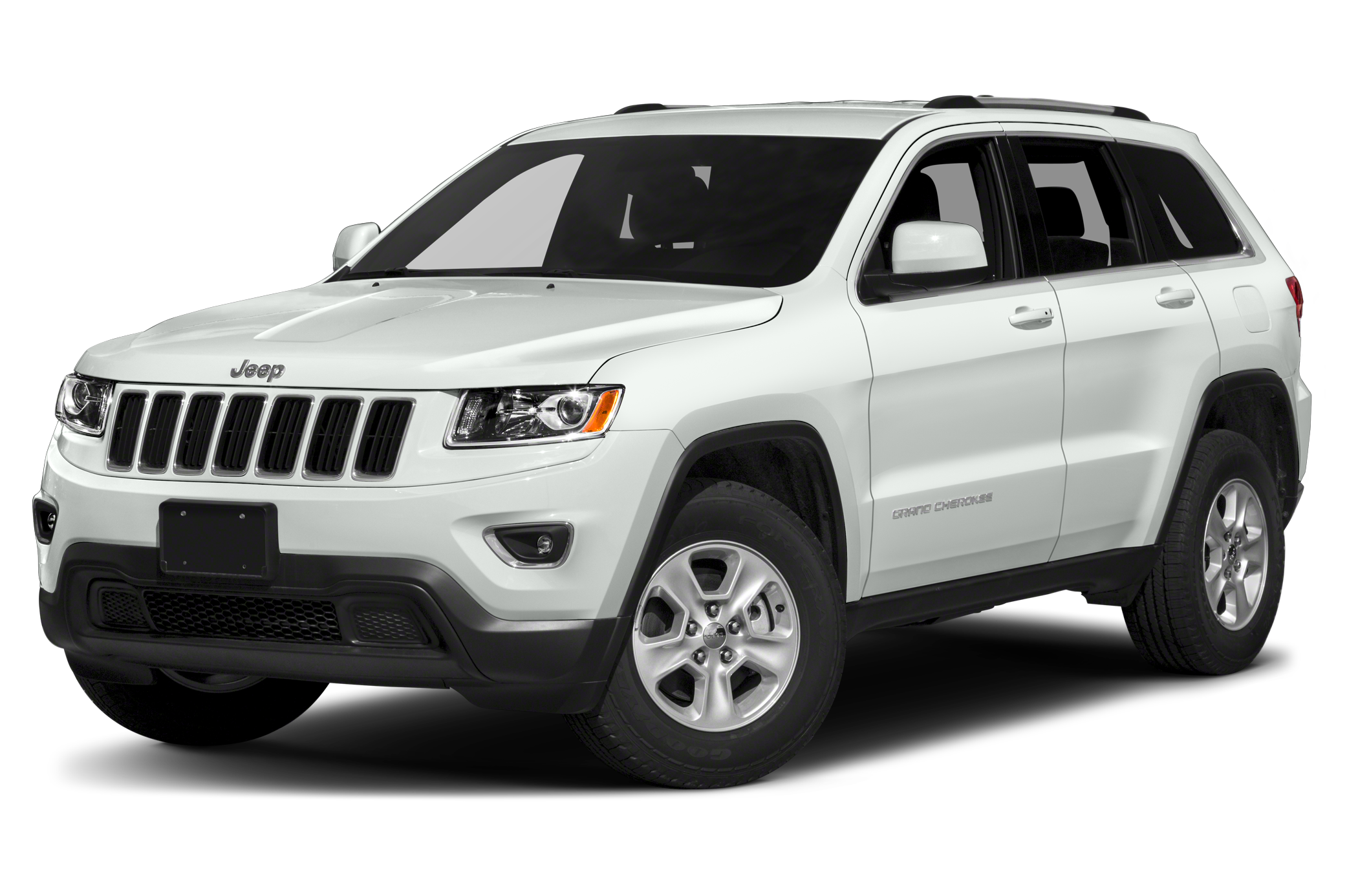
3 Myths About Auto Insurance for a 2015 Jeep Grand Cherokee
Understanding the nuances of insuring a 2015 Jeep Grand Cherokee in 2026 requires separating outdated hearsay from modern actuarial reality. The three most common myths—that color affects premiums, that comprehensive coverage is no lon...
Understanding the nuances of insuring a 2015 Jeep Grand Cherokee in 2026 requires separating outdated hearsay from modern actuarial reality. The three most common myths—that color affects premiums, that comprehensive coverage is no longer cost-effective for an eleven-year-old vehicle, and that 4WD capabilities automatically inflate rates—often lead owners to overpay or remain underinsured.
Contents
The 2015 Jeep Grand Cherokee remains a popular fixture on the road due to its blend of luxury and ruggedness, but as the vehicle enters its second decade, insurance considerations have shifted. In 2026, the "Actual Cash Value" (ACV) of these vehicles has stabilized, yet the cost of specialized parts for trims like the Summit or SRT remains high. Navigating these complexities requires a debunking of common misconceptions to ensure you are receiving the best value for your coverage.
Myth 1: Comprehensive Coverage is a Waste of Money for an 11-Year-Old Vehicle
A prevailing sentiment among owners of older vehicles is that once a car passes the ten-year mark, "full coverage" (specifically comprehensive and collision) is no longer worth the premium. While it is true that the 2015 Jeep Grand Cherokee has depreciated significantly from its original MSRP, labeling comprehensive coverage as "wasteful" ignores the specific risk profile of the Grand Cherokee and the modern costs of automotive repair.
The Depreciation vs. Repair Cost Paradox
In 2026, a 2015 Grand Cherokee might have a market value between $8,000 and $15,000 depending on the trim (Laredo vs. SRT) and mileage. However, the cost of parts has not depreciated at the same rate. The 2015 model was one of the first in its class to feature advanced tech like the Uconnect 8.4-inch touchscreen and optional Bi-Xenon HID headlamps. Replacing a single damaged HID headlamp assembly can cost upwards of $1,000 in parts and labor. If a hailstorm or a fallen branch damages the hood and windshield, the repair costs can quickly approach 50% of the vehicle’s total value.
Theft and Environmental Risks
The Jeep Grand Cherokee has historically been a target for theft and break-ins due to the high demand for its parts on the secondary market. Comprehensive insurance covers theft, vandalism, and environmental damage—events that are entirely independent of the vehicle's age or the driver’s skill. For owners who park on the street or live in regions prone to extreme weather, the peace of mind offered by comprehensive coverage often outweighs the monthly premium, which is usually quite low for a vehicle of this age.
When to Actually Drop Coverage
The general rule of thumb is the "10% rule": if the annual cost of comprehensive and collision coverage exceeds 10% of the vehicle’s total book value, it may be time to consider dropping it. However, because the 2015 Grand Cherokee maintains a relatively high floor for its resale value compared to economy sedans, many owners find that they remain well within the "worth it" zone even in 2026.
Myth 2: The Color of Your Grand Cherokee Influences Your Premium
Perhaps the most persistent myth in the automotive world is that "red cars cost more to insure." This misconception suggests that insurers view drivers of brightly colored vehicles as more aggressive or prone to speeding. For the 2015 Jeep Grand Cherokee, which was offered in popular shades like Deep Cherry Red Crystal Pearl and Brilliant Black Crystal, owners often worry that their aesthetic choices are hitting their wallets.
What Insurers Actually See
When an insurance company generates a quote, they use the Vehicle Identification Number (VIN). The VIN provides the year, make, model, engine type, and safety features of the vehicle. It does not typically communicate the paint color to the insurance algorithm. According to the Insurance Information Institute, there is no statistical evidence used by insurers that links vehicle color to an increased risk of accidents.
Factors That Actually Matter More Than Color
While color is irrelevant, other physical attributes of the 2015 model are not. The engine displacement is a major factor. A Grand Cherokee equipped with the 3.6L Pentastar V6 will generally be cheaper to insure than one with the 5.7L HEMI V8 or the high-performance 6.4L V8 found in the SRT. Insurers associate larger, more powerful engines with higher potential for high-speed accidents and more expensive engine repairs.
The "Visibility" Argument
Some argue that lighter colors like Bright White or Billet Silver might even be safer because they are more visible at night, potentially reducing the likelihood of being hit by another driver. While some studies suggest lighter-colored cars are involved in fewer accidents, insurance companies rarely offer a direct "color discount." Your premium is far more influenced by your zip code, driving record, and credit score than the hue of your Jeep's exterior.
Myth 3: 4WD and Off-Road Capabilities Automatically Increase Rates
Many owners believe that because the 2015 Jeep Grand Cherokee is a "Trail Rated" 4x4, it is automatically categorized as a high-risk vehicle. The logic is that 4WD vehicles are taken off-road, where they are more likely to sustain damage or roll over. However, this perspective is a simplification that ignores the safety benefits of modern 4WD systems.
The Safety Utility of Quadra-Trac and Quadra-Drive
The 4WD systems in the 2015 Grand Cherokee, such as Quadra-Trac II or Quadra-Drive II, are designed primarily for traction and stability. Insurers recognize that 4WD can be a significant safety asset in inclement weather, such as snow or heavy rain. By reducing the likelihood of a single-vehicle loss-of-control accident, these systems can actually act as a "risk mitigator" in the eyes of an underwriter.
Rollover Risks and Safety Ratings
In the past, SUVs were penalized for high centers of gravity and rollover risks. However, the 2015 Grand Cherokee came standard with Electronic Stability Control (ESC) and Electronic Roll Mitigation (ERM). The Insurance Institute for Highway Safety (IIHS) gave the 2015 Grand Cherokee "Good" ratings in several crashworthiness categories. These safety ratings are a primary driver of insurance costs, often offsetting any "off-road" risk associated with the 4WD badge.
Usage-Based Insurance Realities
In 2026, many insurers utilize telematics (apps or plug-in devices) to track actual driving behavior. If you never take your Jeep off-road and mostly use it for highway commuting, your insurance company will see your actual risk profile rather than an assumed one based on the vehicle's 4WD hardware. The mere presence of 4WD is rarely the reason for a high premium; instead, it is usually the weight of the vehicle and the potential damage it can cause to others in a collision that drives the liability portion of the rate.
Comparison of Coverage Impact for a 2015 Jeep Grand Cherokee
The following table illustrates how different factors of the 2015 Grand Cherokee specifically impact insurance premiums in the current 2026 market.
| Factor | Impact on Premium | Why? |
|---|---|---|
| Engine (V6 vs V8) | High | V8 engines carry higher liability and collision risk. |
| Safety Features | Low (Discount) | Forward Collision Warning and Blind Spot Monitoring reduce claim frequency. |
| Vehicle Color | None | No actuarial link between paint color and accident risk. |
| 4WD System | Neutral/Low | Improved traction in bad weather offsets potential off-road risks. |
| Trim Level (SRT) | Very High | High theft rates and extreme repair costs for performance parts. |
| Annual Mileage | Moderate | 2015 models are often used as secondary vehicles in 2026, lowering risk. |
Specialized Insurance Considerations for 2015 Models in 2026
As the 2015 Jeep Grand Cherokee enters its second decade, two specific areas require closer attention: the status of its technology and the impact of manufacturer recalls.
Infotainment and Electronic Vulnerability
The 2015 model year was part of the era where vehicle software became a significant component of "repairability." The Uconnect system in these Jeeps is vital for everything from climate control to navigation. In 2026, finding original replacement modules can be difficult, leading some insurers to "total" a vehicle over what seems like a minor electronic failure. Owners should ensure their policy includes "OEM Parts Coverage" if they want to avoid refurbished or aftermarket electronics that may not integrate perfectly with the Jeep’s systems.
Addressing Historical Recalls
There have been several notable recalls for the 2015 Grand Cherokee, including issues related to the "monostable" electronic gear shifter and alternator failures. According to the NHTSA, ensuring these recalls are completed is vital. While failing to address a recall might not immediately hike your insurance rates, it could lead to a denied claim if a known, unaddressed mechanical failure is determined to be the primary cause of an accident.
Frequently Asked Questions
Does the SRT model require different insurance than a standard Laredo?
Yes. The 2015 Jeep Grand Cherokee SRT is treated as a high-performance vehicle. Because it features a 6.4L V8 engine, specialized Brembo brakes, and a unique suspension, insurers categorize it similarly to sports cars. You can expect premiums to be 40% to 70% higher than a standard V6 Laredo due to higher repair costs and increased performance risk.
Can I get a discount for the safety tech on my 2015 Grand Cherokee?
Most insurers offer discounts for factory-installed safety equipment. Since many 2015 Grand Cherokees came with ParkView rear back-up cameras, Electronic Stability Control, and optional Adaptive Cruise Control, you should verify that these are listed on your policy. In 2026, these are standard expectations, but for an older vehicle, they still serve as positive marks for your risk profile.
Is the 2015 Jeep Grand Cherokee expensive to insure compared to newer SUVs?
Generally, no. While repair parts are still costly, the overall premium is usually lower than a brand-new SUV because the "Replacement Value" (the amount the insurer has to pay if the car is totaled) is much lower. You are primarily paying for Liability and the protection of your own asset at its current depreciated value.
Does off-roading void my insurance coverage?
Standard personal auto policies typically exclude coverage for "racing" or "stunting," and many explicitly exclude damage sustained while off-roading on non-public roads. If you frequently take your 2015 Grand Cherokee to off-road parks or trails, you may need a specialized rider or a separate policy that covers "off-pavement" use to ensure you are protected.
Practical Recommendation for Owners
To get the best insurance value for your 2015 Jeep Grand Cherokee in 2026, you should request a valuation review from your agent. Since the vehicle is now 11 years old, ensure your "Actual Cash Value" is documented accurately so you aren't overpaying for a level of coverage the insurer won't actually pay out in a total loss.
Additionally, consider a policy with a higher deductible (e.g., $1,000) for collision coverage. This significantly lowers your monthly premium while still protecting you against the "big" risks. Given the reliability of the 3.6L Pentastar engine, many owners find that shifting their savings from insurance premiums into a dedicated maintenance fund for high-mileage repairs (like suspension or cooling system refreshes) is a more effective long-term financial strategy.
Image Gallery