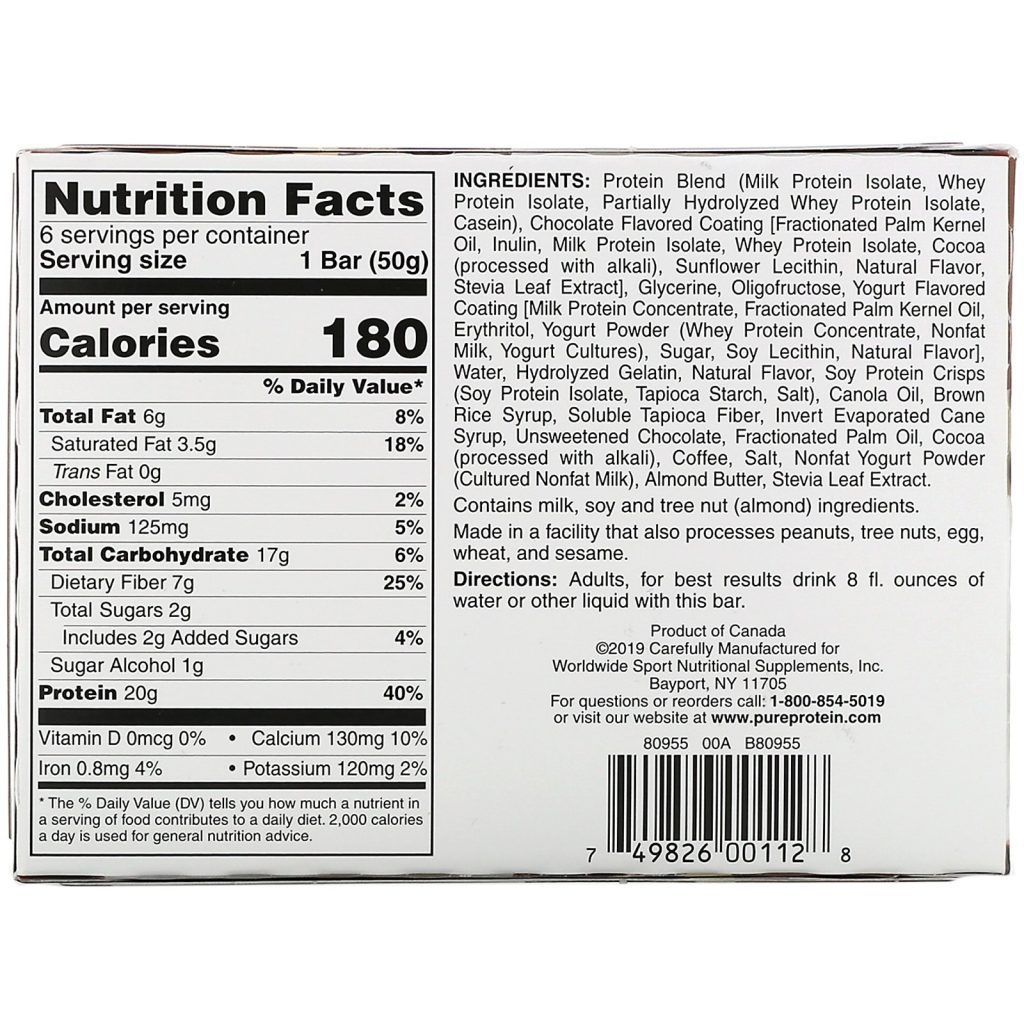
The Protein Bar Nutrition Info Explained: A Comprehensive Guide to Decoding Labels
Understanding protein bar nutrition information requires looking beyond the total protein count to analyze the quality of protein sources, the impact of sugar alcohols on "net carbs," and the presence of processed fibers. In 2026, the...
Understanding protein bar nutrition information requires looking beyond the total protein count to analyze the quality of protein sources, the impact of sugar alcohols on "net carbs," and the presence of processed fibers. In 2026, the market is saturated with "functional foods," making it essential to distinguish between a recovery tool and a glorified candy bar by auditing the ingredient list and the macronutrient ratio.
Contents
The evolution of the protein bar has moved it from a niche bodybuilding supplement to a ubiquitous snack found in every convenience store. However, as manufacturers strive for better taste and texture, the "Nutrition Facts" panel has become increasingly complex. Deciphering this information is not just about counting calories; it is about understanding how specific ingredients—ranging from hydrolyzed collagen to allulose—affect your metabolic health and fitness goals.
The Foundation: Evaluating Protein Quality and Sources
When the label prominently displays "20g Protein," the primary task is to identify where that protein originates. In the 2026 market, protein sources are generally categorized into animal-based, plant-based, and blended varieties. Each has a different Protein Digestibility Corrected Amino Acid Score (PDCAAS), which measures the quality of a protein based on both the amino acid requirements of humans and their ability to digest it.
Whey and Casein (Dairy-Based)
Dairy proteins remain the gold standard for muscle protein synthesis (MPS). Whey protein isolate is a highly filtered form of dairy protein that contains at least 90% protein and minimal lactose or fat. It is absorbed rapidly, making it ideal for post-workout recovery. Milk protein isolate and micellar casein, conversely, are digested more slowly. If you see these on a label, the bar is likely designed for sustained satiety rather than immediate post-exercise refueling.
Plant-Based Proteins (Soy, Pea, Rice, and Hemp)
For those following vegan or vegetarian diets, the protein bar nutrition info explained usually highlights a blend. Since most plant proteins (except soy) are "incomplete"—meaning they lack one or more essential amino acids—manufacturers often combine pea and rice protein. This combination creates a complete amino acid profile similar to whey. Look for fermented pea protein on modern labels, as it is often easier on the digestive system and reduces the "chalky" texture common in older plant-based bars.
The Rise of Collagen
In recent years, collagen peptides have become a frequent addition. While collagen is excellent for joint and skin health, it is not a complete protein because it lacks the essential amino acid tryptophan. If a bar claims 20g of protein but lists collagen as the primary source, it will not be as effective for muscle building as a bar using whey or soy.
The Carbohydrate Complex: Sugars, Fibers, and Net Carbs
Carbohydrates are the most misunderstood section of the protein bar label. To lower calorie counts while maintaining sweetness, companies utilize a variety of technical ingredients that can affect blood glucose levels differently.
Deciphering "Net Carbs"
The term "Net Carbs" is a marketing calculation, not an official FDA-regulated term. The standard formula used in 2026 is: Total Carbohydrates - Dietary Fiber - Sugar Alcohols (Polyols) = Net Carbs.
The logic is that fiber and sugar alcohols have a minimal impact on blood sugar. However, this is a simplification. Not all fibers or sugar alcohols are created equal. For instance, erythritol has a glycemic index of zero, whereas maltitol (a common sugar alcohol) has a glycemic index of 35—enough to cause a significant insulin response in some individuals.
Functional Fibers
To increase the fiber count and improve the "chew" of a bar, manufacturers use "functional" or "isolated" fibers. Common examples include:
- Soluble Corn Fiber: Well-tolerated by most and has a low glycemic impact.
- Isomalto-oligosaccharides (IMO): Formerly categorized as fiber, the FDA updated its stance because IMO is partially digested as a sugar, potentially spiking blood glucose more than expected.
- Chicory Root Fiber (Inulin): A prebiotic fiber that can cause gastrointestinal distress (bloating or gas) in high doses.
Allulose and Modern Sweeteners
By 2026, allulose has become a staple in high-end protein bars. Allulose is a "rare sugar" that tastes like table sugar but is not metabolized by the body, contributing only 0.4 calories per gram. On the nutrition label, it is included in the total carbohydrate count but is often subtracted in the "net carb" calculation because it does not raise blood glucose or insulin levels.
Fats and Binders: The Hidden Calorie Drivers
While protein is the star, the fat content determines the bar’s texture and shelf stability. The protein bar nutrition info explained must account for the type of fat used, as this impacts both heart health and the "mouthfeel" of the product.
Saturated vs. Unsaturated Fats
Many bars use palm kernel oil or coconut oil to create a chocolate-like coating that remains solid at room temperature. These are high in saturated fats. While not inherently "bad" in moderation, a bar containing 8g to 10g of saturated fat may represent nearly half of the recommended daily intake for some individuals. Conversely, bars that use nut butters (almond, peanut, or cashew) provide healthier monounsaturated fats but may result in a softer, more oily texture.
Emulsifiers and Binders
To keep the protein and fats from separating, companies use emulsifiers like soy lecithin or sunflower lecithin. You may also see glycerol (glycerin). Glycerol is a humectant; it holds moisture, ensuring the bar doesn't become a "brick" over its shelf life. In terms of nutrition info, glycerol is technically a sugar alcohol but is often listed separately or tucked into the carbohydrate total.
Understanding the Ingredient List Hierarchy
The "Nutrition Facts" panel tells you how much, but the ingredient list tells you what. By law, ingredients are listed in descending order by weight.
- The First Ingredient: This should always be a high-quality protein source (e.g., Whey Protein Isolate, Pea Protein). If the first ingredient is a syrup (e.g., Brown Rice Syrup, Agave) or a fiber blend, the bar is essentially a high-protein candy.
- The "Proprietary Blend": Some brands list a "Protein Blend." While this isn't necessarily a red flag, it can be used to hide the fact that the cheaper, lower-quality proteins (like soy flour or calcium caseinate) make up the bulk of the blend, with only a small amount of high-quality whey isolate.
- Artificial Additives: Check for artificial colors or flavors if you have sensitivities. In 2026, many "clean label" bars have moved toward natural flavorings derived from spices, fruits, or vegetables.
Comparing Protein Bar Categories
To help you decide which bar fits your needs, the following table compares the four most common profiles found on the market today.
| Bar Category | Typical Protein | Typical Net Carbs | Primary Sweetener | Best Use Case |
|---|---|---|---|---|
| Keto / Low Carb | 15g - 20g | 2g - 5g | Erythritol / Stevia | Weight management / Blood sugar control |
| Performance / Recovery | 20g - 30g | 20g - 40g | Cane Sugar / Brown Rice Syrup | Post-intense workout / Muscle gain |
| Meal Replacement | 15g - 25g | 25g - 35g | Dates / Agave / Fiber syrups | On-the-go meal substitute |
| Plant-Based / Vegan | 12g - 20g | 10g - 20g | Monk Fruit / Coconut Sugar | Vegan diets / Dairy sensitivity |
Common Pitfalls: What to Avoid
When analyzing protein bar nutrition info, there are three "traps" that even health-conscious consumers often fall into:
The "Halo Effect"
Just because a bar is labeled "Organic," "Non-GMO," or "Gluten-Free" does not mean it is low in sugar or high in quality protein. An organic bar can still contain 25g of sugar (from organic cane sugar), which is essentially the same as a standard candy bar.
Excessive Sugar Alcohols
While sugar alcohols help keep the "Net Carb" count low, they can lead to significant digestive upset if consumed in excess. If a bar contains more than 15g of sugar alcohols (like maltitol or sorbitol), it may cause a laxative effect for sensitive users.
Misleading "Total Calories"
Always check the serving size. While most bars are a single serving, some larger "builder" bars or "multi-packs" might list nutrition info for half a bar. Ensure the calories you are tracking align with the portion you are actually eating.
Frequently Asked Questions
Is it okay to eat a protein bar every day?
Yes, it is generally safe to consume a protein bar daily as part of a balanced diet. However, they should not replace whole food sources of nutrition entirely. Whole foods provide a broader array of micronutrients and phytochemicals that processed bars lack. Use them as a convenient supplement rather than a dietary staple.
Why do some protein bars make me feel bloated?
Bloating is usually caused by high concentrations of sugar alcohols (like xylitol or maltitol) or prebiotic fibers (like inulin/chicory root). These ingredients are fermented by bacteria in the large intestine, which produces gas. If you experience this, look for bars sweetened with stevia or monk fruit and those that use soluble corn fiber instead of inulin.
Can protein bars be used for weight loss?
Protein bars can assist in weight loss by providing a high-protein, portion-controlled snack that increases satiety (the feeling of fullness). For weight loss, prioritize bars with a high protein-to-calorie ratio—aiming for at least 1g of protein for every 10 calories (e.g., a 200-calorie bar should have 20g of protein).
Do protein bars expire or go bad?
Protein bars have a long shelf life, typically 12 to 18 months, due to their low moisture content and preservatives. While they may not become "unsafe" immediately after the "best by" date, the texture often degrades, becoming very hard or dry, and the fats within the bar may eventually go rancid, affecting the taste.
Is there a difference between "Protein Bars" and "Energy Bars"?
Yes. Energy bars are typically higher in carbohydrates and are designed to provide fuel for endurance activities like hiking or cycling. Protein bars are formulated with a higher percentage of protein to support muscle repair and satiety. Choosing an energy bar when you aren't active can lead to unnecessary blood sugar spikes.
Practical Recommendation: How to Choose
To select the best bar based on the protein bar nutrition info explained above, follow this three-step audit:
- Identify Your Goal: If you are sedentary or trying to lose weight, look for a bar with <5g Net Carbs** and **>15g Protein. If you just finished a marathon, choose a bar with >30g Carbohydrates to replenish glycogen stores.
- Scan the First Three Ingredients: Ensure at least one of the first two ingredients is a recognizable protein source (e.g., Whey Isolate, Pea Protein) rather than a sweetener or a bulking agent.
- Check the "Fiber-to-Sugar" Ratio: Aim for a bar where the fiber content is equal to or higher than the added sugar content. This balance helps slow the absorption of glucose, preventing energy crashes later in the day.
By treating the nutrition label as a roadmap rather than a marketing brochure, you can ensure that your choice of protein bar supports your health objectives rather than hindering them.
Image Gallery