Converting Pacific Daylight Time to Central Time: A Comprehensive Guide
To convert Pacific Daylight Time (PDT) to Central Time, add exactly two hours to the current Pacific time. Since both zones typically follow Daylight Saving Time schedules in tandem, 10:00 AM PDT corresponds to 12:00 PM CDT. This two-h...
To convert Pacific Daylight Time (PDT) to Central Time, add exactly two hours to the current Pacific time. Since both zones typically follow Daylight Saving Time schedules in tandem, 10:00 AM PDT corresponds to 12:00 PM CDT. This two-hour offset remains the standard for the majority of the United States and Canada.
Contents
Calculating time differences across North America is a fundamental skill for remote professionals, travelers, and event coordinators. In 2026, as digital synchronization becomes even more integrated into our daily workflows, understanding the mechanics behind these shifts prevents scheduling conflicts and ensures seamless communication. While automated tools are ubiquitous, a firm grasp of the underlying UTC offsets and geographic boundaries is essential for troubleshooting and manual verification.
Understanding the Relationship Between PDT and CDT
Pacific Daylight Time (PDT) and Central Daylight Time (CDT) are both offsets of Coordinated Universal Time (UTC), the primary time standard by which the world regulates clocks and time. To understand why there is a two-hour difference, we must look at their respective relationships to UTC.
- Pacific Daylight Time (PDT): This is UTC-7. It is observed in the Pacific Time Zone during the spring, summer, and early autumn months.
- Central Daylight Time (CDT): This is UTC-5. It is observed in the Central Time Zone during the same period.
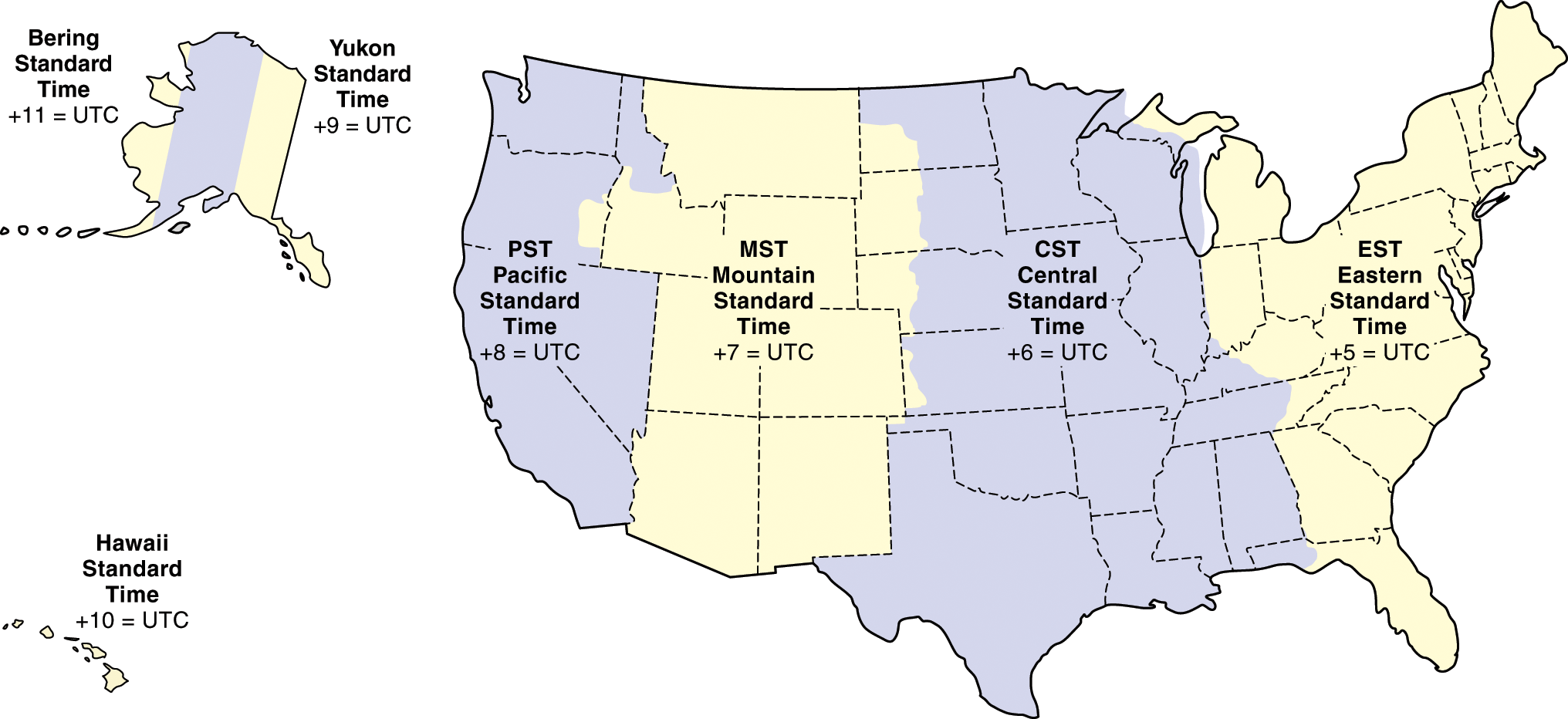
Because CDT is five hours behind UTC and PDT is seven hours behind UTC, the difference between them is exactly two hours. Since the sun rises in the East and moves toward the West, the Central Time Zone experiences daylight earlier than the Pacific Time Zone. Consequently, Central Time is always "ahead" of Pacific Time. If you are moving from the West Coast toward the Midwest or Gulf Coast, you are moving into a time zone that is mathematically further ahead.
The Science of Longitude and Time Zones
Time zones are roughly based on the idea that the earth is divided into 24 longitudinal sections, each representing one hour of the day. The Central Time Zone is centered approximately around 90 degrees west longitude, while the Pacific Time Zone is centered around 120 degrees west longitude. This 30-degree difference naturally creates a two-hour gap. In 2026, while our devices handle these adjustments automatically via Network Time Protocol (NTP), these physical geographical realities remain the foundation of our global clock system.
The 2026 Daylight Saving Time Schedule
For the year 2026, it is vital to know when the transition between Standard Time and Daylight Time occurs. Most of the United States and Canada follow the same synchronization schedule. This means that for the vast majority of the year, the two-hour gap between "Pacific Time" and "Central Time" remains constant, even as the names of the zones change from "Standard" to "Daylight."
In 2026, the transitions occur on the following dates:
- Spring Forward: On Sunday, March 8, 2026, at 2:00 AM, clocks move forward one hour. PST becomes PDT, and CST becomes CDT.
- Fall Back: On Sunday, November 1, 2026, at 2:00 AM, clocks move back one hour. PDT reverts to PST, and CDT reverts to CST.
During the period between March 8 and November 1, you will specifically be converting Pacific Daylight Time (PDT) to Central Daylight Time (CDT). If you are making this conversion outside of those dates, you are likely dealing with Pacific Standard Time (PST) and Central Standard Time (CST), though the two-hour difference remains identical.
Practical Conversion Steps and Visual Aids
Converting time manually is a straightforward process of addition or subtraction. To move from the Pacific (West) to the Central (East), you add time. To move from the Central (East) to the Pacific (West), you subtract time.
Step-by-Step Manual Calculation
- Identify the Start Time: Determine the exact hour and minute in Pacific Daylight Time.
- Add Two Hours: Increment the hour digit by two.
- Adjust for AM/PM: If the addition of two hours crosses the 12:00 threshold, ensure you switch the AM/PM designation. For example, 11:00 AM PDT plus two hours becomes 1:00 PM CDT.
- Confirm the Date: If the conversion occurs late at night (e.g., 11:00 PM PDT), adding two hours will move the time to 1:00 AM CDT on the following calendar day.
PDT to CDT Conversion Table
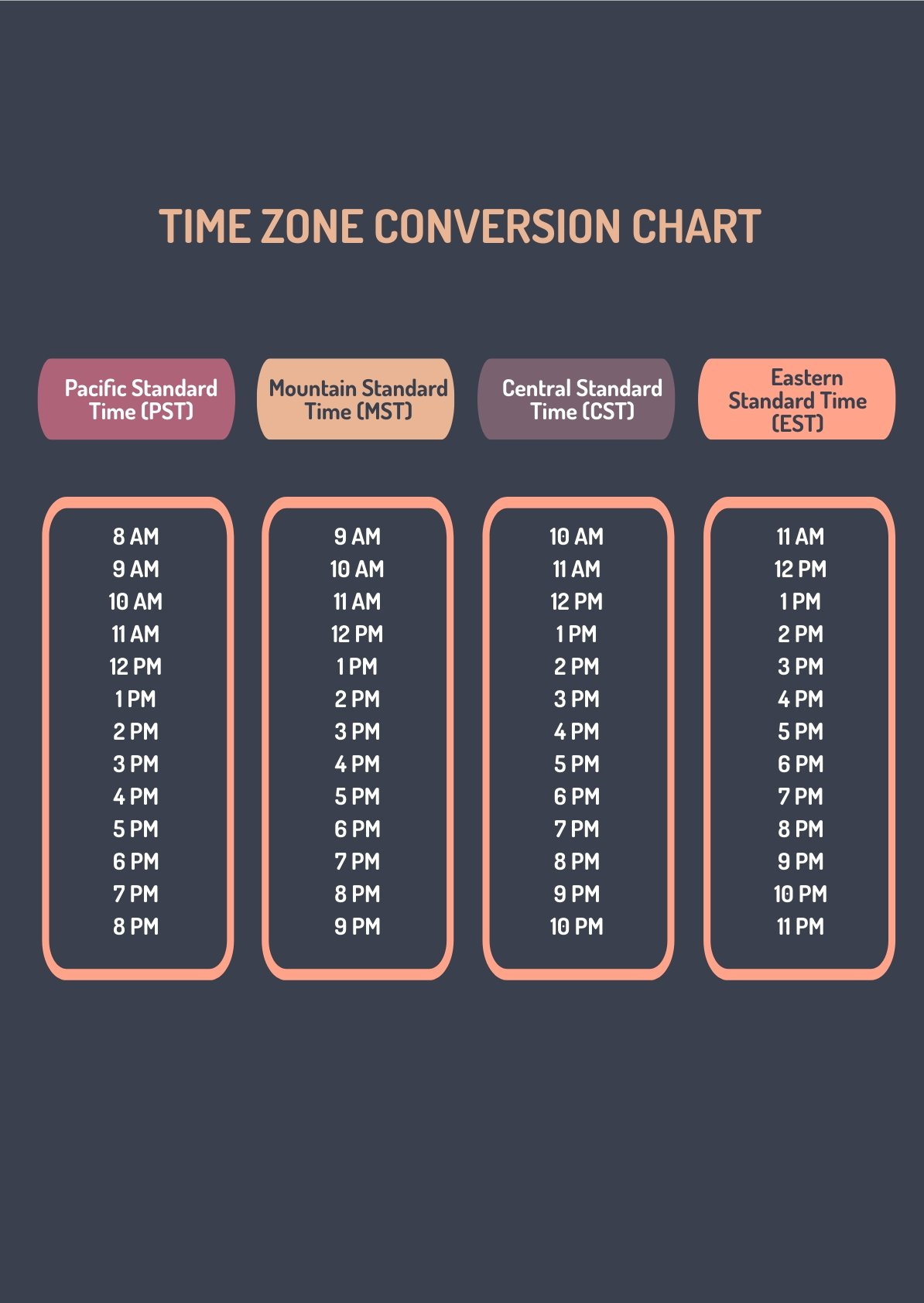
The following table provides a quick reference for common meeting times and daily milestones in 2026.
| Pacific Daylight Time (PDT) | Central Daylight Time (CDT) | 24-Hour (Military) Format (PDT/CDT) |
|---|---|---|
| 6:00 AM | 8:00 AM | 06:00 / 08:00 |
| 7:00 AM | 9:00 AM | 07:00 / 09:00 |
| 8:00 AM | 10:00 AM | 08:00 / 10:00 |
| 9:00 AM | 11:00 AM | 09:00 / 11:00 |
| 10:00 AM | 12:00 PM (Noon) | 10:00 / 12:00 |
| 11:00 AM | 1:00 PM | 11:00 / 13:00 |
| 12:00 PM (Noon) | 2:00 PM | 12:00 / 14:00 |
| 1:00 PM | 3:00 PM | 13:00 / 15:00 |
| 2:00 PM | 4:00 PM | 14:00 / 16:00 |
| 3:00 PM | 5:00 PM | 15:00 / 17:00 |
| 4:00 PM | 6:00 PM | 16:00 / 18:00 |
| 5:00 PM | 7:00 PM | 17:00 / 19:00 |
| 8:00 PM | 10:00 PM | 20:00 / 22:00 |
| 11:00 PM | 1:00 AM (Next Day) | 23:00 / 01:00 |
Geographical Boundaries and Exceptions
While the two-hour rule is generally applicable, there are specific geographic nuances and exceptions that can confuse travelers and logistics managers. Not every region within these longitudinal stretches follows the standard Daylight Saving Time rules.
The Arizona Exception
The state of Arizona (with the exception of the Navajo Nation) does not observe Daylight Saving Time. Consequently, during the summer months when the rest of the West Coast is on PDT (UTC-7), Arizona remains on Mountain Standard Time (MST), which is also UTC-7. This means that during the PDT period, Arizona is effectively at the same time as California and Washington. However, if you are converting "Pacific Daylight Time" to Central Time for a contact in Arizona, you must be careful; they do not use the PDT label, even if their clocks match.
Saskatchewan and Parts of Mexico
In Canada, most of the province of Saskatchewan does not observe Daylight Saving Time, staying on Central Standard Time (CST) year-round. This means that during the summer, Saskatchewan is at the same time as CDT (UTC-5), maintaining the two-hour gap with PDT.
In Mexico, the federal government abolished Daylight Saving Time for most of the country in 2022. However, cities along the U.S. border often continue to observe DST to maintain economic synchronization with their American counterparts. If you are converting time for cross-border operations in 2026, verify the specific municipality’s current status using a resource like the Official Mexican Time Service.
Professional Implications for 2026 Scheduling
In the 2026 business landscape, where asynchronous work and distributed teams are the norm, time zone conversion is more than a convenience—it is an act of professional etiquette. Failing to account for the two-hour gap can lead to missed deadlines or intruding on a colleague's personal time.
The "Golden Window" for Meetings
When working between PDT and CDT, there is a "Golden Window" of four to six hours where both regions are within standard 9-to-5 working hours.
- Pacific Start: 9:00 AM PDT is 11:00 AM CDT.
- Central End: 3:00 PM PDT is 5:00 PM CDT.
Scheduling meetings within this window ensures that no one is forced to start excessively early or stay late. For more information on time synchronization and official U.S. time, refer to the National Institute of Standards and Technology (NIST).
Digital Tools and Automation
While manual calculation is a vital backup, several digital tools are indispensable for 2026 users:
- World Clock Converters: Websites like TimeandDate.com allow you to plug in future dates to account for DST shifts.
- Calendar Integration: Google Calendar and Microsoft Outlook allow users to display two time zones side-by-side in the "Day" and "Week" views.
- OS Features: Both Windows 11/12 and macOS Sequoia allow for multiple clocks in the taskbar or menu bar.
Common Pitfalls in Time Conversion
Even seasoned professionals make mistakes when converting PDT to Central Time. Awareness of these common errors can prevent significant logistical headaches.
- The "One-Hour Mistake": Many people confuse the Mountain Time Zone gap (one hour) with the Central Time Zone gap (two hours). Always double-check that you are skipping over Mountain Time.
- Ignoring the Date Line: When converting late-night PDT times, it is easy to forget that the Central Time zone has already entered the next calendar day. This is critical for flight bookings and legal deadlines.
- Incorrect DST Dates: While the U.S. has used the current DST schedule since 2007, international partners may follow different schedules. If you are coordinating between PDT and a Central Time equivalent in another country, verify their specific 2026 transition dates.
Frequently Asked Questions
Is Central Time always 2 hours ahead of Pacific Time?
Yes, for the vast majority of the United States and Canada, the two-hour difference is maintained year-round. Whether both zones are in "Standard" time (PST/CST) or "Daylight" time (PDT/CDT), the offset remains the same because the zones transition on the same dates and times.
What are the specific names of the time zones in 2026?
From March 8, 2026, to November 1, 2026, the zones are Pacific Daylight Time (PDT) and Central Daylight Time (CDT). From November 1, 2026, through the end of the year, they revert to Pacific Standard Time (PST) and Central Standard Time (CST).
If it is 12:00 PM PDT, what time is it in Chicago?
Chicago is in the Central Time Zone. Since Chicago observes Daylight Saving Time, 12:00 PM PDT is 2:00 PM CDT in Chicago.
Does the two-hour gap apply to all Central Time states?
Yes, states such as Illinois, Texas (mostly), Tennessee (western part), and Missouri all follow the same two-hour gap relative to the Pacific Coast. Note that some states, like Tennessee and Kentucky, are split between Central and Eastern time, so you must verify the specific city.
How do I convert military time from PDT to CDT?
In 24-hour format, you simply add "0200" to the time. If the time is 14:00 PDT, it is 16:00 CDT. If the addition exceeds 24:00, subtract 24:00 from the result to find the time on the next day.
Practical Recommendation
When managing schedules across Pacific and Central time zones, do not rely solely on memory during transition weeks. In March and November of 2026, always verify your digital calendar's automated adjustments against an official source like Time.gov. For daily operations, setting your primary digital workspace to display both PDT and CDT side-by-side is the most effective way to eliminate human error and maintain productivity across the two-hour divide.
Image Gallery