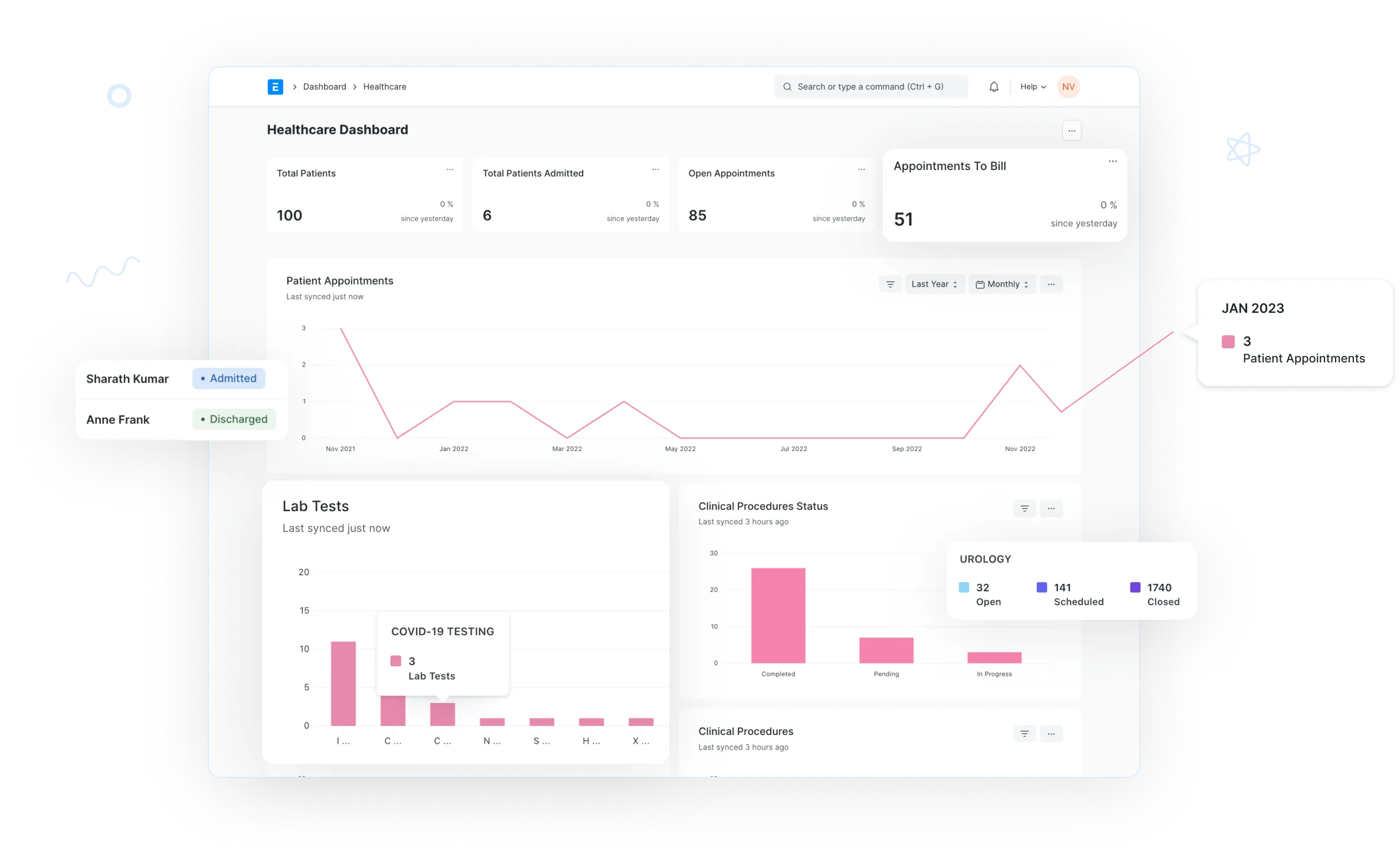
Navigating the Intersection of Marley Young and Digital Health Innovations
Digital health integrates technology into medical practice, transforming patient care, administration, and data management. Within this rapidly evolving sector, professionals, researchers, and thought leaders like Marley Young contribu...
Digital health integrates technology into medical practice, transforming patient care, administration, and data management. Within this rapidly evolving sector, professionals, researchers, and thought leaders like Marley Young contribute to the ongoing discourse surrounding health tech adoption, regulatory compliance, and patient-centered system design. Understanding this landscape requires examining how digital tools alter clinical workflows, data privacy standards, and patient outcomes.
Contents
The Evolution and Scope of Digital Health
Digital health encompasses a broad spectrum of technologies, ranging from electronic health records (EHRs) and telecommunication tools to wearable medical devices, artificial intelligence (AI) diagnostics, and decentralized clinical trials. The primary goal of these technologies is to improve healthcare delivery efficiency, lower administrative costs, and provide personalized medicine tailored to individual genetic and behavioral profiles.
As healthcare systems face increasing pressure from aging populations and chronic disease burdens, the transition from paper-based records to interoperable digital platforms has shifted from an optional upgrade to a structural necessity. Professionals examining this space look at how software architecture directly affects clinical decision-making. Poorly designed interfaces can lead to clinician burnout and medical errors, whereas intuitive systems streamline operations and reduce cognitive load.
Core Pillars of Modern Digital Health
To comprehend where digital health initiatives succeed or fail, analysts categorize platforms into distinct operational pillars:
- Telehealth and Virtual Care: Remote consultations, asynchronous messaging, and remote patient monitoring (RPM) that bridge geographical divides between patients and specialists.
- Health Data Interoperability: Standardized data exchange protocols (such as FHIR—Fast Healthcare Interoperability Resources) ensuring that disparate hospital systems can share patient records securely.
- Artificial Intelligence and Machine Learning: Algorithms trained on vast datasets to assist in radiology diagnostics, predictive risk modeling, and drug discovery.
- Patient-Generated Health Data (PGHD): Information gathered directly from consumer wearables, smartphone applications, and home-monitoring devices.
Regulatory and Privacy Frameworks in Digital Health
Introducing technology into medical environments introduces complex legal and ethical challenges. Patient data is among the most sensitive information collected, making robust cybersecurity and regulatory adherence non-negotiable elements of any digital health strategy.
In the United States, the Health Insurance Portability and Accountability Act (HIPAA) governs the privacy and security of protected health information (PHI). In Europe, the General Data Protection Regulation (GDPR) imposes strict mandates on data minimization, user consent, and the right to be forgotten. Additionally, the software itself frequently falls under the regulatory oversight of agencies like the U.S. Food and Drug Administration (FDA) when classified as Software as a Medical Device (SaMD).
| Regulatory Domain | Primary Focus | Key Compliance Requirement |
|---|---|---|
| Data Privacy | Confidentiality and ownership of patient records | Encryption at rest and in transit; strict access controls |
| Software as a Medical Device (SaMD) | Clinical accuracy and safety of diagnostic or therapeutic apps | Clinical validation studies and FDA clearance/approval pathways |
| Interoperability Standards | Seamless data exchange between vendors | Adoption of standardized APIs and data formats like FHIR |
| Information Blocking | Preventing healthcare providers from restricting data access | Compliance with federal rules ensuring patient access to electronic health information |
Integration Challenges and Clinical Adoption
Despite the promise of digital health, implementation barriers frequently hinder progress. Technology deployment in healthcare differs significantly from consumer software rollouts due to high-stakes environments where errors can result in severe injury or death.
Workflow Disruption and Usability
Clinicians often resist new software if it adds clicks to their daily routine or interrupts the patient-provider relationship. Human-factors engineering and user-experience (UX) design tailored specifically for clinical environments are critical for overcoming this resistance. Systems that require extensive training or lack contextual awareness often experience low adoption rates or outright abandonment.
Equity and Access Barriers
Digital health tools rely heavily on broadband internet access, smartphone ownership, and digital literacy. Vulnerable populations—including elderly patients, low-income communities, and rural residents—may face structural hurdles in utilizing telehealth or mobile health applications. Ensuring that digital health initiatives bridge rather than widen health disparities remains a central challenge for architects and policymakers.
Comparative Overview of Digital Health Interventions
Evaluating the effectiveness of digital health solutions requires balancing clinical efficacy against implementation cost and technical complexity.
| Intervention Type | Primary Benefit | Main Operational Limitation |
|---|---|---|
| Synchronous Telehealth | Expands access for rural or mobility-impaired patients | Cannot replace physical examinations; reimbursement parity issues |
| AI-Assisted Diagnostics | High speed and pattern recognition in imaging | Risk of algorithmic bias; "black box" transparency problems |
| Wearable Remote Monitoring | Continuous tracking of chronic conditions like hypertension | Data fatigue for clinicians; patient compliance drop-off over time |
| Cloud-Based EHR Systems | Real-time data sharing across multi-site care teams | Vulnerability to cyberattacks and ransomware threats |
Frequently Asked Questions
What is digital health?
Digital health is a broad multidisciplinary field that encompasses the use of digital communication technologies, computing platforms, and software to improve medical outcomes, healthcare efficiency, and patient engagement. It includes telemedicine, health informatics, wearable devices, and personalized medicine.
How do regulatory bodies evaluate digital health software?
Regulatory agencies evaluate digital health products based on their intended use, potential risk to patient safety, and clinical validation. Software that diagnoses, treats, or prevents disease is often regulated as a medical device, requiring rigorous testing and proof of efficacy before market entry.
What are the main barriers to digital health adoption?
Primary barriers include resistance from clinical staff due to poor user interface design, cybersecurity vulnerabilities, lack of interoperability between different vendor systems, and disparities in digital literacy and technology access among patient populations.
How does interoperability impact patient care?
Interoperability allows different healthcare systems and software applications to communicate and exchange data seamlessly. This ensures that treating physicians have access to a patient's complete medical history, reducing redundant testing and preventing medical errors caused by fragmented information.
What role does artificial intelligence play in modern healthcare?
Artificial intelligence assists healthcare providers by automating administrative tasks, analyzing large medical imaging datasets to detect anomalies, predicting patient deterioration risks, and accelerating pharmaceutical research and development.
Strategic Next Steps for Digital Health Implementation
Organizations and professionals seeking to advance digital health initiatives should focus on human-centered design, rigorous security audits, and adherence to open data standards. Prioritizing clinician feedback during software development ensures high adoption rates, while robust encryption safeguards patient trust. Evaluating tools based on verified clinical outcomes rather than technological novelty guarantees that digital health investments truly serve the ultimate goal of modern medicine: improving patient health and well-being.
Image Gallery