How Mold Remediation Works in Waukesha WI
Mold remediation in Waukesha, Wisconsin, involves a structured, multi-step process designed to locate, contain, and safely remove fungal growth while addressing the underlying moisture issues unique to the region's climate. Local prope...
Mold remediation in Waukesha, Wisconsin, involves a structured, multi-step process designed to locate, contain, and safely remove fungal growth while addressing the underlying moisture issues unique to the region's climate. Local properties frequently encounter high humidity during freeze-thaw cycles and warm summers, making professional mitigation essential for structural integrity and indoor air quality.
Contents
Understanding the Waukesha Climate and Local Mold Pressures
Properties in Waukesha face distinct environmental pressures that influence how mold develops and spreads. Southeastern Wisconsin experiences humid summers accompanied by frequent precipitation, alongside cold winters where homes remain tightly sealed for months to retain heat. This seasonal cycle creates prime conditions for indoor condensation, particularly in basements, crawl spaces, and poorly ventilated attics.
When warm, humid air contacts cool basement walls or uninsulated ductwork, moisture condenses on surfaces. Over time, organic building materials such as drywall, wooden framing, subflooring, and carpet backing absorb this moisture. Because mold spores are ubiquitous in the outdoor air and enter homes through windows, doors, and HVAC systems, they quickly colonize these damp substrates. Understanding how mold remediation works in Waukesha requires recognizing that surface cleaning alone fails; true remediation targets the root moisture source to prevent recurring outbreaks.
The Professional Mold Remediation Process
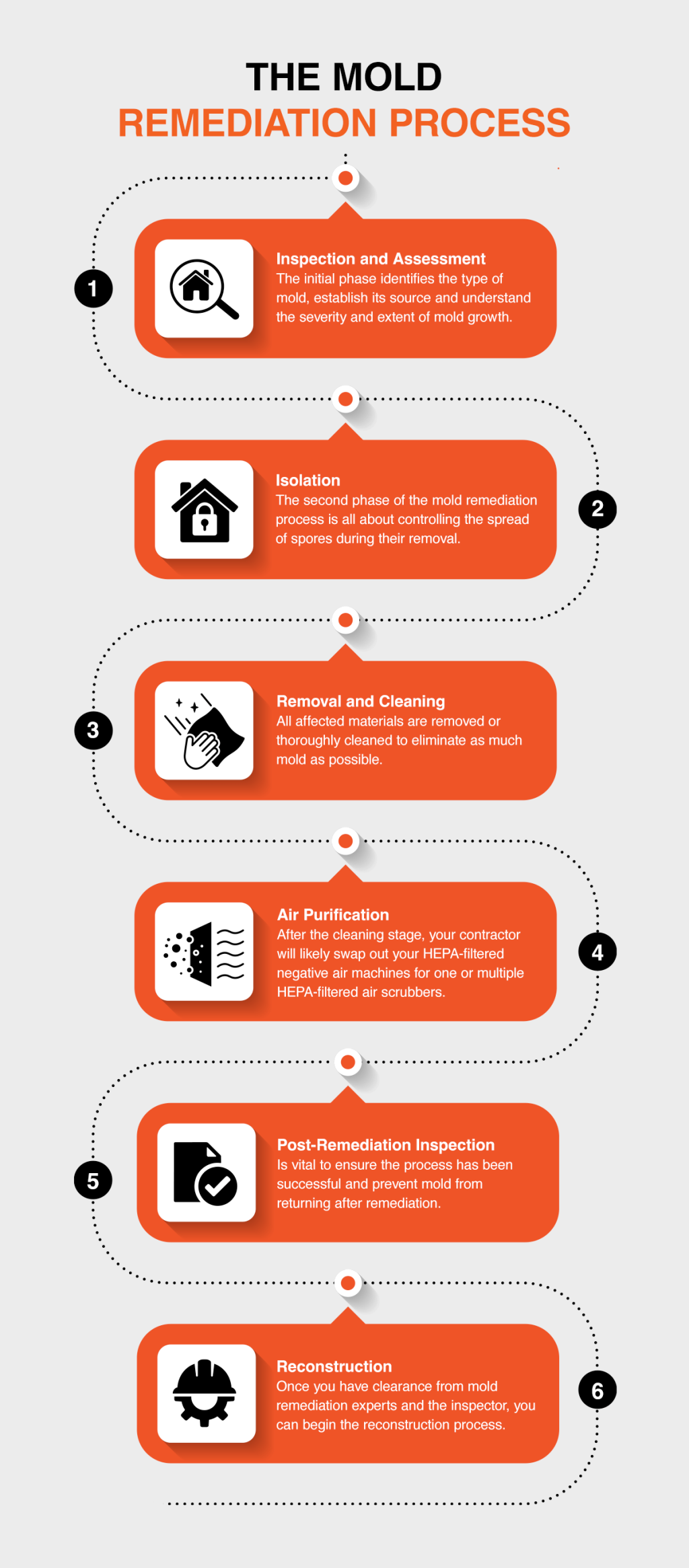
Certified mold remediation technicians follow standardized protocols established by organizations like the Institute of Inspection Cleaning and Restoration Certification (IICRC S520). The process moves methodically from initial assessment to final structural restoration.
- Initial Assessment & Moisture Mapping
- Containment & Negative Air Pressure
- Air Filtration & HEPA Vacuuming
- Demolition & Porous Material Removal
- Cleaning, Antimicrobial Treatment & Drying
- Post-Remediation Verification & Reconstruction
1. Assessment and Moisture Mapping
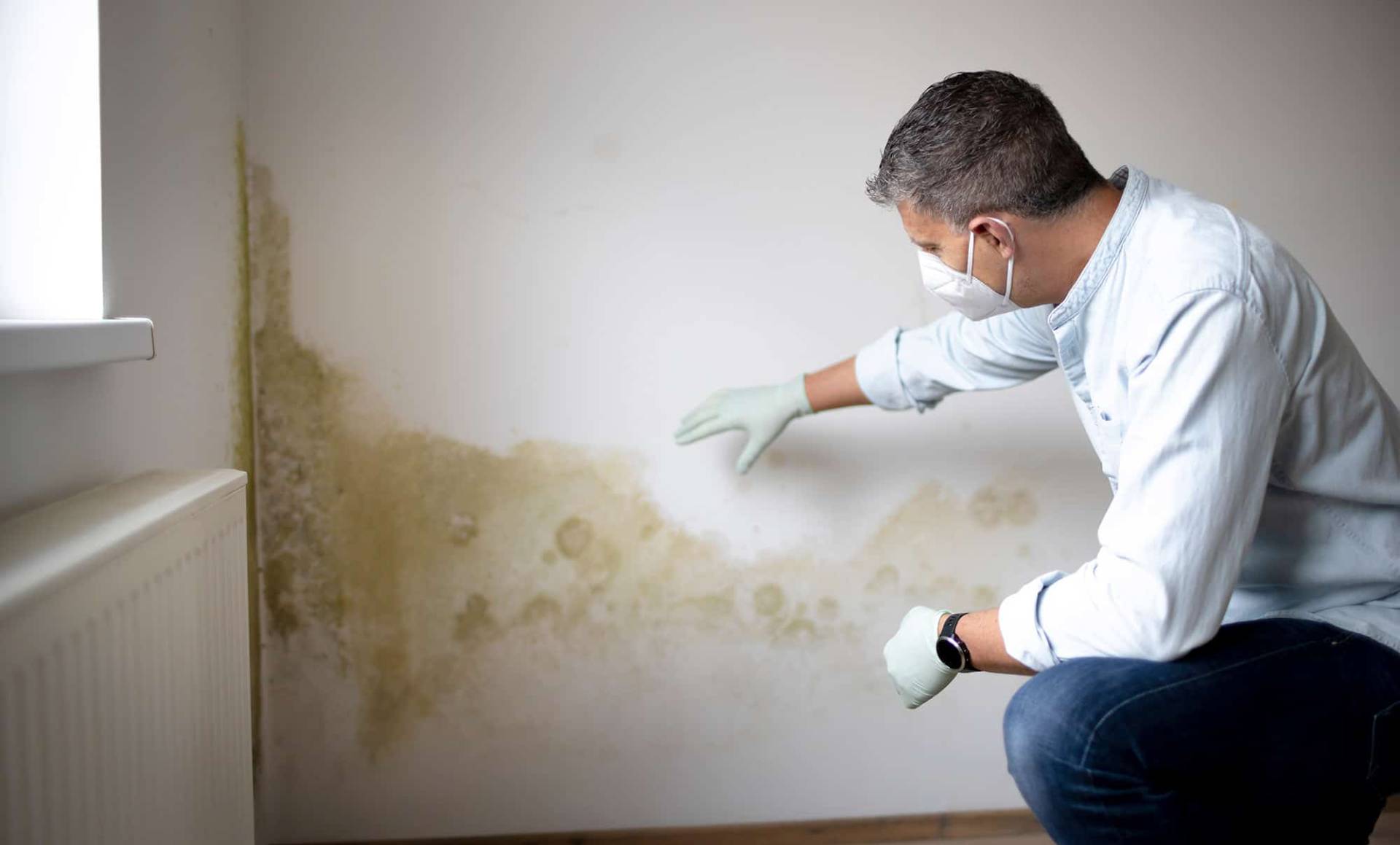
The process begins with a thorough inspection of the property. Technicians use specialized tools such as thermal imaging cameras, moisture meters, and hygrometers to trace water intrusion points and map the exact boundaries of microbial growth. In many cases, visible mold is merely a symptom of a hidden plumbing leak, a cracked foundation, or inadequate flashing around a roofline. Identifying this source is mandatory before any physical remediation begins.
2. Containment Setup
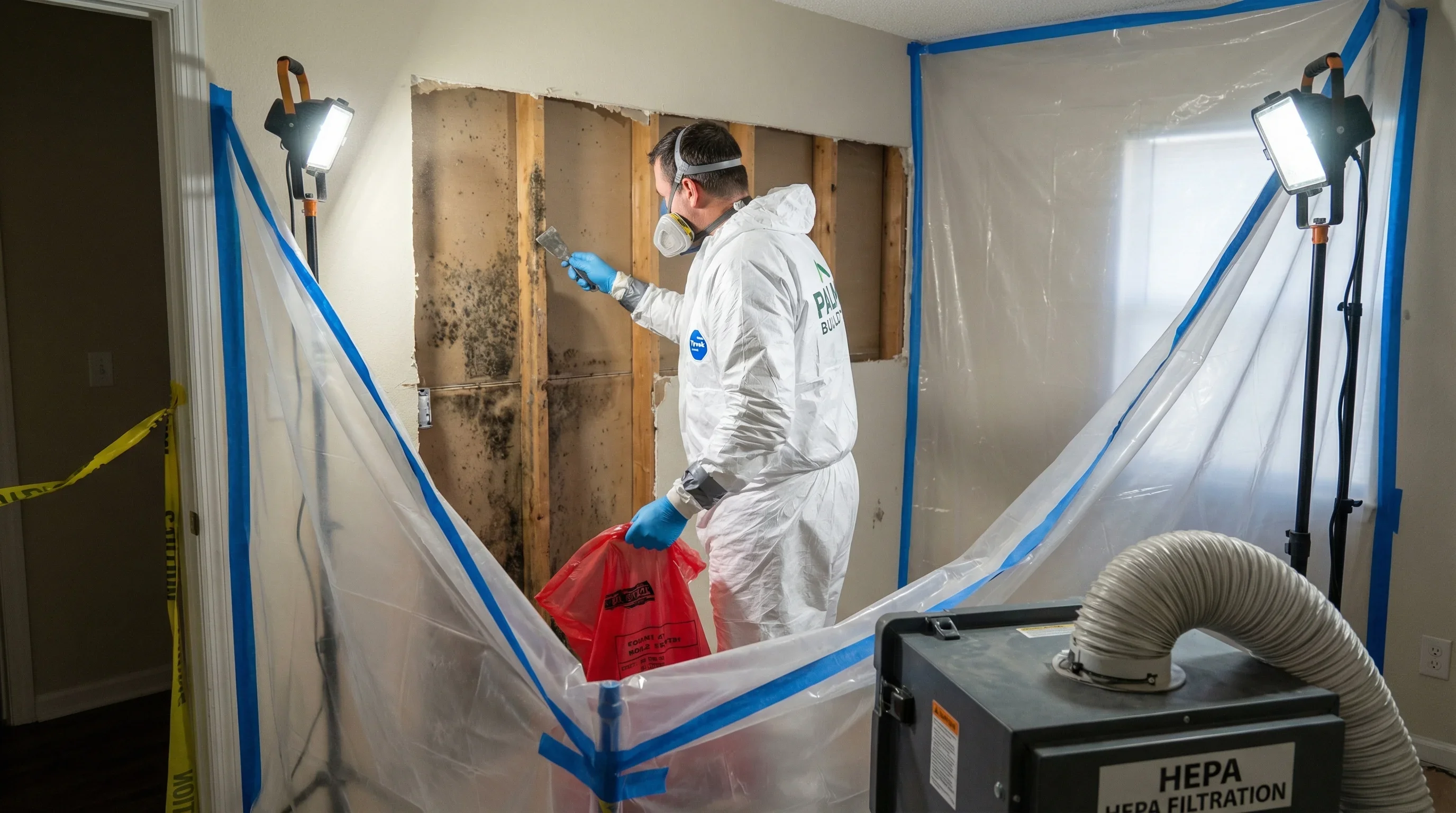
To prevent cross-contamination into unaffected areas of the home, technicians isolate the work zone. Heavy-duty polyethylene sheeting is erected to seal off doorways, HVAC vents, and stairwells. Furthermore, specialized negative air machines equipped with High-Efficiency Particulate Air (HEPA) filters are deployed. These machines run continuously, maintaining negative air pressure inside the containment zone so that airborne spores, dust, and debris are drawn into the filtration unit rather than escaping into living spaces.
3. Air Filtration and HEPA Vacuuming
Before structural cleaning begins, continuous air scrubbing removes suspended spores from the environment. Technicians then perform dry HEPA vacuuming on accessible surfaces within the containment area. This step captures loose spores and particulate matter safely without launching them back into the air stream.
4. Demolition and Removal of Porous Materials
Building materials fall into different categories based on their porosity. Non-porous materials like metal, glass, and hard plastics can typically be cleaned and salvaged. Semi-porous materials such as framing lumber can often be sanded and treated. However, highly porous materials—including drywall, insulation, carpeting, and upholstered items—that have experienced deep fungal penetration cannot be effectively decontaminated. These materials are carefully bagged, sealed, and disposed of according to local environmental regulations.
5. Cleaning, Antimicrobial Application, and Drying
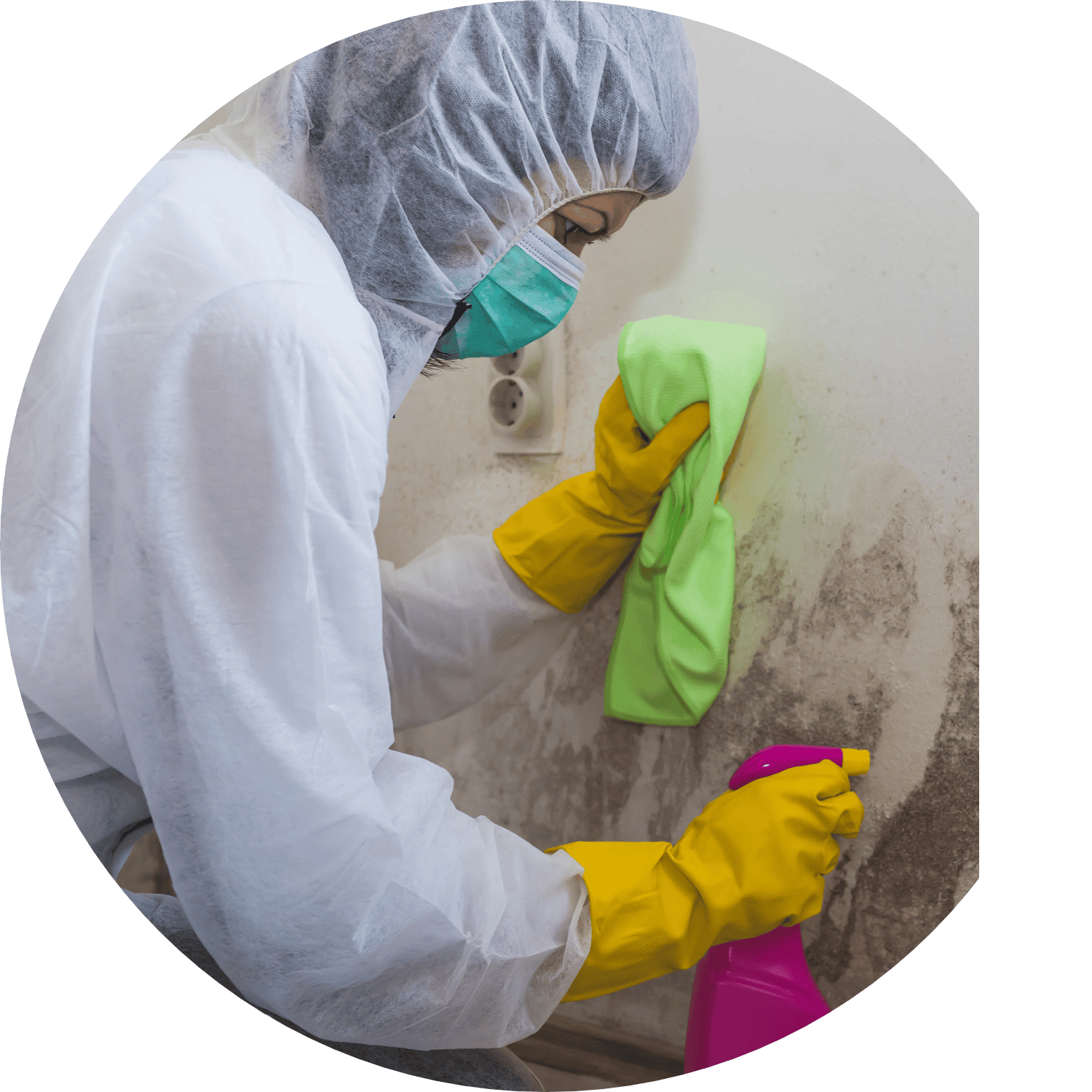
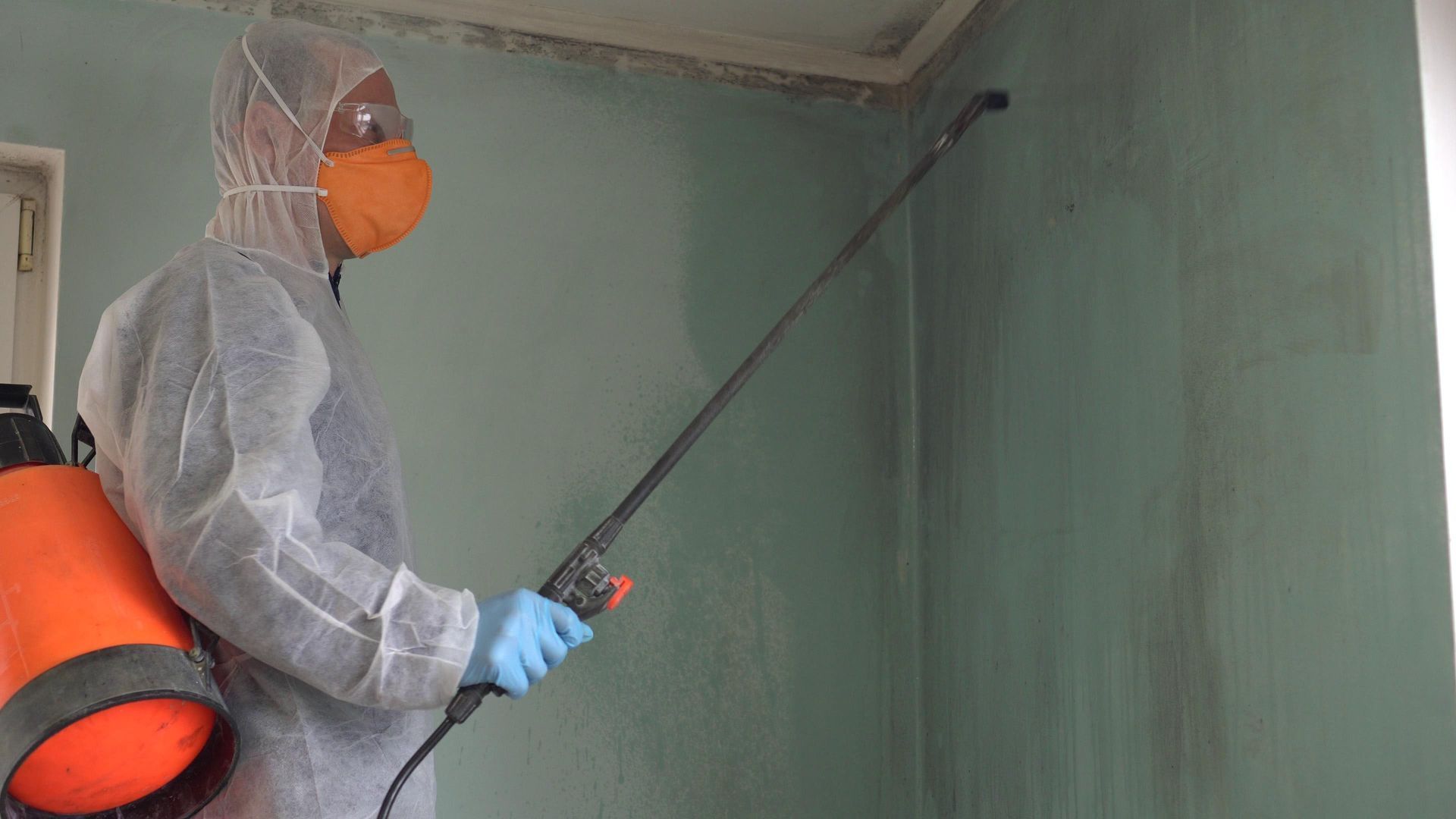
Once contaminated porous debris is removed, remaining structural elements undergo intensive cleaning. Technicians apply EPA-registered antimicrobial, antifungal, and biocide solutions to neutralize active colonies. Industrial-grade air movers and dehumidifiers are then introduced to thoroughly dry the structural framing and subflooring. Achieving dry standards is critical; mold cannot grow without moisture.
Comparison of Remediation Methods
Selecting the correct approach depends on the severity of the infestation and the type of material affected. The following table outlines standard intervention levels used by professional restoration teams:
| Remediation Level | Affected Surface Area | Primary Techniques Used | Typical Applications |
|---|---|---|---|
| Level 1 (Small) | Under 10 square feet | Damp wiping, HEPA vacuuming, biocide application | Small patches around window sills or localized bathroom leaks |
| Level 2 (Medium) | 10 to 30 square feet | Sealed containment, targeted sanding, HEPA vacuuming | Larger closet outbreaks or localized wallboard damage |
| Level 3 (Large) | 30 to 100 square feet | Full containment, negative air, selective demolition | Sections of finished basements or flooded utility rooms |
| Level 4 (Extensive) | Over 100 square feet | Full-scale containment, heavy demolition, structural drying | Severe whole-home water damage or long-term neglect |
Verification and Post-Remediation Testing
Once physical remediation is complete, verifying the success of the project is essential. A reputable remediation company will conduct a visual inspection to ensure all surfaces within the containment zone are free from dust, debris, and visible staining.
Property owners in Waukesha may also hire an independent, third-party industrial hygienist or environmental testing firm to perform clearance testing. This typically involves collecting spore trap air samples inside the remediated area and comparing them against outdoor control samples and unaffected indoor zones. Clearance is confirmed when indoor spore counts and species distributions return to normal background levels. Only after passing this verification are containment barriers dismantled and reconstruction authorized.
Rebuilding and Prevention Strategies
Remediation stops the active infestation, but long-term success depends on restoring the property and preventing future moisture accumulation.
Structural Reconstruction
After clearance, destroyed drywall, insulation, and flooring must be replaced. Contractors rebuild the affected areas using moisture-resistant building products where appropriate, such as mold-resistant drywall in basements and bathrooms.
Preventing Future Growth
To protect a Waukesha property from future mold outbreaks, homeowners should implement proactive moisture-control measures:
- Maintain indoor relative humidity below 50% using whole-home dehumidifiers or air conditioning units, especially during humid summer months.
- Ensure gutters and downspouts direct rainwater at least six feet away from the foundation.
- Inspect sump pumps and battery backups regularly to prevent basement flooding during heavy spring thaws and storms.
- Verify that clothes dryers, bathroom exhaust fans, and kitchen vents exhaust directly to the outdoors rather than into attics or crawl spaces.
Frequently Asked Questions
Can I handle mold remediation myself if it is only a small patch?
Small patches under 10 square feet on non-porous surfaces can often be managed safely using personal protective equipment and appropriate cleaning solutions. However, larger infestations, hidden mold inside wall cavities, or mold resulting from sewage backups require professional intervention to prevent widespread spore dispersion and health complications.
Does homeowners insurance cover mold remediation in Waukesha?
Most standard homeowners insurance policies in Wisconsin cover mold remediation only if the fungal growth is the direct result of a sudden, accidental plumbing failure, such as a burst pipe. Mold resulting from long-term maintenance neglect, gradual seepage, or high humidity is generally excluded from coverage. Homeowners should review their specific policy endorsements.
How long does the entire mold remediation process take?
The timeline varies based on the extent of the contamination. A small, localized basement project may take between one to three days, while extensive whole-home remediation involving structural demolition and drying can take a week or longer. Independent clearance testing, if required, adds an additional day for laboratory analysis.
Are all mold species dangerous to human health?
Not all molds are toxic, but certain species, such as Stachybotrys chartarum (often called black mold), can produce mycotoxins that trigger adverse health reactions. Common symptoms of exposure include nasal congestion, throat irritation, coughing, and allergic skin rashes, particularly in individuals with pre-existing respiratory conditions or compromised immune systems.
What qualifications should I look for in a Waukesha remediation contractor?
Property owners should verify that technicians hold valid certifications from accredited bodies such as the IICRC. Additionally, contractors should carry specialized pollution liability insurance, provide transparent, itemized estimates based on industry standards, and separate testing from remediation services to avoid conflicts of interest.
Next Actions for Property Owners
If you suspect or have confirmed mold growth in your Waukesha home, prioritize safety by limiting entry to affected rooms and avoiding disturbing dry mold colonies. Contact a certified, insured professional to conduct a comprehensive moisture and fungal assessment. Establishing a clear scope of work and addressing the underlying water intrusion source ensures your property remains safe, structurally sound, and free of microbial recurrence.
Image Gallery