How to Know If My Flight Will Be Cancelled and What to Do
Flight cancellations can throw even the most carefully planned travel itinerary into chaos, but understanding early warning signs allows passengers to anticipate disruptions, monitor live statuses effectively, and take immediate, decis...
Flight cancellations can throw even the most carefully planned travel itinerary into chaos, but understanding early warning signs allows passengers to anticipate disruptions, monitor live statuses effectively, and take immediate, decisive action to protect their travel plans.
Contents
Understanding the Early Warning Signs of Flight Cancellations
Predicting whether a flight will be cancelled requires looking past the static departure board and examining the operational ecosystem surrounding the aircraft and crew. Airlines rarely cancel flights at the last second without a cascade of preceding indicators. By learning to decode these operational signals, passengers can often stay hours ahead of official airline notifications, giving them a vital head start on securing alternative arrangements.
Weather Systems and Macro-Operational Disruptions
Adverse weather is the single largest cause of flight delays and cancellations globally. However, rain or snow at your immediate departure point is only part of the equation. Modern hub-and-spoke airline networks mean that a severe thunderstorm in Chicago or an air traffic control ground stop in New York can trigger cancellations for aircraft operating thousands of miles away.
To gauge weather-related risks proactively, check meteorological forecasts not just for your origin and destination, but also for the connecting hubs your specific aircraft or crew must transit through earlier in the day. Aviation authorities like the Federal Aviation Administration (FAA) in the United States or Eurocontrol in Europe publish real-time National Airspace System advisories and delay programs. If your flight relies on an aircraft flying in from a region currently experiencing widespread ground delays, the risk of a rolling cancellation increases exponentially.
Aircraft Routing and Inbound Plane Status
Every commercial flight relies on a specific physical aircraft, and that plane usually completes multiple legs throughout a single day. If your afternoon flight from Atlanta to Dallas uses an aircraft that originated its day in Boston, any delay or mechanical issue in Boston will ripple downstream.
Smart travelers track their specific tail number or inbound aircraft using flight-tracking tools like FlightAware, Flightradar24, or the airline's own mobile application. If the inbound plane is still sitting on a remote tarmac three hours before your scheduled departure, or if it has been marked with a mechanical delay at a distant station, your departure time is in jeopardy long before the gate agents make an announcement.
Crew Scheduling and Regulatory Limitations
Airlines operate under strict safety regulations governing maximum flight duty periods and mandatory rest times for pilots and flight attendants. If a morning crew experiences extended delays due to weather or air traffic congestion, they may time out—meaning they legally cannot operate subsequent flights without a mandatory rest period.
When an airline exhausts its available reserve crew pool at a particular hub, cancellations become nearly inevitable. While passengers cannot directly view internal crew rosters, you can infer high crew vulnerability if previous flights operated by that same crew have suffered cumulative delays exceeding two to three hours.
How to Monitor Your Flight Status in Real Time
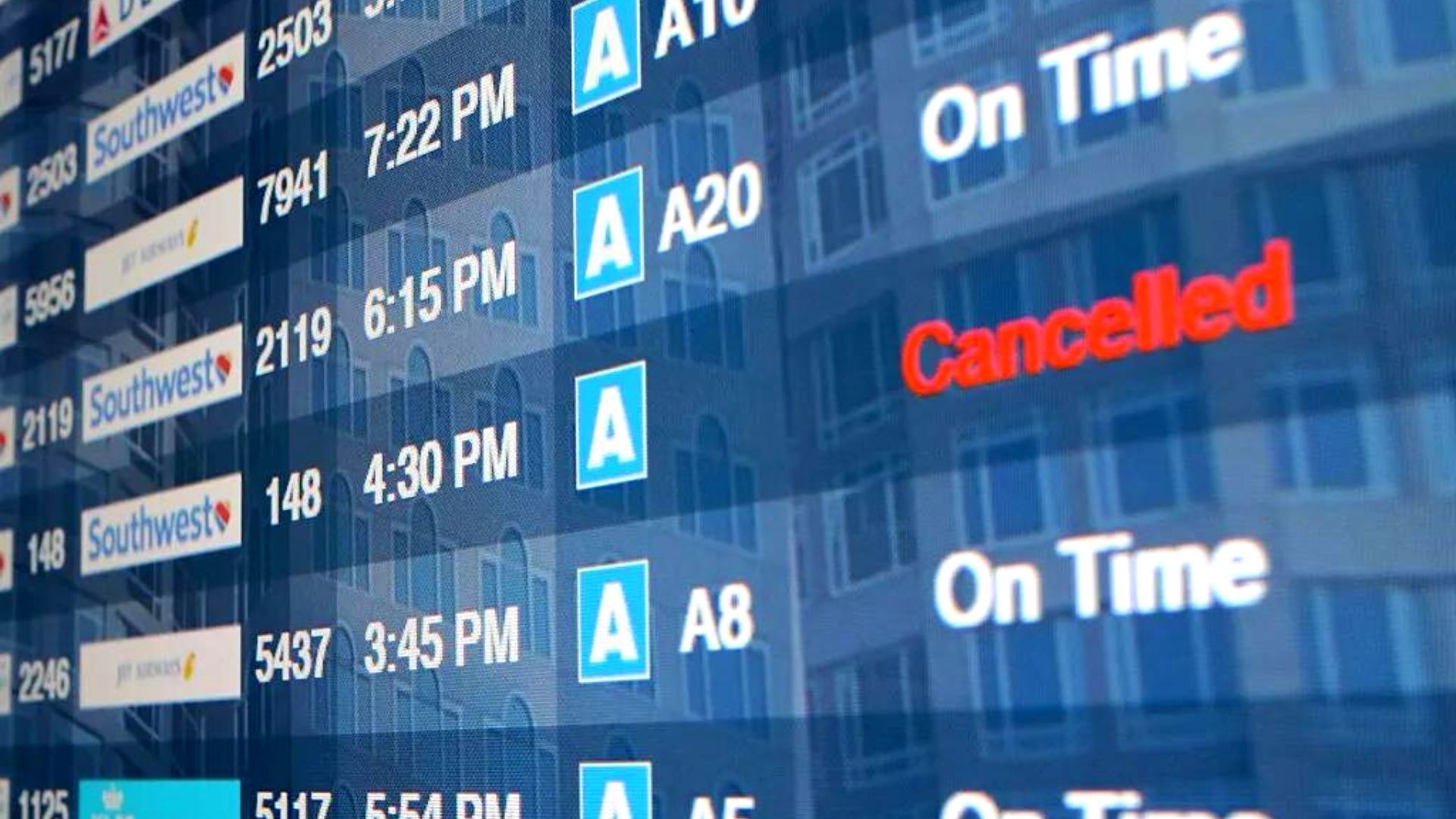
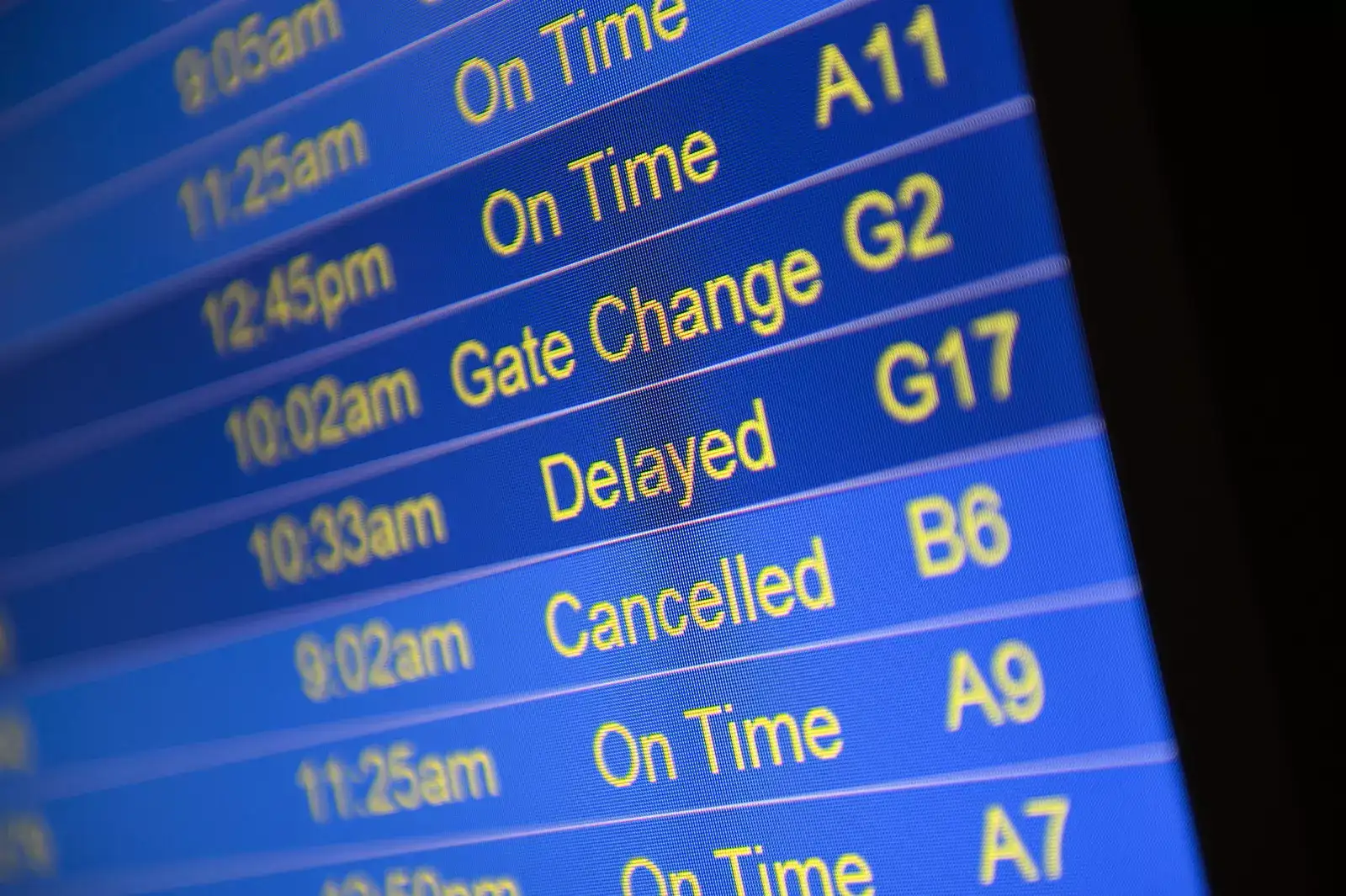
Relying solely on airport arrival and departure screens is a recipe for being stranded. Airport monitors often update only after an airline’s internal system has processed a change, which can lag by 30 to 45 minutes during peak operational stress. Effective flight monitoring requires a multi-layered approach utilizing direct airline channels and independent aviation tracking technology.
| Monitoring Source | Primary Advantage | Potential Limitation |
|---|---|---|
| Airline Mobile Apps & SMS Alerts | Direct source of official cancellations & rebooking | Can experience notification delays during surges |
| Third-Party Flight Trackers | Real-time aircraft positioning and inbound status | Does not provide direct rebooking options |
| Airport Authority Websites | Unbiased, live operational feeds for specific hubs | Lacks predictive context or crew status insights |
| Air Traffic Control Advisories | Macro-level view of regional ground stops | Highly technical; requires interpretation |
Leveraging Airline Digital Ecosystems
The most legally binding and up-to-date information comes directly from the operating carrier. Download the airline's proprietary mobile application well in advance of your trip and enable push notifications for your specific flight number. Furthermore, ensure your mobile phone number and email address are attached to your reservation record locator (PNR) so automated SMS alerts reach you instantly if a schedule modification occurs.
Cross-Referencing with Aviation Tracking Platforms
When check-in lines swell and customer service phone lines experience multi-hour hold times, third-party flight tracking applications serve as vital diagnostic tools. By entering your flight number into platforms like FlightAware, you can inspect the flight's historical punctuality, view the exact registration number of the assigned aircraft, and trace its real-time geographical path on an interactive map. If the status changes from "Scheduled" to "Delayed" with an expanding time horizon, you have early validation to begin formulating a backup plan.
Immediate Action Steps When a Cancellation Is Imminent or Confirmed
When a flight cancellation is confirmed, every second counts. Hundreds of passengers from the same cancelled flight will immediately compete for a finite number of seats on alternative routes. Remaining passive and waiting in the physical airport service line puts you at a severe disadvantage against tech-savvy travelers using digital workarounds.
Multi-Channel Rebooking Strategies
Never rely on a single method to secure a new itinerary. Execute a synchronized, multi-pronged approach to maximize your chances of getting to your destination quickly:
- Call the Airline Immediately While Waiting in Line: While standing at the gate counter or customer service desk, dial the airline's toll-free reservation line. Better yet, if you hold elite status or are calling an international support line (such as the UK or Canadian call centers for major US carriers), you will often bypass the heavily congested domestic queue.
- Utilize Self-Service Digital Portals: Open the airline's mobile app or website as soon as the cancellation notice drops. Many carriers feature automated rebooking engines that allow passengers to accept alternative itineraries or select entirely new routing without human intervention.
- Engage Customer Support via Social Media: Direct messaging platforms like X (formerly Twitter) or verified customer service chat functions are monitored by dedicated support teams who possess the same rebooking authority as phone agents, often with significantly shorter wait times.
- Ask for Interline Routing: If your operating airline cannot get you to your destination for 24 to 48 hours, politely ask the agent if they have interline agreements to place you on a competing airline's flight at no additional cost. While not legally mandated in every jurisdiction, many carriers will accommodate this during major weather waiver events.
Understanding Passenger Rights and Compensation Frameworks
Depending on your geographic jurisdiction, you may be legally entitled to specific remedies, refunds, or financial compensation when your flight is cancelled. Familiarizing yourself with these regulations before speaking with a gate agent ensures you receive the full scope of your entitlements.
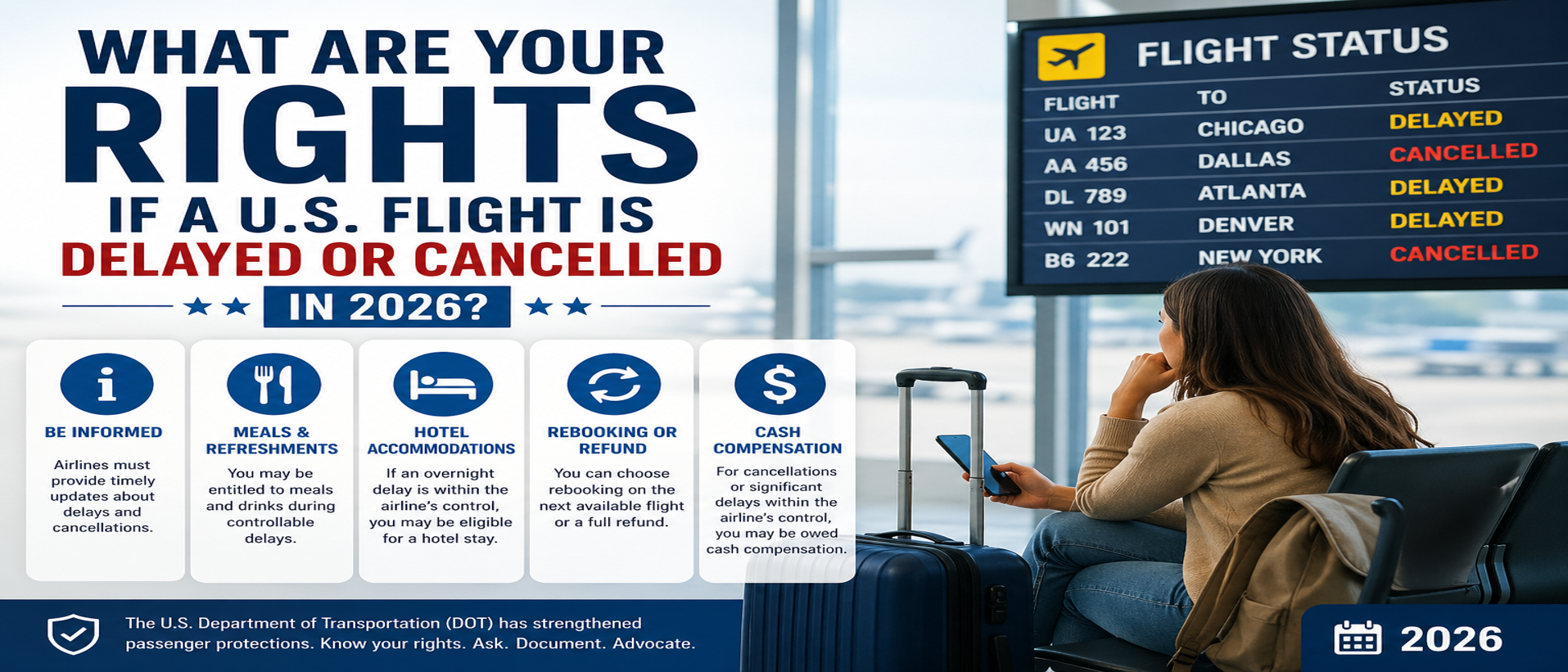
- United States Departures: Under current Department of Transportation (DOT) guidelines, if an airline cancels a flight for any reason—including weather or technical faults—and you choose not to travel, you are legally entitled to a prompt and full cash refund of the unused portion of your ticket, including ancillary fees like seat selection and baggage charges, even if you purchased a non-refundable fare. Airlines are also required to provide hotel accommodations and meal vouchers for controllable delays and cancellations, though standards vary significantly by carrier contract of carriage.
- European Union (EU261 Regulation): If your flight departs from an EU airport on any airline, or arrives at an EU airport on an EU-headquartered airline, and is cancelled fewer than 14 days before departure, you are protected by EU261. Unless the cancellation is caused by extraordinary circumstances (such as severe, unforeseeable weather or air traffic control strikes), you are entitled to a full refund or re-routing, meals, communications, hotel accommodations if an overnight stay is required, and statutory cash compensation ranging from €250 to €600 based on flight distance.
- United Kingdom (UK261 Regulation): Post-Brexit, the UK maintains a parallel regulatory framework mirroring EU261 standards, ensuring identical compensation and care rights for qualifying flights operating within UK airspace.
Frequently Asked Questions
What should I do if my flight is cancelled while I am already at the airport?
Stay calm and immediately open your airline's mobile application to check for automated rebooking options. Simultaneously, dial the airline's customer service telephone line or message their support chat to secure a representative while you approach the nearest service desk or gate agent. Do not leave the secure airside zone until your new boarding passes are securely issued, as security lines outside can be lengthy.
Am I entitled to a full cash refund if my flight is cancelled?
Yes. If an airline cancels your flight and you decide not to travel on a rescheduled itinerary, aviation regulators in major jurisdictions—including the US Department of Transportation and the European Union—mandate that you receive a full, prompt cash refund to your original form of payment, regardless of whether you purchased a basic economy or non-refundable ticket.
How far in advance do airlines typically notify passengers of cancellations?
Major schedule adjustments and cancellations are often finalized 72 hours to 14 days in advance based on systemic weather forecasts or planned maintenance. However, operational cancellations driven by sudden mechanical failures, unexpected crew shortages, or immediate severe weather events frequently occur anywhere from 2 to 6 hours before scheduled pushback.
Can I book my own alternative flight and get reimbursed by the airline?
Generally, purchasing a ticket on a competing airline without prior authorization from your original carrier will not result in a direct reimbursement, unless you are operating under specific emergency consumer protection rules or a formal airline travel waiver. Always attempt to have the original airline rebook you or issue an interline transfer endorsement before paying out-of-pocket for alternate transportation.
What is an airline contract of carriage, and why does it matter?
The contract of carriage is the legally binding agreement between you and the airline that outlines mutual obligations, baggage liability, and carrier responsibilities during delays, cancellations, and missed connections. Reviewing this document on the airline's website clarifies your specific rights regarding hotel vouchers, meal allowances, and re-routing guarantees for that specific carrier.
Next Actions for Impacted Travelers
If you suspect your flight is vulnerable to cancellation, verify your contact details in the airline reservation system right now and download a reliable flight tracking application. Should a cancellation occur, prioritize securing an alternate route digitally while utilizing phone support to accelerate your rebooking, and always request written documentation of the cancellation reason if you plan to file for statutory compensation or insurance claims.
Image Gallery