General Motors Cars: Heritage, Innovation, and Future Paths
General Motors stands as a foundational pillar of the global automotive industry, uniting a rich legacy of iconic vehicle manufacturing with a forward-looking strategy focused on electrification, autonomous technology, and software-def...
General Motors stands as a foundational pillar of the global automotive industry, uniting a rich legacy of iconic vehicle manufacturing with a forward-looking strategy focused on electrification, autonomous technology, and software-defined architectures. This comprehensive examination explores how the corporation bridges its storied past with modern engineering requirements, market shifts, and future mobility demands.
Contents
The automotive landscape is undergoing its most radical transformation since the invention of the assembly line. For General Motors (GM), this transition requires balancing the enduring appeal of its heritage nameplates with aggressive capital investments in zero-emission propulsion and digital ecosystems. Understanding this corporate trajectory involves analyzing historical milestones, current technological portfolios, manufacturing shifts, and the strategic roadmaps guiding the enterprise toward its upcoming goals.
The Foundation of an Automotive Empire
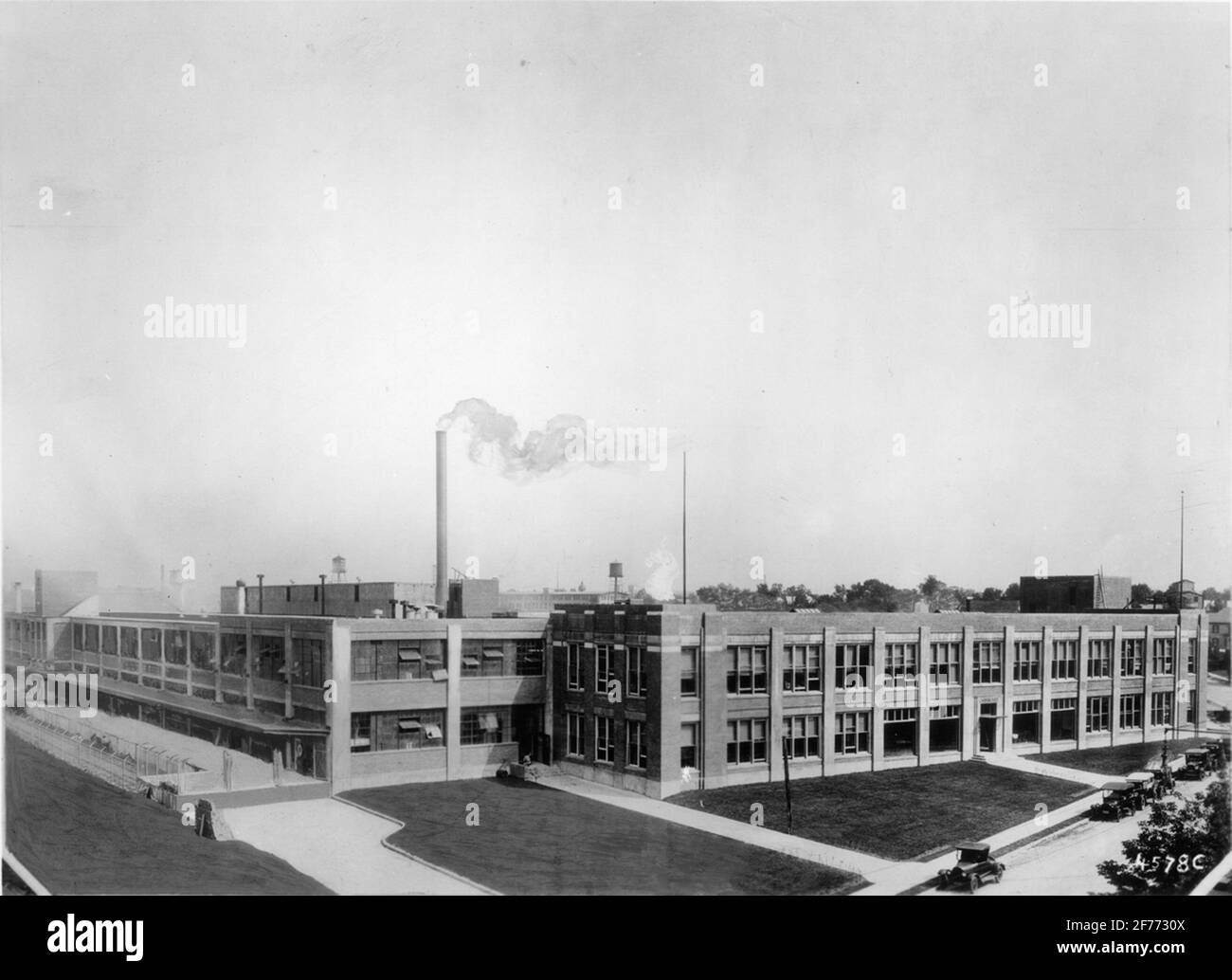
The heritage of General Motors is built on a foundation of strategic acquisitions, engineering breakthroughs, and mass-market production strategies that shaped modern personal transportation. Founded in 1908 by William C. Durant in Flint, Michigan, the company was envisioned as a holding entity that could consolidate multiple independent auto manufacturers under a single corporate umbrella.
Early Acquisitions and Brand Differentiation
Durant’s initial strategy relied on acquiring established competitors rather than building every brand from scratch. Buick joined the fold immediately, followed soon after by Oldsmaker, Cadillac, Oakland (later transformed into Pontiac), and Chevrolet.
This multi-brand architecture introduced a revolutionary concept to the automotive market: the "ladder of success." Under executive leader Alfred P. Sloan Jr. in the 1920s, GM organized its brands hierarchically. Buyers could enter the ecosystem with an affordable Chevrolet, progress through Pontiac, Oldsmobile, and Buick as their socio-economic status improved, and ultimately graduate to the luxury prestige of a Cadillac.
- Chevrolet: Focused on accessible, high-volume transportation and dependable mechanical performance.
- Pontiac: Emphasized youthful styling and performance-oriented handling during the mid-20th century.
- Oldsmobile: Served as an incubator for advanced engineering features, introducing the high-compression Rocket V8 engine in 1949 and front-wheel drive packaging with the Toronado.
- Buick: Targeted premium buyers with refined comfort, sophisticated styling, and quiet-tuning innovations.
- Cadillac: Established the benchmark for American luxury, pioneering technological milestones such as the electric self-starter and mass-produced V8 engines.
Engineering Milestones and Industrial Scaling
Beyond brand structuring, GM drove industrial engineering forward through centralized research laboratories and manufacturing standardization. The introduction of the Hydra-Matic transmission in 1939 marked the first widely produced fully automatic transmission, transforming the driving experience for millions of motorists.
During World War II, the corporation pivoted entirely to the Allied war effort, producing aircraft engines, tanks, and trucks on an unprecedented industrial scale. This manufacturing prowess allowed GM to emerge from the mid-20th century as the undisputed titan of global vehicle production, setting labor standards, shaping suburban infrastructure expansion, and influencing American industrial policy for decades.
Navigating Modern Challenges and Market Realities
The latter half of the 20th century and the early decades of the 21st century tested General Motors' resilience. Shifts in global fuel prices, rising competition from international manufacturers, changing consumer preferences, and macroeconomic volatility forced structural re-evaluations.
Restructuring and Brand Rationalization
The economic disruptions of the 2000s culminated in a historic corporate restructuring in 2009. To secure long-term viability, GM underwent a court-supervised reorganization that streamlined its operations. This process required difficult decisions, including the discontinuation of historic brands like Pontiac, Oldsmobile, Saturn, and Hummer (though the latter was later revived as an electric truck sub-brand under GMC).
By shedding underperforming assets and focusing resources on core nameplates—Chevrolet, GMC, Buick, and Cadillac—the company recalibrated its balance sheet. This leaner corporate structure paved the way for reinvesting heavily in research and development, shifting focus toward clean energy, digital user interfaces, and advanced safety systems.
The Technological Pivot: Electrification and Software
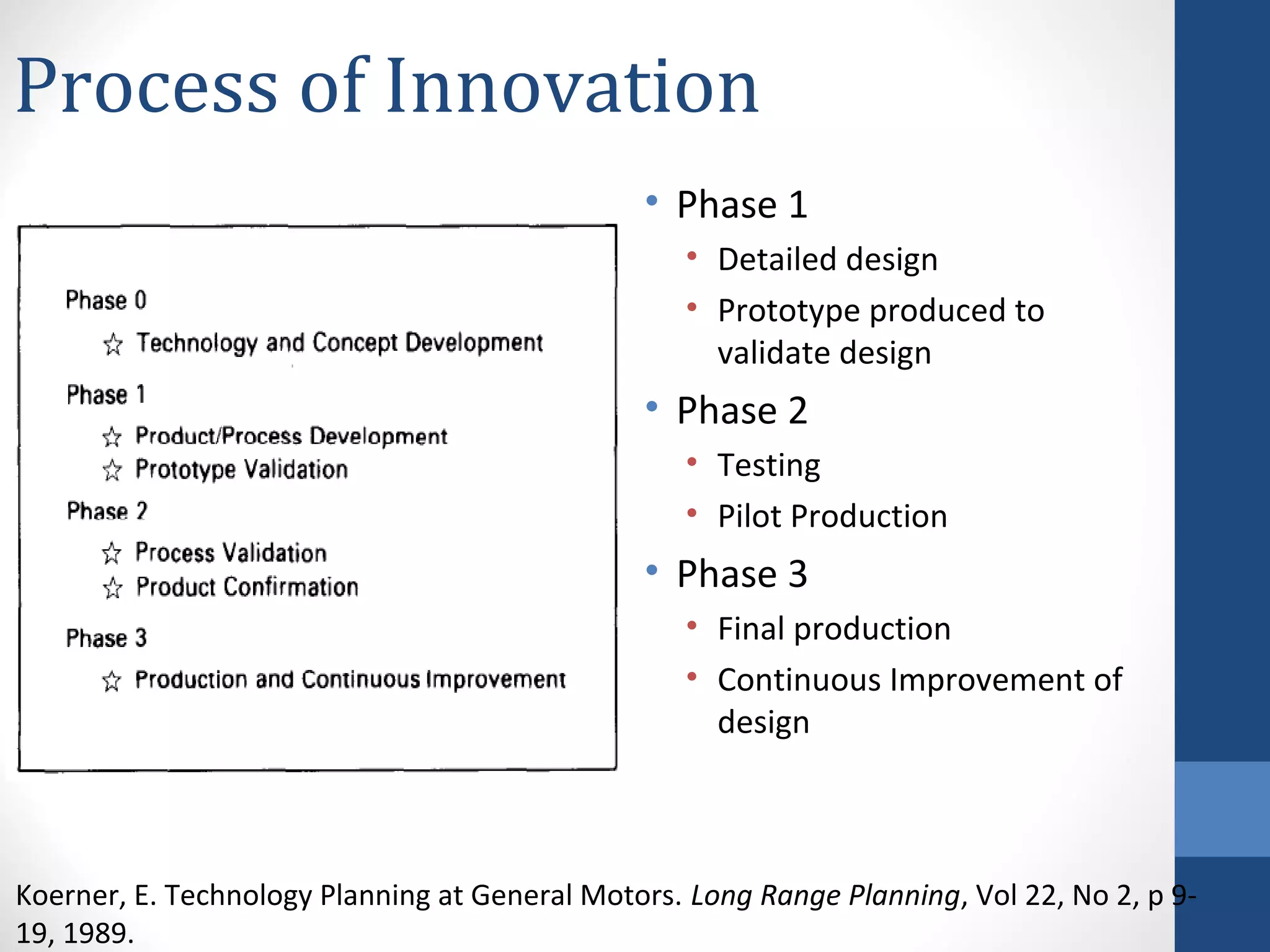
Entering the modern era, GM committed heavily to a zero-emissions future, anchored by proprietary technological innovations designed to scale electric vehicle (EV) production efficiently across its remaining brand portfolio.
The Ultium Platform Architecture
At the core of GM's modern vehicle strategy is the Ultium battery and drive system architecture. Introduced to provide modular flexibility, the Ultium platform can accommodate various vehicle types, from compact commuter cars and performance crossovers to heavy-duty pickup trucks and commercial vans.
| Feature / Metric | Ultium Platform Capabilities | Traditional EV Architecture |
|---|---|---|
| Battery Cell Orientation | Vertically or horizontally stacked pouch cells | Fixed cylindrical or prismatic configurations |
| Wiring Reduction | Up to 80% reduction in pack-level wiring | Extensive dedicated wiring harnesses |
| Chemical Composition | Nickel-Cobalt-Manganese-Aluminum (NCMA) | Varies widely by supplier and model |
| Scalability | Modular blocks supporting 50 kWh to 200+ kWh | Custom engineering required for each vehicle size |
By standardizing the underlying battery chemistry and motor components while altering exterior dimensions and software parameters, GM reduced manufacturing complexity and battery production costs.
Software-Defined Vehicles and Advanced Driver Assistance
Vehicles are increasingly defined by their software ecosystems rather than solely by their mechanical components. GM integrated the Ultifi software platform to manage vehicle features, over-the-air (OTA) updates, and digital subscription services securely.
Parallel to software integration is the evolution of advanced driver assistance systems (ADAS). Super Cruise, GM's hands-free driving assistance technology, allows drivers to operate vehicles without manual steering input on hundreds of thousands of miles of compatible divided highways in the United States and Canada. Utilizing high-definition LiDAR mapping data, global positioning systems, and an infrared driver attention system, Super Cruise exemplifies the intersection of safety and autonomous navigation research.
Future Paths and Strategic Mobility Horizons
Looking toward the future, General Motors is positioning itself not merely as an automaker, but as an integrated mobility and energy management solutions provider.
Commercial Ventures and Autonomous Fleets
The corporation's forward-looking strategy includes investments in commercial delivery vehicles through BrightDrop, an ecosystem designed to optimize the delivery of goods through electric vans and smart-loading software. Furthermore, autonomous vehicle development through majority-owned subsidiaries like Cruise underscores GM's ambitions in ride-sharing and urban mobility infrastructure.
Energy Storage and Grid Integration
As electric vehicle adoption expands, GM is developing vehicle-to-home (V2H) and vehicle-to-grid (V2G) bidirectional charging capabilities. These systems allow Ultium-based vehicles to supply emergency power to residential homes during grid outages or interact dynamically with electrical utility grids, transforming automobiles into mobile energy assets.
Summary Comparison of Eras
To synthesize the trajectory of General Motors, the following overview contrasts its foundational era with its contemporary operations:
- 1908–1950s (Foundational Heritage): Focused on brand segmentation, mass-market internal combustion engine scaling, and establishing the modern corporate multi-brand paradigm.
- 1960s–2000s (Industrial Maturity & Volatility): Marked by peak production volumes, safety and emissions regulatory compliance adaptations, and subsequent corporate restructuring.
- 2010s–Present (Modern Transition & Electrification): Characterized by streamlined brand portfolios, proprietary Ultium EV architecture deployment, and software-defined vehicle integration.
Frequently Asked Questions
What are the core automotive brands currently operated by General Motors?
General Motors primarily manufactures and distributes vehicles under four core brands in North America: Chevrolet, GMC, Buick, and Cadillac. Each brand targets distinct consumer segments, ranging from mainstream trucks and SUVs to premium luxury and high-performance electric vehicles.
How does the Ultium platform work in GM electric cars?
The Ultium platform is a modular battery and electric drive system. It utilizes large-format pouch cells that can be arranged vertically or horizontally within the battery pack. This flexibility allows engineers to scale battery capacity, voltage, and physical dimensions to fit everything from small passenger cars to large commercial trucks without redesigning the core propulsion chemistry.
What is the difference between standard cruise control and GM's Super Cruise?
Standard cruise control maintains a set vehicle speed. Adaptive cruise control adjusts speed based on traffic flow. GM's Super Cruise is an advanced hands-free driving assistance technology that manages steering, braking, and lane centering on compatible mapped highways while monitoring driver attentiveness via an infrared camera system.
Can older GM electric vehicles receive over-the-air software updates?
Over-the-air (OTA) software update capabilities depend heavily on the vehicle's electrical and software architecture. Newer models equipped with advanced electronic platforms and the Ultifi system support robust OTA updates for infotainment, vehicle performance tuning, and diagnostic functions. Older legacy models may have more limited remote update capabilities.
What is the strategic purpose of GM's BrightDrop division?
BrightDrop was established to provide electric commercial delivery vehicles and software solutions to logistics companies. By addressing fleet electrification and parcel delivery efficiency, GM targets the growing business-to-business zero-emissions transportation market.
Conclusion and Next Actions
General Motors continues to navigate the complex balance between honoring a century-old industrial legacy and pioneering next-generation automotive technologies. For consumers, fleet operators, and industry analysts, understanding this evolution requires tracking how successfully the company scales its Ultium vehicle lineup, expands software subscription models, and delivers on its zero-emissions manufacturing targets. Review official manufacturer specifications and localized dealer inventories when evaluating current vehicle options to match specific transportation and technological requirements.
Image Gallery