Keurig Caffeine Content Explained
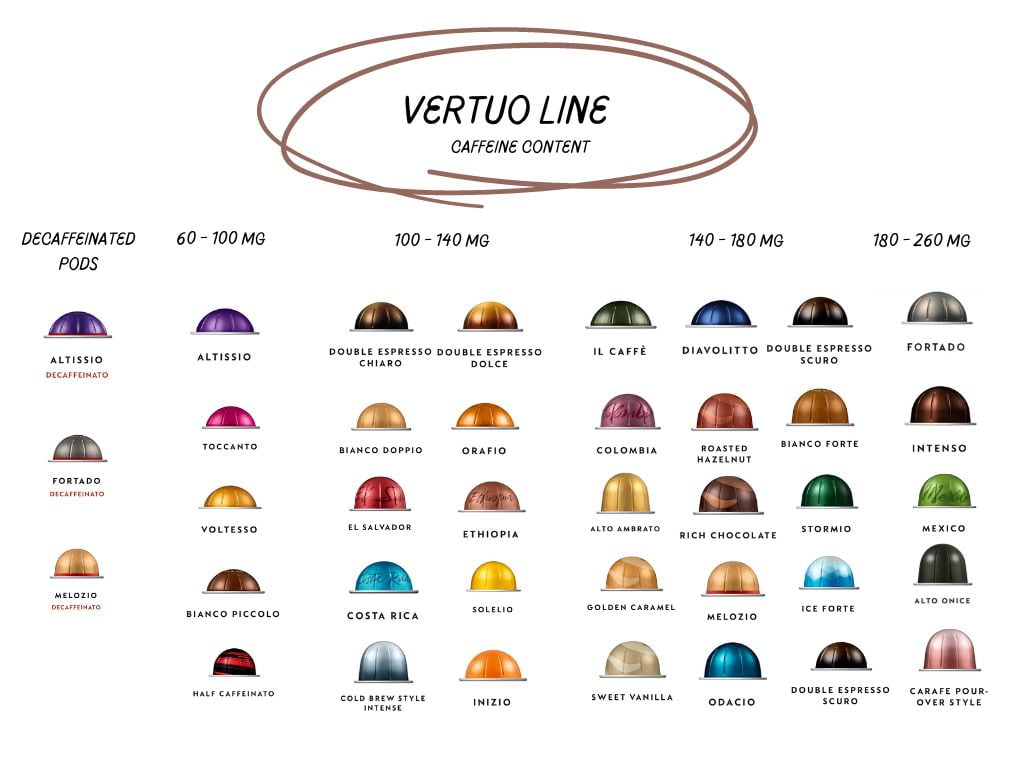
A standard 8-ounce cup of Keurig brewed coffee typically contains between 75 and 150 milligrams of caffeine, varying heavily based on the specific coffee bean roast, pod brand, and brew size selected. While a regular cup of drip coffee...
A standard 8-ounce cup of Keurig brewed coffee typically contains between 75 and 150 milligrams of caffeine, varying heavily based on the specific coffee bean roast, pod brand, and brew size selected. While a regular cup of drip coffee averages about 96 milligrams per 8 ounces, single-serve pod brewing systems introduce distinct variables in extraction time and coffee-to-water ratios.
Contents
Understanding the precise caffeine content in your morning cup involves navigating various pod brands, machine settings, and bean species. Unlike traditional drip makers where you control the precise amount of coffee grounds used per pot, Keurig pod systems rely on pre-measured capsules. Knowing how these systems extract caffeine allows you to manage your daily intake effectively, whether you are trying to maximize your morning alertness or taper off your consumption later in the day.
The Mechanics of Single-Serve Extraction and Caffeine Yields
The amount of caffeine extracted from a Keurig pod depends directly on how water interacts with the coffee grounds inside the cup. Unlike espresso machines that use high pressure or immersion brewers like a French press that allow long steeping times, Keurig machines puncture the top and bottom of a plastic pod and force hot water through the grounds under low pressure in a matter of seconds.
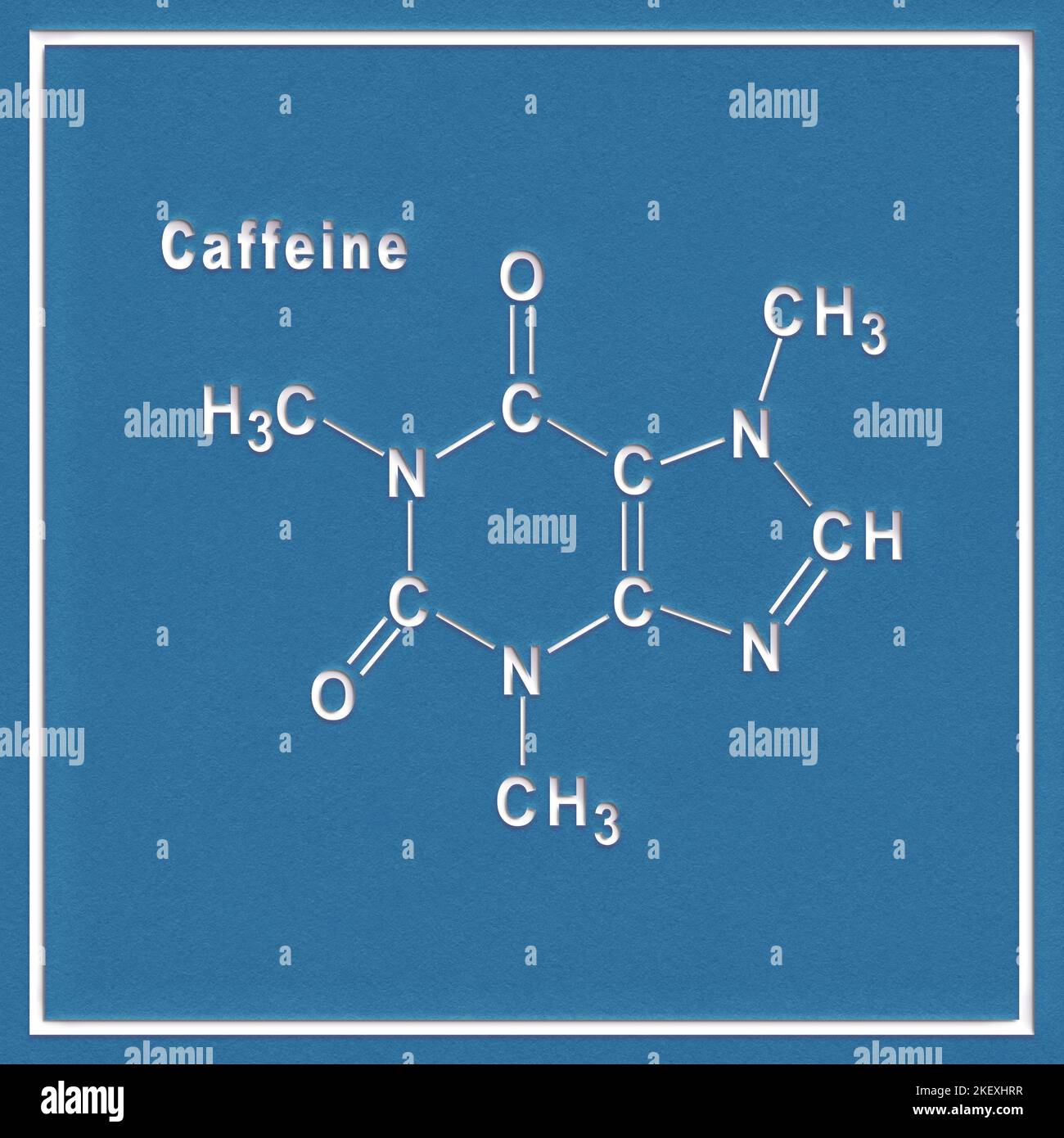
This rapid extraction process generally extracts a high percentage of the available caffeine quickly, but the ultimate yield is bound by the mass of coffee inside the pod. Standard Keurig K-Cup pods contain approximately 9 to 12 grams of coffee grounds. According to standard food science calculations, 1 gram of Arabica coffee contains roughly 10 to 12 milligrams of caffeine, while Robusta coffee contains nearly double that amount, roughly 20 to 22 milligrams per gram.
Consequently, a pod filled exclusively with light-roast Arabica beans will yield a predictable baseline of caffeine, constrained entirely by the physical volume of coffee that can fit inside a standard pod container.
Key Factors Influencing Keurig Caffeine Levels
Several operational and biological variables dictate the final caffeine concentration in your mug. Recognizing these factors prevents common misconceptions regarding roast types, cup sizes, and brewing parameters.
Roast Type: Light versus Dark Roasts
A widespread myth is that dark roast coffee contains significantly more caffeine than light roast because of its bolder flavor and stronger taste profile. In reality, the roasting process burns off moisture and slightly shrinks the coffee bean, but the actual caffeine molecule is remarkably stable under standard roasting temperatures.
Light roasts are denser because they undergo less roasting time, meaning a scoop of light roast beans actually contains slightly more mass—and thus slightly more caffeine—than an equivalent volume of dark roast beans. However, when measured by weight rather than volume, light and dark roasts contain nearly identical amounts of caffeine.
Cup Size Selection on the Machine
The most controllable variable affecting your caffeine intake is the cup size button you select on your Keurig brewer. Keurig machines typically offer multiple sizing options, such as 6 oz, 8 oz, 10 oz, and 12 oz.
When you select a smaller cup size, the machine pushes less water through the exact same pod. This results in a more concentrated beverage with a higher total caffeine concentration per ounce. Conversely, selecting a 12-oz or 10-oz size passes more hot water through the spent grounds, diluting the remaining caffeine and resulting in a weaker cup with lower caffeine concentration per ounce, even though you are consuming a larger total fluid volume.
Coffee Bean Varieties: Arabica versus Robusta
The botanical species of the coffee plant used in the pod plays a major role in caffeine output. Major commercial roasters primarily use Coffea arabica for its superior flavor profile, which yields moderate caffeine levels. However, specialty pods, espresso-style pods, or extra-strength formulations frequently incorporate Coffea canephora (Robusta) beans. Because Robusta plants evolved a higher natural defense mechanism against pests in the form of elevated caffeine, pods containing Robusta blends will deliver a substantially higher caffeine jolt.
Caffeine Content Comparison Across Common Pod Types
To help contextualize your daily intake, the following table breaks down estimated caffeine ranges across various popular Keurig-compatible beverage categories based on standard 8-ounce brewing parameters.
| Beverage Type | Typical Pod Coffee Mass | Average Caffeine Content (8 oz) | Primary Bean Composition |
|---|---|---|---|
| Standard Light Roast K-Cup | 10 – 12 grams | 100 – 150 mg | 100% Arabica |
| Standard Dark Roast K-Cup | 10 – 12 grams | 75 – 120 mg | 100% Arabica |
| Extra Bold / High-Caffeine Pod | 12 – 14 grams | 140 – 200+ mg | Arabica / Robusta Blend |
| Decaffeinated K-Cup | 10 – 12 grams | 2 – 7 mg | Decaffeinated Arabica |
| Flavored K-Cup (Hazelnut, Vanilla) | 10 – 11 grams | 75 – 110 mg | Arabica (plus flavor oils) |
| Tea Pods (Black Tea) | Varies | 40 – 70 mg | Camellia sinensis |
| Hot Cocoa Pods | Varies | 5 – 15 mg | Cocoa solids (natural trace) |
Note: Individual results vary based on specific manufacturing tolerances, water temperature, and machine performance. Always check manufacturer packaging for exact declarations when available.
Comparing Keurig Coffee to Other Brewing Methods
Consumers frequently wonder how single-serve machine output compares to traditional drip coffee makers, cold brew concentrates, and espresso shots. While a standard drip machine allows you to pack a filter basket with varying amounts of loose grounds, a Keurig pod's capacity is strictly limited by physical geometry.
Traditional drip coffee makers often brew larger batches where users scoop generous amounts of grounds, frequently pushing caffeine levels past 120 to 150 milligrams per 8-ounce cup. Espresso drinks, while intensely concentrated in flavor, actually contain less caffeine per single shot (roughly 63 milligrams per 1-ounce shot) than a standard cup of drip or Keurig coffee, simply because the total liquid volume consumed is so small.
Cold brew coffee, conversely, often uses a much higher coffee-to-water ratio and prolonged steeping times, resulting in significantly higher caffeine concentrations per serving than a standard single-serve pod.
Managing Daily Caffeine Intake and Health Considerations
The U.S. Food and Drug Administration (FDA) cites 400 milligrams of caffeine per day—roughly four to five cups of standard brewed coffee—as an amount not generally associated with dangerous, negative health effects for healthy adults. However, individual sensitivities vary wildly based on genetics, body weight, regular tolerance levels, and underlying medical conditions such as anxiety or hypertension.
If you enjoy multiple cups of Keurig coffee throughout the day, tracking your pod selection is crucial. Consuming three cups of an "Extra Bold" or high-caffeine pod can easily push your daily intake past 500 or 600 milligrams, leading to side effects such as jitters, elevated heart rate, insomnia, and digestive discomfort.
Pregnant or nursing individuals, as well as individuals managing specific cardiovascular conditions, should consult healthcare professionals regarding safe daily caffeine thresholds and consider transitioning to Swiss Water Process decaffeinated K-Cup options, which typically retain less than 5 milligrams of caffeine per cup.
Frequently Asked Questions
Do Keurig light roast pods have more caffeine than dark roasts?
Yes, generally speaking, light roast pods contain slightly more caffeine by volume because the beans are denser and less roasted away than dark roast beans. However, the difference is relatively minor and varies by specific brand formulation.
Can I reuse a Keurig pod to get a second cup of coffee?
Reusing a K-Cup pod is not recommended. The vast majority of the soluble caffeine, flavor compounds, and oils are extracted during the initial brew cycle. Running a second cycle through the same pod results in a watery, bitter beverage that extracts unpleasant wood tannins rather than meaningful caffeine.
How much caffeine is in a decaf Keurig pod?
Decaffeinated K-Cup pods are not entirely caffeine-free, though they contain very little. An 8-ounce cup of decaf Keurig coffee typically contains between 2 and 7 milligrams of caffeine, depending on the decaffeination method used by the manufacturer.
Why do some Keurig pods say "Extra Bold"?
The "Extra Bold" label indicates that the pod contains a higher mass of coffee grounds—often up to 30% more coffee packed into the plastic capsule—resulting in a stronger flavor profile and a higher total caffeine yield per cup.
Does brewing on a smaller cup size increase caffeine?
Selecting a smaller cup size (such as 6 oz instead of 10 oz) increases the caffeine concentration per ounce because the same amount of extracted caffeine is dissolved in a smaller volume of water.
Practical Next Steps for Coffee Drinkers
To optimize your daily routine, check the labeling on your preferred K-Cup boxes to identify whether they use high-caffeine bean blends or standard Arabica roasts. If you monitor your caffeine intake closely for health reasons, balance your morning cup with decaffeinated or herbal options later in the day, and adjust your machine's cup-size settings to match your desired strength and alertness goals.
Image Gallery