Navigating Metro Capital Urban Mobility in Detroit
Urban mobility in Detroit centers on integrating legacy automotive infrastructure with modern, multi-modal transit networks, capital investments, and technological innovation. This comprehensive review examines the current state of tra...
Urban mobility in Detroit centers on integrating legacy automotive infrastructure with modern, multi-modal transit networks, capital investments, and technological innovation. This comprehensive review examines the current state of transport systems, regional transit funding, key infrastructure projects, and the operational challenges facing commuters and city planners in Southeast Michigan.
Contents
The Evolution of Urban Mobility in Detroit
Detroit’s identity as the automotive capital of the world has profoundly shaped its physical layout, economic development, and transportation architecture. For decades, the city's mobility framework prioritized personal automobile ownership, resulting in an expansive highway network and extensive suburban sprawl. However, the twenty-first century has introduced a paradigm shift toward sustainable, accessible, and technology-driven urban mobility.
City planners, regional authorities, and private investors now focus on multi-modal integration. This transition involves weaving together traditional bus lines, light rail, micro-mobility options like shared electric scooters, and connected vehicle technology. Urban mobility in Detroit is no longer just about moving cars faster; it is about creating an interconnected ecosystem that serves residents, commuters, and visitors efficiently, regardless of whether they own a personal vehicle.
Capital investment plays a vital role in this transformation. Federal grants, municipal bonds, and private-public partnerships provide the financial foundation necessary to upgrade aging infrastructure and deploy advanced transit solutions. Understanding how these capital streams interact with everyday transit operations is essential for grasping the future trajectory of Michigan’s largest metropolitan area.
Key Transit Systems and Infrastructure Components
The urban mobility landscape in Detroit comprises several distinct yet interconnected systems operated by various public and private entities. Each component serves a specific geographic or functional niche within the broader metropolitan area.
Public Bus Networks
The primary backbone of public transit within the city limits is operated by the Detroit Department of Transportation (DDOT), which manages fixed-route bus services. Connecting the city to its surrounding suburbs is the Suburban Mobility Authority for Regional Transportation (SMART). Coordinating schedules, fare structures, and transfer protocols between DDOT and SMART has historically presented operational challenges, though regional collaboration efforts continue to streamline the rider experience.
Rapid Transit and Rail
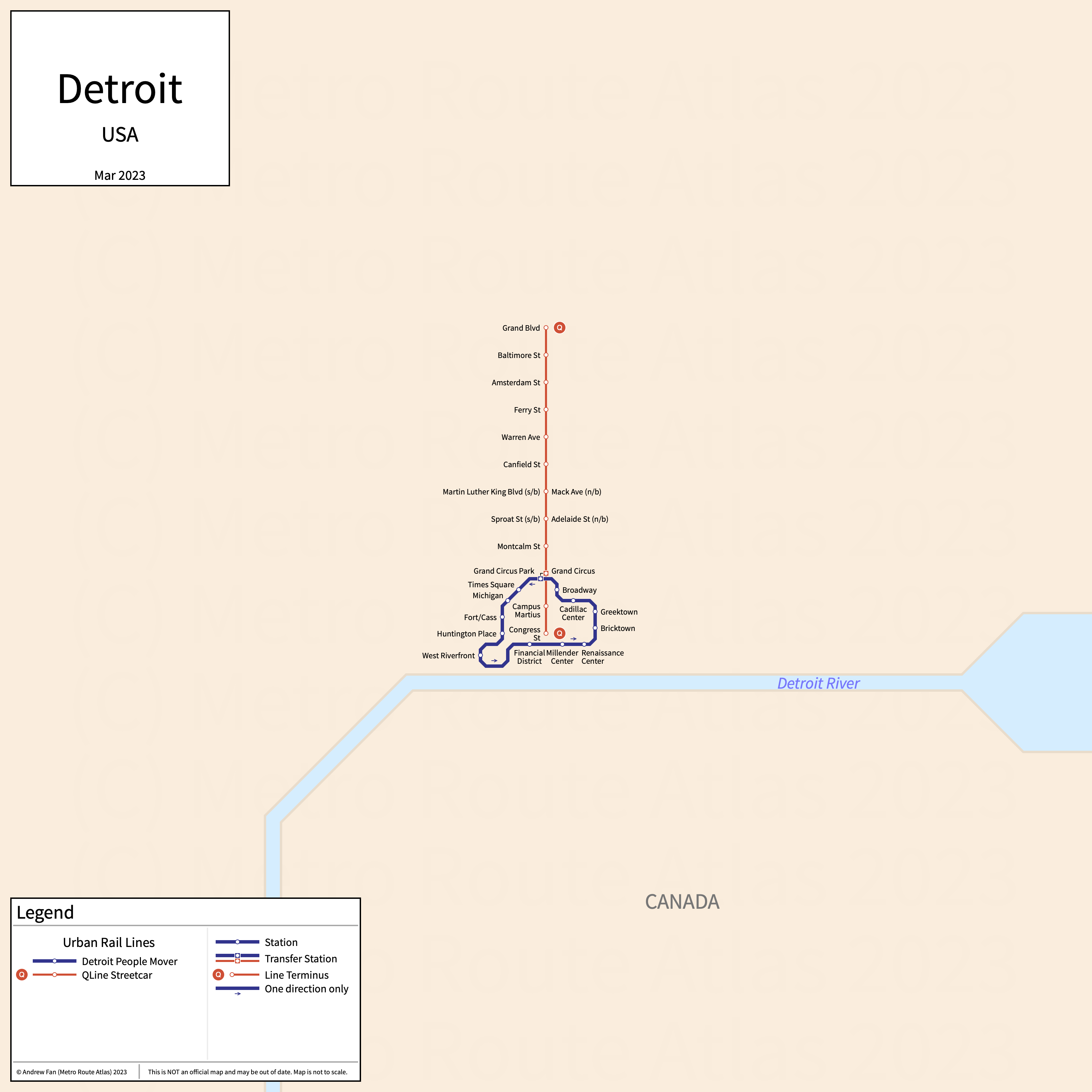
Rail transport in downtown Detroit features the QLine, a 3.3-mile modern streetcar line operating along Woodward Avenue from downtown to the New Center area. Funded largely through philanthropic and private capital contributions alongside federal grants, the QLine serves as a vital circulator for major employment, entertainment, and residential hubs. Additionally, the Detroit People Mover provides an elevated, automated loop around the central business district, primarily serving tourists, office workers, and event attendees.
Micro-Mobility and Active Transportation
Dockless electric scooters and bicycles, operated by private companies such as Lime and Spin, have transformed first-and-last-mile connectivity in Detroit. These services complement the city's expanding network of protected bike lanes and greenways, most notably the Detroit Riverfront and the Joe Louis Greenway. These non-motorized pathways offer recreational benefits while serving as legitimate commuter corridors for urban residents.
| Transit Mode | Primary Operator / Provider | Service Area | Core Purpose |
|---|---|---|---|
| DDOT | City of Detroit | Detroit City Limits | High-frequency municipal bus transit |
| SMART | Regional Authority | Wayne, Oakland, Macomb Counties | Suburban-to-urban commuter connections |
| QLine | M-1 Rail (Nonprofit) | Woodward Avenue Corridor | Local urban circulator and development catalyst |
| People Mover | Detroit Transportation Corporation | Downtown Loop | High-density downtown transport |
| Micro-Mobility | Private Vendors (Lime, Spin) | Select Urban Districts | First-and-last-mile connectivity |
Capital Investment and Funding Mechanisms
Financing urban mobility in a legacy industrial city requires a complex blend of federal grants, state transportation funds, local tax revenues, and private capital. The Infrastructure Investment and Jobs Act (IIJA) has provided critical capital injections for regional transit authorities to replace aging vehicle fleets, upgrade maintenance facilities, and expand ADA-compliant infrastructure.
Private capital has also taken an active role, particularly in downtown and Midtown Detroit. Real estate developers, corporate anchors, and philanthropic organizations frequently co-invest in transit enhancements to increase property values and attract talent. For example, private contributions were instrumental in launching the QLine and supporting the ongoing expansion of the Joe Louis Greenway.
However, structural funding challenges persist. State-level revenue sharing formulas and constitutional restrictions on fuel tax allocations often limit the amount of discretionary capital available for public transit expansion compared to highway maintenance. Consequently, regional transit authorities must carefully prioritize capital expenditures to maximize rider impact and operational sustainability.
Technological Innovation and Connected Vehicles
Detroit remains a global epicenter for automotive research and development, a status that directly influences its urban mobility strategy. The city and its surrounding region serve as a living laboratory for connected and automated vehicle (CAV) testing.
Initiatives like the Michigan Department of Transportation's (MDOT) deployment of intelligent transportation systems (ITS) utilize roadside sensors, fiber-optic communication networks, and vehicle-to-infrastructure (V2I) technology to optimize traffic signal timing and enhance safety. These technologies reduce congestion, minimize idling emissions, and provide real-time data feeds to transit operators and independent navigation applications.
Furthermore, mobility-as-a-service (MaaS) platforms are emerging to integrate disparate transit options into single digital interfaces. These platforms allow users to plan, book, and pay for multi-modal trips—combining a SMART bus, a QLine ride, and a shared scooter—through a unified smartphone application, reducing friction in daily commuting.
Operational Challenges and Equity Considerations
Despite significant capital investments and technological advancements, urban mobility in Detroit faces notable operational hurdles and equity concerns.
Regional Connectivity Gaps
Historically, political fragmentation between Detroit and its surrounding suburban counties has hindered the creation of a unified regional transit authority with dedicated funding. While inter-agency cooperation between DDOT and SMART has improved, gaps in late-night service, weekend frequency, and cross-county routes continue to challenge workers who live in the city and commute to suburban job centers, or vice versa.
Infrastructure Maintenance
Severe Midwestern weather cycles—characterized by freeze-thaw patterns, heavy snowfall, and road salt usage—accelerate the degradation of pavement, rail tracks, and bus fleets. Maintaining state-of-good-repair budgets consumes a substantial portion of operating revenue, leaving fewer resources for network expansion.
Mobility Equity
Access to reliable transportation is directly linked to economic mobility. Disparities in transit access can limit employment opportunities, healthcare access, and educational attainment for lower-income residents living in transit-dependent neighborhoods. Planners increasingly prioritize equity metrics when allocating capital funds, ensuring that historically underserved communities receive adequate transit investments.
Frequently Asked Questions
What public transit options are available in downtown Detroit?
Downtown Detroit offers the QLine streetcar along Woodward Avenue, the elevated Detroit People Mover loop, and extensive DDOT bus coverage. Additionally, private micro-mobility services such as electric scooters and ride-sharing networks operate throughout the central business district.
How is urban mobility in Detroit funded?
Funding comes from a combination of federal transportation grants, state motor vehicle and fuel taxes, local municipal budgets, and private-philanthropic investments. Federal infrastructure legislation provides primary capital for fleet upgrades and major construction projects.
Can I use a single fare card for all transit in Detroit?
While integration has improved, DDOT, SMART, and the QLine generally maintain separate ticketing systems, though regional contactless payment initiatives and mobile apps are increasingly bridging these gaps to allow smoother multi-modal transfers.
What is the role of connected vehicle technology in Detroit's transit plans?
Connected vehicle technology utilizes vehicle-to-infrastructure (V2I) communication, roadside sensors, and intelligent traffic management systems to optimize signal timing, reduce congestion, improve safety, and support autonomous vehicle testing across the metro area.
How do suburban and city transit services coordinate in Southeast Michigan?
City routes within Detroit are managed primarily by DDOT, while suburban routes extending into Wayne, Oakland, and Macomb counties are operated by SMART. Both agencies coordinate on regional transfer hubs and joint fare policies to facilitate regional commutes.
Next Actions for Commuters and Planners
For daily commuters, navigating metro capital urban mobility in Detroit requires utilizing real-time transit tracking applications, familiarizing oneself with multi-agency transfer points, and exploring alternative micro-mobility corridors. Checking official updates from DDOT, SMART, and the QLine before traveling ensures awareness of schedule changes or capital construction projects.
For urban planners, engineers, and policymakers, the focus moving forward must remain on strengthening regional governance structures, securing sustainable long-term funding streams, and prioritizing equity in every infrastructure deployment. By bridging the gap between legacy automotive dominance and modern multi-modal transit, Detroit can continue to build a resilient, accessible, and forward-looking mobility ecosystem.
Image Gallery