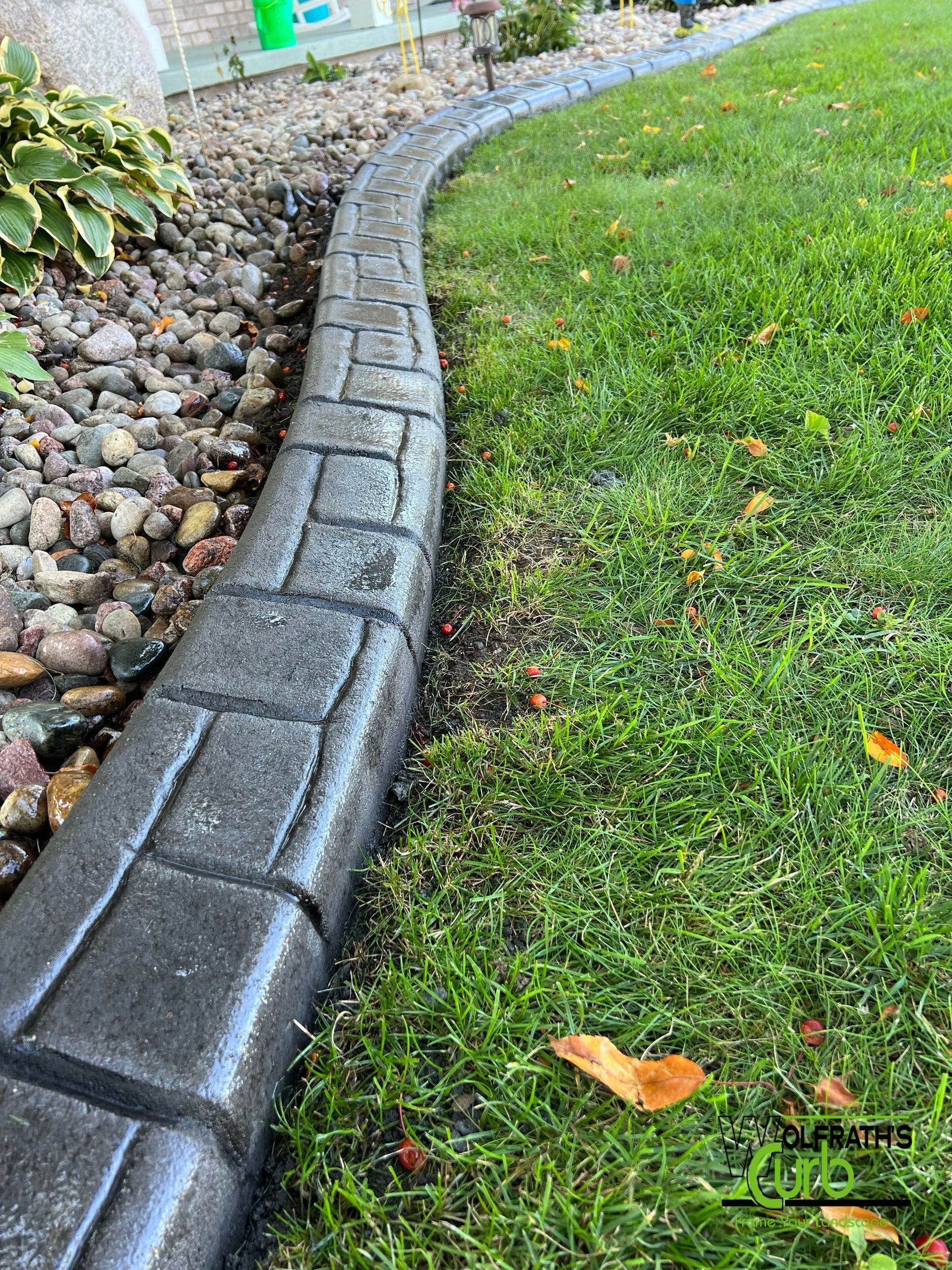
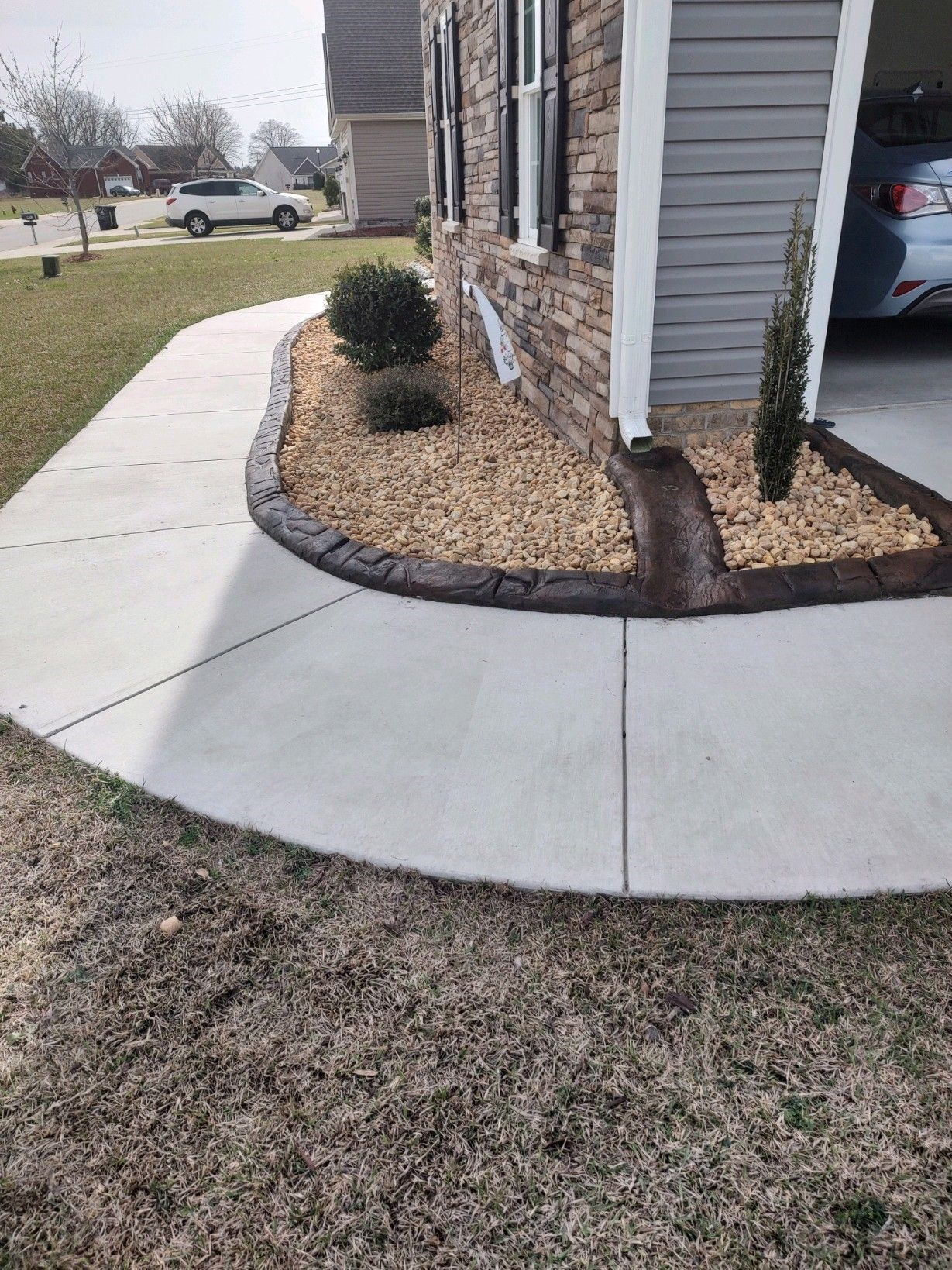
A Comprehensive Guide to Understanding the Types of Concrete Curb
Concrete curbing serves as the critical transition point between pedestrian walkways, landscaped areas, and vehicular roadways. By defining boundaries, managing water runoff, and protecting green spaces from tire damage, various types...
Concrete curbing serves as the critical transition point between pedestrian walkways, landscaped areas, and vehicular roadways. By defining boundaries, managing water runoff, and protecting green spaces from tire damage, various types of concrete curbs are engineered to meet specific traffic volume, safety, and aesthetic requirements. Understanding these types ensures that municipal projects, commercial developments, and private construction meet essential structural and drainage standards.
Contents
The Role and Function of Concrete Curbing
Concrete curbs are more than mere aesthetics; they are functional components of civil infrastructure. Their primary purpose is to provide structural support for the pavement edge, preventing lateral spreading and base failure. Furthermore, curbs act as a guide for stormwater runoff, directing flow toward catch basins and preventing soil erosion in adjacent landscapes. In urban planning, they serve the vital role of physical separation, alerting drivers to the edge of the road and providing a defensive barrier that protects pedestrians on sidewalks.
The selection of a specific curb type depends heavily on the project’s geography, the expected weight of traffic, and local municipal codes. Engineers must balance the need for durability—often requiring high-strength, air-entrained concrete to resist freeze-thaw cycles—with the need for accessibility, such as curb cuts for ADA (Americans with Disabilities Act) compliance.
Classification by Profile and Shape
The profile of a curb refers to its cross-sectional geometry. These shapes dictate how vehicles interact with the curb and how water is managed.
Vertical Curbs (Barrier Curbs)
Vertical, or barrier, curbs are designed with a steep or perpendicular face. These are typically used in areas where traffic speed is lower, and there is a high need for pedestrian protection. Because the face is nearly vertical, these curbs are difficult for vehicles to mount, making them ideal for high-traffic zones, bridge perimeters, and locations where vehicle encroachment into pedestrian space could be catastrophic.
Sloped Curbs (Mountable Curbs)
Sloped or mountable curbs are designed with an angled face. They are frequently found in residential driveways or areas where the occasional encroachment by a vehicle is expected or acceptable. The gentle angle allows tires to ride up the curb without causing significant damage to the wheel rim or the suspension of the vehicle. These are often preferred in suburban street design to create a sense of openness while still providing a clear delineation for water management.
Rolled or Semi-Mountable Curbs
Rolled curbs feature a concave transition from the gutter to the top of the curb. This design is highly effective for residential street drainage, as it is easier to clean and allows for smooth transitions for residents pulling into driveways. However, they offer less structural deterrence than vertical curbs and should be avoided in areas where high-speed traffic or heavy-duty freight vehicles are present.
Construction Methodologies
Beyond the shape, the method of installation—specifically whether the curb is cast-in-place or precast—significantly impacts performance and cost.
- Cast-in-Place (Extruded or Formed): This is the most common method for long runs of curbing. A specialized slip-form paving machine extrudes a continuous section of concrete along the edge of the pavement. This method is highly efficient for large-scale infrastructure projects because it eliminates joints, creating a seamless, robust barrier.
- Precast Concrete Curbs: These are manufactured off-site and transported to the project location. They are typically installed in shorter segments. Precast units offer high quality-control standards regarding concrete density and strength, but they require precise sub-base preparation to ensure the segments align perfectly and remain level over time.
Comparison of Curb Profiles
| Curb Type | Profile Geometry | Primary Application | Ease of Access |
|---|---|---|---|
| Vertical | 90° or near-vertical face | High-traffic, safety-critical | Low (Barrier) |
| Sloped | 45° to 60° angle face | Residential, driveways | Moderate |
| Rolled | Concave/Rounded | Residential, light traffic | High |
| Header | Flush with pavement | Landscaping separation | Very High |
Essential Considerations for Curb Installation
When planning for concrete curbing, contractors and municipal developers must account for several technical variables to ensure longevity and regulatory compliance.
Subgrade and Base Preparation
The longevity of a concrete curb is entirely dependent on the stability of the soil beneath it. If the subgrade is not properly compacted, the curb will settle unevenly, leading to cracking and the separation of the curb from the gutter pan. A stable base, typically consisting of crushed stone or aggregate, must be placed and compacted to prevent moisture from undermining the concrete structure.
Drainage and Gutter Design
The "gutter pan" is the flat section of concrete that extends from the curb face into the roadway. In many designs, the curb and gutter are poured as a single monolithic unit. This integration is crucial for water management, as it prevents water from seeping into the joint between the curb and the road surface, which would otherwise accelerate erosion of the sub-base. When designing these systems, surveyors must ensure a consistent longitudinal slope to prevent standing water, which can contribute to hydroplaning risks and asphalt degradation.
Expansion and Control Joints
Concrete is subject to thermal expansion and contraction. Without adequate spacing, the curb will eventually experience pressure-induced cracking. Control joints—intentionally weakened grooves in the concrete—are placed at regular intervals (typically every 10 feet) to dictate where the concrete will crack. Expansion joints, which utilize compressible material like bitumen or foam, are necessary to absorb movement over longer runs, particularly near structures or intersections.
Safety and Regulatory Standards
In the United States, current standards in 2026 continue to emphasize the integration of accessible routes. Designers must ensure that at every intersection or crosswalk, the curb profile transitions to a flush level with the street. This requires the installation of detectable warning surfaces (truncated domes) to provide tactile cues for visually impaired pedestrians. Failure to meet these standards can result in significant legal liabilities for municipal authorities and private property developers alike.
Common Troubleshooting and Maintenance
Even high-quality concrete will eventually show wear. Common issues include spalling, where the surface flakes off due to de-icing salt application or freeze-thaw cycles, and joint failure. Maintenance involves regular cleaning of the gutter to ensure debris does not obstruct flow. If cracks appear, they should be cleaned and sealed with a flexible joint sealant to prevent water infiltration during the winter months, which could lead to frost heave.
Frequently Asked Questions
What is the difference between an extruded curb and a hand-formed curb? Extruded curbs are produced by a machine that pushes concrete through a mold to create a continuous, jointless structure. Hand-formed curbs are placed using traditional wooden or steel forms and are typically used for irregular shapes, short runs, or custom radius work where a machine cannot operate.
Can concrete curbs be repaired, or must they be replaced? Minor cracks can often be sealed with elastomeric joint fillers. However, if the curb has experienced significant settling or fragmentation due to freeze-thaw damage, a partial or full replacement is usually necessary to restore structural integrity and drainage function.
Why is air-entrained concrete required for curbing? Air-entrained concrete contains microscopic air bubbles that provide space for water to expand when it freezes. This is essential for curbs in colder climates to prevent the concrete from cracking or spalling during the winter.
What is a "curb cut," and why is it legally significant? A curb cut is a section where the curb is lowered to be flush with the street level. These are legally mandated under accessibility regulations to allow wheelchair access to sidewalks. They must be installed with specific slopes and tactile warning indicators to ensure safety for all users.
How deep should the base material be under a concrete curb? Standard engineering practice typically requires 4 to 6 inches of compacted aggregate base beneath the curb, depending on local soil conditions and the expected weight load of the curb.
Recommendation for Project Implementation
When embarking on a project involving concrete curbing, prioritize the selection of the profile based on the primary function of the area rather than aesthetics alone. For high-traffic commercial zones, specify a vertical barrier curb with reinforced concrete to maximize longevity and pedestrian safety. For residential zones, a rolled or sloped curb is generally preferred for ease of access and water flow. Always verify that your installation plans account for local frost depth requirements and current ADA compliance standards for all transitions. Engaging a licensed civil engineer to perform a site survey will ensure that drainage paths are optimized, preventing future infrastructure damage caused by improper water management.
Image Gallery