What Is Genoa Italy Famous For?
Genoa is famous for being Italy’s premier maritime gateway, the birthplace of Christopher Columbus, and the culinary origin of pesto and focaccia. As the former capital of a powerful maritime republic known as "La Superba," it boasts o...
Genoa is famous for being Italy’s premier maritime gateway, the birthplace of Christopher Columbus, and the culinary origin of pesto and focaccia. As the former capital of a powerful maritime republic known as "La Superba," it boasts one of Europe’s largest medieval centers and the UNESCO-listed Palazzi dei Rolli, a collection of Renaissance and Baroque palaces.
Contents
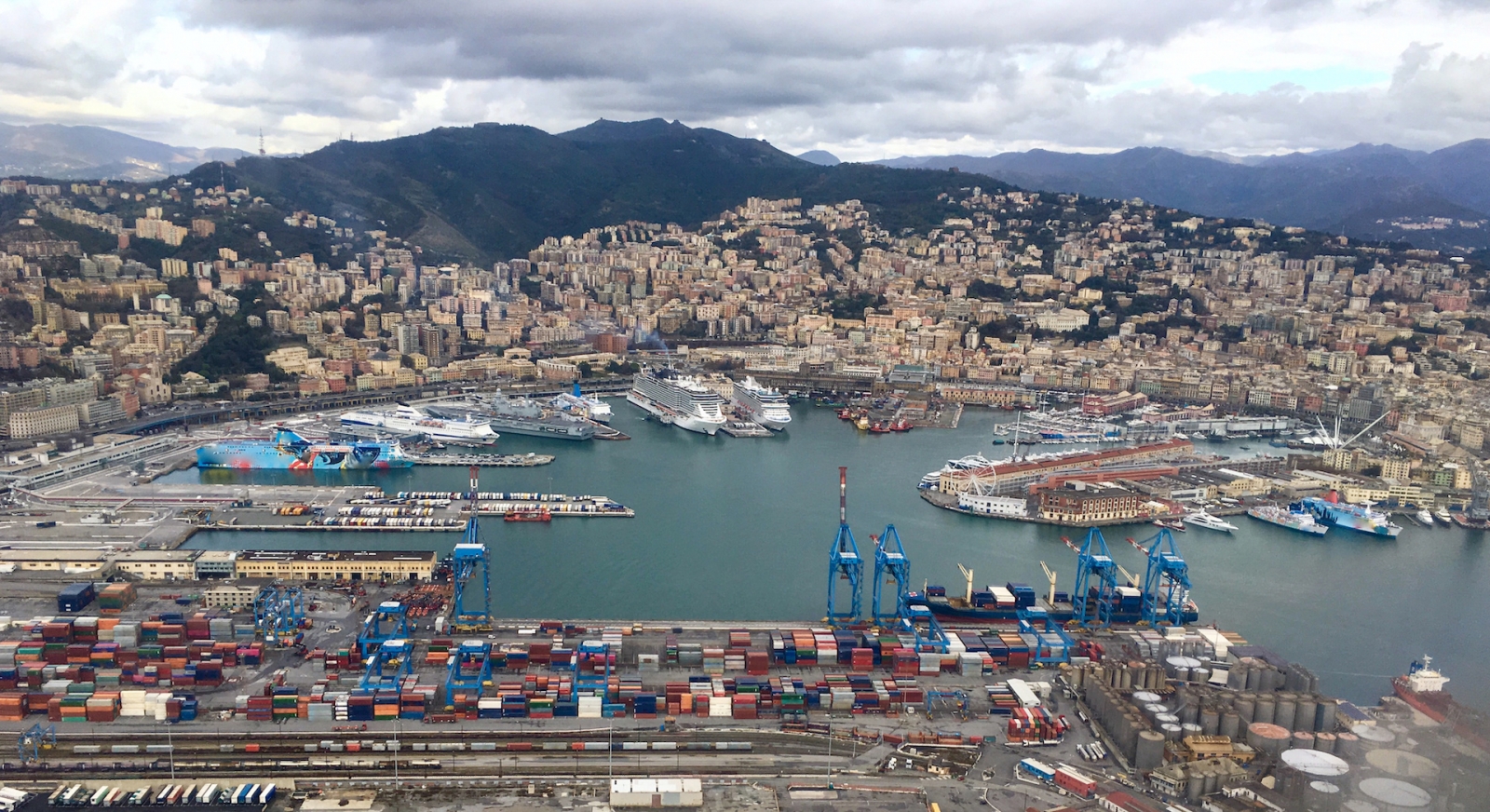
Nestled between the Ligurian Sea and the Apennine Mountains, Genoa (Genova) often lives in the shadow of Rome or Florence, yet it offers a gritty, authentic, and historically dense experience that few other Italian cities can match. By 2026, the city has further cemented its status as a sustainable tourism hub, balancing its industrial port identity with a rich cultural renaissance. To understand what makes Genoa unique, one must look at its influence on global trade, its architectural ingenuity, and its profound impact on world cuisine.
The Maritime Republic: A Legacy of Power and Wealth
For nearly eight centuries, the Republic of Genoa was one of the most powerful states in the Mediterranean. Known as La Superba (The Proud One), Genoa’s fame is rooted in its naval dominance and financial prowess. Unlike the land-based empires of the era, Genoa’s power was built on the sea, reaching its zenith between the 11th and 17th centuries.
The Birthplace of Modern Banking
While many associate the Renaissance with art, Genoa’s contribution was finance. The Bank of Saint George (Banco di San Giorgio), founded in 1407, is one of the oldest chartered banks in the world. During the 16th century, Genoese bankers were the primary financiers of the Spanish Empire, effectively controlling the flow of gold and silver from the New World. This financial legacy is why the city is filled with opulent palaces; the wealth of the world once flowed through the narrow alleys of Genoa.
Christopher Columbus: The City’s Most Famous Son
Genoa is famously the birthplace of Christopher Columbus (Cristoforo Colombo). While his legacy is viewed through a complex modern lens, his Genoese roots remain a point of immense historical pride. Visitors can see the "Casa di Colombo," a 17th-century reconstruction of the house where the explorer spent his childhood, located near the medieval Soprana Gate. His maritime education in the Ligurian shipyards provided the technical foundation for the voyages that would eventually link the Eastern and Western Hemispheres.
The Architectural Majesty of the Palazzi dei Rolli
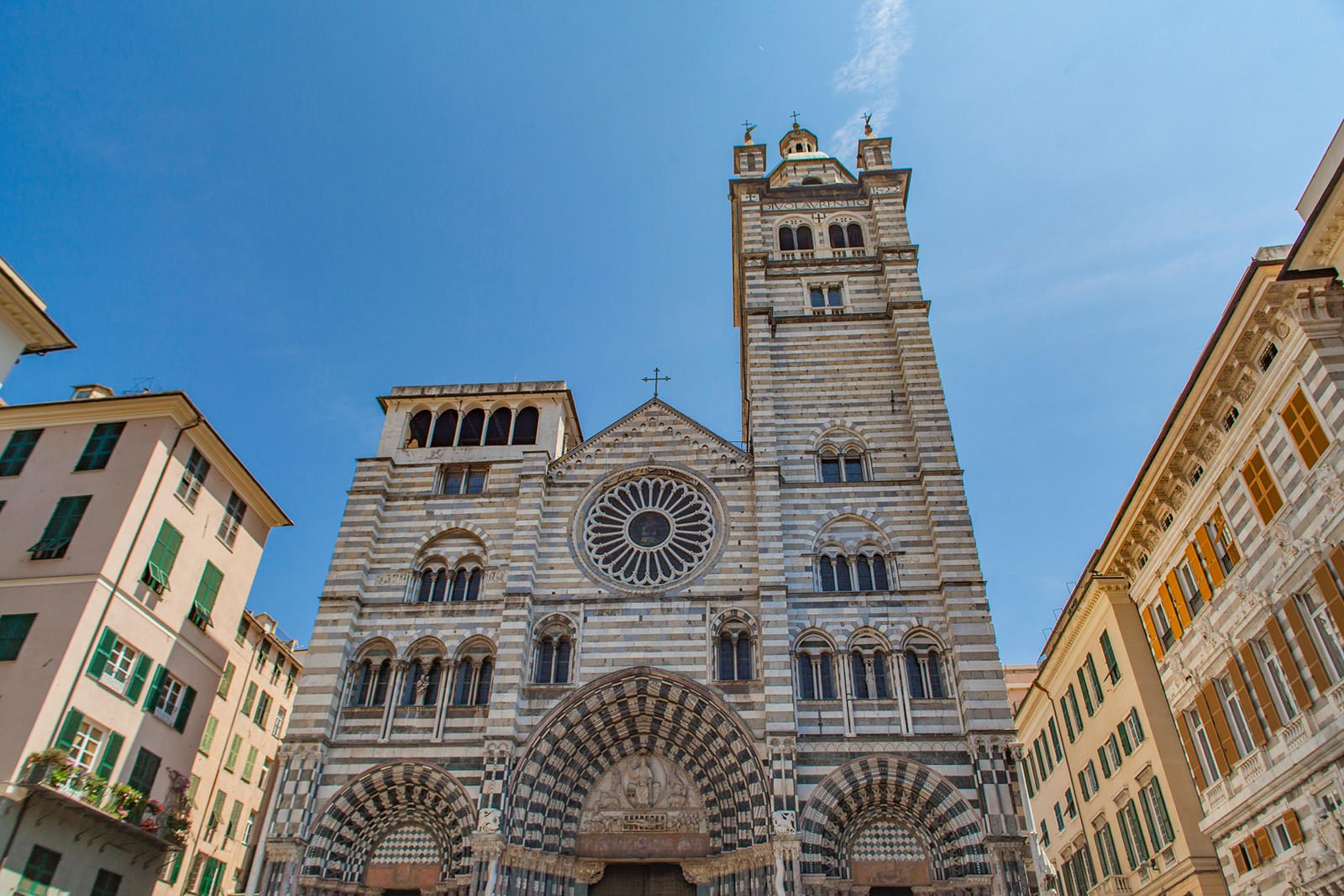
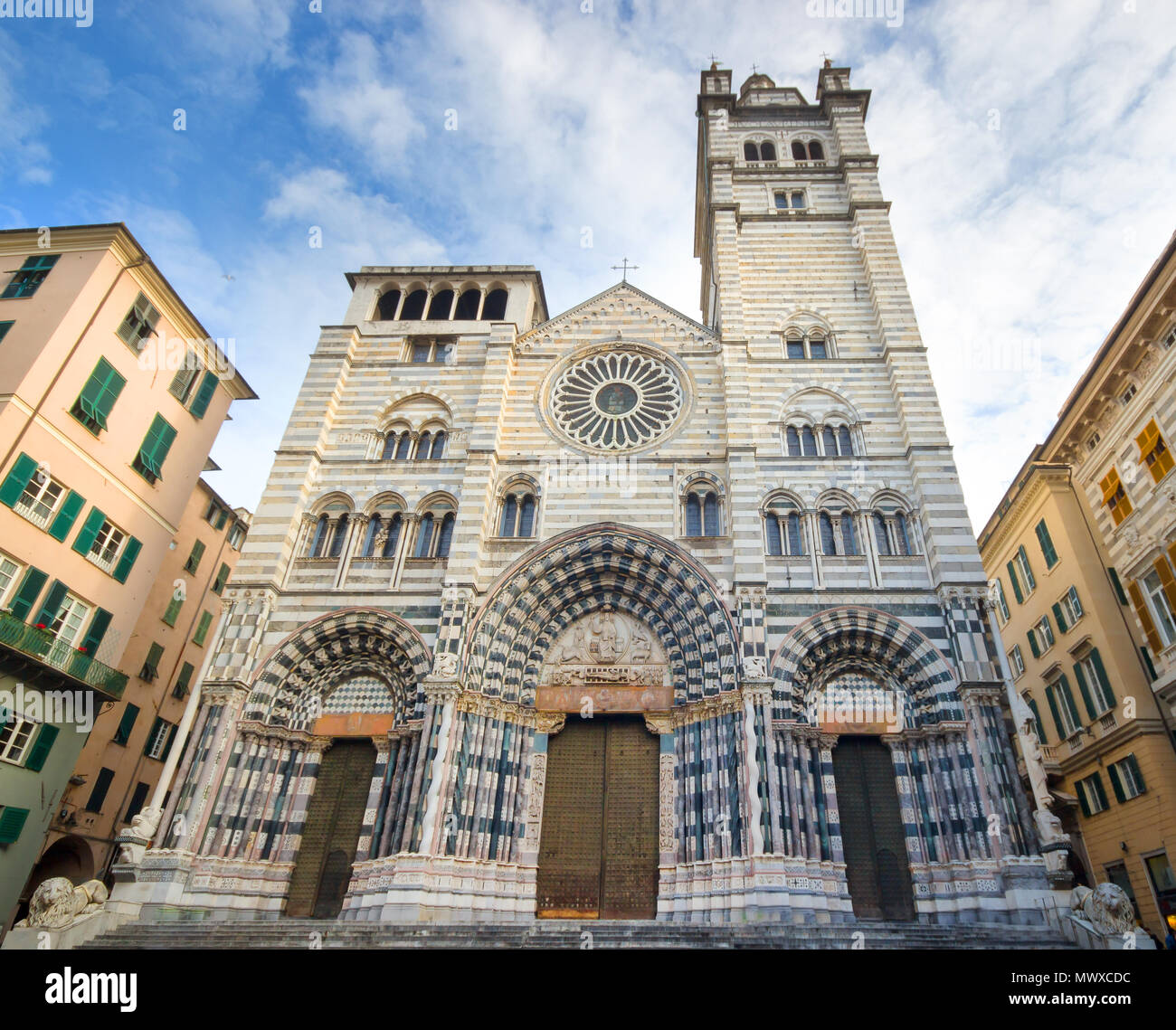
One of the most distinct reasons Genoa is famous today is its unique urban planning from the "Golden Century" (the 16th and 17th centuries). The Palazzi dei Rolli is a UNESCO World Heritage site consisting of a group of noble residences that were legally obligated to host visiting heads of state, popes, and royalty on behalf of the Republic.
A Vertical City of Palaces
Because Genoa is squeezed between the sea and the hills, its architecture grew vertically. The "Rolli" (rolls) were official lists of these palaces, categorized by their level of magnificence. The most famous of these are located along Via Garibaldi (formerly Via Aurea).
- Palazzo Rosso and Palazzo Bianco: These palaces now serve as art galleries housing works by masters like Van Dyck, Veronese, and Rubens (who was so impressed by Genoese architecture that he published a book of drawings of the city's palaces).
- The Caruggi: Contrastingly, Genoa is famous for its Caruggi—a labyrinth of narrow, dark pedestrian alleys that make up the medieval old town. This is one of the largest and most densely populated medieval centers in Europe, offering a stark, atmospheric contrast to the wide, aristocratic avenues of the Rolli.
The Culinary Capital of Pesto and Focaccia
If Genoa were famous for only one thing, it would likely be Pesto alla Genovese. This vibrant green sauce is protected by specific tradition and preparation methods that the city guards fiercely.
The Secrets of Authentic Pesto
True Genovese pesto must be made with DOP Ligurian Basil, which is known for its small leaves and lack of minty aftertaste. It is traditionally ground in a marble mortar with a wooden pestle (hence the name pesto, meaning "to pound"). The recipe also requires Vessalico garlic, Italian pine nuts, Parmigiano-Reggiano, Pecorino Sardo, and high-quality Ligurian extra-virgin olive oil. In 2026, the city continues to host the Pesto World Championship, drawing competitors from across the globe to honor this culinary staple.
Focaccia: A Way of Life
In Genoa, focaccia is not just a snack; it is a ritual. Focaccia di Genova (fugàssa) is characterized by its deep dimples, generous coating of olive oil, and coarse sea salt. It is commonly eaten for breakfast, often dipped into a cappuccino—a local tradition that surprises many tourists. Additionally, the nearby town of Recco is famous for Focaccia di Recco col formaggio, a thin, unleavened bread filled with melted stracchino cheese, which holds a protected IGP (Protected Geographical Indication) status.
Farinata and Seafood
Genoa’s street food culture is rounded out by Farinata, a savory, thin pancake made from chickpea flour, water, and olive oil, baked in massive copper tins in wood-fired ovens. Given its coastal location, the city is also famous for its seafood, particularly fritto misto (fried fish) and stoccafisso alla genovese (stockfish stew).
The Porto Antico and the Lanterna
The heart of Genoa has always been its port. Today, the Porto Antico (Old Port) has been transformed from a decaying industrial zone into a vibrant cultural hub, thanks to the vision of world-renowned architect Renzo Piano, a Genoa native.
The Aquarium of Genoa
The Acquario di Genova is one of the largest and most ecologically significant aquariums in Europe. It attracts over a million visitors annually and serves as a center for marine conservation and research. Its presence has turned the waterfront into a family-friendly destination that balances the city's working-port reality with modern leisure.
The Lanterna: A Symbol of Endurance
The Lanterna, Genoa's historic lighthouse, is one of the oldest working lighthouses in the world. Standing 76 meters tall on a rock 40 meters above sea level, it has guided ships into the harbor since 1128 (with the current structure dating back to 1543). It remains the iconic symbol of the city’s enduring maritime identity.
Global Contributions: From Blue Jeans to Violinists
Genoa’s influence extends into unexpected areas of global culture, including fashion and classical music.
The Invention of "Jean" Fabric
Many people are surprised to learn that the word "jeans" is derived from the French word for Genoa, "Gênes." In the 17th century, Genoa was a major producer of a sturdy, navy-blue cotton corduroy used for work clothes and sailors' trousers. This "Genoese blue" fabric was exported through the port and eventually evolved into the denim we know today.
Niccolò Paganini
The city is the birthplace of Niccolò Paganini, arguably the greatest violin virtuoso in history. His famous violin, the Il Cannone (The Cannon), built by Guarneri del Gesù in 1743, is kept in the Palazzo Tursi and is still played on special occasions. Genoa celebrates this musical heritage through the prestigious International Violin Competition "Premio Paganini."
Comparing Genoa to Other Italian Destinations
To help travelers understand Genoa’s unique value proposition in 2026, the following table compares it with other major Italian hubs.
| Feature | Genoa | Venice | Florence |
|---|---|---|---|
| Primary Vibe | Gritty, authentic, maritime | Romantic, aquatic, tourist-centric | Artistic, Renaissance, refined |
| Main Attraction | Palazzi dei Rolli & Old Town | St. Mark’s Square & Canals | Uffizi Gallery & Duomo |
| Key Culinary Item | Pesto & Focaccia | Cicchetti & Risotto | Bistecca alla Fiorentina |
| Landscape | Sea meets steep mountains | Lagoon and islands | Rolling Tuscan hills |
| Crowd Level | Moderate (more locals) | Very High | High |
| Unique Activity | Exploring the Caruggi | Gondola rides | Visiting the Accademia |
Frequently Asked Questions
Is Genoa part of the Italian Riviera?
Yes, Genoa is the capital of the Liguria region, which constitutes the Italian Riviera. It serves as the central hub between the Riviera di Levante (to the east, including Portofino and Cinque Terre) and the Riviera di Ponente (to the west, reaching the French border). Many travelers use Genoa as a strategic base because it offers more affordable accommodation and better transport links than the smaller coastal villages.
Why is Genoa called "La Superba"?
The nickname "La Superba" was coined by the poet Petrarch in 1358. It refers to the city's "superb" or "proud" nature, reflecting its immense naval power, the architectural beauty of its palaces, and the defiant spirit of its people. The title stuck throughout the centuries as Genoa maintained its independence as a sovereign republic for nearly 800 years.
What is the best time of year to visit Genoa?
The best time to visit is during the late spring (May-June) or early autumn (September-October). During these months, the Mediterranean climate is mild, and the city hosts several festivals, such as the Rolli Days, where private palaces are opened to the public. In 2026, winter tourism has also grown, as Genoa offers a warmer alternative to northern Italian cities while maintaining a bustling local life that doesn't shut down for the off-season.
Can you visit the Palazzi dei Rolli?
While many of the 42 UNESCO-listed palaces are now banks, private residences, or government offices, several have been converted into museums (The Musei di Strada Nuova). Furthermore, the city organizes "Rolli Days" several times a year, during which private owners open their doors to the public for guided tours, showcasing frescoes and courtyards that are usually hidden.
Is Genoa safe for tourists?
Genoa is generally safe, but like any major port city, it requires standard urban awareness. The narrow caruggi can feel intimidating at night due to their dim lighting and labyrinthine nature, but they are heavily trafficked by locals. Visitors should stick to well-lit paths in the old town after dark and be mindful of pickpockets in crowded areas like the Porto Antico or the main train stations (Genova Piazza Principe and Genova Brignole).
Practical Advice for Visitors
To truly experience what Genoa is famous for, avoid the temptation to treat it as a quick stopover. Instead, dedicate at least two full days to the city. Start by wandering the Via Garibaldi to see the aristocratic side of its history, then lose yourself in the Caruggi to find a traditional friggitoria (fried food shop) for a cone of fresh seafood. For the best view of the city’s unique "vertical" layout, take the Bigo panoramic lift or the historical Castelletto lift (Ascensore della Spianata Castelletto), which offers a 360-degree vista of the slate roofs, the port, and the sea beyond.
Image Gallery