How Foundation Repair in Peekskill, NY Works: A Comprehensive Guide
Foundation repair in Peekskill, NY, involves stabilizing a structure’s base through methods like piering, wall reinforcement, and advanced waterproofing. Contractors evaluate Peekskill’s unique clay-heavy soil and hilly terrain to impl...
Foundation repair in Peekskill, NY, involves stabilizing a structure’s base through methods like piering, wall reinforcement, and advanced waterproofing. Contractors evaluate Peekskill’s unique clay-heavy soil and hilly terrain to implement solutions such as helical piers or carbon fiber straps, ensuring the home remains level and protected against the Hudson Valley’s significant freeze-thaw cycles.
Contents
Maintaining a structural foundation in Peekskill requires an understanding of both engineering principles and local environmental factors. As of 2026, homeowners in the Hudson Valley face specific challenges ranging from historic preservation requirements to the geological realities of building on the edge of the Appalachian Highlands. Whether you own a Victorian-era home near Depew Park or a mid-century raised ranch closer to the waterfront, the integrity of your foundation is the single most important factor in your property’s longevity and market value.
The Unique Geological Challenges of Peekskill, NY
The efficacy of foundation repair in Peekskill is dictated largely by the ground beneath the structure. Peekskill’s geology is characterized by a mix of glacial till, dense clay, and significant schist and gneiss rock outcroppings. This variety means that two houses on the same street may require entirely different repair strategies.
Soil Expansion and Contraction
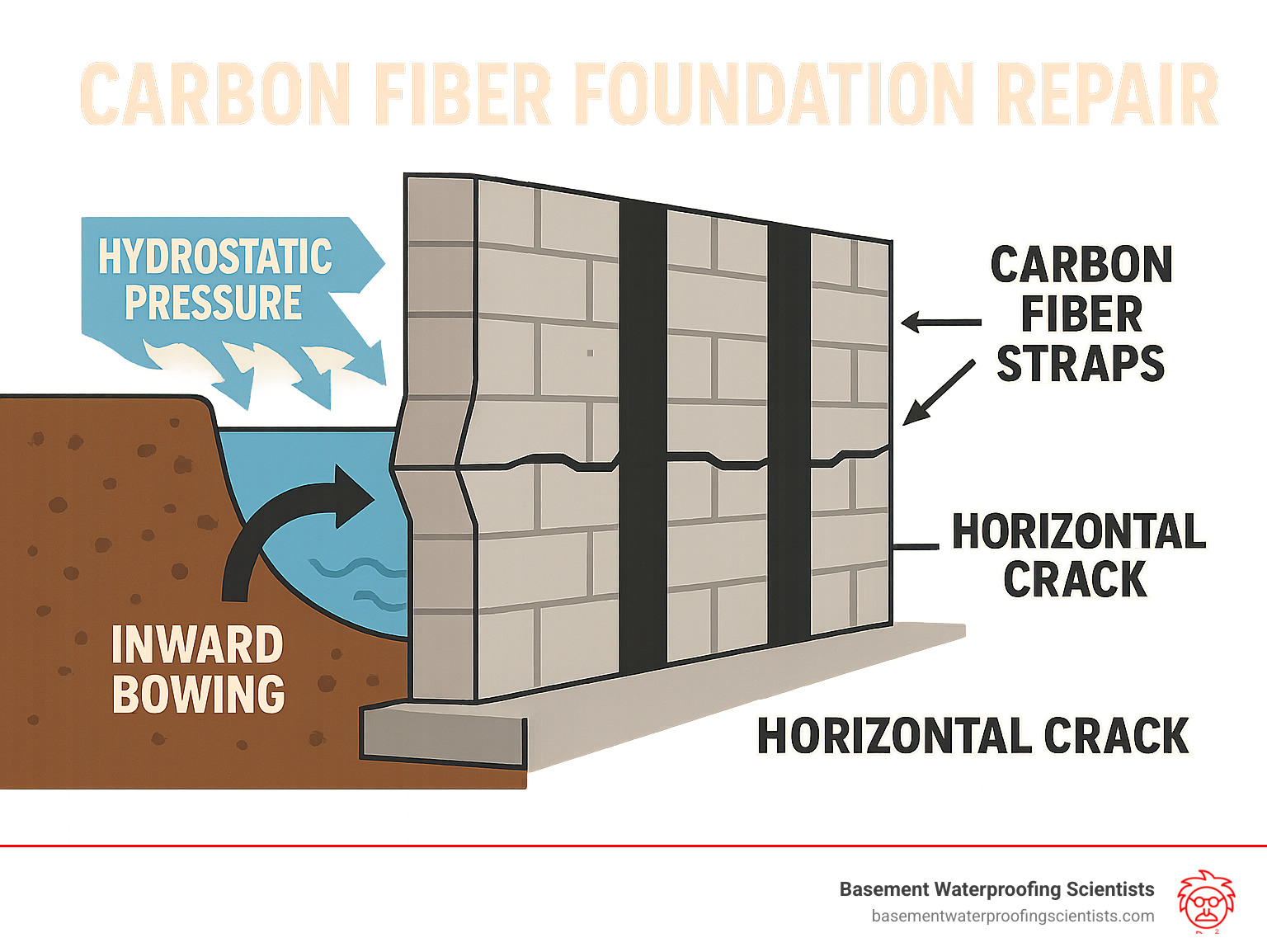
The primary culprit for foundation failure in Westchester County is the high clay content in the soil. Clay is expansive; it swells significantly when saturated during the wet spring months and shrinks during the dry summer periods. This cyclical movement, known as "shrink-swell," exerts immense pressure on foundation walls—a phenomenon called hydrostatic pressure. Over decades, this pressure causes poured concrete or cinder block walls to bow inward or develop horizontal cracks.
The Impact of Hilly Terrain
Peekskill is famous for its dramatic elevation changes. While the views of the Hudson River are a benefit, the topography creates drainage challenges. Homes built on slopes often experience "creep," where the soil slowly moves downhill, pulling the foundation with it. This leads to settlement on one side of the structure, resulting in sloping floors and misaligned door frames.
Freeze-Thaw Cycles
In 2026, climate patterns continue to bring volatile winters to the Northeast. When water in the soil freezes, it expands by approximately 9%. If moisture is trapped against a foundation wall or beneath a footer, the force of the freezing earth can lift heavy concrete sections (frost heave) and then drop them unevenly when the ground thaws, leading to structural fractures.
Recognizing the Signs of Foundation Distress
Before a repair can begin, a homeowner must identify the symptoms of a failing foundation. In Peekskill’s older housing stock, these signs are often dismissed as "settling," but true structural issues require professional intervention.
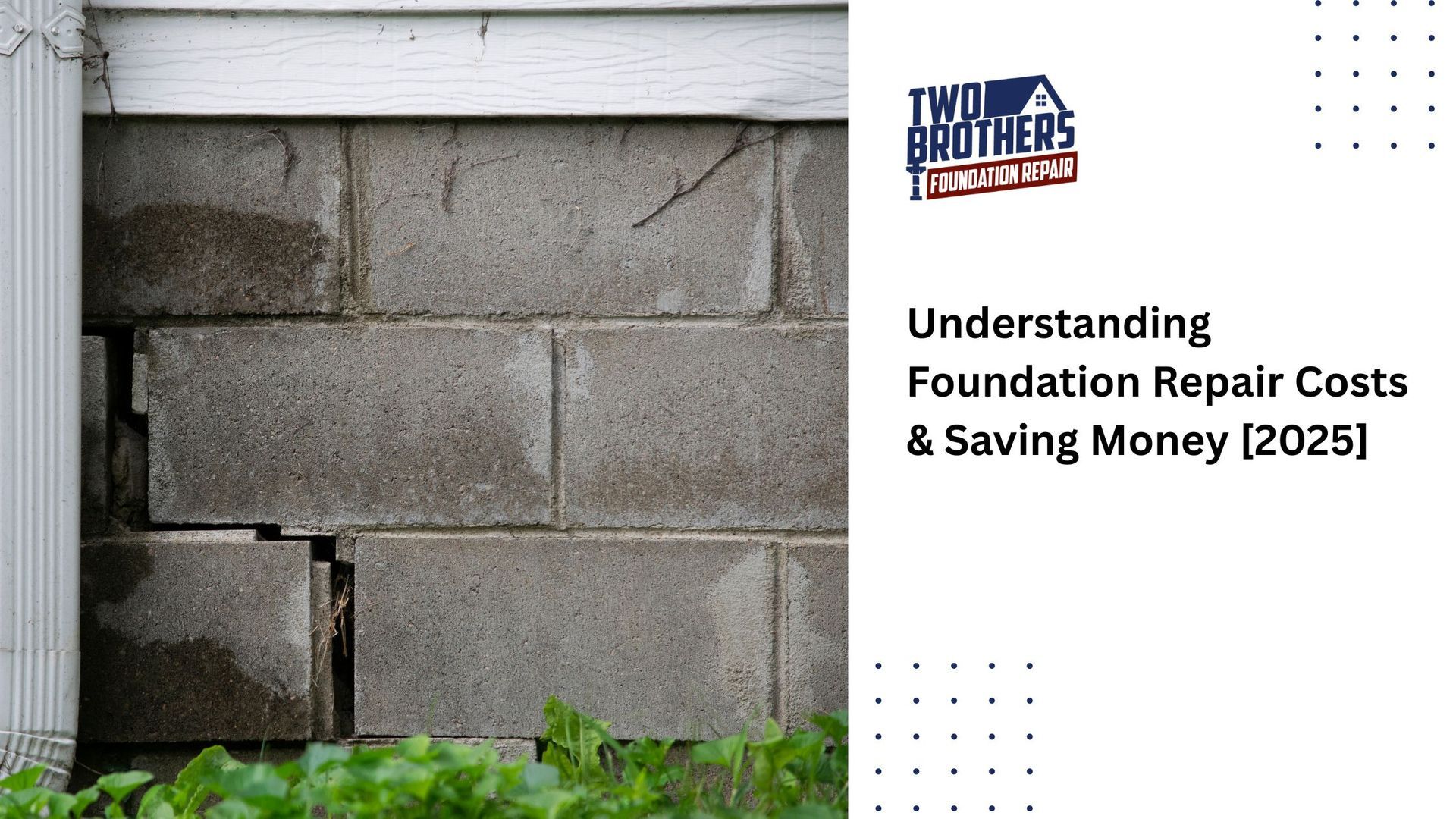
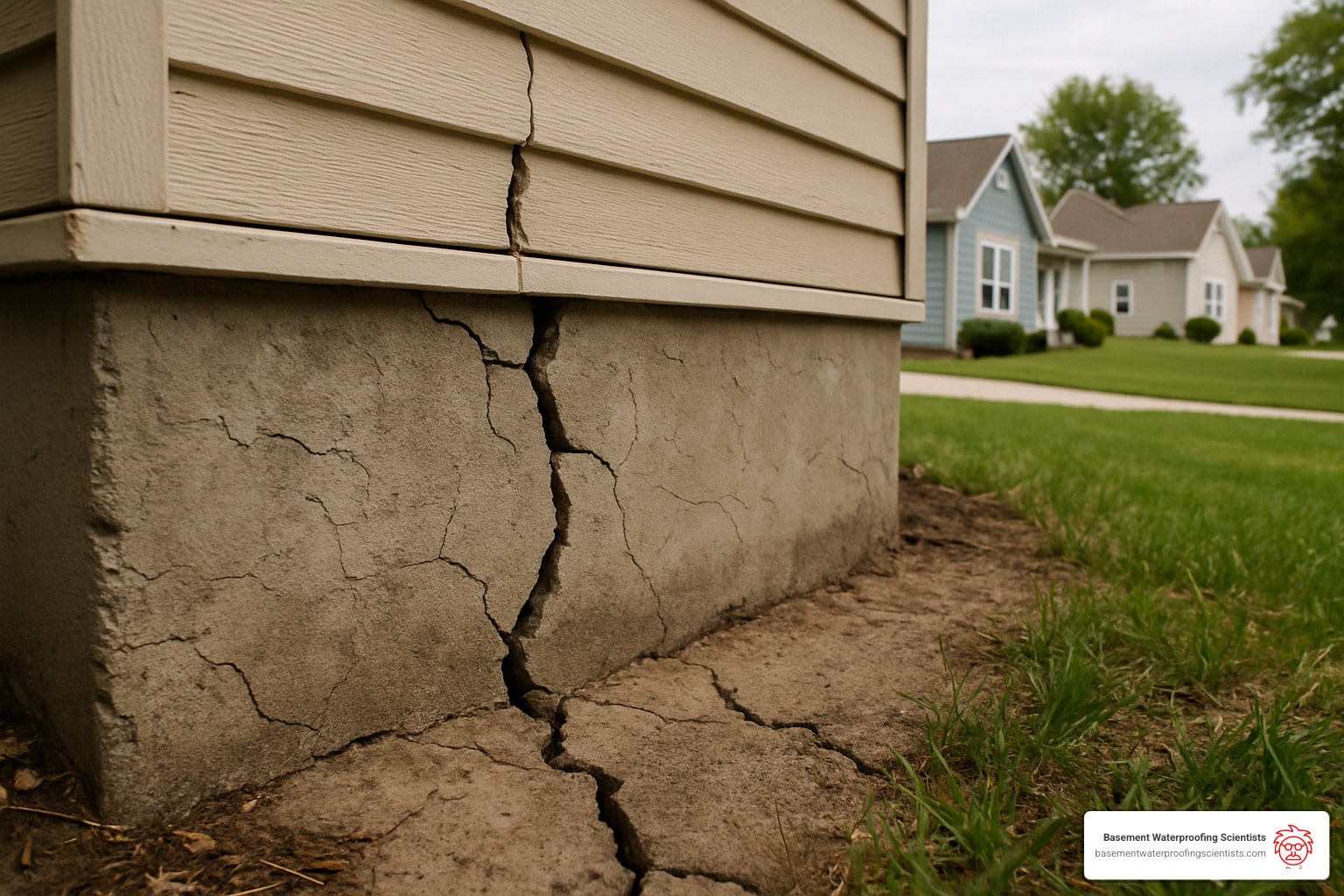
- Stair-Step Cracking: Common in brick veneers or cinder block foundations, these cracks follow the mortar lines in a zigzag pattern and indicate significant settlement.
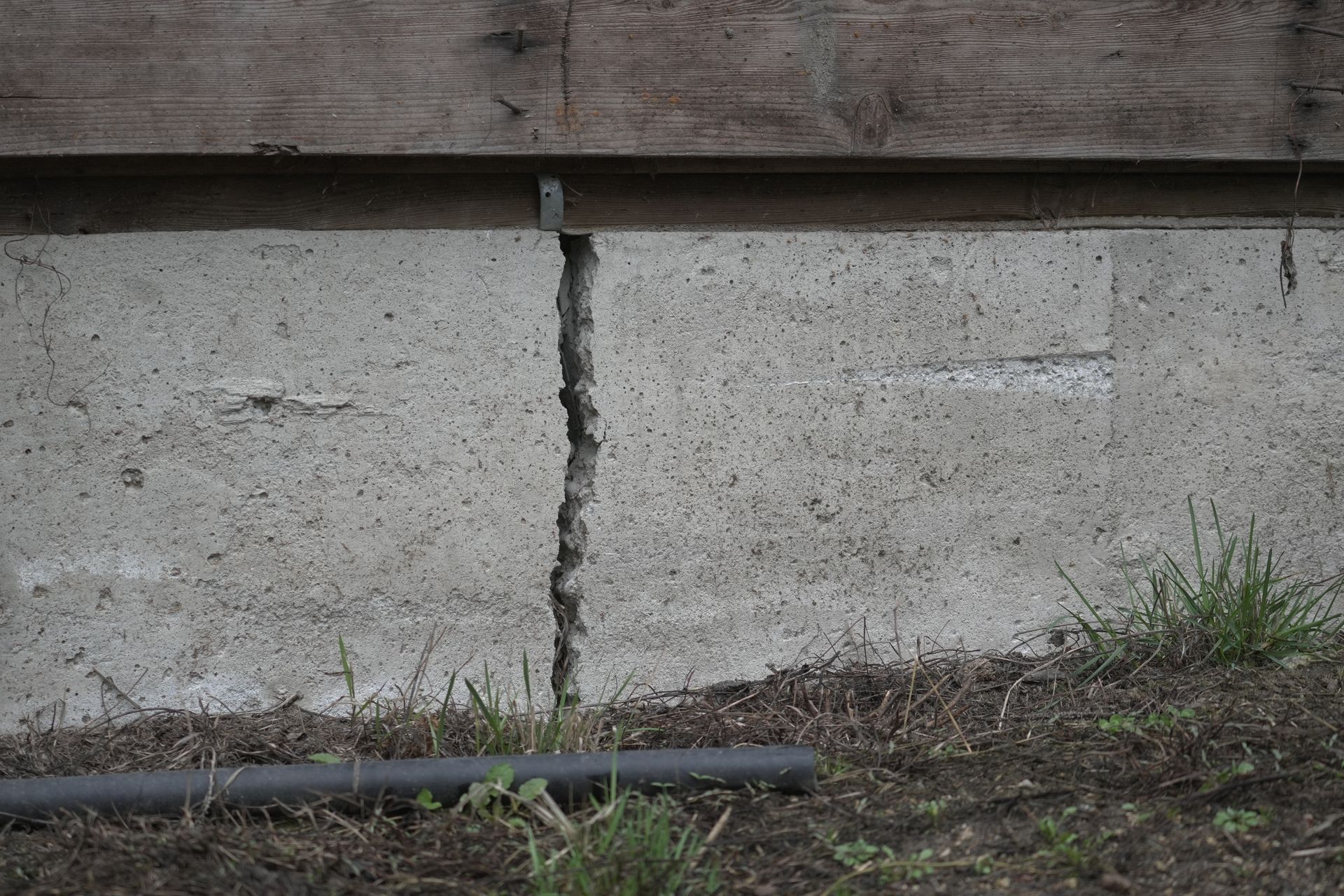
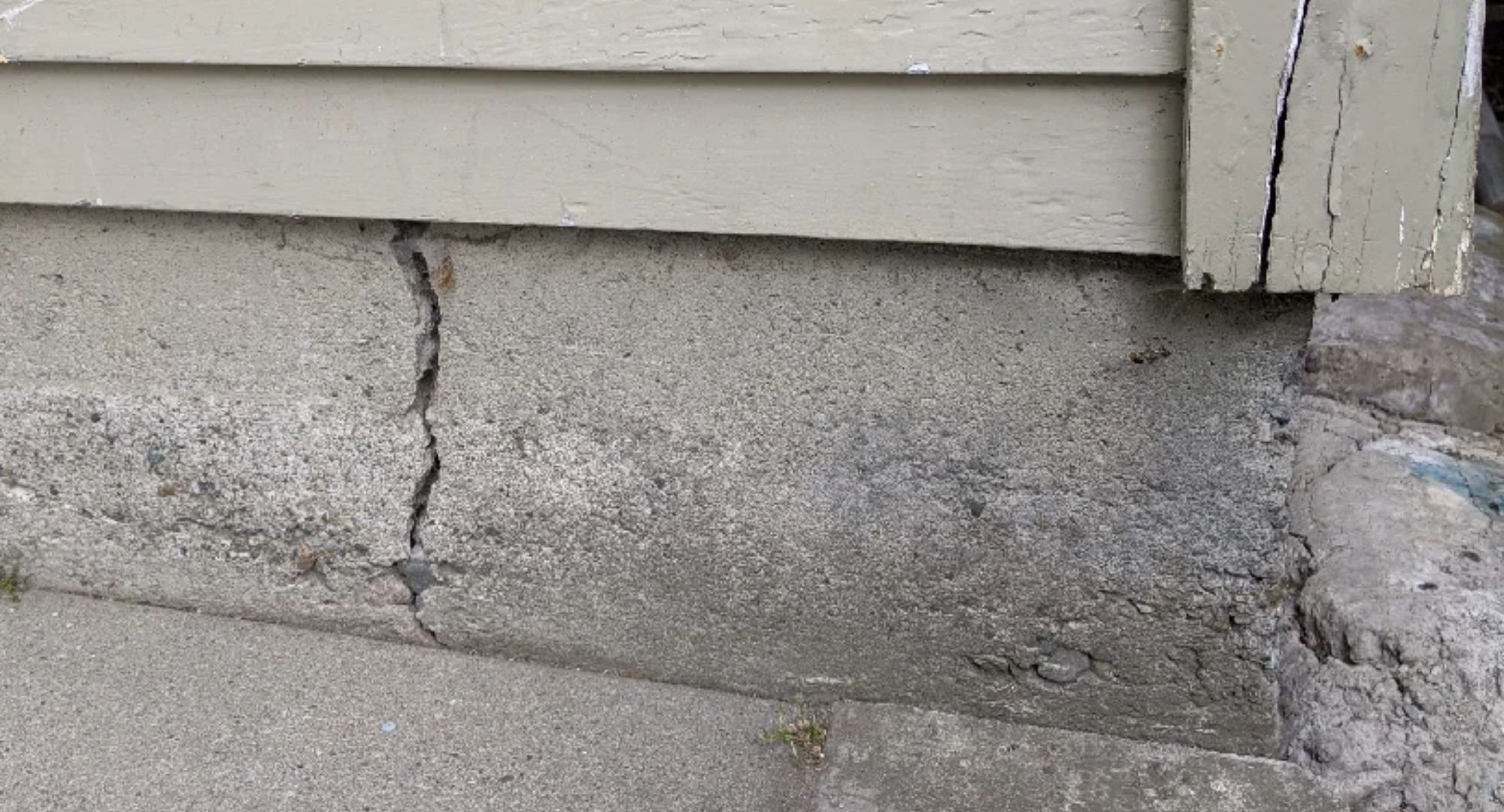
- Horizontal Wall Cracks: These are high-priority red flags usually found in basements. They indicate that the exterior soil pressure is exceeding the strength of the wall.
- Doors and Windows That Stick: When a foundation shifts, the rectangular frames of doors and windows become parallelograms, causing "binding" or gaps.
- Chimney Separation: Because chimneys are often built on a separate footer, they are the "canary in the coal mine." A chimney pulling away from the house siding is a classic sign of foundation failure.
- Nail Pops and Drywall Cracks: Inside the living space, cracks radiating from the corners of door frames or ceiling joints suggest that the underlying support system is no longer level.
Primary Methods of Foundation Repair in 2026
Modern foundation repair in Peekskill utilizes several high-tech interventions. The choice of method depends on whether the goal is to stop settlement (vertical movement) or stabilize bowing walls (lateral movement).
Piering and Underpinning
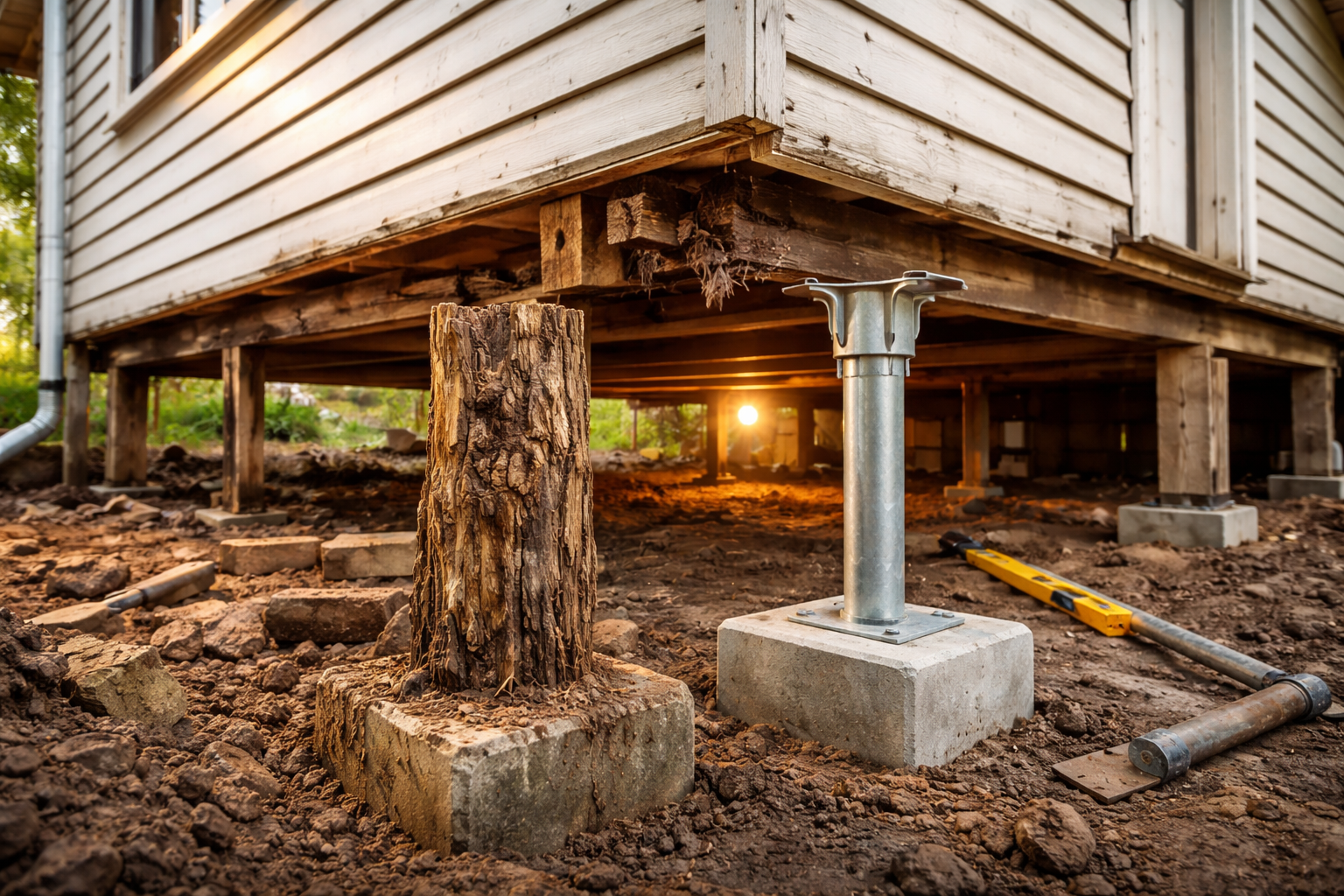
Piering is the gold standard for fixing a settling foundation. It involves driving steel pipe segments deep into the earth until they reach "competent" soil or bedrock—which is often found relatively close to the surface in the Peekskill area.
- Push Piers: These use the weight of the house itself to drive the pier into the ground. They are ideal for heavy, multi-story masonry homes.
- Helical Piers: These look like giant screws and are twisted into the ground using hydraulic machinery. Because they do not rely on the weight of the structure, they are excellent for lighter structures, porches, or areas with very sandy or soft soil.
Wall Stabilization Systems
For walls that are bowing or leaning, contractors often use reinforcement rather than replacement.
- Carbon Fiber Straps: These are low-profile, incredibly strong strips bonded to the interior of the basement wall. They prevent further inward movement without taking up floor space.
- Wall Anchors: This system involves an interior wall plate connected by a steel rod to an anchor buried in the yard. Tightening the nut on the interior plate can, over time, pull the wall back toward its original position.
Slab Leveling (Polyjacking)
For sinking garage floors or concrete patios, Peekskill contractors frequently use polyjacking. This involves injecting a high-density expanding foam beneath the slab. The foam fills voids and expands to lift the concrete back to its original height. This has largely replaced "mudjacking" because the foam is waterproof and does not add significant weight to the soil.
Comparison of Common Foundation Repair Techniques
| Method | Primary Purpose | Durability | Best For |
|---|---|---|---|
| Push Piers | Stabilization/Lifting | Permanent | Heavy residential/commercial structures |
| Helical Piers | Stabilization/Lifting | Permanent | Lighter structures or new construction |
| Carbon Fiber | Wall Reinforcement | Lifetime | Bowing walls with less than 2" of movement |
| Wall Anchors | Wall Realignment | Permanent | Severely bowing or leaning walls |
| Polyjacking | Slab Leveling | 10+ Years | Driveways, garage floors, walkways |
| Epoxy Injection | Crack Sealing | 5-10 Years | Non-structural moisture control |
The Step-by-Step Repair Process in Peekskill
If you suspect foundation issues, the process typically follows a regulated path to ensure safety and compliance with City of Peekskill building codes.
1. The Initial Inspection
A specialist or a structural engineer will visit the site. They use laser levels to map the floor's elevations and moisture meters to check for sub-surface leaks. In 2026, many firms also use ground-penetrating radar (GPR) to locate voids or buried utilities before digging.
2. Engineering and Permitting
In New York, major structural repairs usually require a permit. A licensed professional engineer (PE) may need to draft a repair plan that carries their official seal. This plan is submitted to the Peekskill Building Department to ensure the repair meets the New York State Uniform Fire Prevention and Building Code.
3. Site Preparation and Excavation
If exterior anchors or piers are being installed, the contractor will excavate the perimeter of the foundation. In Peekskill's tighter neighborhoods, this may involve small-footprint machinery to avoid damaging neighboring properties or landscaping.
4. Installation
The mechanical components (piers, anchors, or straps) are installed. If the house is being "lifted," this is done slowly using synchronized hydraulic jacks to minimize further cracking in the drywall or masonry.
5. Waterproofing and Backfilling
Since moisture is often the root cause, a reputable repair will include exterior waterproofing. This involves applying a rubberized membrane to the foundation and installing a "French drain" (perforated pipe and gravel) to divert water away from the structure.
6. Final Inspection and Restoration
The excavated soil is replaced and compacted. The city inspector signs off on the work, and the homeowner can then proceed with cosmetic repairs, such as tuck-pointing brickwork or painting interior walls.
Cost Considerations and Budgeting
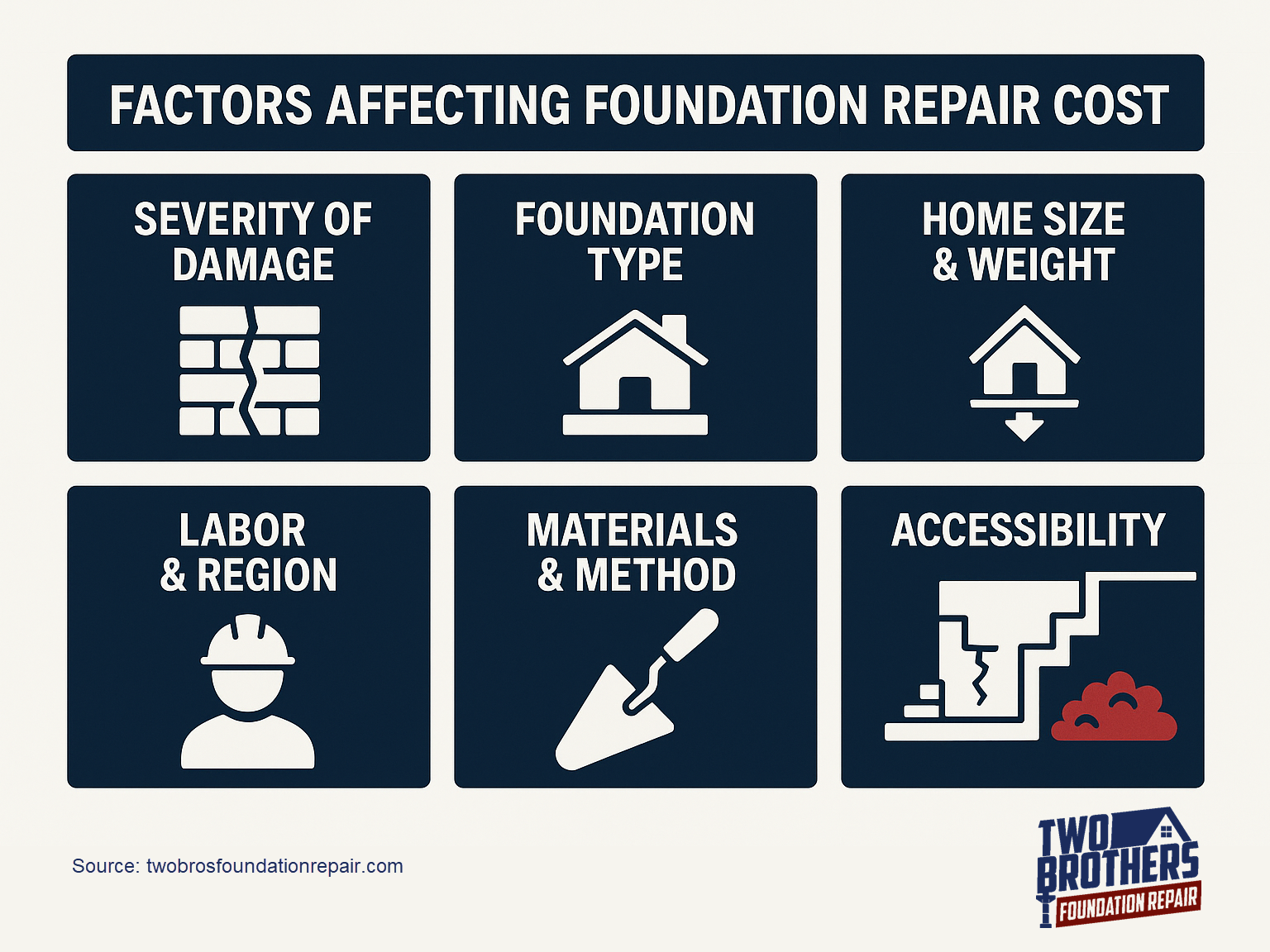
In 2026, foundation repair costs in the Hudson Valley reflect the high cost of specialized labor and materials. Small crack repairs using high-pressure injections may cost between $800 and $1,500. However, significant structural stabilization is a major investment.
- Piering: Typically costs between $1,500 and $3,000 per pier. A standard ranch home needing stabilization on one corner might require 5 to 8 piers.
- Bowing Wall Repair: Carbon fiber reinforcement usually costs $600 to $1,000 per strap, with straps placed every 3 to 4 feet along the damaged wall.
- Full Waterproofing: An exterior drainage system for a standard 1,500-square-foot basement can range from $10,000 to $25,000, depending on excavation depth and soil conditions.
Homeowners should check if their issues are covered by insurance. Generally, standard homeowners' insurance does not cover foundation repair resulting from soil compaction or "earth movement" unless it was caused by a sudden, covered peril like a pipe burst.
Frequently Asked Questions
Does foundation repair devalue my Peekskill home?
Actually, the opposite is true. While a foundation issue can decrease home value by 10-20%, a professionally repaired foundation with a transferable warranty restores that value. In the 2026 real estate market, savvy buyers in Westchester County specifically look for proof of structural stabilization when considering older homes.
How long do most foundation repairs take?
Minor crack repairs or polyjacking can be completed in a single day. Major piering or wall anchor installations typically take 3 to 5 days of active work. If extensive exterior excavation and waterproofing are required, the process may extend to 2 weeks, depending on weather conditions.
Can I live in the house during the repair?
Yes. Most foundation repairs are performed from the exterior or in the basement/crawlspace. Your water, electricity, and HVAC systems usually remain functional. The most significant disruption is the noise from hydraulic pumps or drills and the temporary loss of landscaping around the perimeter.
How do I know if I need an engineer or just a contractor?
If you see signs of structural movement (sloping floors, large cracks), it is best to hire an independent structural engineer first. They provide a non-biased assessment and a "scope of work." You can then provide this scope to foundation repair contractors for bidding. This ensures you aren't paying for unnecessary repairs.
Are Peekskill’s "hilly" foundations harder to fix?
They can be more complex. Foundations on slopes often require deeper piers to reach stable strata. Additionally, access for heavy machinery can be limited on narrow, inclined lots, which may increase labor costs.
Next Steps for Peekskill Property Owners
If you notice signs of foundation movement, do not wait for the next heavy rain or spring thaw. Small cracks are easier and significantly cheaper to fix than a fully collapsed basement wall. Start by clearing debris from your gutters and ensuring your downspouts discharge at least 10 feet away from your foundation—this simple maintenance step solves nearly 50% of moisture-related foundation issues in the Hudson Valley.
For structural concerns, contact a local specialist who is familiar with Peekskill’s specific soil conditions and municipal requirements. Ensure they are licensed by Westchester County and can provide a warranty that stays with the house, providing peace of mind for you and future owners.
Image Gallery