What Does a Hair Dryer Do? Functions, Mechanics, and Styling Benefits
A hair dryer is an electromechanical device designed to blow ambient or heated air over damp hair to accelerate the evaporation of water. Beyond simple drying, it serves as a primary styling tool that utilizes controlled heat and airfl...
A hair dryer is an electromechanical device designed to blow ambient or heated air over damp hair to accelerate the evaporation of water. Beyond simple drying, it serves as a primary styling tool that utilizes controlled heat and airflow to reshape hair strands, enhance volume, and seal the hair cuticle for a polished finish.
Contents
The Fundamental Purpose of a Hair Dryer
At its core, a hair dryer—often referred to as a blow dryer—serves two distinct but overlapping functions: moisture removal and structural styling. While the primary reason most individuals reach for a hair dryer is to save time, the physics behind the device allows for significant aesthetic manipulation of the hair.
Accelerating Evaporation
Under normal conditions, hair dries through natural evaporation, a process that can take several hours depending on hair density and environmental humidity. A hair dryer accelerates this by increasing the kinetic energy of the water molecules on the hair's surface. By directing a concentrated stream of air, the device displaces the saturated air layer immediately surrounding the hair shaft, allowing more water to turn into vapor rapidly.
Altering Hydrogen Bonds for Styling
Hair is composed of keratin proteins held together by various chemical bonds. Among these are hydrogen bonds, which are weak and easily broken by water or heat. When hair is wet, these bonds are disrupted, making the hair pliable. As the hair dryer removes moisture and applies heat, it helps reform these hydrogen bonds in a new shape determined by the user (e.g., wrapped around a brush or smoothed with a concentrator nozzle). This is why a "blowout" can transform frizzy or wavy hair into a sleek, straight style that lasts until the hair is dampened again.
How a Hair Dryer Works: The Internal Mechanics
To understand what a hair dryer does, one must look at the internal components that convert electrical energy into thermal and kinetic energy. Even in 2026, the fundamental engineering remains consistent, though efficiency and safety protocols have significantly advanced.
The Heating Element
Most modern hair dryers utilize a heating element made of nichrome wire, an alloy of nickel and chromium. This wire is wrapped around an insulating board (often mica) because it does not oxidize when heated and has high electrical resistance. As electricity flows through the wire, it encounters resistance, which generates heat through a process known as Joule heating. In high-end models, these elements may be coated in ceramic or tourmaline to ensure more even heat distribution and the emission of infrared energy.
The Motor and Fan System
The "dryer" aspect of the device is powered by an electric motor that spins a fan. There are three primary types of motors used in 2026:
- DC Motors: Lightweight and inexpensive, typically found in household models.
- AC Motors: Heavier but more powerful and durable, often found in professional salon environments.
- Digital Brushless Motors (BLDC): The current gold standard, offering high RPMs with less noise and a significantly longer lifespan than traditional brushed motors.
The fan, usually a centrifugal or "squirrel cage" design, draws air in through lateral vents and forces it forward over the heating elements and out through the nozzle.
The Thermal Cut-Off and Safety Sensors
Safety is a critical function of the device. Because a hair dryer generates intense heat, it includes a bimetallic strip or a thermal fuse that acts as a circuit breaker. If the internal temperature exceeds a safe threshold—often due to a blocked air intake—the strip bends and breaks the electrical connection, preventing the plastic housing from melting or catching fire.
Advanced Technologies and Their Effects
The evolution of the hair dryer has moved beyond simple "hot air." Today’s devices incorporate sophisticated physics to protect hair health and improve the speed of the drying process.
Ionic Technology
One of the most significant advancements is the integration of ion generators. These components emit negatively charged ions. Since water molecules are naturally polarized, the negative ions help break down water droplets into smaller particles, allowing them to evaporate faster. Furthermore, because hair often carries a positive charge (static), the negative ions neutralize this charge, effectively "sealing" the hair cuticle and reducing frizz and "flyaways."
Ceramic and Tourmaline Components
What does a ceramic hair dryer do differently? Ceramic-coated internal parts provide infrared heat, which penetrates the hair shaft from the inside out. This is generally considered "gentler" than traditional convective heat because it dries the hair more evenly and reduces the risk of "flash drying"—a condition where the moisture on the surface of the hair is stripped so quickly that the hair becomes brittle and prone to breakage.
Technical Comparison of Hair Dryer Components
To help consumers and professionals choose the right tool for their specific needs, the following table outlines the mechanical differences between common 2026 hair dryer configurations.
| Component Type | Best For | Pros | Cons |
|---|---|---|---|
| DC Motor | Occasional home use | Lightweight, affordable | Shorter lifespan, louder |
| AC Motor | Heavy-duty styling | High airflow, long-lasting | Heavier, more expensive |
| Brushless (BLDC) | Professional/Luxury | Extremely quiet, 10,000+ hour life | Highest price point |
| Ionic Generator | Frizzy or thick hair | Reduces drying time, adds shine | Can make fine hair look flat |
| Ceramic/Tourmaline | Damaged or thin hair | Gentle heat, even distribution | Slightly slower than metal coils |
Common Attachments and Their Functions
A hair dryer’s utility is often extended by its attachments, which modify the airflow to achieve specific results.
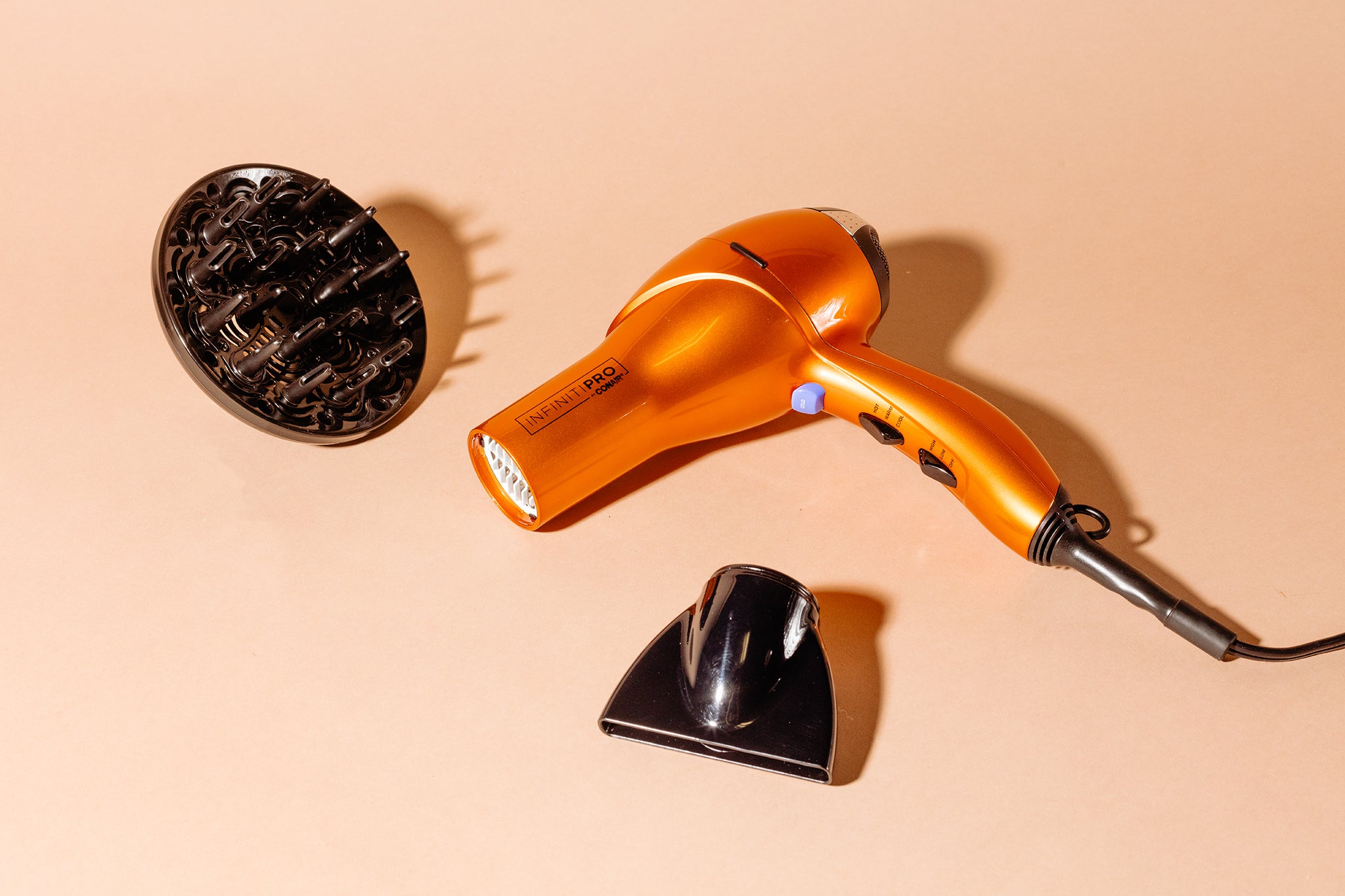
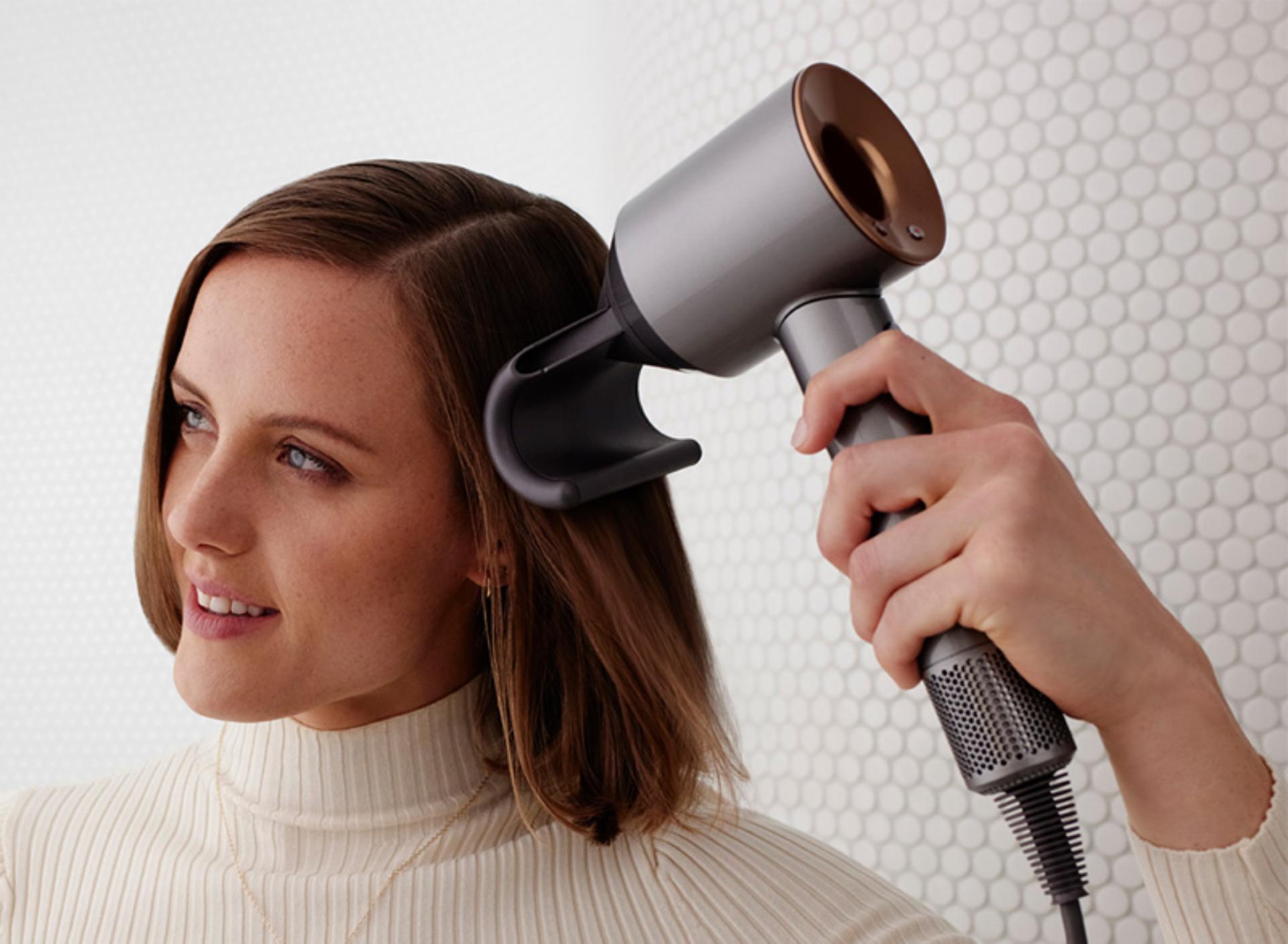
- The Concentrator Nozzle: This narrows the air path into a thin, flat stream. It is essential for precision styling, as it allows the user to target specific sections of hair without disturbing the rest. It is the primary tool for achieving a smooth, straight finish.
- The Diffuser: Conversely, a diffuser spreads the airflow over a larger area without high velocity. It is designed for curly or wavy hair, allowing the hair to dry without disrupting the natural curl pattern or causing frizz.
- The Comb/Pick Attachment: Often used for highly textured or coiled hair, this attachment helps stretch the hair during the drying process, providing "pre-styling" tension that makes further manipulation easier.
The Importance of the "Cool Shot" Button
Most users overlook the "Cool Shot" button, but it is a critical functional component. Once the hair has been shaped using heat, the hair is still technically "pliable." By pressing the cool shot button, the heating element is bypassed, and the fan blows ambient air. This sudden drop in temperature "sets" the hydrogen bonds in their new position, ensuring the style holds its shape longer and the cuticle remains closed for maximum shine.
Health and Safety Considerations
While a hair dryer is a convenient tool, its function involves risks if used improperly. High temperatures can lead to "bubble hair" (where water trapped in the hair shaft boils and creates a permanent structural bubble) or scalp burns.
Optimal Distance and Movement
To prevent heat damage, a hair dryer should be held approximately 6 to 8 inches (15–20 cm) away from the hair. Continuous movement is also required; dwelling on a single spot for more than a few seconds can cause the hair temperature to spike beyond the safe threshold of roughly 150°C (302°F), at which point the keratin structure begins to degrade permanently.
Use of Heat Protectants
Modern styling routines almost always recommend a heat protectant spray or cream. These products contain polymers (like silicones) that have low thermal conductivity. They coat the hair, providing a "thermal buffer" that slows down the heat transfer from the dryer to the hair shaft, preventing the internal moisture from evaporating too violently.
Troubleshooting Common Issues
As of 2026, hair dryers are more resilient than ever, but they still encounter common mechanical hurdles:
- Automatic Shut-Off: If your dryer stops suddenly, it is likely the thermal safety switch. This is usually caused by dust buildup in the intake filter. Cleaning the lint trap regularly is the most effective way to extend the device's life.
- Burning Smell: This often occurs when hair or dust particles make contact with the heating element. While common in new dryers (burn-off of factory coatings), a persistent smell in an older unit suggests a failure of the internal insulation or a motor straining against a clog.
- Loss of Heat: If the fan blows but the air is cold, the nichrome heating element has likely snapped or the thermal fuse has permanently blown. In most consumer-grade units, this is not repairable and requires device replacement.
Frequently Asked Questions
Does using a hair dryer cause more damage than air drying?
Not necessarily. Research has shown that leaving hair wet for extended periods causes the hair shaft to swell, putting pressure on the delicate proteins that hold it together. Using a hair dryer on a low or medium heat setting from a safe distance can actually be healthier for the hair than letting it stay damp for several hours, provided a heat protectant is used.
What is the difference between wattage and airflow?
Wattage measures the electrical power consumption of the heating element and motor, while airflow (often measured in CFM or m/s) measures the volume of air moved. A high-wattage dryer (e.g., 1875W–2000W) usually generates more heat, but it is the airflow that does the actual work of drying. A more efficient motor can provide better results at a lower wattage.
Can a hair dryer be used for things other than hair?
While designed for hair, the controlled heat of a hair dryer is frequently used for domestic tasks like removing adhesive stickers, drying small patches of spilled liquid, or even warming up a cold pair of shoes. However, users should never leave the device unattended or use it near water-filled sinks and tubs to avoid the risk of electrocution.
Why do some hair dryers have a "Professional" label?
Professional dryers typically feature AC or Brushless motors designed to run for several hours a day without overheating. They also usually have longer cords (9–10 feet) and high-quality internal shielding to withstand the rigors of a salon environment, whereas "home" models are designed for 10–20 minutes of daily use.
Is ionic technology better for all hair types?
Ionic technology is excellent for thick, coarse, or frizzy hair as it speeds up drying and smooths the cuticle. However, for individuals with very fine or thin hair, an ionic dryer can sometimes make the hair look too flat or "limp" by removing the natural static that provides volume.
Practical Recommendation
When selecting a hair dryer in 2026, prioritize a model with adjustable heat and speed settings and a removable filter for easy cleaning. If you have fine or damaged hair, look for ceramic or tourmaline components to ensure gentle heat distribution. For those with thick or curly hair, an ionic generator and a high-quality diffuser attachment are essential for achieving a frizz-free finish without sacrificing time. Always apply a heat protectant before use to maintain the structural integrity of your hair.
Image Gallery