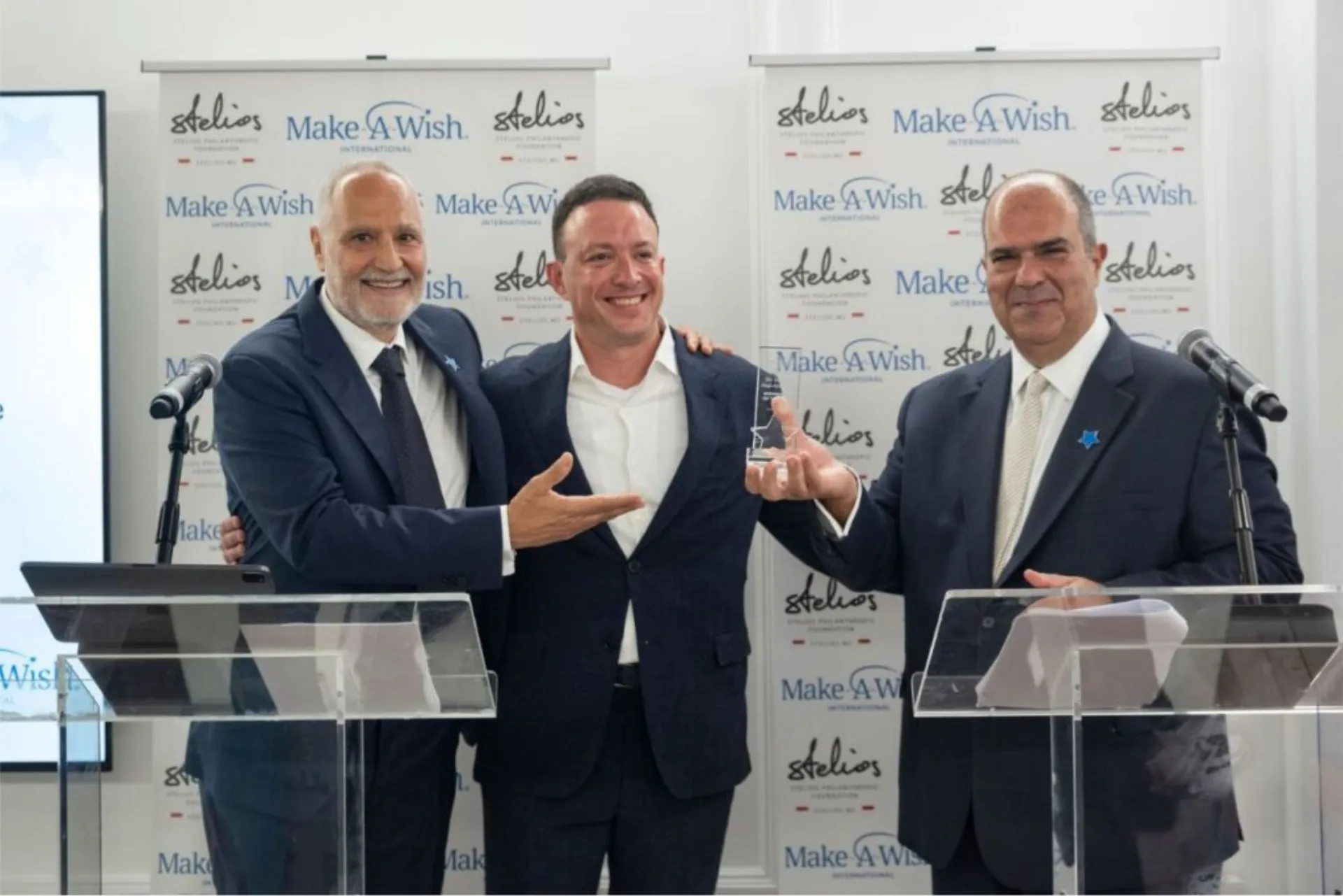
Polys Haji-Ioannou Wealth Overview: SafeBulkers, Investments, and Net Worth Analysis
Polys Haji-Ioannou’s wealth derives primarily from his controlling stake in NYSE-listed dry bulk carrier SafeBulkers Inc. (NYSE: SB), historic equity holdings in European low-cost carrier easyJet PLC, and extensive international real e...
Polys Haji-Ioannou’s wealth derives primarily from his controlling stake in NYSE-listed dry bulk carrier SafeBulkers Inc. (NYSE: SB), historic equity holdings in European low-cost carrier easyJet PLC, and extensive international real estate holdings. Estimated in the $1 billion range by financial trackers, his asset portfolio combines maritime shipping operations, aviation legacy equity, and commercial property investments across Europe.
Contents
The Maritime Roots of the Haji-Ioannou Fortune
The foundation of Polys Haji-Ioannou’s financial legacy lies in one of Greece and Cyprus's most notable shipping dynasties. He is the son of the late Loucas Haji-Ioannou, who established Troodos Shipping in the mid-20th century and built it into one of the world's largest independent tanker fleets. Growing up within a prominent maritime family provided Polys Haji-Ioannou with deep operational insights into vessel acquisition, chartering market cycles, and global trade dynamics.
While his brother, Sir Stelios Haji-Ioannou, branched out into commercial aviation by founding easyJet in 1995, Polys remained deeply anchored in ocean transportation. He earned a Bachelor’s degree in Nautical Studies from Sunderland University in the United Kingdom, cementing his academic foundation before taking on executive responsibilities within the family's shipping enterprises.
In the late 1990s and early 2000s, Polys Haji-Ioannou systematically built his own shipping platform, separate from the core Troodos tanker business. Recognizing the structural demand shifts driven by Asian industrial expansion—specifically China's appetite for raw materials—he focused his strategy on dry bulk commodities such as iron ore, coal, and grain. This strategic pivot culminated in the establishment and public listing of SafeBulkers Inc.
Primary Wealth Engine: SafeBulkers Inc. (NYSE: SB)
safeBulkers Inc. serves as the flagship asset of Polys Haji-Ioannou’s wealth portfolio. Listed on the New York Stock Exchange under the ticker SB, SafeBulkers is an international provider of marine dry bulk transportation services.
- Troodos Shipping Legacy
- Polys Haji-Ioannou
- Real Estate Portfolio (Monaco, London, Athens)
- SafeBulkers Inc. (NYSE: SB Control)
- easyJet Equity (Legacy Family Stake)
- Polys Haji-Ioannou
Ownership Structure and Corporate Governance
Polys Haji-Ioannou serves as the Chief Executive Officer and Chairman of the Board of Directors of SafeBulkers Inc. Through private holding entities, including Vorios Special Maritime Enterprises Ltd. and other family trusts, he maintains effective voting control of the company.
Key structural aspects of his equity position in SafeBulkers include:
- Controlling Stake: Holding a major percentage of common stock outstanding, ensuring strategic direction remains aligned with the family's long-term vision.
- Executive Compensation & Dividends: Receiving dual revenue streams via corporate executive compensation and quarterly common and preferred dividend distributions.
- Management Entities: Management services for the fleet are provided partly through Safety Management Overseas S.A. and SafeBulkers Management Limited, private entities controlled by the Haji-Ioannou family, generating fee-based management income alongside equity capital gains.
Fleet Composition and Strategic Positioning
SafeBulkers operates a fleet consisting of Capesize, Post-Panamax, Kamsarmax, and Panamax vessels. The valuation of SafeBulkers—and by extension Haji-Ioannou’s net worth—fluctuates based on the Net Asset Value (NAV) of this fleet and the daily spot/time charter rates defined by the Baltic Dry Index (BDI).
To preserve asset values during maritime downturns, the company maintains a strict modernization strategy:
- Phase-Out of Legacy Tonnage: Selling older, less efficient ships during high-asset-price cycles to lock in cash reserves.
- Eco-Efficient Newbuilds: Investing in Japanese-built eco-design vessels compliant with the International Maritime Organization's (IMO) Energy Efficiency Existing Ship Index (EEXI) and Carbon Intensity Indicator (CII) regulations.
- Exhaust Gas Cleaning Systems (Scrubbers): Retrofitting high-capacity Capesize and Post-Panamax vessels to capitalize on the spread between heavy fuel oil (HFO) and low-sulfur fuel oil (LSFO).
Diversified Holdings: easyJet Equity and Real Estate
While maritime shipping represents his core operational asset, Polys Haji-Ioannou’s total net worth is fortified by significant liquidity and capital preservation vehicles in aviation and prime real estate.
The easyJet Legacy Stake
Following the founding of easyJet by Sir Stelios Haji-Ioannou in 1995, members of the Haji-Ioannou family retained substantial equity blocs in the London Stock Exchange-listed airline (LSE: EZJ). Polys Haji-Ioannou held significant share blocks through investment vehicles such as Polys Holdings Limited.
Over the decades, the family's aggregate holding in easyJet gradually decreased from over 50% to smaller minority stakes as the brothers diversified their portfolios. Nevertheless, historical dividend payouts from easyJet during peak travel years provided substantial cash reserves that allowed Polys Haji-Ioannou to re-inject liquidity into shipping ventures during cyclical troughs, demonstrating effective cross-industry balance sheet management.
International Real Estate Portfolio
Real estate constitutes a substantial portion of Haji-Ioannou’s defensive wealth architecture. His property investments are concentrated in major high-value jurisdictions:
- Monaco: Serving as his primary operational base and residence, Monaco offers favorable personal wealth tax structures alongside premier residential real estate appreciation.
- London, United Kingdom: Holdings include prime commercial real estate and luxury residential properties in neighborhoods such as Mayfair and Knightsbridge.
- Athens & Cyprus: Strategic commercial properties, maritime office headquarters, and coastal residential developments in Greece and Cyprus.
Comprehensive Wealth Breakdown
The valuation of a shipping tycoon’s net worth requires assessing publicly traded equity prices, debt obligations of operating entities, private real estate values, and current charter market environments.
| Asset Category | Primary Entities / Holdings | Structural Nature | Primary Valuation Drivers |
|---|---|---|---|
| Public Maritime Equity | SafeBulkers Inc. (NYSE: SB) | Controlling Ownership / Common & Preferred Shares | Baltic Dry Index (BDI), Time Charter Equivalent (TCE) rates, Fleet Net Asset Value (NAV). |
| Private Management Services | SafeBulkers Management Ltd. / Safety Management Overseas | Fully Owned Private Management Corporations | Management fees per vessel per day, technical oversight contracts. |
| Aviation Equity | easyJet PLC (LSE: EZJ) | Historical Minority Shareholding | European passenger traffic volume, jet fuel prices, passenger yields. |
| Prime Real Estate | Holdings in Monaco, London, Athens, and Limassol | Direct & Entity-Held Property Assets | Prime European residential/commercial property indices, rental yields. |
| Cash Reserves & Liquid Assets | Offshore Investment Companies & Private Banking Accounts | Retained Earnings, Dividends, Capital Gains | Short-term Treasury rates, sovereign bond yields, currency fluctuations (USD/EUR/GBP). |
Market Dynamics Affecting Valuation
Evaluating the wealth of Polys Haji-Ioannou requires understanding the external macro-economic drivers that periodically expand or contract his balance sheet.
Maritime Volatility and Baltic Dry Index (BDI)
Unlike stable consumer goods or software businesses, dry bulk shipping is intensely cyclical. The market capitalization of SafeBulkers Inc. fluctuates based on global macroeconomic factors:
- China’s Industrial Production: Demand for iron ore from Australia and Brazil destined for Chinese steel mills dictates Capesize charter rates.
- Global Grain Flows: Droughts, geopolitical conflicts, or shifts in agricultural trade routes directly impact Kamsarmax and Panamax voyage rates.
- Fleet Supply Constraints: World shipyard capacity and orderbook-to-fleet ratios determine whether vessel supply will dilute charter rates.
Environmental Regulatory Compliance
Decarbonization mandates imposed by the IMO and the European Union Emissions Trading System (EU ETS) require heavy capital expenditure. Shipping companies must retrofit existing fleets with energy-saving devices or purchase carbon allowances. SafeBulkers’ balance sheet resilience depends on its ability to finance these transition costs without over-leveraging its balance sheet.
Key Strategies Behind the Haji-Ioannou Wealth Model
Investors and industry analysts tracking family offices and maritime wealth can draw clear operational insights from Polys Haji-Ioannou's capital allocation approach:
- Maintain High Operational Control: By retaining controlling voting shares in publicly traded companies, Haji-Ioannou ensures long-term operational decisions take priority over short-term quarterly market pressures.
- Counter-Cyclical Asset Purchasing: Acquiring dry bulk carriers during market downturns when ship valuations drop below contract replacement costs, then selling older tonnage during supply squeezes.
- Cross-Sector Hedging: Balancing volatile, capital-intensive maritime assets with yield-generating real estate in global financial hubs (London, Monaco) and liquid international equity holdings.
- Jurisdictional Optimization: Utilizing international maritime hubs—such as Cyprus, Greece, Monaco, and the Marshall Islands—to optimize tax efficiencies, governance clarity, and regulatory compliance.
Frequently Asked Questions
What is the primary source of Polys Haji-Ioannou’s wealth?
Polys Haji-Ioannou’s primary source of wealth is international dry bulk shipping, primarily through his controlling equity interest and executive role in SafeBulkers Inc. (NYSE: SB). His wealth is further supported by investments in real estate and historic equity holdings in easyJet PLC.
How is Polys Haji-Ioannou related to the founder of easyJet?
Polys Haji-Ioannou is the brother of Sir Stelios Haji-Ioannou, who founded easyJet in 1995. Both are sons of the late Greek-Cypriot shipping magnate Loucas Haji-Ioannou, founder of Troodos Shipping.
Where is SafeBulkers Inc. headquartered and traded?
SafeBulkers Inc. is registered in the Marshall Islands, operates its executive offices out of Monaco, Cyprus, and Greece, and is publicly traded on the New York Stock Exchange under the ticker symbol SB.
How does shipping market volatility impact his net worth?
Because a large share of his wealth is tied to SafeBulkers Inc., changes in international freight rates (measured by the Baltic Dry Index), global commodity demand, and ship asset values lead to direct fluctuations in his public equity valuation.
Does Polys Haji-Ioannou still hold shares in easyJet?
While the Haji-Ioannou family historically owned a majority stake in easyJet, individual family members, including Polys, have gradually sold portions of their holdings over the years to diversify into other asset classes. Private holdings may fluctuate and are subject to regulatory disclosures on the London Stock Exchange.
Summary of Financial Position
Polys Haji-Ioannou’s wealth portfolio reflects a classical maritime enterprise model updated for modern capital markets. By combining NYSE-listed corporate equity, private fleet management firms, global prime real estate, and strategic liquid reserves, he has built a resilient financial structure capable of navigating the extreme cycles of international shipping. Investors and maritime analysts monitoring his wealth profile should focus primarily on SafeBulkers' SEC filings (Form 20-F), Baltic Dry Index rate movements, and broader global bulk trade flows.
Disclaimer: Financial estimates and wealth allocations discussed in this article are derived from public SEC disclosures, regulatory shareholding notifications, public financial reporting, and industry valuations. They are intended solely for educational and analytical purposes and do not constitute formal investment advice.
Image Gallery