Understanding Adult Medium Size: A Comprehensive Guide to Sizing Standards and Fit Accuracy
Adult medium size is a standardized category used across the apparel, healthcare, and personal protective equipment industries to denote a middle-ground fit, typically accommodating individuals with a chest circumference of 38 to 40 in...
Adult medium size is a standardized category used across the apparel, healthcare, and personal protective equipment industries to denote a middle-ground fit, typically accommodating individuals with a chest circumference of 38 to 40 inches for men and a dress size of 8 to 10 for women in the United States. However, because sizing is not legally regulated, "Medium" varies significantly between brands, regions, and product types, requiring consumers to rely on specific measurements rather than labels alone.
Contents
The Evolution of the "Medium" Designation
The concept of a "Medium" (M) size originated from the need to mass-produce garments for a diverse population without the necessity of custom tailoring. Historically, sizing was based on military data and anthropometric studies conducted in the mid-20th century. By 2026, the definition of an adult medium size has shifted to reflect the changing physical demographics of the global population.
In the apparel industry, a medium is designed to be the "sample size" or the "alpha size" from which other sizes are graded. Manufacturers use a base pattern—often a Medium—and then apply grading rules to increase or decrease dimensions for Small and Large sizes. This makes the Medium the most critical size for a brand's design team, as it sets the proportions for the entire line.
However, the phenomenon known as vanity sizing has complicated the "Medium" label. As average body weights have increased, brands have gradually increased the physical dimensions of a Medium to make consumers feel more comfortable or to align with a perceived ideal. Consequently, a Medium from a high-fashion European house may be significantly smaller than a Medium from a North American mass-market retailer.
Adult Medium Size in Apparel: Detailed Dimensions
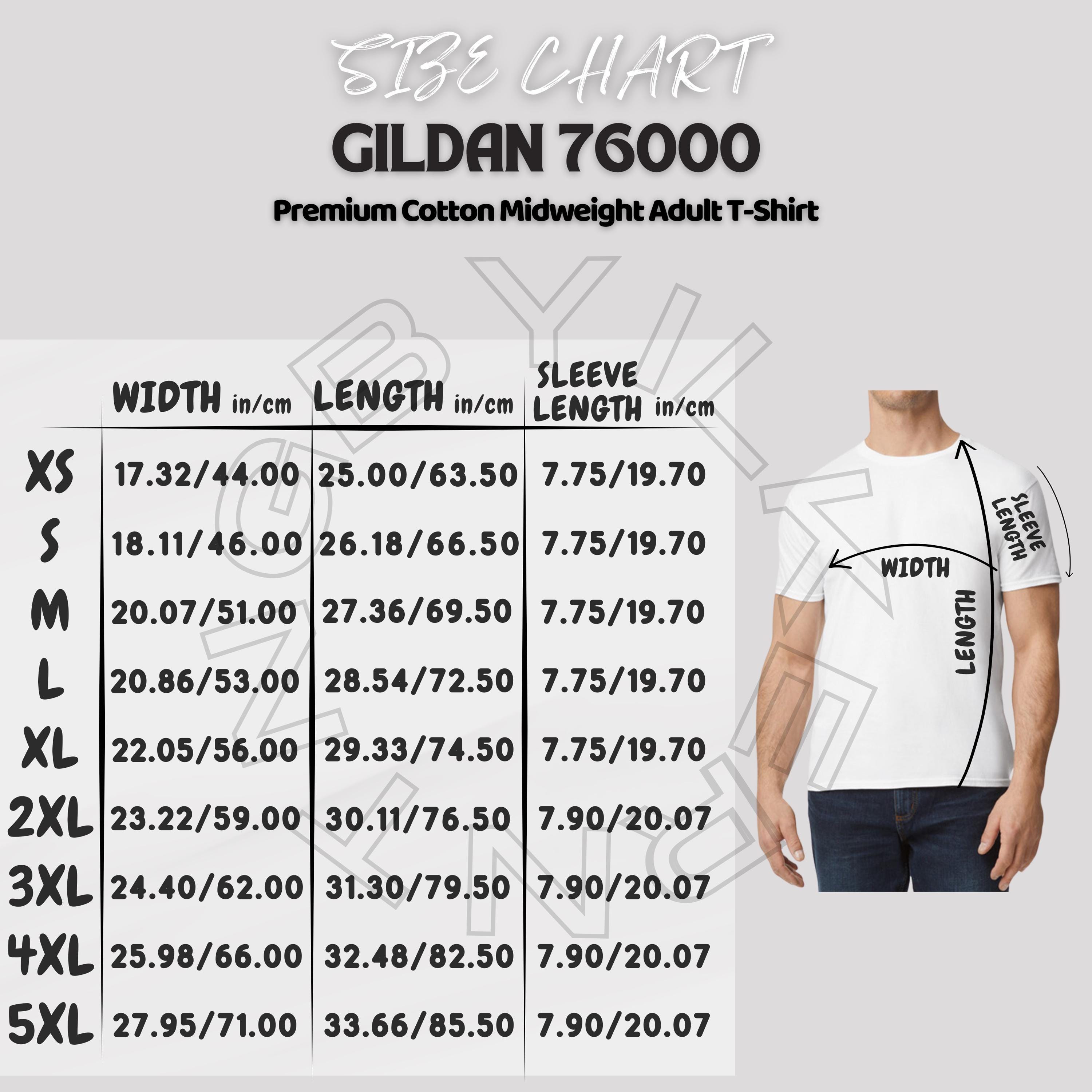
When shopping for clothing, the label "Adult Medium" usually covers several key body measurements. Understanding these numbers is essential for achieving a proper fit, especially when purchasing online where physical trials are impossible.
Men’s Medium Sizing
In menswear, the Medium size is generally built around the chest and neck measurements. For most standard retail brands in 2026, a Men's Medium follows these approximate parameters:
- Chest: 38 to 40 inches (96–101 cm)
- Neck: 15 to 15.5 inches (38–39 cm)
- Waist: 32 to 34 inches (81–86 cm)
- Sleeve Length: 34 to 35 inches (86–89 cm)
Women’s Medium Sizing
Women’s sizing is more complex due to the interplay of bust, waist, and hip measurements. An Adult Medium for women typically translates to a US size 8 or 10. The measurements usually fall within these ranges:
- Bust: 36 to 38 inches (91–96 cm)
- Waist: 29 to 31 inches (74–79 cm)
- Hips: 38 to 40 inches (96–101 cm)
The Impact of Fabric and Cut
The "fit" of a medium is also determined by the garment's intended silhouette. There are three primary categories:
- Slim Fit: A Medium in a slim fit will have less "ease" (the space between the fabric and the skin). It will measure closer to the actual body dimensions.
- Regular/Standard Fit: This is the baseline for "Adult Medium," providing roughly 2 to 4 inches of ease for comfort and movement.
- Oversized/Relaxed Fit: A Medium in this category may actually have the physical dimensions of a Large or Extra-Large but is labeled Medium to indicate how it is intended to drape on a medium-sized frame.
Regional Variations in Medium Sizing
One of the most frequent points of confusion for consumers is the discrepancy between international sizing standards. Because there is no global mandate for garment dimensions, a "Medium" in one country is not a "Medium" in another.
| Region | Men's Medium (Chest) | Women's Medium (US Equiv.) | Notes |
|---|---|---|---|
| United States | 38" - 40" | 8 - 10 | Generally the largest "Medium" globally. |
| United Kingdom | 38" - 40" | 12 - 14 | UK dress sizes differ from US numeric sizes. |
| European Union | 48 - 50 (IT/FR) | 38 - 40 | EU sizes are based on centimeters. |
| Japan/Asia | 36" - 38" | 6 - 8 | Often runs one full size smaller than US standards. |
For those ordering internationally, it is vital to check the International Organization for Standardization (ISO) guidelines, specifically ISO 3635, which provides a system for size designation of clothes based on body measurements, though many retailers still use their own proprietary charts.
Adult Medium in Healthcare and Personal Care
Beyond fashion, "adult medium size" is a critical specification in healthcare, particularly for incontinence products and medical apparel. In this niche, accuracy is not about aesthetics but about function and skin integrity.
Incontinence Products (Briefs and Diapers)
For adult diapers and absorbent briefs, a Medium is typically the most frequently purchased size. Unlike clothing, which focuses on the chest, these products focus on the waist and hip circumference.
- Waist Range: 32 to 44 inches (81–112 cm)
- Weight Range: 120 to 175 lbs (54–79 kg)
Choosing the correct medium size in healthcare is vital. A medium that is too loose will lead to leakage, while one that is too tight can cause skin irritation, pressure sores, or restricted circulation. Manufacturers like TENA and Depend provide specific "Medium" ranges that may overlap with "Small" or "Large," allowing for a customized fit based on the user's specific shape.
Personal Protective Equipment (PPE)
In the context of gloves and face masks, an adult medium size is designed to fit the 50th percentile of the population.
- Gloves: A Medium glove usually corresponds to a palm circumference of 8 inches for men and 7 inches for women.
- Masks (N95/Surgical): A Medium mask is the standard "universal" fit. If a medium mask does not create a proper seal, it fails its primary safety function. Healthcare workers undergo "fit testing" to ensure that the medium size truly matches their facial structure.
How to Accurately Measure for an Adult Medium
To determine if you truly fall into the adult medium size category, you must measure your body accurately. Using a flexible tailor’s tape is the standard method.
- Chest/Bust: Wrap the tape around the fullest part of your chest or bust, keeping the tape horizontal to the floor. Do not puff out your chest or inhale deeply; maintain a natural posture.
- Waist: Measure around your natural waistline, which is the narrowest part of your torso, usually located just above the belly button.
- Hips: Stand with your heels together and measure around the fullest part of your hips and rear.
- Neck (for Men’s Shirts): Measure around the base of your neck where a collar would sit. Place two fingers between the tape and your neck to ensure enough room for comfort.
Technical Tolerances in Manufacturing
It is important to note that even within a single brand, two "Medium" shirts may fit differently. This is due to manufacturing tolerances. In mass production, a variance of +/- 0.5 inches (1.27 cm) is often considered acceptable. If a garment feels slightly off, it may be at the extreme end of the tolerance range.
Common Mistakes When Choosing a Medium Size
Many consumers default to a "Medium" based on habit, which can lead to poor fit or unnecessary returns.
- Ignoring the Fabric Composition: A Medium in 100% cotton will shrink after the first wash, effectively becoming a Small-Medium. A Medium in a polyester or spandex blend will retain its shape and may offer more "give."
- Overlooking the Brand Identity: "Fast fashion" retailers (like H&M or Zara) often use "Junior" or "European" cuts for their medium sizes, which are slimmer. Traditional heritage brands (like Brooks Brothers or LL Bean) use "Classic" cuts that are much more generous.
- Assuming All "Mediums" are Equal: Always look for the specific size chart provided by the manufacturer. In 2026, most e-commerce platforms offer augmented reality (AR) fitting tools or detailed measurement tables that supersede the simple "S/M/L" labels.
Frequently Asked Questions
Is an adult medium the same as a size 10?
In US women’s apparel, an adult medium typically encompasses both size 8 and size 10. However, this varies by brand. Some premium brands may categorize a size 6 as a medium, while value brands may categorize a 12 as a medium. Always check the waist and bust measurements on the brand's specific chart.
What should I do if I am between a Small and a Medium?
If your measurements fall between sizes, consider the fabric and the intended use. For athletic wear or base layers, sizing down to a Small may provide better moisture-wicking and support. For outerwear or 100% cotton items, sizing up to a Medium is usually safer to account for layering and potential shrinkage.
Does "Adult Medium" refer to height?
Generally, no. Standard medium sizes are designed for individuals of average height (roughly 5'9" to 5'11" for men and 5'4" to 5'6" for women). If you are shorter or taller than this range but have "medium" horizontal measurements, you may need to look for "Medium Short" or "Medium Tall" (sometimes labeled as "Medium Long") to ensure the sleeves and hem are the correct length.
Why does my Medium shirt feel like a Large?
This is often due to the "cut" or "style" of the garment. "Relaxed fit" or "Oversized" styles are intentionally designed with extra fabric. Additionally, vanity sizing in certain markets means that a Medium today is physically larger than a Medium was twenty years ago.
Are unisex medium sizes different from men's medium sizes?
Yes. A "Unisex Medium" is almost always based on a men’s medium pattern. For women, this means a unisex medium will fit more like a "Large" and will be straighter through the hips and bust than a dedicated women’s medium.
Recommendation for Consumers
When navigating adult medium size options in 2026, the most reliable strategy is to ignore the label and trust the measurements. Keep a digital record of your current chest, waist, and hip measurements on your phone. Before any purchase—whether it is a winter coat or medical-grade PPE—cross-reference your data with the manufacturer’s specific size guide. If you are shopping for incontinence products or safety gear, prioritize the fit over the "Medium" designation to ensure the product functions as intended.
Image Gallery