Why Janet Jackson and René Elizondo Matter: Creative Synergy, Secret Marriage, and Pop Culture Legacy
Janet Jackson and René Elizondo Jr. defined 1990s pop culture through an unprecedented mix of creative collaboration and secrecy. Beyond co-writing iconic hits and directing visionary music videos, their artistic synergy reshaped Jacks...
Janet Jackson and René Elizondo Jr. defined 1990s pop culture through an unprecedented mix of creative collaboration and secrecy. Beyond co-writing iconic hits and directing visionary music videos, their artistic synergy reshaped Jackson’s visual identity and emotional depth, while their high-stakes divorce redefined entertainment industry standards for intellectual property rights and prenuptial agreements.
Contents
The Invisible Architect of Pop’s Golden Era
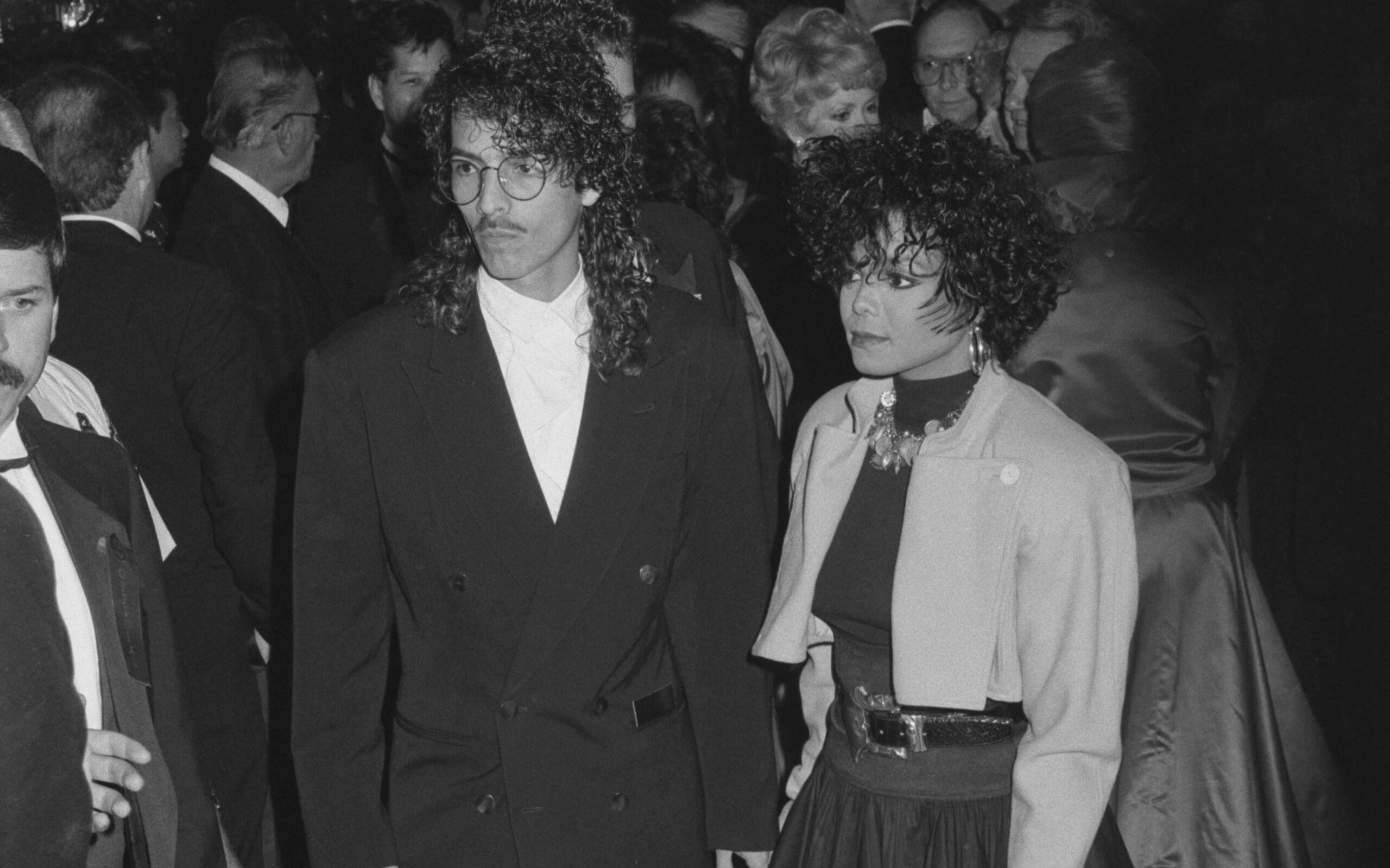
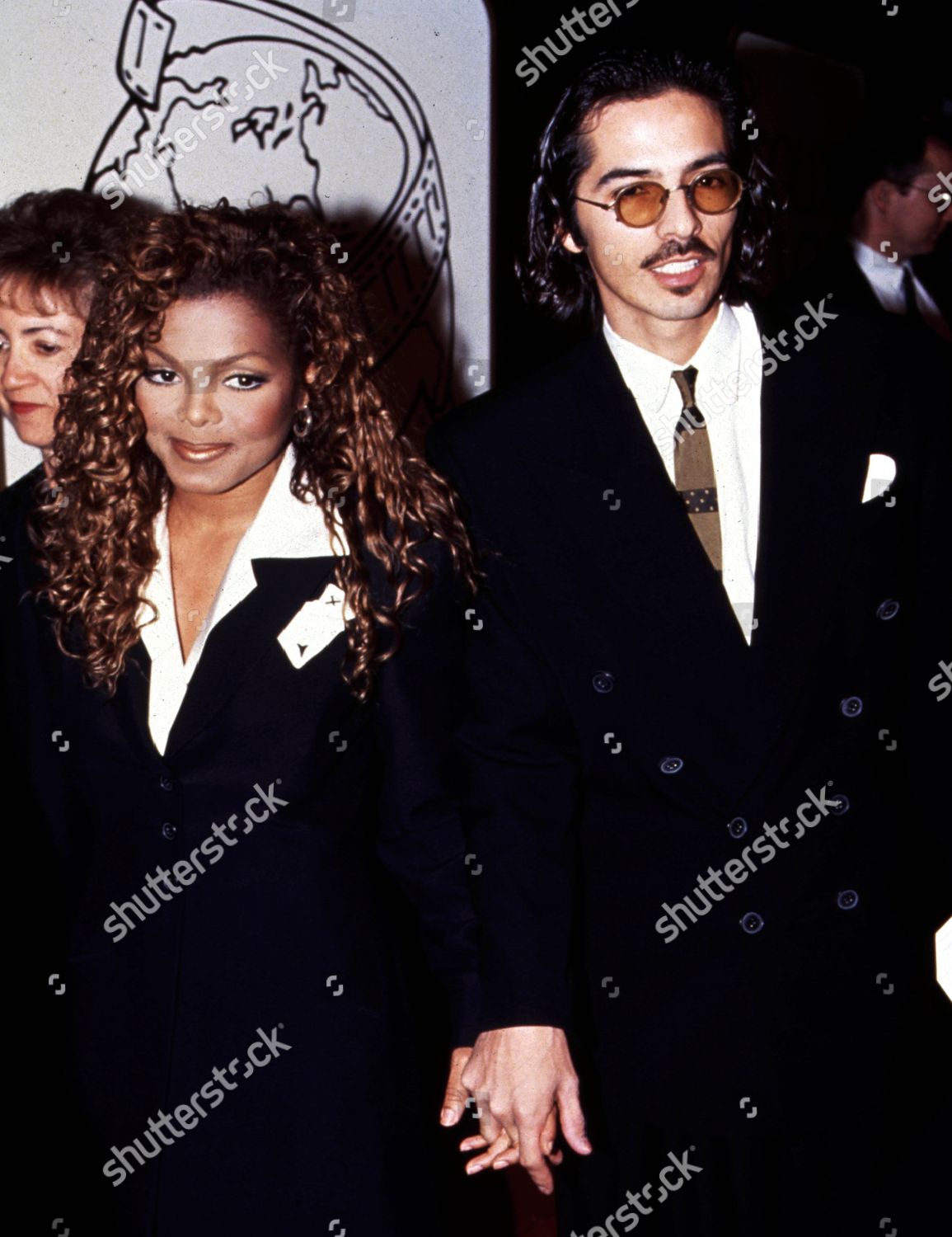
The artistic and personal partnership between Janet Jackson and René Elizondo Jr. stands as one of the most consequential, yet long-hidden, collaborations in modern music history. Meeting in the mid-1980s when Elizondo was working as a dancer, their relationship rapidly evolved from romantic companionship into a deep creative alliance. At a time when Jackson was breaking free from the strict control of the Jackson family dynasty and asserting her independence, Elizondo provided a safe space and a collaborative sounding board that allowed her to explore uncharted artistic territory.
During the late 1980s and throughout the 1990s, Jackson released three of the most critically acclaimed and commercially successful albums in pop history: Janet Jackson's Rhythm Nation 1814 (1989), janet. (1993), and The Velvet Rope (1997). While superstar producers Jimmy Jam and Terry Lewis crafted the sonic foundation of these projects, Elizondo served as Jackson's closest visual and thematic co-creator. He was not merely a passive partner; he was intimately involved in concept development, lyrical writing, image design, and video directing.
Understanding why their partnership matters requires examining how their shared creative vision transformed Jackson from a teen pop star into a global icon of sensuality, vulnerability, and social consciousness. Elizondo acted as both muse and strategist, helping Jackson articulate personal themes of self-worth, intimacy, depression, and liberation that resonated with tens of millions of fans worldwide.
Iconic Visual Imagery: The 1993 Rolling Stone Cover
Perhaps the most recognized artifact of the Jackson-Elizondo collaboration is the September 1993 cover of Rolling Stone magazine. Shot by fashion photographer Patrick Demarchelier, the image featured a sun-kissed, beaming Janet Jackson wearing relaxed denim, with a pair of hands framing and covering her bare breasts from behind.
| Category | Details |
|---|---|
| Photographer | Patrick Demarchelier |
| Hands | René Elizondo Jr. |
| Cultural Impact | Shifted pop imagery from innocent to self-possessed |
| Symbolism | Combined intimacy, protection, and complete ownership |
Those hands belonged to René Elizondo Jr. The photograph became an instant cultural touchstone, symbolizing Jackson's transition from the structured, militaristic aesthetic of Rhythm Nation to the unabashed, self-possessed sensuality of the janet. era. Beyond its striking visual appeal, the cover carried profound symbolic weight:
- Artistic Ownership: It marked a definitive break from external executive control, presenting Jackson as an adult in full command of her body and career.
- Intimate Collaboration: The anonymous hands represented a literal and metaphorical support system, protecting and supporting her while keeping the partner himself out of the public spotlight.
- Commercial Power: The image became one of the best-selling magazine covers of the decade and was used as the album artwork for the limited-edition release of janet., embedding itself permanently into pop culture history.
Elizondo also stepped behind the camera as a visual director. He directed several of Jackson’s music videos, including the intimate, home-movie style video for "That's the Way Love Goes," the cinematic video for "Again," and the "Bigger Than Life" alternative version of "Together Again." His directorial eye captured Jackson with a warmth and relaxed intimacy that outside directors rarely achieved, reinforcing her connection with global audiences.
Co-Writing and Musical Influence: Crafting Global Hits
While Elizondo’s visual contributions were substantial, his contribution to Jackson’s songwriting catalog proved equally significant. Elizondo earned co-writing credits on dozens of Jackson's tracks across her pinnacle albums, contributing lyrics, melodies, and thematic concepts that defined her peak era.
| Track Title | Year | Key Themes / Achievements |
|---|---|---|
| "Come Back to Me" | 1989 | Longing, vulnerability, emotional depth |
| "That's the Way..." | 1993 | Grammy Winner; smooth, relaxed R&B vibe |
| "Again" | 1993 | Oscar-nominated ballad; raw romantic loss |
| "Got 'til It's Gone" | 1997 | Introspection, self-discovery, heritage |
| "Together Again" | 1997 | Grief, celebration of lost loved ones |
| "I Get Lonely" | 1997 | Isolation, sensual yearning, vulnerability |
The song "That's the Way Love Goes" spent eight consecutive weeks at Number 1 on the Billboard Hot 100 and won the Grammy Award for Best R&B Song. Elizondo's co-writing input was central to crafting the song's relaxed, understated groove, which departed radically from the aggressive, synth-heavy pop trends of the early 1990s.
On The Velvet Rope (1997), Elizondo’s influence was embedded in the album’s deeply personal exploration of depression, body dysmorphia, and domestic volatility. Songs like "Got 'til It's Gone" and "Together Again" balanced heavy emotional themes with accessible pop melodies. His role as co-lyricist helped Jackson express complex internal struggles, resulting in an album widely considered by critics to be her masterpiece.
The Art of Secrecy in Pre-Digital Media Management
One of the most remarkable aspects of the Jackson-Elizondo relationship was their ability to keep their marriage a complete secret from the global media for nearly nine years. The couple was secretly married on March 31, 1991, at their home in San Diego, California. Despite Jackson being one of the most photographed and scrutinized celebrities on the planet, the public, paparazzi, and major news outlets remained completely unaware of the legal marriage until Elizondo filed for divorce in May 2000.
Maintaining this level of privacy required an extraordinary operational effort:
- Public Misdirection: In interviews, Jackson consistently referred to Elizondo as her "best friend," "business partner," or "video director," avoiding romantic labels in public settings.
- Confidentiality Agreements: Staff, inner-circle creative teams, and personal assistants signed non-disclosure agreements (NDAs) and adhered to strict privacy protocols.
- Private Living: The couple avoided high-profile public appearances together as a romantic unit, attending events separately or maintaining professional distance on red carpets.
This feat is particularly significant when viewed through the lens of modern media history. Operating in the 1990s—before the rise of social media, camera phones, and instant digital publishing—Jackson and Elizondo proved that high-profile public figures could control their personal narratives. However, the extreme pressure of maintaining such a double life ultimately took a severe toll on their personal relationship, contributing to the emotional weight documented on The Velvet Rope.
Legal Precedents and the High-Stakes Financial Settlement
When Elizondo filed for divorce in May 2000, the revelation of their secret nine-year marriage shocked the entertainment industry. The legal battle that followed became a landmark case study in entertainment law, prenuptial disputes, and spousal compensation for creative co-creators.
Elizondo filed a lawsuit seeking an estimated $10 million to $25 million in spousal support and a division of property. The core of the legal dispute centered around two primary arguments:
1. Challenge of the Prenuptial Agreement
Elizondo argued that the prenuptial agreement he signed shortly before their 1991 wedding was invalid because he signed it under duress without independent legal counsel. Under California community property law, invalidating a prenuptial agreement opens up all assets acquired during the marriage to a 50/50 division.
2. Spousal Support and Creative Intellectual Property
Beyond standard division of marital property, Elizondo argued that he had played a fundamental role as an uncredited business partner and creative consultant who helped build the value of the "Janet Jackson" brand during her most lucrative decade. He sought ongoing royalties and compensation for his songwriting, visual direction, and brand management contributions.
| Issue | Plaintiff Position (Elizondo) | Defense Position (Jackson) |
|---|---|---|
| Prenuptial Agreement | Signed under duress; invalid | Legally binding contract |
| Creative IP / Songs | Entitled to full co-writer publishing & business split | Already credited/compensated according to agreement |
| Final Settlement | Resolved out of court (2003) for estimated $10M–$15M | Financial terms confidential (no public trial) |
The case was ultimately settled out of court in 2003 for a reported sum estimated between $10 million and $15 million, alongside property transfers. The lawsuit highlighted critical business lessons for high-net-worth artists and creative couples:
- Formalization of Creative Roles: Highlighting the necessity of clear contractual boundaries when romantic partners double as artistic collaborators.
- Prenuptial Rigor: Demonstrating that prenuptial agreements must be executed well in advance of marriage with separate, independent legal representation for both parties to survive litigation.
- Songwriting Credit Valuation: Establishing how collaborative writing credits yield long-term financial publishing assets that must be accounted for during legal separations.
Comparison of Key Eras in the Jackson-Elizondo Partnership
To understand the evolution of their work and its lasting cultural footprint, the following table details the distinct phases of their collaboration across three decades of industry activity.
| Phase / Era | Timeframe | Core Creative Output | Cultural & Industry Significance | Long-Term Impact |
|---|---|---|---|---|
| Formative & Breakthrough | 1985–1990 | Music video choreography support, co-writing "Come Back to Me" | Established shared creative trust during Jackson's transition to superstar status | Laid the foundation for complete artistic independence from external handlers |
| Peak Commercial Reinvention | 1991–1996 | Secret marriage (1991), janet. album co-writing, Rolling Stone cover, video direction | Redefined 1990s pop sensuality and personal autonomy; achieved multi-week #1 hits | Demonstrated the power of image control and high-concept R&B/pop blending |
| Introspective Masterpiece | 1997–1999 | Co-writing The Velvet Rope, directing "Together Again" alternative video | Explored emotional vulnerability, mental health, and social commentary | Created a template for modern introspective pop albums; peak of joint songwriting |
| Legal Dissolution & Legacy | 2000–2003 | Divorce filing, landmark $10M+ lawsuit, out-of-court settlement | Exposed legal vulnerabilities in celebrity prenuptial contracts and joint IP ownership | Became a standard case study in entertainment law and co-creator copyright division |
Lasting Impact on Modern Pop Culture and the Music Business
The legacy of Janet Jackson and René Elizondo Jr. extends far beyond celebrity gossip; it fundamentally altered how pop stars manage their artistic partnerships, intellectual property, and public persona.
- Jackson-Elizondo Joint Legacy
- Artistic & Visual Impact
- Redefined 90s pop aesthetic
- Normalized emotional vulnerability
- Iconic imagery (Rolling Stone)
- Legal & Business Impact
- Set standard for IP division
- Highlighted prenuptial rigor
- Proved 9-year privacy control
- Artistic & Visual Impact
1. Normalizing Personal Vulnerability in Pop Music
Before The Velvet Rope, mainstream pop albums rarely tackled topics like chronic depression, body dysmorphia, or domestic volatility with such unvarnished honesty. The intimacy of Jackson and Elizondo’s personal relationship provided the safety required to explore these themes. Modern pop icons—from Beyoncé to Adele—continue to use personal relationship dynamics as the central framework for critically acclaimed concept albums.
2. Standardizing Modern Entertainment Prenuptial Agreements
The legal battle between Jackson and Elizondo forced entertainment attorneys to adjust how prenuptial agreements are structured for high-earning performing artists. Today, legal counsel routinely insists on videotaped signing sessions, extended waiting periods before wedding dates, and explicit financial schedules separating romantic gifts from creative royalties to avoid claims of duress.
3. The Template for Artist-Collaborator Dynamics
Elizondo’s dual role as creative director, lyricist, and romantic partner presaged the modern model of integrated creative teams. Contemporary artists frequently work with dedicated internal creative directors who oversee everything from cover art to tour visuals and song arrangements. Jackson and Elizondo demonstrated how a unified visual and musical strategy could elevate an artist's brand to global dominance.
Frequently Asked Questions
How long were Janet Jackson and René Elizondo Jr. secretly married?
Janet Jackson and René Elizondo Jr. were secretly married for nine years. They wed on March 31, 1991, and kept the marriage entirely hidden from the press and public until Elizondo filed for divorce in May 2000.
Did René Elizondo Jr. take the famous 1993 Rolling Stone photo?
No, the famous photograph for the September 1993 cover of Rolling Stone was taken by world-renowned fashion photographer Patrick Demarchelier. However, the hands covering Janet Jackson's breasts from behind in the photograph belonged to René Elizondo Jr.
Which hit songs did René Elizondo Jr. co-write with Janet Jackson?
Elizondo co-wrote 37 songs with Janet Jackson across her landmark albums. Among his most famous co-writing credits are "That's the Way Love Goes" (Grammy winner for Best R&B Song), "Again" (Oscar-nominated), "Come Back to Me," "Together Again," "Got 'til It's Gone," and "I Get Lonely."
What was the legal outcome of René Elizondo's lawsuit against Janet Jackson?
Elizondo sued Jackson for between $10 million and $25 million following their 2000 divorce filing, challenging their prenuptial agreement and claiming financial entitlement to shared creative assets and spousal support. The lawsuit was resolved out of court in 2003 with a confidential settlement, reported to be between $10 million and $15 million.
Why did Janet Jackson keep her marriage to René Elizondo a secret?
Jackson stated in later interviews and her 2022 documentary series that she wanted to protect their relationship from the intense media scrutiny that had plagued her famous family. Keeping the marriage private was an attempt to maintain a personal life separate from her public celebrity persona.
Recommended Next Steps for Music Historians and Researchers
For musicologists, entertainment lawyers, and fans seeking to analyze the creative and business impact of the Jackson-Elizondo era, consider the following research pathways:
- Examine Songwriting Credits: Review official ASCAP and BMI publishing databases for janet. (1993) and The Velvet Rope (1997) to study the detailed split of lyricist and composer credits among Jackson, Elizondo, Jimmy Jam, and Terry Lewis.
- Analyze 1990s Video Aesthetics: Compare the music videos directed by Elizondo ("That's the Way Love Goes," "Again") against those directed by outside directors during the same era to observe how personal intimacy influenced camera work and lighting choices.
- Review Contract Law Case Studies: Consult legal commentary in entertainment law journals regarding Elizondo v. Jackson for insights into how courts evaluate prenuptial duress and joint creative ownership in celebrity divorces.
Image Gallery