What to Do If Someone Tried to Cash Out Your Life Insurance Policy
If someone attempted to cash out your life insurance policy without your permission, you are facing a serious form of financial identity theft. You must immediately contact your insurance company's fraud department to freeze all policy...
If someone attempted to cash out your life insurance policy without your permission, you are facing a serious form of financial identity theft. You must immediately contact your insurance company's fraud department to freeze all policy transactions, file an identity theft report with law enforcement, and secure your credit files.
Contents
Disclaimer: This article provides educational information and is not formal legal or financial advice. If you suspect criminal fraud or significant financial loss, consult a qualified attorney or certified financial planner in your jurisdiction.
Understanding Life Insurance Cash-Out Fraud
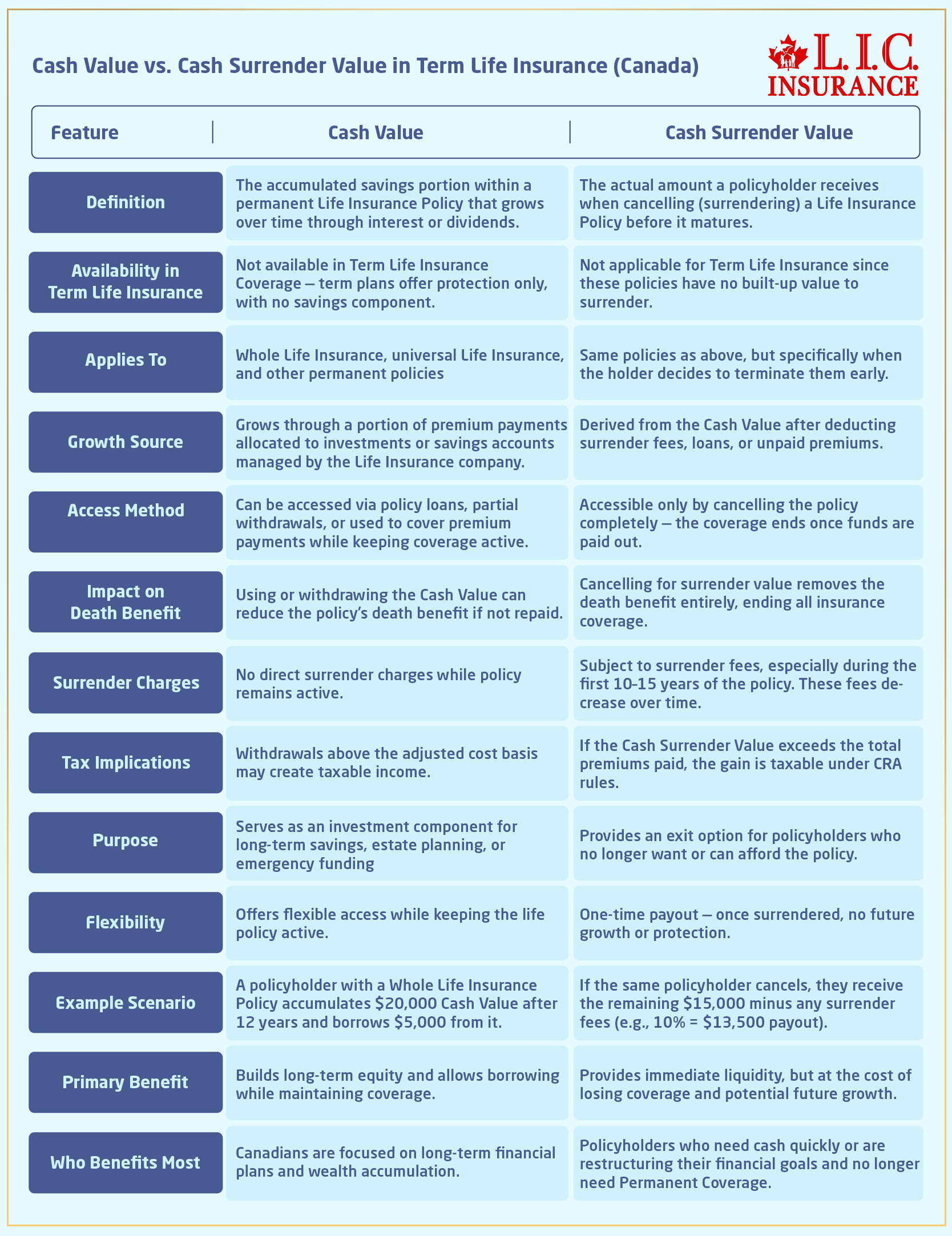
Life insurance fraud involving unauthorized cash-outs typically targets permanent life insurance policies—such as whole life, universal life, or variable universal life—that accumulate cash value over time. Term life insurance policies generally do not build cash value, making them targets for fraudulent death claims rather than unauthorized surrenders or loans.
When a criminal attempts to cash out your policy, they are usually exploiting stolen Personally Identifiable Information (PII). By acquiring your full legal name, date of birth, Social Security number, home address, and policy details, a bad actor can impersonate you to extract accumulated funds.
- Unauthorized Cash-Out Pathways:
- Policy Loan Request: Borrowing against accrued cash value
- Partial Surrender: Withdrawing a portion of total value
- Full Policy Surrender: Canceling policy to payout total cash
- Fraudulent Death Claim: Impersonating beneficiary on term/whole
Unauthorized cash-out attempts usually take one of three distinct administrative routes:
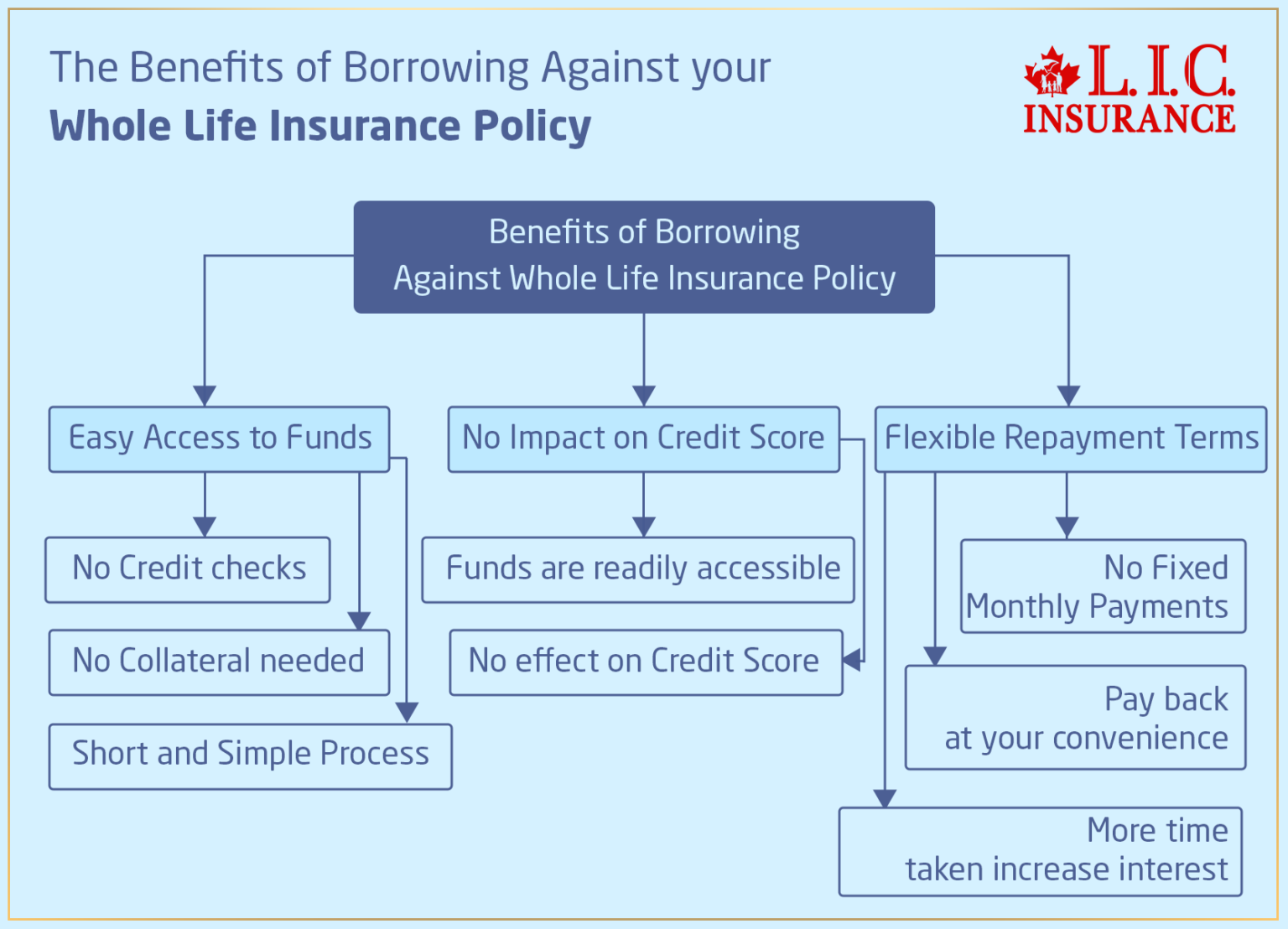
- Policy Loans: The perpetrator requests a loan against the cash value of the policy. Because policy loans do not require credit checks and carry minimal approval hurdles, fraudsters view them as easy targets. If undetected, the borrowed amount gains interest and reduces your overall death benefit.
- Partial Surrender or Withdrawal: The fraudster submits forms requesting a direct payout of a portion of your accrued equity, which reduces the total death benefit and remaining cash balance.
- Full Policy Surrender: The unauthorized party requests a complete cancellation of the policy to trigger a lump-sum payout of the net surrender value. This leaves you completely uninsured without your knowledge.
Fraudsters frequently initiate these requests by changing the mailing address, email address, or linked bank accounts on file just prior to submitting the withdrawal paperwork.
Immediate Steps to Secure Your Policy and Stop Payouts
Discovering an unauthorized transaction attempt requires swift, coordinated action. The immediate priority is containing the damage, blocking pending transfers, and establishing an official paper trail.
1. Contact Your Insurer's Fraud Department Immediately
Do not rely on routine customer service channels or standard email submission forms. Call your insurance provider's dedicated fraud, compliance, or risk management department.
- Inform the insurer that an unauthorized party is attempting a policy loan, withdrawal, or surrender.
- Request an immediate administrative hold or security block on your policy to prevent any outgoing funds, address modifications, or ownership transfers.
- Instruct the representative to flag the file so that any future action requires strict multi-factor verification or notarized written authorization.
2. Formally Submit an Identity Theft and Fraud Affidavit
Follow up your verbal report with written documentation. Most carriers require an official Fraud Affidavit detailing that you did not authorize the transaction, request a surrender, or sign disbursement documents.
Demand that the insurer verify signatures on any recent paperwork against the original policy application signatures on file. If the carrier disbursed funds to an unfamiliar bank account, insist on an immediate recall of those electronic funds transfers (EFT).
3. Report the Incident to Federal and State Regulatory Authorities
Insurance fraud is a state and federal crime. Reporting the incident creates legal documentation that protects you if disputes arise over policy reinstatement or tax liabilities.
- Federal Trade Commission (FTC): File a official report at IdentityTheft.gov. This creates a formal recovery plan and an identity theft report recognized by financial institutions.
- State Insurance Commissioner: Submit a complaint to your state’s Department of Insurance through the National Association of Insurance Commissioners (NAIC). State insurance regulators actively monitor carrier security compliance and investigate fraudulent insurance activity.
4. Secure Your Personal Credit and Financial Accounts
Because the attacker possesses sufficient personal information to target your insurance policy, your broader financial ecosystem is at risk.
- Place Credit Freezes: Contact the three primary credit bureaus—Equifax, Experian, and TransUnion—to freeze your credit files. This prevents unauthorized entities from opening new lines of credit using your identity.
- Review Financial Statements: Check all linked bank accounts, investment portals, and retirement accounts for unauthorized access or suspicious micro-deposits.
- File a Local Police Report: Visit your local police department to file an identity theft report. Obtain a copy of the police report number, as insurers and financial institutions frequently require it to reverse unauthorized transactions.
Warning Signs Your Life Insurance Policy Is Compromised
In many cases, policyholders only discover a cash-out attempt after administrative steps have already commenced. Identifying warning signs early minimizes the potential financial damage.
- Suspicious Activity Identified
- Administrative Alerts
- Profile update emails
- Unrequested 2FA codes
- Unexpected 1099-R tax documents
- Account Discrepancies
- Sudden loan balances
- Reduced cash value
- Premium payment drops
- Unknown bank links
- Administrative Alerts
- Unexpected Policy Statements: Receiving annual or quarterly statements showing an unexplained drop in cash value, unfamiliar loan balances, or unpaid loan interest notifications.
- Confirmation Notices for Unmade Requests: Receiving postal mail or email confirmations for contact address updates, electronic funds transfer (EFT) changes, or password resets that you did not initiate.
- Tax Forms for Unrequested Payouts: Receiving an unexpected IRS Form 1099-R detailing taxable distributions or surrenders from your insurance carrier.
- Lapse or Premium Payment Notices: Receiving unexpected lapse notices indicating that your cash value is insufficient to cover monthly cost-of-insurance charges (which occurs when cash value is drained by an unauthorized loan or surrender).
Comparing Policy Exploitation Methods and Response Actions
The following table outlines common unauthorized cash-out methods, their warning indicators, and the precise response actions required.
| Fraud Method | How It Works | Warning Sign | Immediate Action Required |
|---|---|---|---|
| Unauthorized Policy Loan | Fraudster requests a loan against accrued cash value, directing funds to a fraudulent bank account. | Notification of a new loan balance or unexpected loan interest statement. | Freeze policy; request signature audit; demand immediate ACH transfer recall. |
| Full Policy Surrender | Perpetrator submits forged documents canceling the policy to receive net cash value. | Confirmation of policy termination; receipt of an unexpected Form 1099-R. | File emergency reinstatement demand; report to State Insurance Commissioner. |
| Partial Cash Withdrawal | Attacker takes smaller cash distributions below administrative review thresholds. | Unexplained drop in cash accumulation on quarterly account statements. | Block electronic disbursements; require notarized written consent for all future withdrawals. |
| Fraudulent Beneficiary Change | Bad actor changes primary beneficiary to redirect death or cash benefits before payout. | Notice of updated policy ownership or beneficiary designation. | Submit ownership dispute affidavit; demand original signature comparison. |
How Insurance Companies Safeguard Cash Value Transactions
Insurance carriers use regulatory protocols and internal compliance rules to prevent fraudulent cash withdrawals. Understanding these mechanisms helps policyholders identify where security broke down during an attempt.
Anti-Money Laundering (AML) and Identity Verification
Under federal regulations overseen by the Financial Crimes Enforcement Network (FinCEN), insurance companies that issue cash-value policies must maintain robust Anti-Money Laundering programs. Carriers verify account holders against national databases before disbursing large cash amounts.
Signature and Notarization Requirements
For substantial withdrawals or policy surrenders, insurance carriers typically require:
- Medallion Signature Guarantees: A specialized verification stamp provided by a financial institution confirming signature authenticity.
- Notarized Statements: Formal verification by a licensed notary public.
- Mandatory Hold Periods: A enforced delay (often 10 to 30 days) whenever a beneficiary updates their physical address or bank payout details immediately prior to requesting a cash surrender.
If an insurer disbursed funds without adhering to their own identity verification policies or state-mandated security hold periods, they may face regulatory penalties and must restore the lost funds to your account.
Recovering Funds and Correcting Policy Records
If a fraudster successfully completes an unauthorized surrender or cash withdrawal before you discover it, you must navigate account recovery and policy reinstatement.
Demanding Full Policy Reinstatement
If an unauthorized party surrendered your life insurance policy, the policy technically ceases to exist in the carrier's active systems. You must submit a formal demand for policy reinstatement status quo ante (restoring the policy to its exact condition prior to the fraudulent act).
Provide the carrier with your police report, FTC identity theft affidavit, and proof of forgery. Because the surrender contract was executed fraudulently, it is legally void. The insurer must restore the full death benefit, replace lost cash value, and waive any accrued loan interest resulting from the fraud.
Resolving Tax Implications of Unauthorized Withdrawals
Policy surrenders and cash withdrawals frequently trigger taxable events. Insurers report gross distributions to the Internal Revenue Service via Form 1099-R. If an unauthorized cash-out occurs, the IRS may view the payout as taxable income imputed to you.
Do not ignore an erroneous 1099-R. Contact your insurer's tax operations department to demand a corrected Form 1099-R showing zero taxable distribution due to identity theft. You can reference guidance from the Internal Revenue Service (IRS) regarding tax procedures for stolen assets and identity theft resolutions.
Frequently Asked Questions
Can someone cash out my life insurance policy without my knowledge?
It is difficult, but possible if a fraudster obtains your personal identity details, policy number, and Social Security number. They typically must forge your signature or gain access to your online carrier portal. Insurers use identity verification checks to prevent this, but compromised security data can allow fraudsters to bypass standard precautions.
Will the insurance company refund my money if my policy was fraudulently cashed out?
Yes. If the insurance company processes an unauthorized loan or surrender due to fraud, forgery, or failure to follow security verification procedures, they are legally obligated to restore your cash value and reinstate your policy. You must provide official proof of identity theft, such as a police report and signed fraud affidavit.
What should I do if my ex-spouse or family member tried to cash out my policy?
Unauthorized attempts by family members or ex-spouses are treated as financial fraud. Contact your insurance carrier immediately to cancel any unauthorized requests. If ownership of the policy was assigned to you during legal proceedings (such as a divorce settlement), provide the decree to your insurer to lock out unauthorized access.
How can I lock my life insurance policy from unauthorized online access?
Contact your insurance provider and request enhanced account security options. Enable multi-factor authentication (MFA) on your web portal, add a secure verbal password for phone interactions, and request a permanent restriction requiring notarized written signatures for any future loan or cash surrender requests.
What happens to my death benefit if a fraudulent loan is taken out?
If an unauthorized loan is taken against your cash value and remains unresolved at the time of your passing, the outstanding loan balance plus accumulated interest is deducted from the final death benefit paid to your beneficiaries. This makes it critical to resolve any fraudulent loan activity immediately upon discovery.
Recommended Next Actions
If you suspect or have confirmed an unauthorized attempt to cash out your life insurance policy, complete the following actions in order:
- Place an Immediate Fraud Hold: Call your insurer's compliance department to block all transactions, withdrawals, address changes, and bank detail updates.
- Secure Personal Identification Data: Freeze your credit files with Equifax, Experian, and TransUnion. Update login credentials and enable two-factor authentication across all financial accounts.
- Document the Fraud: File an identity theft complaint at IdentityTheft.gov, submit a report with your local police department, and report the event to your state's Insurance Commissioner.
- Audit Account Statements: Request a comprehensive historic transcript of your life insurance policy's cash value, loan ledgers, and beneficiary designation history to confirm no secondary unauthorized modifications were made.
Image Gallery